


Search News
Global Industrial Intelligence Hub (GIIH)Industry Portal
Global Industrial Intelligence Hub (GIIH)Status
Standard Access
Upgrade to PremiumNewsThe tolerance issue behind unreliable precision parts
Time
Click Count
Unreliable precision parts often trace back to one hidden factor: tolerance control. For buyers and analysts in the aftermarket and automotive components sector, even minor deviations can disrupt procurement, inventory control, logistics management, and the wider supply chain. From EV motor and EV battery systems to custom components and car spare parts, understanding tolerance is essential to securing high-quality parts and reducing costly risk.
Why tolerance problems keep appearing in precision parts procurement
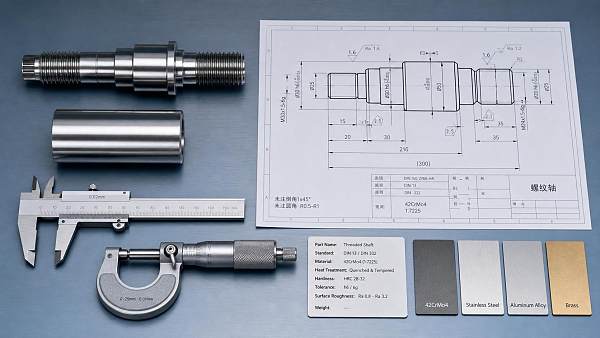
Tolerance is the allowable variation from a nominal dimension, geometry, or fit requirement. In precision parts, that variation may be measured in microns, hundredths of a millimeter, or tightly controlled angular and surface limits. For procurement teams, the issue is not only whether a part was manufactured, but whether it was manufactured consistently within the required range across 100, 1,000, or 10,000 units.
In automotive and industrial supply chains, unreliable precision parts often pass an initial visual check yet fail during assembly, endurance use, or field replacement. A shaft that is only slightly oversized, a bore that drifts beyond fit tolerance, or a flatness deviation that exceeds the assembly requirement can trigger vibration, leakage, thermal stress, accelerated wear, and return claims. The commercial impact usually appears 2–8 weeks later, not on the day of receipt.
This is why tolerance control matters far beyond engineering. It affects supplier qualification, incoming inspection, warehouse segregation, replacement compatibility, and dealer reputation. For distributors and agents handling multiple SKUs, even a 1%–3% batch inconsistency can create mixed inventory risk, where some lots fit and others do not, causing hidden after-sales costs and customer trust erosion.
At a market intelligence level, tolerance issues also reflect wider manufacturing discipline. They may signal unstable tooling, inadequate process capability, poor gauge control, or weak document alignment between drawings, samples, and production orders. For information researchers and business evaluators, tolerance is therefore a practical indicator of supply reliability, not a narrow technical footnote.
Where buyers often underestimate the problem
Many buyers focus on material grade, unit price, and lead time first. Those are necessary factors, but they do not reveal whether the part will maintain repeatable fit across assembly lines or service networks. In aftermarket channels, compatibility claims are especially vulnerable when dimensional tolerance is loosely defined or interpreted differently between supplier and buyer.
The problem becomes sharper in EV motor housings, rotor-adjacent parts, battery enclosure interfaces, sensor mounts, sealing grooves, and custom brackets. These applications may involve thermal expansion, vibration, electromagnetic sensitivity, or sealing pressure. A dimension that looks minor on paper can change performance under operating conditions ranging from -20°C to 80°C or higher, depending on use case.
- A drawing lists a nominal size, but no clear fit class or geometric tolerance is defined.
- A sample part fits, yet mass production lots show drift after tool wear or fixture variation.
- Incoming inspection checks only 2–3 basic dimensions, while critical datums remain unverified.
- The supplier controls dimensions, but packaging and transport introduce deformation in thin-wall parts.
Which tolerance factors matter most in automotive spare parts and EV components?
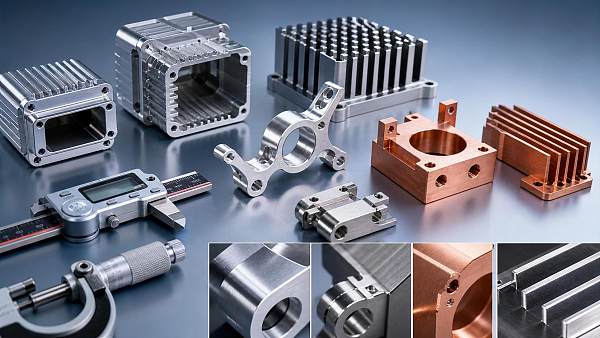
Not all tolerances carry the same business risk. In precision automotive parts, buyers should distinguish between dimensional tolerance, geometric tolerance, surface finish, and fit-related behavior. A replacement part may meet the nominal drawing size but still fail because concentricity, perpendicularity, or surface roughness falls outside the real assembly requirement. That distinction is critical in EV battery assemblies, bearing seats, connector interfaces, and machined aluminum components.
For purchasing teams, it helps to group tolerance controls into 3 categories: assembly-critical, function-critical, and appearance-related. Assembly-critical features affect whether the part can be installed. Function-critical features influence load, vibration, sealing, or electrical stability. Appearance-related features matter for exposed surfaces, but usually carry lower operational risk unless the part also serves as a sealing or mating face.
The table below summarizes common tolerance dimensions that buyers, distributors, and commercial evaluators should review before approving a supplier or comparing quotations. These are not one-size-fits-all limits; they are procurement review dimensions that help reduce hidden mismatch risk.
For commercial teams, the lesson is straightforward: a low unit price does not mean a lower total cost if tolerance-related variation creates line stoppage, claims handling, or delayed delivery. Tolerance should be reviewed together with process capability, inspection method, and lot traceability. These factors usually provide a clearer view of supplier maturity than a quotation sheet alone.
How tolerance risk changes by part type
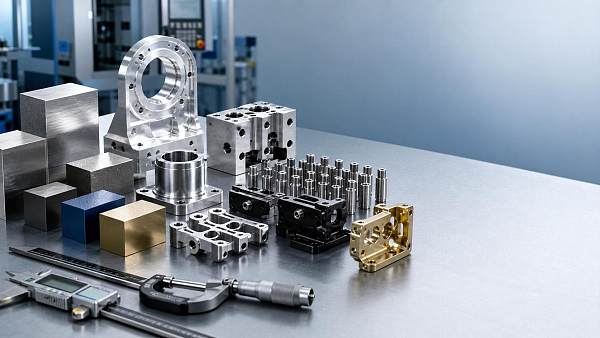
A pressed bracket and a precision-machined bearing seat cannot be evaluated using the same tolerance logic. Thin-wall stamped parts may be more sensitive to springback and transport deformation. Turned shafts may suffer from runout or concentricity drift. Die-cast parts may show variation after trimming, machining, or heat exposure. Each production route creates its own risk pattern.
For EV battery and motor-adjacent parts, interfaces tend to be less forgiving because thermal management, electrical insulation, sealing, and vibration control overlap. Even when the dimensional tolerance looks moderate, the stack-up across several mating components can become unacceptable. Buyers should therefore ask not only for the part tolerance, but also for how the supplier validates fit in the end-use assembly context.
Three practical checks before supplier approval
- Confirm the drawing revision, datum references, and critical dimensions in one controlled document package.
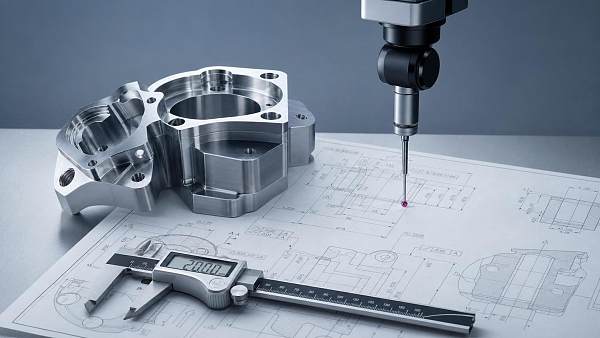
- Ask how measurements are taken: caliper, micrometer, CMM, gauge fixture, or functional test.
- Review batch inspection frequency, such as first article, every lot, or every 2–4 production hours.
How to evaluate unreliable precision parts before they disrupt the supply chain
Procurement teams rarely suffer from one single bad part. They suffer from delayed recognition. By the time tolerance instability becomes visible, the goods may already be in transit, stored in multiple warehouses, or shipped to channel partners. A better approach is to build a front-end evaluation system that screens risk before volume commitment. In most B2B sourcing cycles, this can be done within 4 steps over 7–21 days.
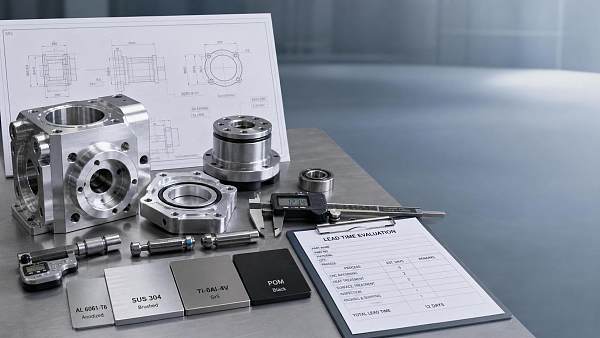
The first step is technical clarification. The buyer, engineering contact, and supplier should align nominal dimensions, tolerance ranges, fit class, material behavior, and critical-to-quality points. The second step is sample validation, ideally with 5–30 pieces depending on part complexity. The third step is pilot lot review, where repeatability matters more than single-sample accuracy. The fourth step is logistics and packaging verification, especially for thin, coated, or high-precision parts vulnerable to damage in cross-border movement.
For sourcing managers, the biggest warning sign is inconsistency between documents and actual communication. If a supplier talks about “precision” but cannot specify tolerance bands, gauge methods, sampling rules, or nonconformance handling, that supplier may still be useful for low-risk parts, but not for assembly-critical components. Precision claims should always be translated into measurable control points.
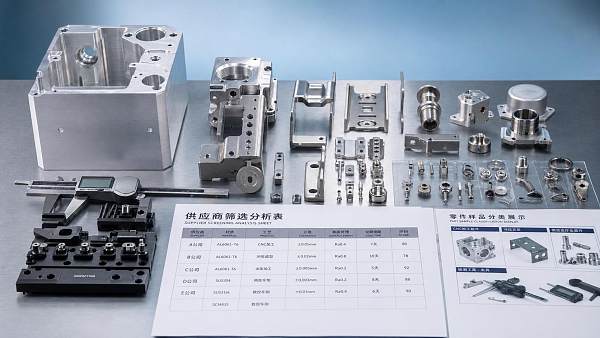
The evaluation framework below is useful for information researchers, procurement officers, and commercial reviewers comparing multiple suppliers across automotive spare parts, custom components, and EV-related assemblies.
This kind of structured review matters because tolerance problems are cumulative. A part may leave the factory within range, then shift due to coating thickness, deformation during packing, or handling across 2–3 logistics nodes. The more global the supply chain, the more important it is to evaluate precision parts as part-plus-process, not part alone.
A practical decision path for buyers and distributors
If the part is safety-related, fit-critical, or tied to warranty exposure, prioritize process stability over nominal price. If the part is non-critical and easy to replace, a broader tolerance strategy may be acceptable if clearly documented. The objective is not to demand the tightest possible tolerance everywhere, but to match control level to commercial consequence.
- Use tighter review for bearing interfaces, sealing faces, shafts, battery enclosure interfaces, and sensor mounting points.
- Use medium review for structural brackets, covers, and non-rotational machined supports.
- Use simplified review for appearance-only or low-load non-critical items, while still keeping lot traceability.
Standards, documentation, and common mistakes that create hidden tolerance risk
A frequent source of procurement failure is not poor machining alone, but poor specification discipline. In global sourcing, drawings may move across languages, CAD systems, subcontractors, and distributors. If a tolerance note, datum reference, or inspection standard is missing or interpreted differently, the finished part may be “acceptable” to one party and unusable to another. This is especially common in aftermarket channels where reverse-engineered parts enter mixed-origin supply.
Buyers do not need to become design engineers, but they should understand the role of standard notation and document hierarchy. General tolerances, geometric dimensioning conventions, material condition, and sampling plans all influence what a supplier believes it must control. When these items are unclear, disputes become subjective and expensive. A tolerance problem then turns into a commercial argument rather than a measurable nonconformance.
In many projects, 5 common mistakes drive most tolerance-related procurement failures. They are avoidable with disciplined documentation, but they are still seen in both small-volume custom parts and larger-volume automotive spare parts programs.
Five common mistakes buyers should catch early
- Relying on a sample without a controlled drawing. A sample can demonstrate appearance, but it cannot replace a complete tolerance definition.
- Accepting “standard tolerance” wording without asking which standard or which feature it applies to.
- Checking only external dimensions while ignoring geometric features such as runout, position, or flatness.
- Overlooking coating, heat treatment, or assembly effects that alter final dimensions by small but critical amounts.
- Failing to define what happens when deviations are found, including segregation, re-inspection, replacement, and claim timing.
Where relevant, buyers may also reference commonly used international drawing and quality frameworks such as ISO-based dimensional practices, GD&T conventions, calibration control, and lot traceability procedures. The key point is not to demand every possible document, but to establish a clear basis for judgment. If a supplier can explain how dimensions are controlled at first article, in-process, and final inspection, commercial confidence rises significantly.
What good documentation usually includes
For most precision part sourcing programs, a practical documentation pack includes 4 elements: approved drawing revision, material specification, inspection record format, and nonconformance handling rules. In more demanding projects, buyers may also request capability evidence, sample reports, packaging instructions, and traceability labels. Even this basic structure can greatly reduce confusion over 30-day to 90-day supply cycles.
This is where a platform like GIIH brings value beyond basic content aggregation. By combining industrial intelligence, trade insight, and technical interpretation from automotive engineering and logistics perspectives, GIIH helps decision-makers connect tolerance concerns to sourcing risk, fulfillment planning, and channel stability instead of treating them as isolated engineering jargon.
FAQ: what buyers, evaluators, and distributors ask about tolerance control
How do I know whether a precision part needs tight tolerance control?
Start with function, not with a generic “precision” label. If the part affects fit, sealing, rotation, electrical positioning, or vibration, tolerance control should be reviewed carefully. Typical high-risk examples include bearing seats, shafts, sealing grooves, EV motor interfaces, battery enclosure mating parts, and sensor brackets. If failure would create warranty cost or assembly delay, treat the part as tolerance-sensitive from the start.
What should I ask a supplier before placing a trial order?
Ask for 5 basics: drawing revision, tolerance definition, measurement method, sample quantity, and lot traceability plan. Then confirm the normal lead time for samples and pilot lots, which in many industrial programs may range from 7–15 days for samples and 2–4 weeks for pilot production, depending on tooling and finishing requirements. Without these details, price comparison is incomplete.
Are tighter tolerances always better?
No. Over-specifying tolerance can increase machining time, rejection rate, inspection cost, and delivery pressure without improving field performance. The goal is optimal tolerance, not the narrowest possible tolerance. Buyers should align the control level with actual functional need and total commercial risk. In some cases, a slightly wider but well-controlled tolerance window is safer than a nominally tighter requirement that the supplier cannot sustain in volume production.
What is the most common hidden cost behind unreliable precision parts?
The biggest hidden cost is usually not scrap. It is disruption: re-inspection, split shipments, delayed assembly, customer complaints, inventory quarantine, and return coordination across different warehouses or channel partners. Those indirect costs can easily exceed the unit price savings that originally made the quotation look attractive.
Why work with GIIH when evaluating precision parts risk and sourcing decisions
For information researchers, procurement professionals, business evaluators, and distributors, the challenge is rarely access to data alone. The challenge is turning fragmented technical details into decision-grade intelligence. GIIH was built for that exact gap. Its industrial intelligence model connects manufacturing standards, trade insight, logistics realities, and market interpretation so that tolerance control can be assessed as part of a larger sourcing strategy.
This matters especially in precision automotive parts and mobility-related supply chains, where one specification issue can ripple across supplier qualification, shipping schedules, inventory planning, and aftermarket reputation. With expert-backed analysis across automotive engineering and global logistics, GIIH helps users compare suppliers more clearly, identify hidden procurement risk earlier, and make cross-border decisions with greater confidence.
If you are reviewing unreliable precision parts, planning a new sourcing program, or comparing EV component suppliers, GIIH can support practical decision points instead of generic commentary. Typical consultation areas include parameter confirmation, tolerance review, drawing interpretation, supplier screening, delivery cycle evaluation, custom component sourcing paths, certification-related document checks, sample support planning, and quotation comparison logic.
Contact GIIH when you need structured guidance on part selection, batch stability, supply chain risk signals, or procurement benchmarking across regions. Clear decisions start with clear intelligence, and tolerance control is often the detail that determines whether a precision part program becomes scalable, profitable, and dependable over the next 3, 6, or 12 months.
Recommended News
 Jul 14, 2026RoHS Precision Parts Explained: Compliance Requirements, Test Reports, and Buying RisksRoHS precision parts explained: learn compliance requirements, how to read test reports, spot supplier gaps, and avoid costly buying risks before shipment approval.
 Jul 14, 2026Precision Machining Factory Selection Guide: Tolerances, Materials, and Inspection CapabilityPrecision machining factory selection starts with tolerance control, material expertise, and inspection capability. Learn how to compare suppliers, reduce risk, and choose with confidence.
 Jul 13, 2026Forged Engineered Components Explained: When Forging Outperforms Casting or MachiningForged engineered components deliver superior strength, fatigue resistance, and reliability. Discover when forging outperforms casting or machining for critical industrial parts.
 Jul 12, 2026Laminated Core Components: How to Choose Grades, Thickness, and ApplicationsLaminated core components explained: learn how to choose steel grades, thickness, and application fit to cut losses, improve efficiency, and make smarter design decisions.
 Jul 11, 2026Diamond Saw Blades for Stone, Tile, and Concrete: How to Choose the Right Typediamondsawblades buying guide for stone, tile, and concrete. Learn how to match blade type, cutting method, and machine for cleaner cuts, longer life, and fewer costly mistakes.
 Jul 09, 2026Product Selection Criteria for Stamped Parts: 7 Factors That Affect Fit and CostProduct selection criteria for stamped parts: discover 7 key factors that shape fit, tolerance, tooling, and total cost—make smarter sourcing decisions with less risk.
 Jul 09, 2026Sheet Metal Custom Parts: How to Choose Tolerances, Finishes, and Lead TimesSheet metal custom parts guide: learn how to choose the right tolerances, finishes, and lead times to reduce cost, improve fit, and avoid sourcing delays.
 Jul 08, 2026How to Do Product Category Analysis for Precision Parts Sourcing and Supplier ShortlistingProduct category analysis precision parts helps buyers classify components, compare true supplier fit, and shortlist faster with better cost, lead time, and compliance accuracy.
![]() Jul 07, 2026How to Evaluate a Battery Protection Parts Supplier for Quality, Testing, and Supply StabilityBattery protection parts supplier evaluation starts with quality, testing, and supply stability. Learn the key checks, red flags, and sourcing criteria for safer, more reliable decisions.
Jul 07, 2026How to Evaluate a Battery Protection Parts Supplier for Quality, Testing, and Supply StabilityBattery protection parts supplier evaluation starts with quality, testing, and supply stability. Learn the key checks, red flags, and sourcing criteria for safer, more reliable decisions. Jul 04, 2026Custom Precision Parts Prototype: Tolerance, Material, and Lead Time BasicsCustom precision parts prototype basics made practical: learn how tolerance, material, and lead time choices reduce risk, improve testing, and speed smarter production decisions.
 Jul 04, 2026Custom Engineered Components vs Standard Parts: When Is Customization Worth It?Custom engineered components vs standard parts: discover when customization lowers lifecycle cost, reduces downtime, and creates stronger competitive advantage.
 Jul 03, 2026How to Source Precision Machined Parts in the Middle East: Tolerances, Materials, and Supplier ChecksPrecision machined parts Middle East sourcing starts with tighter supplier checks. Learn how to compare tolerances, materials, certifications, and total cost for safer, smarter procurement.
 Jul 02, 2026Performance Factor Analysis for Surface Treatment: Key Variables That Affect Coating ResultsPerformance factor analysis for surface treatment reveals how substrate condition, cleanliness, profile, environment, and process settings shape coating results. Learn the key variables to improve adhesion, consistency, and production decisions.
 Jun 29, 2026Material Selection Analysis by Weight: When Lighter Parts Improve Total System PerformanceMaterial selection analysis by weight reveals when lighter parts truly improve total system performance, cutting energy, load, and lifecycle cost while avoiding hidden tradeoffs.
 Jun 27, 2026Engineered Components Drawing Review: 8 Checks to Catch Tolerance and DFM Issues EarlyEngineered components drawing review made practical: discover 8 smart checks to catch tolerance, GD&T, and DFM issues early, reduce rework, and improve launch readiness.
 Jun 26, 2026DIN Precision Parts: Tolerances, Materials, and How to Read Spec RequirementsDIN precision parts explained clearly: learn tolerances, material selection, surface requirements, and how to read DIN specs to reduce sourcing risk and choose suppliers with confidence.
 Jun 25, 2026Custom Precision Parts for Electronics: Tolerance, Material, and Process BasicsCustom precision parts electronics guide covering tolerance, material, and process basics. Learn how to reduce sourcing risk, improve fit and reliability, and choose suppliers with confidence.
 Jun 24, 2026Rapid Prototyping Near Me: How to Compare Lead Time, Materials, and Tolerance OptionsRapid prototyping near me: compare lead time, materials, and tolerance options with a practical framework to choose faster, smarter suppliers and reduce costly prototype delays.
 Jun 23, 2026Sheet Metal Components Manufacturing: Tolerance, Finish, and Process Options ExplainedSheet metal components manufacturing explained: compare tolerance, finish, and process options to reduce sourcing risk, control cost, and choose suppliers with confidence.
 Jun 23, 2026Ballscrews Selection Guide: How Lead, Accuracy, and Load Affect Motion PerformanceBallscrews selection guide covering lead, accuracy, and load. Learn how to improve speed, repeatability, and service life with practical tips for better motion performance.
 Jun 22, 2026PCB Assembly Process Explained: SMT, THT, Testing, and Common Defects to Watch ForPCB assembly explained clearly: learn SMT, THT, testing methods, and common defects that affect reliability, compliance, and product performance across industries.
 Jun 21, 2026What Drives CNC Machining Price? Material, Tolerance, Volume, and Surface Finish ExplainedCNC machining price explained: learn how material, tolerance, order volume, and surface finish shape real costs, supplier quotes, and smarter sourcing decisions.
 Jun 21, 2026How to Choose Stainless Steel Rings: Grades, Corrosion Resistance, and Load Requirementsstainlesssteelrings buying guide: compare 304, 316, and duplex grades, corrosion resistance, and load requirements to choose safer, longer-lasting rings with confidence.
 Jun 19, 2026Material Selection Analysis: How to Balance Strength, Cost, Corrosion, and ManufacturabilityMaterial selection analysis made practical: learn how to balance strength, cost, corrosion resistance, and manufacturability to reduce risk, improve sourcing, and build more reliable products.