


Search News
Global Industrial Intelligence Hub (GIIH)Industry Portal
Global Industrial Intelligence Hub (GIIH)Status
Standard Access
Upgrade to PremiumNewsHow dermatology clinics assess aesthetics devices safely
Time
Click Count
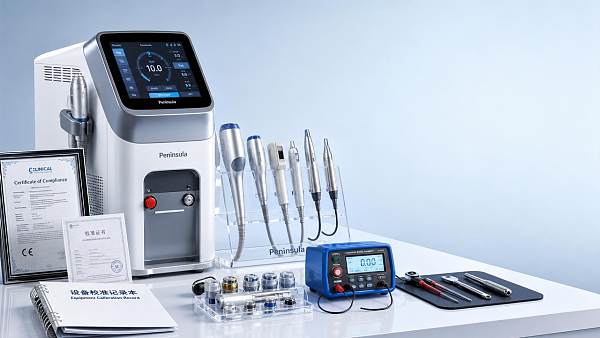
For quality control and safety review, Aesthetics devices for dermatology clinics should never be judged by marketing claims alone. Safe assessment depends on regulatory proof, treatment repeatability, operator protection, and lifecycle documentation. In a market where device options expand quickly, a structured review process lowers risk, supports clinical credibility, and improves long-term service performance.
Why safety assessment changes across clinic scenarios
Not every dermatology setting uses energy-based systems in the same way. A boutique cosmetic practice, a hospital dermatology unit, and a multi-site chain face different workload, staffing, and compliance pressures.
That is why Aesthetics devices for dermatology clinics must be evaluated within real operating scenarios. The right device in one environment may create avoidable risk in another.
GIIH tracks medical technology decisions through a broader industrial lens. Device safety is not only a clinical topic. It also involves supply chain transparency, service response, training quality, software traceability, and regulatory alignment.
Scenario 1: High-volume laser treatment rooms demand stable output
In high-throughput clinics, treatment consistency matters more than headline power. Devices must deliver repeatable fluence, pulse duration, and cooling performance across long operating hours.
Assessment should include energy drift testing, thermal control review, and calibration records. A small variance may affect outcomes, raise retreatment rates, or increase post-treatment complications.
Core judgment points in busy treatment settings
- Energy stability during repeated sessions
- Cooling system reliability under continuous load
- Downtime frequency and fault logging accuracy
- Availability of preventive maintenance schedules
- Operator interface clarity during rapid patient turnover
For Aesthetics devices for dermatology clinics, a busy room amplifies every weakness. Poor cable durability, delayed cooling recovery, or inconsistent spot size can quickly become operational safety issues.
Scenario 2: Multi-function aesthetic clinics need broader compatibility checks
Some clinics combine hair removal, pigment correction, vascular work, resurfacing, and acne applications. In these settings, device versatility looks attractive, but complexity increases assessment needs.
Review should cover handpiece interchangeability, parameter lock systems, skin type presets, and software update control. A feature-rich platform without disciplined safeguards may increase misuse risk.
What to verify before approving a multi-application platform
- Whether each indication has documented clearance or approval
- Whether presets can be edited, locked, or tracked
- Whether consumables are coded to prevent incorrect pairing
- Whether maintenance intervals differ by application mode
- Whether training records match the enabled functions
When assessing Aesthetics devices for dermatology clinics in this scenario, compatibility means more than technical fit. It also means workflow safety, documentation discipline, and reduced room for parameter confusion.
Scenario 3: Hospital-linked dermatology centers face stricter traceability demands
Hospital-affiliated practices usually require stronger documentation standards. Device acceptance often involves biomedical review, infection control coordination, electrical safety checks, and service-level confirmation.
Here, Aesthetics devices for dermatology clinics are judged not only on treatment capability. They must also fit institutional reporting systems, adverse event procedures, and procurement compliance rules.
Documents commonly expected in stricter environments
- Regulatory certificates for target markets
- Electrical safety and EMC test reports
- Service manuals and fault escalation routes
- Cleaning, disinfection, and reuse instructions
- Software version history and update validation
- Incident reporting and corrective action records
This scenario highlights a wider industrial truth. Reliable medical technology depends on transparent documentation across manufacturing, logistics, servicing, and post-market support.
How scenario differences affect device selection priorities
Different settings place different weight on the same device attributes. The table below helps compare how Aesthetics devices for dermatology clinics should be prioritized by use scenario.
This comparison shows why a single checklist is rarely enough. Safe adoption of Aesthetics devices for dermatology clinics depends on matching technical review with treatment volume, governance level, and service dependency.
Practical evaluation steps for safer scenario matching
A structured process turns broad safety goals into measurable review actions. It also supports clearer communication between clinical, technical, and administrative functions.
Recommended assessment workflow
- Define actual treatment scenarios and expected monthly workload.
- Confirm regulatory status for each intended indication.
- Review technical performance data, not brochures alone.
- Inspect electrical safety, cooling, and emergency stop design.
- Check operator training materials and lockout controls.
- Validate maintenance support, spare parts access, and uptime commitments.
- Require traceable acceptance testing before clinical use.
For Aesthetics devices for dermatology clinics, the best evaluation teams connect device physics with operational realities. A technically impressive platform still fails if service delays or training gaps undermine safe use.
Common misjudgments that weaken safety reviews
One common mistake is assuming approval in one region equals approval everywhere. Market access rules differ, and indication wording may be narrower than sales claims suggest.
Another mistake is focusing on peak power while ignoring consistency under repeated use. In aesthetics, stable delivery often matters more than aggressive specifications.
A third issue is underestimating service infrastructure. A device with limited local support can create treatment interruption, delayed repairs, and weak maintenance traceability.
Some reviews also overlook software governance. If Aesthetics devices for dermatology clinics receive updates, version control and validation records should be part of safety acceptance.
Finally, clinics sometimes separate procurement from post-installation monitoring. Safe adoption should continue after purchase through calibration checks, incident review, and periodic competency refreshers.
Turning assessment into a repeatable decision framework
A repeatable framework helps standardize how Aesthetics devices for dermatology clinics are reviewed across sites, treatment types, and vendor proposals. It reduces subjectivity and strengthens defensible decision-making.
- Create a scenario-based acceptance checklist.
- Score devices by compliance, stability, service, and usability.
- Record deviations before approval.
- Set review intervals after installation.
- Link incident feedback to future sourcing decisions.
This approach aligns with the broader GIIH perspective. Strong industrial decisions emerge when technical evidence, operational context, and supply chain intelligence are evaluated together.
As aesthetics technology evolves, safer choices will depend on disciplined scenario matching rather than generic comparison. Build a review matrix, verify evidence line by line, and test whether each device truly fits the intended clinical environment before deployment.
Recommended News
 Jul 03, 2026Category Comparison Under FDA Requirements: How to Evaluate Product Class DifferencesCategory comparison FDA requirements explained: learn how to assess product class differences, avoid costly pathway mistakes, and make faster, smarter regulatory decisions.
 Jul 02, 2026How to Evaluate a Medical Technology Supplier for Quality, Lead Time, and ComplianceMedical technology supplier evaluation made simple: learn how to compare quality systems, lead time reliability, and compliance readiness to reduce risk and choose with confidence.
 Jul 02, 2026How Diagnostic Medical Equipment Supports Better Care Coordination Across Clinical TeamsDiagnostic medical equipment for care coordination helps clinical teams share data faster, reduce delays, and improve outcomes. See how connected diagnostics strengthen workflow efficiency.
 Jun 28, 2026Healthcare Equipment for Patient Monitoring: How to Choose by Care Setting and Data NeedsHealthcare equipment for patient monitoring: learn how to choose the right solution by care setting, data needs, integration, and lifecycle value for safer, smarter deployment.
 Jun 26, 2026Medical Devices Category Introduction: How Products Are Grouped and Why It MattersMedical devices category introduction: learn how products are grouped, why classifications differ by market, and how smarter category insight improves compliance, sourcing, and global market entry.
 Jun 26, 2026Medical Technology Solutions for Healthcare Facilities: What to Evaluate Before BuyingMedical technology solutions for healthcare facilities: learn what to evaluate before buying, from clinical fit and integration to compliance, vendor support, and total cost.
 Jun 25, 2026Surgical Instruments Materials Compared: Stainless Steel, Titanium, and MoreSurgical instruments materials compared: explore stainless steel, titanium, tungsten carbide, and coatings to improve durability, safety, sterilization performance, and smarter sourcing decisions.
 Jun 25, 2026Diagnostic Medical Equipment for Preventive Care: What Clinics Should PrioritizeDiagnostic medical equipment for preventive care: discover what clinics should prioritize to improve early detection, streamline workflows, control costs, and support long-term growth.
 Jun 23, 2026Hospital Furniture Standards: What to Check for Safety, Hygiene, and Ward UseHospital furniture standards explained: learn what to check for safety, hygiene, load capacity, ward fit, and supplier proof before buying for reliable long-term performance.
 Jun 22, 2026How to Choose Blood Pressure Monitors for Home Use: Cuff Size, Accuracy, and MemoryBlood pressure monitors for home use vary in cuff size, accuracy, and memory. Learn how to compare features, avoid common mistakes, and choose a reliable monitor with confidence.
 Jun 20, 2026Wearable Medical Devices: Key Sensors, Data Accuracy, and Regulatory FactorsWearable medical devices explained: explore key sensors, real-world data accuracy, and regulatory factors to compare solutions, reduce risk, and make smarter healthcare decisions.
 Jun 19, 2026How to Choose Health Monitors for Home Use: ECG, SpO2, Sleep, and BP Features ComparedHealth monitors compared: learn how ECG, SpO2, sleep, and BP features differ for home use, and choose the right device for accuracy, comfort, and everyday value.
 Jun 18, 2026Health Measurement Devices: What to Compare Before Choosing for Home MonitoringHealth measurement devices for home monitoring: compare accuracy, ease of use, data tracking, connectivity, and long-term cost to choose a reliable device that fits daily life.
 Jun 15, 2026What Is Health Tech? Key Device Types, Real-World Uses, and How the Market Is EvolvingHealth tech explained: explore key device types, real-world applications, and the market forces reshaping healthcare innovation, adoption, and growth worldwide.
 Jun 11, 2026How to Choose Surgical Instruments for Different Procedures and Sterilization NeedsSurgical instruments selection starts with procedure fit and sterilization compatibility. Learn how to compare design, materials, durability, and lifecycle cost for safer, smarter purchasing.
 Jun 10, 2026Surgical Instruments Explained: Types, Materials, and How They Match Different ProceduresSurgical instruments explained: explore key types, materials, and how each tool fits open, laparoscopic, orthopedic, and microsurgery procedures for smarter clinical and sourcing decisions.
 Jun 07, 2026OEM Consumer Electronics for Medical Devices: Key Compliance and Design Factors to ReviewOEM consumer electronics for medical devices require more than low cost and fast sourcing. Learn the key compliance, design, and supplier checks that reduce risk and speed smarter approvals.
 Jun 05, 2026FDA Registration Services for Medical Devices: What Companies Need and Common MistakesFDAregistrationservices now shape U.S. medical device launches more than ever. Learn what companies need, the most common mistakes, and how to avoid costly compliance delays.
 Jun 01, 2026Is medical aesthetics becoming safer in 2026?Medical aesthetics in 2026 is moving toward safer care through stronger regulation, smarter devices, better training, and traceable supply chains. Explore key risks and trends.
 May 29, 2026What should a PPEsupplieswholesale order include?PPEsupplieswholesale orders should include certified products, sizing, documents, packaging, logistics, and QC rules to reduce risk and control costs.
![]() May 23, 2026How to compare a diagnostic equipment price list fairlyMedical diagnostic equipment price list comparison made simple: learn how to assess specs, compliance, service, and total cost fairly for smarter, lower-risk buying decisions.
May 23, 2026How to compare a diagnostic equipment price list fairlyMedical diagnostic equipment price list comparison made simple: learn how to assess specs, compliance, service, and total cost fairly for smarter, lower-risk buying decisions. May 22, 2026How to assess an aesthetics devices OEM manufacturerAesthetics devices OEM manufacturer selection starts with risk, not price. Learn how to assess quality, compliance, capacity, and service to choose a reliable partner.
 May 22, 2026How accurate should medical diagnostic equipment be?Medical diagnostic equipment high precision: learn how much accuracy is truly needed for safer decisions, compliance, and better ROI in real clinical use.
 May 21, 2026How dermatology clinics assess aesthetics devices safelyAesthetics devices for dermatology clinics require more than marketing claims. Discover how clinics assess safety, compliance, stability, and service fit before choosing the right system.