


Search News
Global Industrial Intelligence Hub (GIIH)Industry Portal
Global Industrial Intelligence Hub (GIIH)Status
Standard Access
Upgrade to PremiumNewsWhere automotive components costs are rising fastest
Time
Click Count
Automotive component prices are not rising evenly. The fastest increases are concentrated in parts tied to electrification, electronics, energy-intensive materials, and supply chains with limited production flexibility. For procurement teams, distributors, and market analysts, that means the real issue is no longer whether costs are rising, but which categories are rising fastest, why they are doing so, and how to adjust sourcing strategy before margin pressure spreads further across the aftermarket and industrial parts value chain.
In practical terms, EV battery systems, EV motor-related materials, semiconductors, wiring systems, thermal management parts, and selected precision automotive parts are seeing stronger cost pressure than many conventional mechanical components. At the same time, some traditional car spare parts and vehicle accessories remain comparatively more manageable, especially where supplier competition is strong and tooling is already amortized. Understanding this divergence is essential for anyone responsible for purchasing, commercial evaluation, distribution planning, or supplier selection.
Where automotive components costs are rising fastest right now
The sharpest cost increases are typically appearing in component groups exposed to one or more of the following conditions: raw material volatility, semiconductor dependency, high energy consumption in manufacturing, concentrated supplier bases, and rising demand from EV production.
The main pressure points include:
- EV battery components: Cells, packs, battery management systems, separators, thermal interface materials, and associated housing systems remain among the most cost-sensitive categories.
- EV motor systems: Permanent magnet materials, copper-intensive windings, precision bearings, power electronics interfaces, and control modules are under sustained pricing pressure.
- Semiconductor-heavy automotive electronics: ECUs, sensors, ADAS modules, infotainment chips, power devices, and connectivity hardware continue to face pricing complexity even after the worst chip shortages eased.
- Wiring harnesses and connectors: Labor intensity, copper costs, and regional manufacturing concentration make this category structurally vulnerable.
- Thermal management systems: Heat exchangers, compressors, coolant pumps, valves, and battery cooling parts are increasingly important in electric vehicle parts and hybrid systems.
- Precision automotive parts: High-tolerance machined parts, industrial parts for drivetrain and steering applications, and custom components requiring specialized tooling are seeing cost increases where low-defect manufacturing is critical.
By contrast, many mature conventional replacement categories such as basic filters, standard brake consumables, certain rubber parts, and non-technical vehicle accessories often show slower increases, although logistics and packaging can still lift landed cost.
Why EV components are under the strongest pricing pressure
Electrification has changed the cost structure of the automotive supply chain. In the internal combustion era, cost pressure was distributed more heavily across mechanical systems. Today, value is shifting toward battery platforms, software-linked control systems, electronic architecture, and high-performance thermal solutions.
Three factors are driving faster price movement in EV components:
- Material intensity: EV battery and EV motor production depends heavily on lithium, nickel, cobalt, graphite, rare earth elements, copper, and aluminum. Even when commodity prices cool temporarily, contract structures and inventory timing can keep downstream component costs elevated.
- Capacity concentration: Many advanced electric vehicle parts are produced by a relatively limited pool of qualified suppliers. This reduces pricing flexibility for buyers, especially for custom components or certified systems.
- Technology iteration: Fast design changes in battery modules, inverters, sensors, and e-drive assemblies shorten product cycles. Suppliers need to recover R&D, testing, tooling, and compliance costs more quickly.
For buyers in the aftermarket, this means EV-related procurement is not only more expensive but also less predictable. A part category may look stable for one quarter and then jump due to upstream material changes, a platform redesign, or certification bottlenecks.
Which traditional automotive parts are also becoming more expensive
It would be a mistake to assume cost inflation is limited to EV systems. Several conventional automotive components are also rising meaningfully, especially where production depends on metals, precision machining, or global freight-sensitive inputs.
Notable examples include:
- Turbochargers and fuel system components: Precision engineering, high-temperature alloys, and emissions compliance requirements continue to support higher costs.
- Bearings, gears, and transmission parts: Energy-intensive forging and machining, plus specialty steel input costs, affect pricing.
- Sensors and control units: Even in non-EV vehicles, electronic content per vehicle has increased.
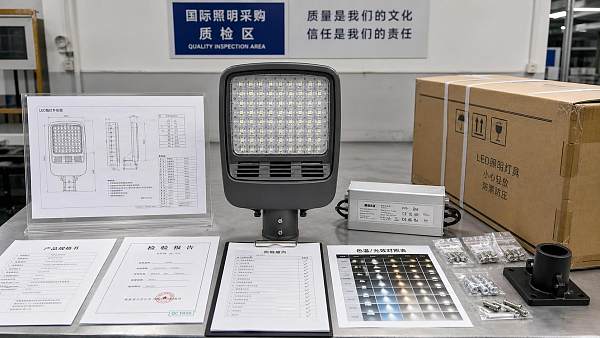
- Lighting systems: LED modules, driver electronics, and design-specific housings make replacement parts more expensive than older formats.
- Advanced safety parts: Cameras, radar-linked modules, steering electronics, and braking control systems are no longer simple mechanical replacements.
In other words, even traditional car spare parts are becoming more technologically layered. That is pushing up replacement cost, especially in categories that combine mechanical and electronic functions.
What is causing these increases beyond raw material inflation
Raw materials matter, but they are only part of the story. Procurement teams that focus only on commodity charts often miss the broader reasons costs are rising fastest in certain automotive components.
The most important non-material drivers are:
- Energy and utility costs: Smelting, casting, machining, heat treatment, and battery processing are energy-sensitive activities.
- Labor costs: Wiring harnesses, assembly-intensive modules, and quality-controlled custom components are especially exposed.
- Freight and regional risk: Ocean shipping volatility, geopolitical disruptions, customs complexity, and nearshoring transitions can all raise landed cost.
- Compliance and certification: Automotive-grade validation, traceability, functional safety, and emissions or environmental standards add cost layers.
- Tooling amortization: Lower-volume precision automotive parts and vehicle accessories with specialized molds or dies can become expensive quickly.
- Supplier consolidation: If too few qualified suppliers exist, price competition weakens.
This is why two parts made from similar materials can show very different inflation trajectories. The more technically specific, quality-sensitive, and supply-constrained a category is, the faster prices tend to rise.
How buyers should evaluate high-risk categories before sourcing
For purchasing managers, distributors, and commercial evaluators, the key question is not just where prices are rising, but how to identify categories that are likely to keep rising or create sourcing risk.
A useful evaluation framework includes five checkpoints:
- Material exposure: Does the component depend on volatile metals, specialty chemicals, semiconductors, or magnets?
- Supplier depth: Are there multiple qualified suppliers across regions, or is the market highly concentrated?
- Substitution difficulty: Can the part be replaced by equivalent alternatives without revalidation or customer risk?
- Lead-time sensitivity: If supply tightens, how quickly will availability and pricing deteriorate?
- Quality failure cost: In aftermarket and industrial parts sourcing, a cheaper part can become expensive if defect risk is high.
This approach helps buyers separate genuinely strategic categories from routine spend. For example, a low-cost connector may represent far more operational risk than a more expensive but easily sourced metal bracket.
What this means for aftermarket parts, distributors, and cross-border sourcing
The aftermarket is being reshaped by uneven cost inflation. Distributors and agents can no longer rely on broad pricing assumptions across all car spare parts. Category-level intelligence is becoming a commercial advantage.
Several market implications stand out:
- Inventory planning must be more selective: Stocking fast-rising but supply-sensitive parts early can protect margin, but overstocking slow-moving technical parts increases capital risk.
- Quote validity periods should be shorter: For EV battery, EV motor, electronics, and custom components, long quote windows create exposure.
- Supplier diversification is becoming essential: Especially for electric vehicle parts, buyers should avoid dependence on one region or one production cluster.
- Aftermarket quality positioning matters more: In high-cost categories, buyers are often willing to pay more for stable quality, lower failure rates, and better documentation.
- Regional sourcing strategies need updating: The cheapest factory price may no longer deliver the best landed cost once freight, delays, duties, and risk buffers are added.
For cross-border traders and sourcing teams, this also means that market intelligence should be tied directly to replenishment cycles, customer demand patterns, and technical substitution options.
How to respond when automotive component inflation is uneven
When costs rise unevenly, the best response is not a generic cost-cutting campaign. It is category-specific action.
Effective strategies include:
- Segment spend by inflation behavior: Separate stable categories from high-volatility ones such as EV battery materials, electronics, and wiring systems.
- Negotiate using cost structure, not only volume: Ask suppliers to clarify exposure to copper, aluminum, semiconductors, energy, and labor.
- Develop alternative specifications carefully: For some vehicle accessories or non-critical industrial parts, design flexibility can reduce cost. For safety-critical parts, caution is essential.
- Use dual sourcing where practical: Especially for precision automotive parts with long lead times.
- Monitor total landed cost: Component price, logistics, quality risk, warranty exposure, and inventory carrying cost must be assessed together.
- Track category-specific leading indicators: Copper prices, battery mineral developments, semiconductor allocation signals, shipping rates, and regional policy changes all matter.
Companies that treat all parts as equally inflation-sensitive often react too late. Those that identify the fastest-rising categories early are better positioned to protect margin, maintain service levels, and make smarter sourcing commitments.
Overall market outlook: where cost pressure is likely to remain strongest
Looking ahead, the strongest cost pressure is likely to remain in components connected to electrification, intelligent vehicle systems, and high-precision manufacturing. Even if headline inflation softens, structural pressure will likely continue in EV battery systems, power electronics, thermal management modules, advanced sensors, and specialized custom components.
Traditional parts markets will not be immune, but the pace of increase should remain more moderate in mature, standardized categories with broad supplier competition. For procurement and business evaluation teams, that means future pricing risk will be more uneven, more technical, and more dependent on supply chain structure than on general inflation alone.
The clearest takeaway is this: automotive components costs are rising fastest where technology complexity, material concentration, and supply chain fragility overlap. Buyers who understand those overlap zones will make better sourcing decisions than those relying only on historical price trends.
For information researchers, procurement professionals, commercial analysts, and distributors, the most valuable response is a category-by-category view of risk. EV battery systems, EV motor-related parts, semiconductor-heavy modules, wiring harnesses, thermal management systems, and precision automotive parts deserve the closest attention. In a market where industrial parts, aftermarket products, and electric vehicle parts are moving at different speeds, informed sourcing is no longer optional. It is a competitive necessity.
Recommended News
 Sep 23, 2026What biotechnology research import data reveals about supplier reliabilityBiotechnology research importer insights reveal supplier reliability, sourcing risks, and shipment patterns—helping labs make smarter, more resilient procurement decisions.
 Sep 10, 2026What to compare when choosing vendors for Middle East projectsVendor comparison Middle East: learn how to assess scope, compliance, logistics, technical fit, payment terms, and local support to select lower-risk project partners.
 Sep 09, 2026What Are Common Mistakes When Sourcing Lighting Fixtures Internationally?What are common mistakes when sourcing lighting fixtures internationally? Discover how to avoid costly compliance, quality, packaging, and installation risks.
 Sep 21, 2026What should a modular systems furniture manufacturer provide for export projects?Modular systems furniture manufacturer guide for export projects: ensure controlled BOMs, compliance, packaging, installation support, and reliable after-sales service.
 Sep 20, 2026How to evaluate a modular systems furniture supplier before orderingModular systems furniture supplier evaluation made simple: assess flexibility, quality, installed costs, delivery reliability, customization, and after-sales support before ordering.
 Aug 30, 2026How material selection analysis reduces import compliance risksMaterial selection analysis for import planning helps procurement teams reduce compliance risks, control costs, verify supplier evidence, and prevent costly border delays.
 Aug 11, 2026How to Evaluate an International Cooperation Platform for Cross-Border PartnershipsInternational cooperation platform evaluation made practical: learn how to assess data credibility, industry expertise, supply chain insight, and partner visibility for stronger cross-border partnerships.
 Aug 05, 2026Buyer-Oriented Product Research: How Cost Analysis Changes Sourcing DecisionsBuyer oriented product research cost analysis helps procurement teams compare landed cost, quality risk, lead time, and compliance—so you choose suppliers with lower total sourcing cost.
 Jul 30, 2026Supplier Market Trend Analysis: How Buyers Can Spot Risk, Price Shifts, and Sourcing OpportunitiesSupplier market trend analysis helps buyers identify hidden risk, decode price shifts, and uncover sourcing opportunities across regions. Learn what signals matter most before costs rise.
 Jul 26, 2026Sourcing Guides Cost: What Buyers Should Budget for Research, Samples, and Supplier VettingSourcing guides cost explained: learn what buyers should budget for research, samples, and supplier vetting to reduce risk, avoid costly mistakes, and source with confidence.
 Jul 25, 2026Sourcing Guide Pricing Explained: What Buyers Should Compare Beyond Unit CostSourcing guides pricing explained: compare total landed cost, quality risk, lead times, compliance, MOQ, and logistics—not just unit cost—to choose smarter suppliers and protect margins.
 Jul 23, 2026Commercial Planning for Market Entry: Key Steps to Evaluate Demand, Risk, and ROICommercial planning for market entry: learn how to evaluate real demand, execution risk, and ROI across regulated, fast-moving, and complex sectors to make smarter expansion decisions.
 Jul 17, 2026Category Comparison Research: How to Compare Product Categories for Better Sourcing DecisionsCategory comparison research helps procurement teams compare product categories by total cost, supplier maturity, compliance, and resilience to make smarter, lower-risk sourcing decisions.
 Jul 15, 2026Sourcing Guides Quotation: What to Include to Compare Suppliers AccuratelySourcing guides quotation tips: learn what to include for accurate supplier comparison, lower landed costs, reduce sourcing risk, and choose the best-value partner with confidence.
 Jul 15, 2026Project Planning Supplier Capabilities: 7 Criteria to Assess Before RFQProject planning supplier capabilities: discover 7 pre-RFQ criteria to assess supplier fit, reduce delivery risk, and choose partners with stronger execution, visibility, and planning control.
 Jul 14, 2026How to Evaluate a Custom Components Supplier for Quality, Lead Time, and ScaleCustom components supplier selection starts with more than price. Learn how to assess quality, lead time, and scalability to reduce sourcing risk and choose with confidence.
 Jul 14, 2026What Is Functional Clothing and Which Performance Features Matter Most?Functional clothing explained: discover which performance features matter most, from breathability and durability to mobility and protection, so you can compare smarter and choose with confidence.
 Jul 13, 2026Trade Insights Analytics for Distributors: How to Spot Demand Shifts and Sourcing RisksTrade insights analytics helps distributors spot demand shifts, sourcing risks, and early supply chain signals faster—improving inventory decisions, resilience, and market timing.
 Jul 12, 2026Market Entry Research in the Middle East: What Importers Should Check FirstMarket entry research Middle East helps importers verify regulations, partner strength, demand patterns, and logistics risks early—so they can enter faster, avoid costly mistakes, and scale with confidence.
 Jul 12, 2026How to Compare a Procurement Research Platform for Better Sourcing DecisionsProcurement research platform for sourcing decisions: learn how to compare data quality, supplier intelligence, risk visibility, and usability to choose a smarter, faster sourcing solution.
 Jul 11, 2026How to Evaluate a Cross-Border Trade Platform for Supplier Verification and Payment RiskCross-border trade platform evaluation starts with supplier verification and payment risk control. Learn key checks, red flags, and smart criteria to choose with confidence.
 Jul 09, 2026Technical Barriers Middle East: Common Market Entry Hurdles for Industrial ProductsTechnical barriers Middle East exporters face can delay approvals, raise costs, and block shipments. Learn the key compliance hurdles for industrial products and reduce market entry risk.
 Jul 09, 2026Category Based Procurement Guide: When Should Teams Split Spend by Category?Category based procurement guide for teams deciding when to split spend by category. Learn key signals, reduce approval delays, control risk, and build smarter purchasing decisions.
 Jul 08, 2026Using Global Industrial Insights and Performance Data to Benchmark Suppliers and RegionsGlobal industrial insights performance data reveals how to benchmark suppliers and regions beyond cost, uncovering resilience, risk, and growth potential for smarter sourcing decisions.