


Search News
Global Industrial Intelligence Hub (GIIH)Industry Portal
Global Industrial Intelligence Hub (GIIH)Status
Standard Access
Upgrade to PremiumNewsWhen do aftermarket shock absorbers need replacement?
Time
Click Count
When Do Aftermarket Shock Absorbers Need Replacement?
Aftermarket shock absorbers should be replaced when they no longer control suspension movement effectively, even if they have not visibly failed or reached a fixed mileage limit.
For most drivers, the decision comes down to warning signs: excessive bouncing, reduced stability, uneven tire wear, fluid leaks, longer stopping distances, or unfamiliar noises over bumps.
A practical inspection is usually more reliable than mileage alone. Road conditions, vehicle loading, driving habits, installation quality, and shock absorber design all affect service life.
As a general planning point, inspect aftermarket shock absorbers around 50,000 miles and assess replacement seriously between 50,000 and 100,000 miles, depending on symptoms and use.
Drivers should not wait for a total failure. Worn shocks can gradually reduce braking confidence and steering precision, making the vehicle harder to control during sudden maneuvers.
Why Worn Shock Absorbers Matter More Than Many Drivers Expect
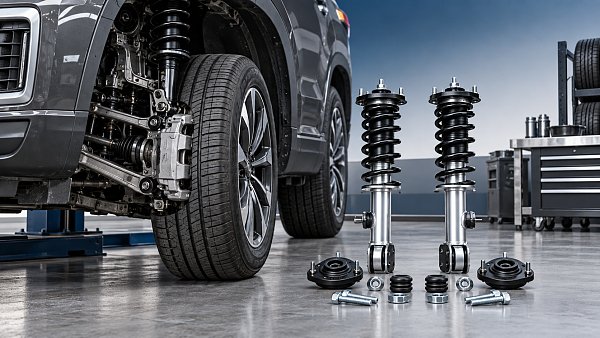
Shock absorbers do not carry the vehicle’s weight. Their main job is controlling spring movement, keeping tires in consistent contact with the road surface.
When a vehicle hits a bump, its springs compress and rebound. Functional shock absorbers slow that movement, preventing repeated bouncing, pitching, and uncontrolled body motion.
This damping action supports comfort, but its safety role is equally important. Tires can only steer, brake, and accelerate effectively when they remain firmly connected to the road.
As aftermarket shock absorbers wear, the change may be gradual. Drivers often adapt to declining ride quality and only notice the issue after installing new parts.
That gradual decline explains why replacement decisions should not depend solely on a dramatic symptom. Multiple small changes can signal a meaningful loss of damping performance.
Worn shocks can also place extra stress on tires, suspension joints, bushings, mounts, and steering components. Replacing them early may prevent more expensive follow-up repairs.
For everyday drivers, the goal is not a perfectly smooth ride. It is predictable control when cornering, braking, carrying passengers, driving in rain, or avoiding hazards.
The Most Common Signs Your Shocks Need Replacement
Excessive bouncing after driving over a speed bump is one of the clearest symptoms. The vehicle should settle quickly instead of continuing to rise and fall.
A simple bounce test can provide an initial clue. Push firmly down on one corner of a parked vehicle, release it, and watch how quickly it settles.
If that corner continues oscillating more than once or feels unusually loose, professional inspection is appropriate. However, the test cannot reliably diagnose every modern suspension configuration.
Front-end diving during braking is another important warning sign. Excessive nose dive can make stopping feel unstable and may reduce tire grip under hard braking.
Rear-end squatting during acceleration can also indicate weak damping. This is especially noticeable in vehicles that tow trailers, carry heavy loads, or use powerful engines.
Body roll through corners does not always mean shocks are solely responsible, but increased leaning or delayed recovery after turns should not be ignored.
Drivers may also notice a floating or wandering sensation at highway speed. The vehicle can feel less planted, particularly on uneven pavement or in crosswinds.
Difficulty maintaining a straight line after crossing road grooves may point to worn shocks, although tire condition, alignment, steering parts, and suspension bushings also require checking.
Clunking, rattling, or knocking sounds over bumps can indicate damaged shock mounts, loose hardware, worn bushings, or internal shock absorber failure rather than normal operation.
Visible fluid on the outside of a shock absorber is a serious inspection finding. A light film may occur, but active leakage usually indicates failing seals.
A damaged or dented shock body should also be investigated. Physical impact can restrict internal movement or compromise the component’s ability to damp suspension motion correctly.
How Tire Wear Can Reveal Weak Aftermarket Shock Absorbers
Uneven tire wear is often one of the most expensive consequences of neglected shocks. Weak damping allows the tire to repeatedly lose and regain contact with pavement.
This movement can create cupping or scalloped wear patterns around the tread. The tire may develop alternating high and low spots that produce road noise.
Cupping is not proof that shock absorbers are the only problem. Tire imbalance, worn suspension components, poor alignment, and damaged wheels can contribute as well.
Still, when cupped tires appear alongside bouncing, poor stability, or fluid leakage, worn aftermarket shock absorbers become a likely part of the diagnosis.
Check tire tread regularly by running a hand gently across the surface after parking safely. A repeating wavy pattern deserves inspection by a qualified technician.
Replacing shocks without addressing damaged tires may not fully restore ride quality. Severely cupped tires can continue producing vibration and noise after suspension repairs are complete.
For this reason, a replacement decision should include tire condition, alignment measurements, suspension inspection, and confirmation that the new shocks suit the vehicle’s intended use.
Is Mileage Enough to Decide When to Replace Shocks?
Mileage is useful as a maintenance reminder, but it is not a universal replacement rule. Two identical vehicles can wear their shocks at very different rates.
A commuter driven on smooth urban roads may retain acceptable damping longer than a vehicle regularly used on broken pavement, gravel routes, mountain roads, or construction sites.
Frequent towing, heavy cargo, fleet operation, commercial delivery work, and repeated full passenger loads can accelerate wear because the suspension must control greater forces.
High temperatures, corrosive winter road treatments, humidity, and long periods of storage may also affect seals, mounts, protective boots, and external shock absorber surfaces.
Aftermarket shock absorbers vary significantly in construction. Twin-tube, monotube, gas-charged, adjustable, heavy-duty, and performance models may show different wear patterns and service expectations.
Many service professionals recommend inspection around 50,000 miles, then regular reassessment. Replacement may be justified earlier when symptoms, leakage, or vehicle-use demands are present.
At higher mileages, proactive replacement is often reasonable even without dramatic symptoms. Damping performance can diminish gradually enough that the driver does not recognize the loss.
The best approach combines mileage, vehicle age, driving conditions, visible condition, tire evidence, and real-world handling changes rather than relying on one number alone.
What Drivers Should Check Before Buying Replacement Shocks
Before purchasing aftermarket shock absorbers, confirm the exact vehicle year, make, model, trim, drivetrain, body style, suspension package, and original equipment configuration.
Similar-looking shocks may have different mounting points, stroke lengths, damping rates, electronic compatibility, ride heights, or load capacities. Fitment accuracy matters as much as brand selection.
Consider how the vehicle is actually used. A daily commuter generally needs comfort and stable factory-like handling, while towing vehicles may need greater load control.
Performance-focused drivers may prefer firmer damping and improved response, but overly stiff shocks can reduce comfort and create undesirable behavior on rough public roads.
Lifted trucks and modified SUVs require particular care. Shocks must match the vehicle’s suspension travel, not merely its advertised lift height or exterior appearance.
For vehicles with electronically controlled damping, adaptive suspension, air suspension, or integrated strut assemblies, replacement choices can be more complex and require specialist confirmation.
Do not assume the cheapest component offers the best value. Poor-quality parts can create noise, inconsistent ride behavior, premature wear, or installation complications that erase initial savings.
Look for documented fitment data, warranty terms, supplier reputation, corrosion protection, and clear information about whether mounts, boots, bump stops, or hardware are included.
Should You Replace Shocks in Pairs or All Four at Once?
Shock absorbers should normally be replaced in pairs on the same axle. Installing one new shock beside one worn shock can create unequal damping and inconsistent vehicle behavior.
For example, replacing only one front shock may affect how the vehicle responds during braking, cornering, lane changes, and travel over uneven surfaces.
Replacing all four is often the best choice when all units have similar age and mileage. It restores more balanced ride and handling characteristics across the vehicle.
However, all-four replacement is not mandatory in every situation. A recently installed rear pair may remain serviceable when only the front pair needs replacement after damage.
Assess the condition of each axle separately, but avoid mixing radically different shock types or damping characteristics unless the vehicle manufacturer or suspension specialist supports that setup.
When replacing struts, inspect related components carefully. Strut mounts, bearings, coil springs, boots, bump stops, sway bar links, and control-arm bushings can affect results.
Paying for a complete inspection during installation is often cost-effective. It reduces the chance that a worn supporting part will cause noise or compromise the new shocks.
Can You Keep Driving With Worn Shock Absorbers?
A vehicle with mildly worn shocks may still be drivable, but that does not mean it is operating safely or efficiently under all conditions.
The risk becomes more significant during emergency braking, wet-weather driving, high-speed travel, sharp evasive turns, towing, or when roads contain potholes and uneven surfaces.
Weak damping can lengthen the time needed for tires to regain stable contact after a bump. That reduced contact can affect steering response and braking traction.
Drivers should arrange prompt service when they notice strong bouncing, severe body roll, active fluid leakage, damaged mounts, persistent clunks, or sudden changes in handling.
If the vehicle pulls, vibrates heavily, makes metallic noises, or becomes difficult to control, the issue may involve more than shocks and warrants immediate professional diagnosis.
Do not continue using a vehicle for heavy towing or high-load work when its suspension control feels compromised. Added load magnifies the effects of worn damping components.
Replacing shocks before they become a major safety concern can also protect tires and suspension parts, making the repair less disruptive and potentially less expensive overall.
How to Get a Reliable Diagnosis
A reliable diagnosis begins with a road test that reproduces the driver’s concern. Technicians may assess bounce, braking dive, steering response, noise, and stability over uneven surfaces.
Next, they inspect each shock absorber for leakage, corrosion, dents, damaged boots, loose fasteners, worn mounts, and signs of contact with surrounding components.
Tire inspection is essential because tread patterns often reveal suspension problems. Alignment readings and wheel balance checks may also be necessary to rule out related causes.
Technicians should inspect ball joints, tie rods, control-arm bushings, wheel bearings, sway bar links, springs, and mounts before attributing every symptom to shock absorbers.
Ask for a clear explanation of the evidence. A useful service recommendation identifies the observed condition, the likely effect on driving, and the parts needed to correct it.
For consumer confidence, request an itemized estimate that separates parts, labor, alignment, mounts, related hardware, and any tire work required after the suspension repair.
Documenting the inspection is particularly useful for used vehicles. It helps owners prioritize repairs and makes future maintenance decisions based on condition rather than guesswork.
Frequently Asked Questions About Aftermarket Shock Absorbers
How long do aftermarket shock absorbers last? Many last between 50,000 and 100,000 miles, but service life varies substantially based on roads, loading, climate, driving style, and product quality.
Can a shock absorber fail without leaking? Yes. Internal wear can reduce damping force without an obvious external leak, which is why handling symptoms and road testing matter.
Will new shocks improve braking? They do not directly create braking force, but they help tires maintain contact with the road, supporting more stable braking performance.
Do aftermarket shocks change ride height? Standard replacement shocks generally do not. Ride height is mainly determined by springs, suspension geometry, spacers, and vehicle loading.
Do I need an alignment after replacing shocks? It depends on the vehicle and repair method. Strut replacement or disturbed suspension geometry commonly makes alignment verification advisable.
Are premium shocks worth the extra cost? They can be worthwhile when they match driving needs, provide stronger durability, improve load control, or offer better consistency than low-cost alternatives.
Make the Replacement Decision Before Control Declines Further
Aftermarket shock absorbers need replacement when inspection findings or driving symptoms show that they can no longer control suspension movement and tire contact effectively.
Do not wait for complete failure or rely only on mileage. Pay attention to bouncing, brake dive, body roll, leaking fluid, cupped tires, noise, and highway instability.
A professional inspection can distinguish worn shocks from tire, alignment, steering, or suspension problems. That accuracy helps drivers spend money on the repair that truly solves the issue.
Replacing shocks in matched axle pairs and selecting components suited to the vehicle’s actual use will support comfort, tire life, braking stability, and predictable handling.
For consumers, the clearest rule is simple: when your vehicle no longer feels controlled, stable, and consistent over ordinary roads, schedule a suspension inspection without delay.
Recommended News
 Sep 26, 2026When do aftermarket shock absorbers need replacement?Aftermarket shock absorbers may need replacement when bouncing, leaks, tire cupping, or unstable handling appear. Learn key warning signs and choose the right time to inspect.
 Sep 17, 2026How to verify fitment before buying vehicle specific aftermarket partsVehicle specific aftermarket parts: verify VIN, OEM numbers, fitment details, and installation needs before buying to avoid costly mistakes.
 Sep 16, 2026How Brake Drum Compatibility Impacts Trailer Safety Compliance and Maintenance Intervalssemi trailer spare parts: Discover how brake drum compatibility directly impacts trailer safety compliance, maintenance intervals, and regulatory risk—get expert insights now.
 Sep 09, 2026Evaluating Replacement Brake Drums for BPW Axle Systems: Compatibility, Certification, and Aftermarket Sourcing Riskssemi trailer spare parts: Discover critical risks in sourcing BPW brake drums—compatibility, certification & aftermarket pitfalls revealed.
 Sep 08, 2026Why Semi Trailer Brake Drums Crack: Wear Patterns and PreventionSemi trailer spare parts guide: identify brake drum crack patterns, prevent overheating, and improve wheel-end safety with practical maintenance insights.
 Aug 25, 2026How to vet an aftermarket replacement auto parts supplier for quality consistencyAftermarket replacement auto parts supplier selection starts with proof of quality consistency. Learn how to assess traceability, process control, packaging, and complaint handling before you buy.
 Jul 11, 2026Fleet Aftermarket Service: What to Check in Parts Coverage, Response Time, and WarrantyFleet aftermarket service guide: learn how to evaluate parts coverage, response time, and warranty terms to reduce downtime, control repair costs, and choose a more reliable supplier.
 Jul 10, 2026Replacement Auto Parts USA: How to Verify Fitment, Quality, and Supplier ReliabilityReplacement auto parts USA sourcing made safer: learn how to verify fitment, assess real quality, and spot reliable suppliers before returns, warranty claims, and costly ordering mistakes happen.
 Jul 10, 2026How to Choose Vehicle Accessories for Trucks Based on Load, Terrain, and Daily UseVehicle accessories for trucks should match load, terrain, and daily use. Discover practical tips to choose smarter upgrades for safety, durability, comfort, and long-term value.
 Jul 09, 2026Auto Parts Industry Europe: Key Market Shifts Affecting OEM and Aftermarket BuyersAuto parts industry Europe is shifting fast. Explore key OEM and aftermarket trends, compliance risks, and sourcing strategies shaping smarter buying decisions.
 Jul 08, 2026Aftermarket Engineered Components: When to Choose Replacement Parts Over OEM OptionsAftermarket engineered components can cut downtime, improve service life, and lower total maintenance cost. Learn when replacement parts outperform OEM options.
 Jul 05, 2026Aftermarket Solutions for Vehicle Maintenance: Which Parts and Services Save More Downtime?Aftermarket solutions for vehicle maintenance that cut downtime most: discover which parts, diagnostics, and preventive services deliver faster returns, fewer repeat repairs, and smarter fleet savings.
 Jul 05, 2026Replacement Auto Parts USA Market: How Distributors Compare Demand by CategoryReplacement auto parts USA market trends by category: compare brakes, filters, sensors, collision parts, and batteries to spot demand shifts, inventory priorities, and profitable distributor strategies.
 Jul 03, 2026Aftermarket Auto Parts vs OEM Parts: What to Compare Before You BuyAftermarket auto parts vs OEM parts: compare fit, quality, warranty, safety, and long-term value before you buy. Make a smarter parts choice with confidence.
 Jul 02, 2026Replacement Auto Parts Database: What Data Fields Matter Most for Fast Part Matching?Replacement auto parts database essentials: discover the key data fields for faster, more accurate part matching, fewer returns, and smarter sourcing decisions.
 Jul 01, 2026Injection Molded Aftermarket Parts vs OEM: How to Compare Fit, Cost, and Lead TimeInjection molded aftermarket parts vs OEM: compare fit, total cost, and lead time with a practical buyer framework to reduce sourcing risk and make faster purchasing decisions.
 Jun 29, 2026Sourcing Automotive Parts in Europe: OEM, Aftermarket, and Compliance Checks ExplainedAutomotive parts Europe sourcing made simple: compare OEM vs aftermarket, verify supplier credibility, and run compliance checks to reduce risk, protect margins, and buy smarter.
 Jun 28, 2026Auto Parts Quality Standards Explained: Key Certifications, Tests, and Failure RisksAuto parts quality standards explained: learn key certifications, real-world tests, hidden failure risks, and smarter supplier checks to reduce recalls and improve compliance.
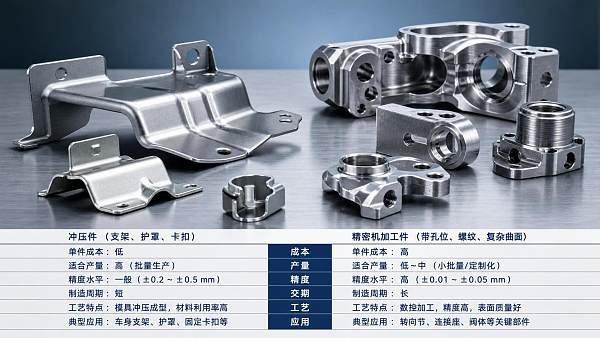
 Jun 27, 2026Stamped Aftermarket Parts vs Machined Parts: Which Option Fits Cost and Volume Targets?Stamped aftermarket parts vs machined parts: compare cost, tooling, volume, lead time, and precision to find the best sourcing strategy for margins, supply stability, and long-term value.
 Jun 25, 2026Diaper Bags Backpack Buying Guide: Features That Matter for Daily Outingsdiaperbagsbackpack buying guide: discover the features that matter most for daily outings, from smart storage and comfort to easy-clean materials and durable design.
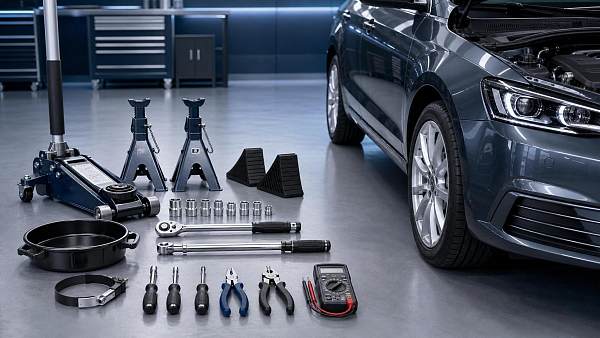
 Jun 23, 2026Car Maintenance Tools Checklist: What to Buy First for DIY Repairs and Routine ServiceCar maintenance tools checklist for DIY beginners: discover what to buy first for safe routine service, oil changes, tire care, and smarter garage upgrades on any budget.
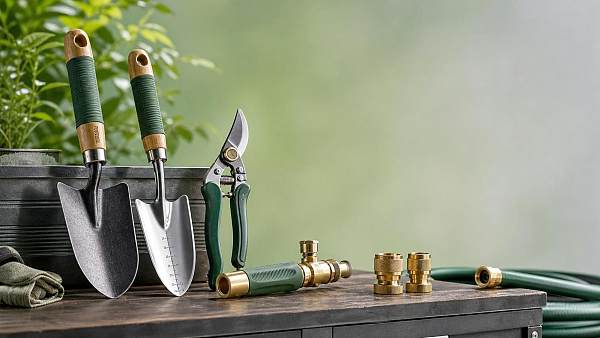
 Jun 22, 2026Outdoor Garden Supplies Buying Guide: How to Identify Durable Tools That Last LongerOutdoor garden supplies durable tools buying guide: learn how to spot stronger materials, smarter design, and long-lasting value before you buy.
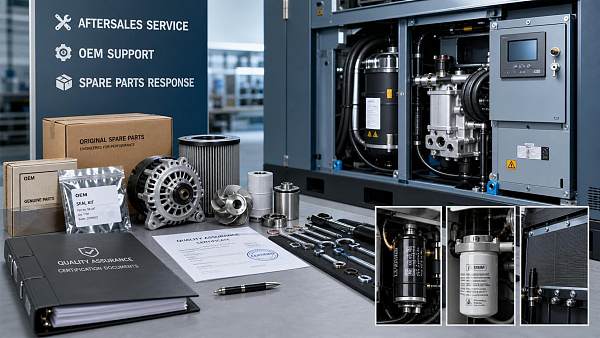
 Jun 20, 2026Aftermarket Service vs OEM Support: What Buyers Should Compare Before SigningAftermarket service can shape uptime, repair costs, and supplier risk more than price alone. Compare OEM support, spare parts, warranty, and response speed before signing.
 Jun 19, 2026Car Replacement Parts: OEM vs Aftermarket, Fitment Risks, and Warranty QuestionsCar replacement parts guide: compare OEM vs aftermarket, avoid fitment risks, and understand warranty questions to choose safer, smarter parts with confidence.