


Search News
Global Industrial Intelligence Hub (GIIH)Industry Portal
Global Industrial Intelligence Hub (GIIH)Status
Standard Access
Upgrade to PremiumNewsWhat mining equipment matters most in daily operations?
Time
Click Count
In daily mining operations, productivity and safety depend on choosing the right Industrial & Manufacturing equipment for mining industry needs. From drilling and loading to hauling and screening, every machine affects output, maintenance costs, and operator efficiency. This guide explores which equipment matters most on site and how users and operators can make smarter decisions in demanding working conditions.
What matters most in daily mining operations?
The short answer is this: the most important mining equipment is the equipment that keeps material moving safely, continuously, and at the planned rate every shift.
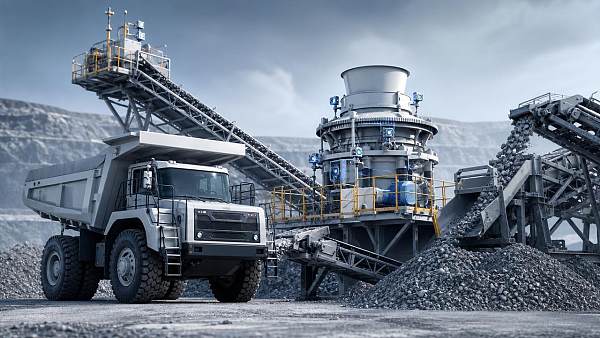
For most sites, that means drilling machines, loaders, haul trucks, excavators, crushers, screens, and support equipment that prevents downtime before it spreads across production.
Operators usually do not judge value by brochure specifications alone. They care about visibility, control response, cycle time, fuel use, service access, and how reliable the machine feels.
In practice, the best Industrial & Manufacturing equipment for mining industry operations is not always the biggest or newest. It is the equipment that matches the ore body, site layout, and shift realities.
Why loaders and excavators are often the most critical machines
If loading stops, the entire production chain slows down. That is why loaders and excavators are often the most important machines in daily mining work.
These machines sit at the center of material flow. They connect blasting or digging activities with hauling, crushing, stockpiling, and processing operations across the site.
For operators, a productive loader or excavator must offer stable hydraulics, predictable bucket fill, strong breakout force, and a cabin layout that reduces fatigue over long shifts.
Good visibility around the bucket, boom, tires, or tracks also matters. Poor sight lines increase the risk of collisions, underloading, spillage, and slower cycles.
On hard-working sites, even small delays in loading create large downstream losses. A few seconds added to every bucket cycle can reduce total daily output more than expected.
That is why users should pay close attention to bucket size, pass match with trucks, hydraulic responsiveness, and ease of maintenance around pins, hoses, filters, and wear parts.
Haul trucks: the backbone of daily output
After loading equipment, haul trucks usually have the biggest direct impact on daily production. If trucks are unavailable, overloaded, or poorly matched, material movement becomes inconsistent fast.
Operators and site teams care about more than payload. They also need dependable braking, stable handling on haul roads, easy gear response, and strong performance on slopes.
Truck availability affects every stage of site rhythm. Too few trucks cause loaders to wait. Too many trucks create queues, fuel waste, and unnecessary traffic risks.
The best truck choice depends on haul distance, road conditions, turning radius, grade, material density, and compatibility with loading tools already used on site.
Daily users also value serviceability. Easy access to tires, brake systems, fluids, and inspection points helps reduce routine maintenance time and keeps shift changeovers efficient.
For many mines, truck reliability matters more than peak speed. A slightly slower truck that runs consistently often contributes more value than a faster model with frequent downtime.
Drilling equipment sets the pace before material moves
Drilling equipment may not always look like the center of production, but it strongly influences blast quality, fragmentation, digging ease, and overall downstream efficiency.
When drill accuracy is poor, blast results become inconsistent. That can create oversized rock, difficult digging conditions, crusher blockages, and extra wear on loading equipment.
Operators need drills with dependable penetration rates, stable feed systems, accurate hole positioning, and controls that remain usable under dust, vibration, and changing weather.
Cab comfort is also important here. Long drilling shifts can increase fatigue, especially in hot, noisy, or high-vibration conditions, which can reduce accuracy and raise safety risk.
From a site perspective, the right drill improves not just drilling output but also fragmentation quality, which affects shovel productivity, truck loading efficiency, and crusher performance.
That makes drilling equipment one of the most underestimated categories in Industrial & Manufacturing equipment for mining industry operations.
Crushers and screens matter because they control flow quality
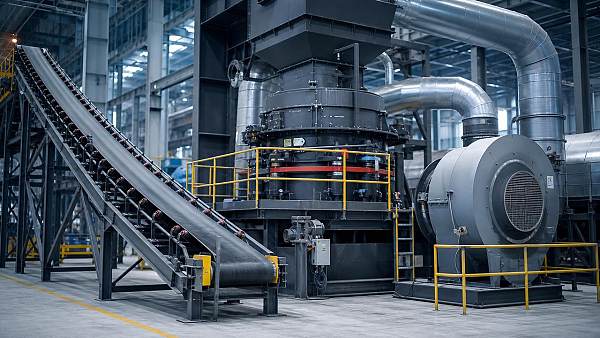
Once material reaches the processing stage, crushers and screens become essential. They determine whether output stays on specification and whether downstream systems can run steadily.
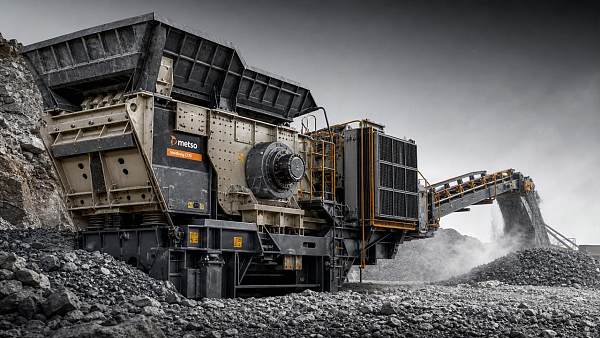
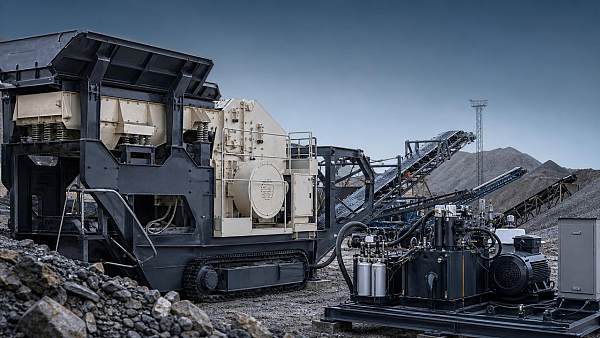
Primary crushers handle large feed sizes and need to be tough, accessible, and resistant to unplanned stoppages. A blocked crusher can stop production quickly.
Screens are equally important because they separate material by size and help avoid recirculation inefficiencies. Poor screening performance can reduce product quality and waste energy.
Operators usually value easy access for liner changes, clear control panels, stable vibration behavior, and systems that help manage dust and material buildup.
In daily practice, the best crushing and screening equipment is not defined only by capacity. It is defined by stable throughput, wear life, and how easily the crew can keep it running.
For sites processing abrasive or variable material, wear management becomes a key factor. Liners, meshes, and other consumables should be easy to inspect and replace.
Conveyors and support systems keep production continuous
Many people focus on the big machines, but daily mining performance often depends on support systems such as conveyors, pumps, compressors, generators, and water control equipment.
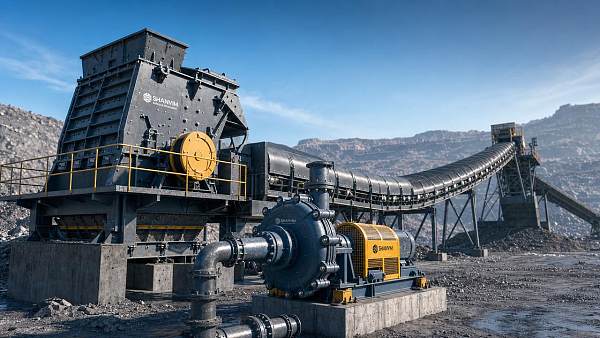
Conveyors are especially important where continuous movement is needed. Misalignment, belt damage, or transfer point blockages can cause hidden losses across the whole plant.
Pumps also matter more than many users expect. In wet conditions, poor dewatering can slow access roads, weaken ground conditions, and disrupt drilling, loading, and hauling.
Compressed air systems, power supply units, and dust suppression systems are not always seen as production heroes, but they often determine whether core machines can perform properly.
Operators benefit when these systems are simple to inspect and monitor. Clear alarms, accessible components, and predictable maintenance intervals reduce stress during busy shifts.
Safety features are not optional when choosing mining equipment
For users and operators, safety is not a separate issue from productivity. Safer equipment usually supports better concentration, smoother operation, and fewer costly interruptions.
Important safety features include visibility aids, proximity detection, stable access ladders, emergency shutoff systems, fire suppression, brake monitoring, and rollover protection where required.
Cabin ergonomics also deserve attention. A comfortable seat, low vibration, good climate control, and intuitive controls help reduce fatigue and improve operating consistency.
On rough sites, fatigue can become a hidden production risk. Tired operators make more errors, react slower, and may use equipment less efficiently over the full shift.
When comparing equipment, users should ask a practical question: does this machine help the operator stay alert, safe, and productive for the entire workday?
How operators can judge equipment value beyond the brochure
Manufacturers often highlight horsepower, payload, capacity, and digital features. These are useful, but daily users should look deeper at real operating behavior.
Start with cycle efficiency. How quickly does the machine perform its main task without sacrificing control, safety, or component life?
Next, evaluate reliability under actual site conditions. Dust, heat, mud, vibration, steep grades, and inconsistent material can expose weaknesses that do not appear in standard specifications.
Then consider maintenance practicality. If routine checks are difficult, crews may lose time or skip small inspections that later become major failures.
Fuel efficiency and tire or wear-part life also matter because they affect total operating cost every day, not just purchase price during procurement.
Finally, ask whether local parts supply and service support are strong enough. Even excellent machines become risky assets if repairs take too long.
What equipment combinations work best in different mining scenarios?
No single machine category matters most in every mine. The answer depends on whether the site is surface or underground, hard rock or softer material, short haul or long haul.
In surface mines with truck-and-shovel systems, excavators, wheel loaders, and haul trucks usually dominate daily production value.
In drill-and-blast environments, drill rigs become more critical because fragmentation quality shapes everything that follows, from digging difficulty to crusher throughput.
In processing-heavy operations, crushers, screens, feeders, and conveyors may have the strongest influence because any interruption quickly affects total plant output.
In wet or remote environments, support systems such as pumps, generators, and field service vehicles can become just as important as primary production machines.
That is why the right Industrial & Manufacturing equipment for mining industry planning should focus on system fit, not individual machine popularity.
Common mistakes when selecting mining equipment
One common mistake is choosing equipment based only on maximum capacity. Oversized machines can waste fuel, create traffic issues, and perform poorly in tight operating spaces.
Another mistake is ignoring pass match between loaders and trucks. Poor matching increases waiting time, underloading, and wear from inefficient loading patterns.
Some sites also underestimate maintenance access. Machines that are hard to inspect often suffer from avoidable downtime and delayed servicing.
Another major issue is buying equipment unsuited to actual ground, haul road, or weather conditions. Performance on paper does not guarantee performance on site.
Finally, companies sometimes underinvest in operator training. Even advanced equipment loses value if operators do not understand best practices, machine limits, or warning signs.
What users and operators should prioritize when making decisions
If you work directly with mining machinery, focus on five practical priorities: reliability, safety, machine fit, ease of maintenance, and real shift productivity.
Reliability comes first because daily operations depend on steady performance more than occasional peak output. A machine that starts every shift has real value.
Safety follows closely because operator confidence affects both performance and risk. Equipment should help users work accurately, not fight the machine all day.
Machine fit means the equipment must match material type, loading pattern, road condition, processing target, and site space limitations.
Ease of maintenance matters because mining equipment lives in harsh conditions. Faster inspections and repairs mean more operating hours and lower disruption across the site.
Finally, judge productivity at the system level. The best machine is the one that improves the full production chain, not just its own isolated output figure.
Conclusion
So, what mining equipment matters most in daily operations? The answer is the equipment that keeps the mine moving safely and consistently from face to plant.
For many operations, loaders, excavators, and haul trucks are the daily backbone. But drilling equipment, crushers, screens, conveyors, and support systems can be equally critical depending on site conditions.
For users and operators, the smartest approach is to look beyond headline specifications and focus on reliability, safety, maintenance access, machine matching, and full-process efficiency.
When Industrial & Manufacturing equipment for mining industry needs is selected with real operating conditions in mind, productivity improves, downtime falls, and teams work with greater confidence every shift.
Recommended News
![]() May 23, 2026What sets a strong equipment supplier in Germany apartIndustrial & Manufacturing equipment supplier in Germany: learn how top suppliers stand out through certified quality, resilient delivery, and long-term service support for safer, smarter buying decisions.
May 23, 2026What sets a strong equipment supplier in Germany apartIndustrial & Manufacturing equipment supplier in Germany: learn how top suppliers stand out through certified quality, resilient delivery, and long-term service support for safer, smarter buying decisions.![]() May 23, 2026How an industrial database improves manufacturing researchIndustrial database for manufacturing helps researchers compare suppliers, track trends, and reduce sourcing risk faster. Discover how it turns complex industrial data into smarter decisions.
May 23, 2026How an industrial database improves manufacturing researchIndustrial database for manufacturing helps researchers compare suppliers, track trends, and reduce sourcing risk faster. Discover how it turns complex industrial data into smarter decisions. May 23, 2026How to vet a buyers directory for construction projectsIndustrial buyers directory for construction: learn how to verify data quality, buyer relevance, and transparency to reduce sourcing risk and find better project opportunities.
 May 23, 2026How reliable are industrial suppliers in Germany todayIndustrial suppliers in Germany remain a trusted sourcing option, but reliability now depends on delivery, compliance, financial strength, and digital responsiveness. Learn what buyers should verify before choosing.
![]() May 23, 2026Mining equipment choices often fail on lifecycle costIndustrial & Manufacturing equipment for mining industry choices often fail when buyers ignore lifecycle cost. Discover how to cut downtime, energy waste, and total ownership risk.
May 23, 2026Mining equipment choices often fail on lifecycle costIndustrial & Manufacturing equipment for mining industry choices often fail when buyers ignore lifecycle cost. Discover how to cut downtime, energy waste, and total ownership risk. May 23, 2026How to read an Industrial machinery price list without mistakesIndustrial & Manufacturing machinery price list guide: learn to spot hidden costs, compare suppliers fairly, and approve equipment purchases with greater confidence.
![]() May 23, 2026What matters most in a manufacturing directory with OEM suppliersManufacturing directory with OEM suppliers: learn how to compare verified capabilities, compliance, customization, and supply continuity to source smarter and reduce risk.
May 23, 2026What matters most in a manufacturing directory with OEM suppliersManufacturing directory with OEM suppliers: learn how to compare verified capabilities, compliance, customization, and supply continuity to source smarter and reduce risk. May 22, 2026What problems can automation solutions solve first?Industrial & Manufacturing automation solutions solve labor pressure, quality issues, bottlenecks, and visibility gaps first. Learn where to start for faster ROI and measurable gains.
 May 22, 2026What mining equipment lasts longer under harsh site use?Industrial & Manufacturing equipment for mining industry buyers: discover which machines last longer under harsh site use, and how design, sealing, wear materials, and maintenance reduce downtime.
 May 21, 2026When do automation solutions pay off in manufacturingIndustrial & Manufacturing automation solutions pay off when labor, quality, and throughput gains outweigh total costs. Learn how finance teams can assess ROI, risks, timing, and faster-return automation options.
 May 21, 2026How to compare machinery price lists without mistakesIndustrial & Manufacturing machinery price list comparison made simple. Learn how to avoid hidden costs, compare quotes by scenario, and choose equipment with confidence.
 May 21, 2026Why mining sites need tougher industrial equipmentIndustrial & Manufacturing equipment for mining industry must withstand dust, shock, and nonstop duty. Discover how tougher equipment cuts downtime, improves safety, and lowers lifecycle cost.
 May 20, 2026When automation solutions bring real factory gainsIndustrial & Manufacturing automation solutions deliver real factory gains in efficiency, quality, and resilience. Learn where to start, what KPIs matter, and how to turn automation into measurable ROI.
 May 20, 2026How IoT integration helps farms reduce water wasteIoT integration for smart agriculture helps farms reduce water waste with real-time soil, weather, and system data—improving irrigation precision, crop health, and sustainability.
 May 20, 2026Why machinery price lists rarely reflect final costIndustrial & Manufacturing machinery price list figures rarely show the true budget. Learn the hidden cost drivers, compare quotes smarter, and avoid expensive procurement surprises.
 May 20, 2026Are mining machines worth upgrading for safer output?Industrial & Manufacturing equipment for mining industry: discover when machine upgrades improve safer output, cut downtime, and raise ROI with a practical checklist.
![]() May 19, 2026When do automation solutions deliver real factory gains?Industrial & Manufacturing automation solutions deliver real factory gains when strategy, data, and process discipline align—discover where automation boosts uptime, quality, and resilience fastest.
May 19, 2026When do automation solutions deliver real factory gains?Industrial & Manufacturing automation solutions deliver real factory gains when strategy, data, and process discipline align—discover where automation boosts uptime, quality, and resilience fastest.![]() May 19, 2026What mining equipment matters most in daily operations?Industrial & Manufacturing equipment for mining industry success starts with the right loaders, trucks, drills, and crushers. Learn what drives safer output and lower downtime.
May 19, 2026What mining equipment matters most in daily operations?Industrial & Manufacturing equipment for mining industry success starts with the right loaders, trucks, drills, and crushers. Learn what drives safer output and lower downtime. May 18, 2026Which automation solutions scale without disrupting outputIndustrial & Manufacturing automation solutions that scale without disrupting output—learn how to boost capacity, protect throughput, and choose low-risk automation paths for resilient growth.
 May 18, 2026What IoT integration fixes first in industrial automationIoT integration for industrial automation fixes disconnected machines, delayed reporting, downtime, and traceability gaps first—see where to start for faster, measurable gains.
 May 18, 2026What mining equipment failures cause the highest downtime?Industrial & Manufacturing equipment for mining industry: discover which failures cause the highest downtime, from engines to conveyors, and learn smart ways to cut costly shutdowns.
 May 17, 2026How IoT integration can scale without creating citywide riskIoT integration solutions for smart cities help scale connected infrastructure securely. Discover how cities can reduce cyber risk, improve resilience, and expand services with confidence.
 May 17, 2026Why automation solutions fail without process clarity firstIndustrial & Manufacturing automation solutions fail when processes lack clarity. Learn how defined workflows, ownership, and KPIs turn automation into measurable growth.
 May 17, 2026How mining equipment choices affect uptime and safetyIndustrial & Manufacturing equipment for mining industry choices directly impact uptime, safety, and costs. Learn how smarter selection improves reliability and reduces risk.