


Search News
Global Industrial Intelligence Hub (GIIH)Industry Portal
Global Industrial Intelligence Hub (GIIH)Status
Standard Access
Upgrade to PremiumNewsAre aftermarket car replacement parts cheaper than OEM parts?
Time
Click Count
Aftermarket car replacement parts are often cheaper than OEM parts, but the lowest price does not always mean the best value.
Your car replacement parts price can vary depending on the brand, quality, warranty, and installation costs. Comparing the complete repair quote is essential.
Before choosing a replacement, it is worth understanding how aftermarket and original equipment manufacturer (OEM) parts compare in fit, reliability, and long-term cost.
This guide helps you weigh the trade-offs and make a confident decision for your vehicle and budget, whether you are comparing quotes or planning a repair.
Are aftermarket parts actually cheaper than OEM parts?
Usually, yes. Aftermarket parts are commonly priced below equivalent parts sold through a vehicle manufacturer’s authorized network, although the difference varies considerably.
Independent manufacturers compete across multiple price levels, and some produce parts for many vehicle brands. That competition can give drivers more choices.
However, some premium aftermarket components cost as much as or more than OEM parts. Availability, shipping, local taxes, and workshop pricing also affect the final bill.
The best comparison is between specific parts for your exact vehicle, including installation and warranty. A lower shelf price alone does not guarantee a cheaper repair.
What is the difference between aftermarket and OEM parts?
OEM replacement parts are sold under the vehicle manufacturer’s brand or through its authorized supply network. They are intended to match the manufacturer’s specifications.
An aftermarket part is sold outside that vehicle manufacturer’s branded parts network. It may be designed as a direct replacement or offer different performance characteristics.
A company that supplies a component for a new vehicle may also sell a similar part under its own brand. Similar does not always mean identical.
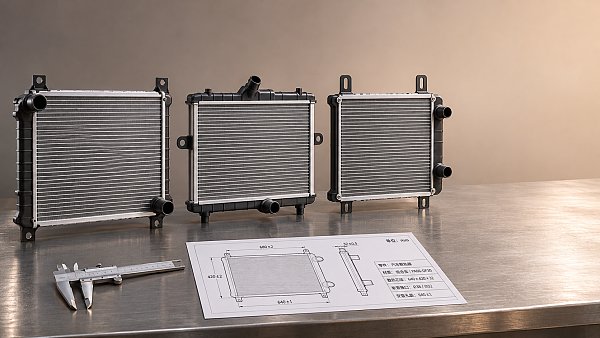
Check the part number and specifications instead of assuming two products are interchangeable. Materials, included hardware, calibration requirements, and warranty terms can differ.
How much can you save with aftermarket car parts?
There is no dependable discount that applies to every repair. Savings depend on the component, vehicle age, supplier, location, and the particular products being compared.
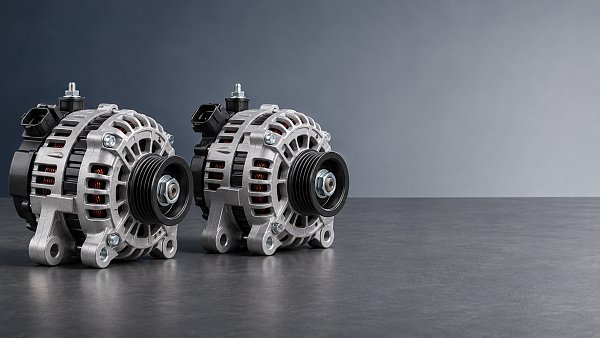
For illustration, imagine an OEM alternator costs $400 and a suitable aftermarket alternative costs $250. The aftermarket part saves $150 before installation and other charges.
If both options require $200 in labor, the estimated totals become $600 and $450. The part is cheaper, but the total repair saving is smaller proportionally.
These figures are hypothetical, not market averages. Ask for current written quotes for your vehicle, including taxes, diagnostic fees, and any required programming.
Also check whether a quote includes a core charge. This refundable deposit may apply to components such as alternators and is returned when the old unit qualifies.
A cheap part can become expensive if it fails early and the warranty excludes labor. Consider the likely cost of replacing it again, not just today’s price.
What affects the total car replacement parts price?
The part itself is only one part of the bill. A useful estimate separates the component price from labor, additional materials, taxes, and any diagnostic work.
Vehicle details: Make, model, year, engine, trim, and production date can change compatibility. Less common vehicles may have fewer competing suppliers.
Part quality: Budget, standard, and premium alternatives can use different materials or manufacturing processes. A higher price can reflect better construction, but it is not proof.
Labor time: A low-cost component may still be expensive to replace if access is difficult. Ask whether the quoted labor time includes removal and reassembly.
Extra work: Some repairs require fluids, seals, fasteners, software configuration, or sensor calibration. Confirm which items are included before approving the work.
Availability: Shipping fees, urgent orders, and limited local stock can erase an apparent saving. Ask when the part will arrive and whether delivery is included.
Workshop policies: A shop may charge a different labor rate or offer a different warranty when you supply the part. Get those conditions in writing.
When is an aftermarket part a good choice?
Aftermarket parts can be a practical choice when a reputable supplier offers a compatible product with clear specifications and a warranty that suits the repair.
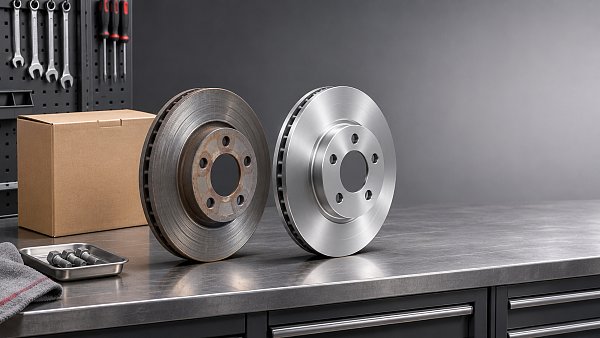
Common maintenance items, such as filters, wiper blades, and some brake components, often have multiple alternatives. Compare the manufacturer’s requirements and the specific product’s credentials.
For an older car with a modest market value, a well-made aftermarket part may keep repair costs reasonable. The component must still meet applicable safety requirements.
Aftermarket products can also be useful when an OEM part is unavailable or takes too long to obtain. Confirm compatibility and delivery before committing.
Some aftermarket parts are designed for a particular use, such as towing or performance driving. Make sure any claimed benefit suits your vehicle and driving conditions.
Ask your mechanic which brands they have installed successfully on your model. Their experience can help narrow the choice, although it cannot guarantee a particular part’s life.
When might an OEM part be worth the extra cost?
OEM parts can be attractive when exact fit, specified performance, and support through an authorized network matter more to you than the lowest initial price.
For complex electronics, sensors, and modules, compatibility and software requirements deserve particular attention. An aftermarket option may work, but verify programming and calibration beforehand.
Body panels, lighting assemblies, and trim may differ in fit or finish between suppliers. Ask the repairer how a proposed alternative compares for your specific vehicle.
For safety-critical repairs, choose a part that meets the correct specifications and applicable standards, and use a qualified installer. OEM is one option, not an automatic guarantee.
If your vehicle is under warranty, review the warranty terms and local consumer protections before deciding. Keep records of maintenance, parts, and completed repairs.
An OEM part may also make sense when the price difference is small after labor. Paying slightly more for a well-supported component can simplify a difficult decision.
How can you tell whether an aftermarket part is reliable?
Start with the exact part number and your vehicle identification number, or VIN. Ask the seller or repairer to confirm compatibility with your vehicle’s configuration.
Choose a recognizable manufacturer or a supplier that provides traceable product information. Be cautious when the listing has no clear brand, specifications, or return address.
Look for relevant certifications or test claims where available, and check what they actually cover. A certification for one product does not automatically cover every item.
For collision repairs, certain replacement parts may carry independent certification, such as CAPA certification in the United States. Verify the specific part in the certifier’s listings.
Read warranty conditions before ordering. Check the coverage period, exclusions, claim process, and whether the warranty covers labor, shipping, or only the replacement component.
Check the seller’s return policy, particularly for electrical parts or items that have been installed. Confirm who pays return shipping if the part does not fit.
Reviews can reveal recurring fitment or service problems, but they should support your decision rather than replace specifications and advice from a qualified technician.
Will aftermarket parts affect your car warranty or insurance?
An aftermarket part does not automatically invalidate every vehicle warranty, but the legal rules and contract terms depend on where you live and the coverage involved.
In the United States, the Federal Trade Commission explains that manufacturers generally cannot automatically void warranty coverage simply because an aftermarket part was used.
However, damage caused by an aftermarket part or improper installation may not be covered. The part itself and the vehicle warranty can also have separate terms.
For insurance repairs, your policy, local law, and the insurer’s estimate may determine which parts are proposed and what alternatives you can request.
Before authorizing a repair, ask your insurer and shop whether the estimate uses new OEM, aftermarket, recycled, or remanufactured parts, and how any price difference is handled.
Keep the written estimate, invoice, part numbers, and warranty documents. They can help if you need to discuss a later claim or repair issue.
How do used and remanufactured parts compare?
Used parts come from another vehicle and are typically sold without being restored to new condition. Their price and remaining life depend on condition and history.
They can be useful for hard-to-find body panels or interior trim. Ask about damage, compatibility, inspection, return rights, and whether the quoted price includes shipping.
Remanufactured parts are disassembled and restored through a defined process, with components replaced or reconditioned as needed. The exact process varies by supplier and product.
A remanufactured alternator or starter may offer a lower upfront cost than a new unit, but compare warranty coverage and possible core charges before buying.
For either option, ask your mechanic whether the part is appropriate for the repair. Installation costs may outweigh savings if the component’s condition is uncertain.
How to compare repair quotes and avoid surprise costs
Request itemized quotes from reputable repairers using the same vehicle information and repair scope. Ask each shop to identify the brand and part number.
Confirm whether the proposed parts are new OEM, new aftermarket, used, or remanufactured. Similar descriptions can conceal meaningful differences in condition and warranty.
Compare the full amount you expect to pay, including labor, diagnostics, supplies, taxes, shipping, and any refundable core charge. Ask which figures are estimates.
Check whether further work could be needed once the car is inspected. Request a call and an updated estimate before the shop proceeds with additional repairs.
Ask who handles a warranty claim if the component fails. A shop-supplied part may come with different support from one you purchase and bring yourself.
If one quote is much lower, ask what explains the difference. It may use a different part, omit necessary work, or simply reflect a better price.
Frequently asked questions
Are aftermarket parts always lower quality?
No. Aftermarket quality ranges from inexpensive products with limited documentation to components made by established suppliers. Assess the specific manufacturer, specifications, and warranty.
Can I buy my own replacement part and ask a mechanic to install it?
Some shops allow customer-supplied parts, while others do not. Confirm fitment responsibility, labor charges, return arrangements, and warranty coverage before purchasing.
Is the cheapest option suitable for brakes or suspension?
Price alone is a poor basis for choosing safety-critical components. Select a part that meets the vehicle’s requirements and applicable standards, and use a qualified installer.
Should I choose OEM parts for an older car?
It depends on the repair, available alternatives, and how long you plan to keep the vehicle. Compare complete quotes and prioritize compatibility and dependable support.
Making the right choice for your budget
Aftermarket car replacement parts are often cheaper, but the best value depends on the complete repair: component quality, correct fit, labor, warranty, and expected service life.
Start with two itemized quotes for your specific vehicle. Choose a reputable aftermarket part when it meets your needs, or pay more for OEM when its benefits justify the difference.
Next :NoneRecommended News
 Nov 14, 2026Are aftermarket car replacement parts cheaper than OEM parts?Compare car replacement parts price options for aftermarket and OEM repairs. Discover how quality, labor, and warranties affect the total cost.
 Nov 09, 2026How to check if aftermarket parts in Singapore fit your carBuying aftermarket parts in Singapore? Learn how to check fitment, verify part numbers and ask suppliers the right questions before you buy.
 Nov 06, 2026How to verify fitment for aftermarket parts in the Middle EastVerify fitment for aftermarket parts for Middle East markets with VIN checks, OEM cross-references and supplier evidence. Reduce costly ordering errors.
 Oct 16, 2026How vehicle age shapes demand in Saudi Arabia's automotive aftermarketAutomotive aftermarket Saudi Arabia insights: discover how vehicle age, mileage, and climate shape parts demand—and identify profitable segments for smarter inventory and investment.
 Sep 30, 2026When do long life aftermarket parts lower total maintenance costs?Long life aftermarket parts can cut total maintenance costs when they reduce downtime, labor, and repeat failures. Learn how to evaluate TCO, durability evidence, and supply risk.
 Sep 26, 2026When do aftermarket shock absorbers need replacement?Aftermarket shock absorbers may need replacement when bouncing, leaks, tire cupping, or unstable handling appear. Learn key warning signs and choose the right time to inspect.
 Sep 17, 2026How to verify fitment before buying vehicle specific aftermarket partsVehicle specific aftermarket parts: verify VIN, OEM numbers, fitment details, and installation needs before buying to avoid costly mistakes.
 Sep 16, 2026How Brake Drum Compatibility Impacts Trailer Safety Compliance and Maintenance Intervalssemi trailer spare parts: Discover how brake drum compatibility directly impacts trailer safety compliance, maintenance intervals, and regulatory risk—get expert insights now.
 Sep 09, 2026Evaluating Replacement Brake Drums for BPW Axle Systems: Compatibility, Certification, and Aftermarket Sourcing Riskssemi trailer spare parts: Discover critical risks in sourcing BPW brake drums—compatibility, certification & aftermarket pitfalls revealed.
 Sep 08, 2026Why Semi Trailer Brake Drums Crack: Wear Patterns and PreventionSemi trailer spare parts guide: identify brake drum crack patterns, prevent overheating, and improve wheel-end safety with practical maintenance insights.
 Aug 25, 2026How to vet an aftermarket replacement auto parts supplier for quality consistencyAftermarket replacement auto parts supplier selection starts with proof of quality consistency. Learn how to assess traceability, process control, packaging, and complaint handling before you buy.
 Jul 11, 2026Fleet Aftermarket Service: What to Check in Parts Coverage, Response Time, and WarrantyFleet aftermarket service guide: learn how to evaluate parts coverage, response time, and warranty terms to reduce downtime, control repair costs, and choose a more reliable supplier.
 Jul 10, 2026Replacement Auto Parts USA: How to Verify Fitment, Quality, and Supplier ReliabilityReplacement auto parts USA sourcing made safer: learn how to verify fitment, assess real quality, and spot reliable suppliers before returns, warranty claims, and costly ordering mistakes happen.
 Jul 10, 2026How to Choose Vehicle Accessories for Trucks Based on Load, Terrain, and Daily UseVehicle accessories for trucks should match load, terrain, and daily use. Discover practical tips to choose smarter upgrades for safety, durability, comfort, and long-term value.
 Jul 09, 2026Auto Parts Industry Europe: Key Market Shifts Affecting OEM and Aftermarket BuyersAuto parts industry Europe is shifting fast. Explore key OEM and aftermarket trends, compliance risks, and sourcing strategies shaping smarter buying decisions.
 Jul 08, 2026Aftermarket Engineered Components: When to Choose Replacement Parts Over OEM OptionsAftermarket engineered components can cut downtime, improve service life, and lower total maintenance cost. Learn when replacement parts outperform OEM options.
 Jul 05, 2026Aftermarket Solutions for Vehicle Maintenance: Which Parts and Services Save More Downtime?Aftermarket solutions for vehicle maintenance that cut downtime most: discover which parts, diagnostics, and preventive services deliver faster returns, fewer repeat repairs, and smarter fleet savings.
 Jul 05, 2026Replacement Auto Parts USA Market: How Distributors Compare Demand by CategoryReplacement auto parts USA market trends by category: compare brakes, filters, sensors, collision parts, and batteries to spot demand shifts, inventory priorities, and profitable distributor strategies.
 Jul 03, 2026Aftermarket Auto Parts vs OEM Parts: What to Compare Before You BuyAftermarket auto parts vs OEM parts: compare fit, quality, warranty, safety, and long-term value before you buy. Make a smarter parts choice with confidence.
 Jul 02, 2026Replacement Auto Parts Database: What Data Fields Matter Most for Fast Part Matching?Replacement auto parts database essentials: discover the key data fields for faster, more accurate part matching, fewer returns, and smarter sourcing decisions.
 Jul 01, 2026Injection Molded Aftermarket Parts vs OEM: How to Compare Fit, Cost, and Lead TimeInjection molded aftermarket parts vs OEM: compare fit, total cost, and lead time with a practical buyer framework to reduce sourcing risk and make faster purchasing decisions.
 Jun 29, 2026Sourcing Automotive Parts in Europe: OEM, Aftermarket, and Compliance Checks ExplainedAutomotive parts Europe sourcing made simple: compare OEM vs aftermarket, verify supplier credibility, and run compliance checks to reduce risk, protect margins, and buy smarter.
 Jun 28, 2026Auto Parts Quality Standards Explained: Key Certifications, Tests, and Failure RisksAuto parts quality standards explained: learn key certifications, real-world tests, hidden failure risks, and smarter supplier checks to reduce recalls and improve compliance.
 Jun 27, 2026Stamped Aftermarket Parts vs Machined Parts: Which Option Fits Cost and Volume Targets?Stamped aftermarket parts vs machined parts: compare cost, tooling, volume, lead time, and precision to find the best sourcing strategy for margins, supply stability, and long-term value.
{item.publish_time}{item.title}{item.description}