


Search News
Global Industrial Intelligence Hub (GIIH)Industry Portal
Global Industrial Intelligence Hub (GIIH)Status
Standard Access
Upgrade to PremiumNewsCar spare parts demand is shifting toward older models
Time
Click Count
Demand for car spare parts is increasingly shifting toward older models, reshaping the aftermarket for auto parts, car replacement parts, and automotive components. For procurement teams, distributors, and market researchers, this trend highlights new opportunities in high-quality parts, inventory control, logistics management, and supply chain planning as aging vehicles drive sustained demand across traditional and precision engineering-focused segments.
The short answer is yes: demand is moving toward older vehicle models, and for many businesses in the automotive aftermarket, this is no longer a niche pattern but a structural shift. Buyers are holding vehicles longer, repair costs are being weighed more carefully against replacement costs, and workshops are increasingly sourcing components for cars that remain on the road well beyond their original warranty cycle. For procurement professionals, distributors, and commercial analysts, this changes what “fast-moving inventory” looks like and where margin opportunities are likely to appear.
Why demand is shifting toward older car models
Several market forces are pushing spare parts demand away from newer vehicles and toward older fleets. The most important is the rising average vehicle age in many markets. Consumers and fleet operators are keeping cars longer due to higher new vehicle prices, financing pressure, uncertain economic conditions, and longer-lasting vehicle engineering. At the same time, supply constraints over recent years have delayed vehicle replacement cycles, leaving more older units active in daily use.
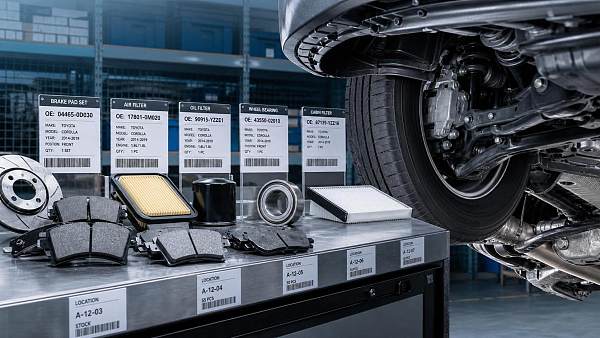
That directly expands demand for car spare parts such as suspension components, brake systems, filters, engine parts, lighting assemblies, steering parts, rubber-metal components, and electrical replacements. Instead of seeing aftermarket growth centered only on recent models, suppliers now face a broader and deeper requirement for aging-vehicle support.
For distributors and sourcing teams, this means older-model SKUs are no longer “slow legacy stock” by default. In many categories, they are becoming reliable revenue lines—especially where vehicle parc size remains high and replacement urgency is strong.
What procurement teams and distributors should pay attention to first
For business buyers, the key question is not simply whether older-model demand exists, but whether it is commercially sustainable. The answer depends on four practical checks:
- Vehicle parc depth: How many units of a model are still active in the target market?
- Failure frequency: Which components fail repeatedly after 5, 8, or 12 years of operation?
- Part standardization: Can one part number cover multiple trims, variants, or regional versions?
- Supply continuity: Are manufacturers still able to deliver stable quality and consistent specifications?
The most attractive older-model opportunities usually sit where installed vehicle volume is still large, OE supply has become less convenient or more expensive, and aftermarket replacement cycles are frequent. This is particularly relevant in wear-and-tear categories and mechanical systems where repair remains more economical than vehicle replacement.
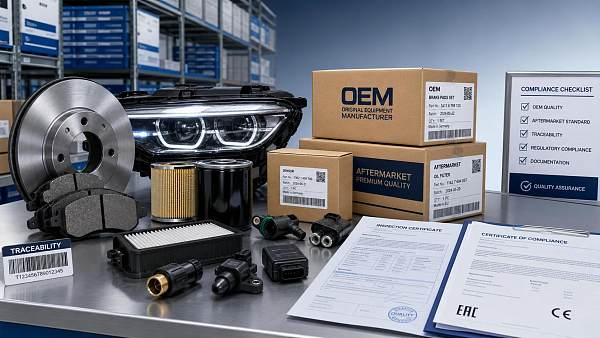
For distributors, another key issue is catalog accuracy. Older cars often involve regional differences, mid-cycle technical revisions, and inconsistent cross-reference data. A demand opportunity can quickly turn into return costs and customer dissatisfaction if fitment validation is weak.
Which spare parts categories are benefiting most from the aging vehicle trend
Not every product line benefits equally. The strongest demand for older vehicles typically concentrates in parts categories tied to regular maintenance, safety, and age-related failure. These include:
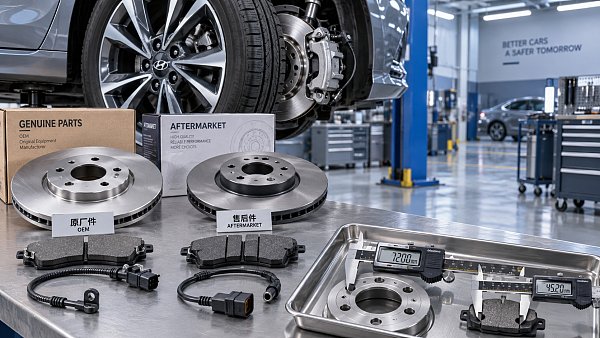
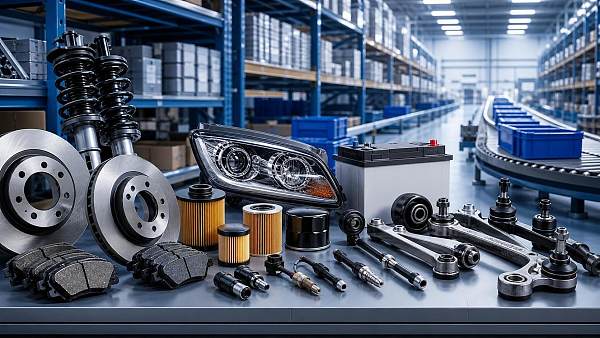
- Brake parts: pads, discs, calipers, hoses, sensors
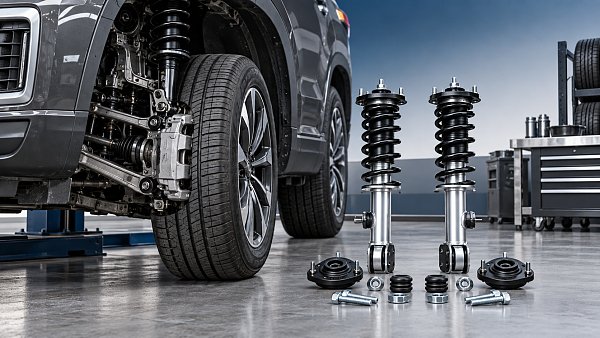
- Suspension and steering: control arms, bushings, shock absorbers, tie rods, ball joints
- Engine maintenance parts: filters, gaskets, ignition components, belts, pumps
- Cooling system components: radiators, thermostats, hoses, fans
- Electrical and electronic replacements: starters, alternators, switches, sensors, lighting modules
- Rubber and sealing components: mounts, seals, boots, weatherproofing parts
In many markets, older vehicles also create rising demand for body-related replacement components and practical repair parts, especially when owners choose to extend usable life rather than restore cosmetic perfection. This creates a split market: premium-quality replacement parts for safety-critical systems, and cost-sensitive alternatives for non-critical applications.
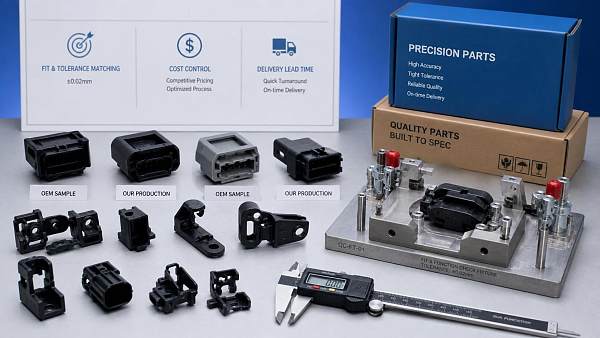
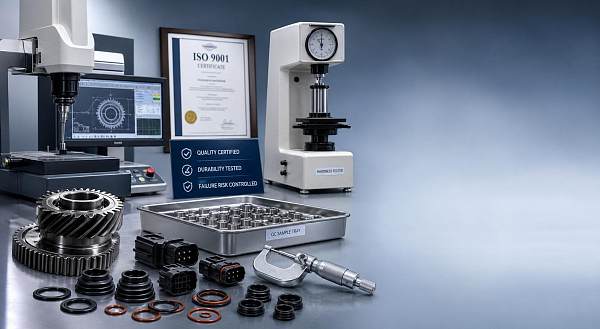
For suppliers in precision automotive parts, the opportunity is especially strong where quality consistency, dimensional accuracy, and reliable metallurgy affect service life. Older vehicles are often less forgiving of poor-quality replacements because wear across connected systems increases installation sensitivity.
How this trend changes inventory strategy
One of the biggest operational mistakes in the aftermarket is assuming that newer models always deserve the highest stocking priority. In the current environment, stocking strategy must be aligned with repair reality, not just model recency.
Aging fleets usually require a more selective long-tail inventory model. That means businesses should avoid carrying every low-volume SKU while still ensuring availability for the part families most likely to move. The best approach is often a layered model:
- Core stock: high-frequency wear parts for widely used older vehicles
- Regional stock: components linked to dominant local brands and models
- On-demand sourcing: lower-frequency parts with acceptable lead times
- Substitution mapping: equivalent parts and cross-brand alternatives where fitment allows
Inventory planning should also reflect repair economics. Older-car owners are often highly price-sensitive, but they are also deadline-sensitive when the vehicle is needed for commuting or commercial use. Stock-outs on essential replacement parts can therefore damage customer loyalty faster than in premium discretionary categories.
What risks buyers should evaluate before expanding into older-model parts
The demand is real, but so are the risks. Older-model spare parts can generate stable business, yet they also require better discipline in product selection and supplier management.
The main risks include:
- Fitment complexity: multiple engine types, trim variations, and production-year changes
- Quality inconsistency: large quality gaps between low-cost and reliable manufacturers
- Forecasting errors: false demand assumptions based on anecdotal workshop feedback
- Obsolescence risk: overstocking very old models with shrinking active vehicle populations
- Return and warranty costs: especially in categories with installation sensitivity
For procurement and commercial assessment teams, the safest route is to evaluate older-model categories through a combined lens: active vehicle population, historical repair cycles, supplier quality performance, and channel feedback from garages and resellers. Businesses that scale on data generally outperform those that scale based only on price competition.
How to identify profitable demand instead of just visible demand
A common trap in the car replacement parts market is confusing “often requested” with “commercially attractive.” Some parts generate frequent inquiries but poor margins, difficult sourcing, or high return rates. The better question is: which older-model components create repeatable, defensible business?
Profitable opportunities typically have these characteristics:
- Large installed base of still-operating vehicles
- Predictable replacement intervals or common failure patterns
- Manageable fitment complexity
- Stable manufacturing standards
- Reasonable gross margin after logistics and returns
- Low reputational risk from quality failure
Distributors and importers should therefore segment demand into three groups: high-volume essentials, medium-volume specialist lines, and opportunistic tail-end products. This allows smarter purchasing, better warehouse utilization, and more disciplined supplier negotiations.
Why supply chain responsiveness matters more in the older-vehicle aftermarket
As demand shifts toward older models, the supply chain becomes more complex rather than simpler. Unlike newer vehicles, where official service channels may still dominate, older vehicles often depend on fragmented aftermarket networks. This places more pressure on distributors, traders, and component manufacturers to maintain accurate product data, flexible replenishment, and consistent lead times.
For international sourcing teams, logistics planning matters as much as unit cost. A lower-priced supplier may become commercially weaker if packaging standards are poor, export lead times are unstable, or technical documentation is incomplete. In older-model segments, a missed shipment can interrupt workshop schedules and push buyers toward more reliable competitors.
This is where structured industrial intelligence becomes valuable. Businesses that track regional vehicle aging trends, service-part turnover, and supplier capability can identify demand before it becomes obvious and avoid reactive purchasing decisions.
What this trend means for market researchers and business evaluators
For information researchers and business assessment teams, the rise in older-model spare parts demand signals a broader market reality: the automotive aftermarket is being driven not only by technological innovation, but also by asset longevity. While electrification and smart mobility remain major themes, internal combustion and legacy-platform parts demand will continue to create substantial commercial value in many markets for years to come.
This makes older-model parts a strategically important segment for competitive benchmarking, sourcing analysis, and channel mapping. It is especially relevant in regions where consumers delay replacement purchases, used-car circulation remains strong, and independent repair networks play a major role.
For wholesalers, agents, and distributors, this is not just a defensive market. It can be an expansion market—if product selection, quality control, and inventory discipline are aligned with real repair demand.
Conclusion: older-model parts demand is a practical growth signal, not just a temporary anomaly
The shift toward older models in car spare parts demand reflects deeper changes in consumer behavior, vehicle ownership cycles, and aftermarket economics. For procurement teams, distributors, and commercial decision-makers, the opportunity lies in understanding which automotive components are truly supported by active vehicle populations and repeat repair demand.
The businesses most likely to benefit will be those that move beyond broad assumptions and focus on evidence-based sourcing, fitment accuracy, category prioritization, and resilient supply chain execution. In a market where aging vehicles remain essential to daily transport and commercial activity, older-model aftermarket parts are no longer secondary—they are becoming a core strategic segment.
Recommended News
 Sep 26, 2026When do aftermarket shock absorbers need replacement?Aftermarket shock absorbers may need replacement when bouncing, leaks, tire cupping, or unstable handling appear. Learn key warning signs and choose the right time to inspect.
 Sep 17, 2026How to verify fitment before buying vehicle specific aftermarket partsVehicle specific aftermarket parts: verify VIN, OEM numbers, fitment details, and installation needs before buying to avoid costly mistakes.
 Sep 16, 2026How Brake Drum Compatibility Impacts Trailer Safety Compliance and Maintenance Intervalssemi trailer spare parts: Discover how brake drum compatibility directly impacts trailer safety compliance, maintenance intervals, and regulatory risk—get expert insights now.
 Sep 09, 2026Evaluating Replacement Brake Drums for BPW Axle Systems: Compatibility, Certification, and Aftermarket Sourcing Riskssemi trailer spare parts: Discover critical risks in sourcing BPW brake drums—compatibility, certification & aftermarket pitfalls revealed.
 Sep 08, 2026Why Semi Trailer Brake Drums Crack: Wear Patterns and PreventionSemi trailer spare parts guide: identify brake drum crack patterns, prevent overheating, and improve wheel-end safety with practical maintenance insights.
 Aug 25, 2026How to vet an aftermarket replacement auto parts supplier for quality consistencyAftermarket replacement auto parts supplier selection starts with proof of quality consistency. Learn how to assess traceability, process control, packaging, and complaint handling before you buy.
 Jul 11, 2026Fleet Aftermarket Service: What to Check in Parts Coverage, Response Time, and WarrantyFleet aftermarket service guide: learn how to evaluate parts coverage, response time, and warranty terms to reduce downtime, control repair costs, and choose a more reliable supplier.
 Jul 10, 2026Replacement Auto Parts USA: How to Verify Fitment, Quality, and Supplier ReliabilityReplacement auto parts USA sourcing made safer: learn how to verify fitment, assess real quality, and spot reliable suppliers before returns, warranty claims, and costly ordering mistakes happen.
 Jul 10, 2026How to Choose Vehicle Accessories for Trucks Based on Load, Terrain, and Daily UseVehicle accessories for trucks should match load, terrain, and daily use. Discover practical tips to choose smarter upgrades for safety, durability, comfort, and long-term value.
 Jul 09, 2026Auto Parts Industry Europe: Key Market Shifts Affecting OEM and Aftermarket BuyersAuto parts industry Europe is shifting fast. Explore key OEM and aftermarket trends, compliance risks, and sourcing strategies shaping smarter buying decisions.
 Jul 08, 2026Aftermarket Engineered Components: When to Choose Replacement Parts Over OEM OptionsAftermarket engineered components can cut downtime, improve service life, and lower total maintenance cost. Learn when replacement parts outperform OEM options.
 Jul 05, 2026Aftermarket Solutions for Vehicle Maintenance: Which Parts and Services Save More Downtime?Aftermarket solutions for vehicle maintenance that cut downtime most: discover which parts, diagnostics, and preventive services deliver faster returns, fewer repeat repairs, and smarter fleet savings.
 Jul 05, 2026Replacement Auto Parts USA Market: How Distributors Compare Demand by CategoryReplacement auto parts USA market trends by category: compare brakes, filters, sensors, collision parts, and batteries to spot demand shifts, inventory priorities, and profitable distributor strategies.
 Jul 03, 2026Aftermarket Auto Parts vs OEM Parts: What to Compare Before You BuyAftermarket auto parts vs OEM parts: compare fit, quality, warranty, safety, and long-term value before you buy. Make a smarter parts choice with confidence.
 Jul 02, 2026Replacement Auto Parts Database: What Data Fields Matter Most for Fast Part Matching?Replacement auto parts database essentials: discover the key data fields for faster, more accurate part matching, fewer returns, and smarter sourcing decisions.
 Jul 01, 2026Injection Molded Aftermarket Parts vs OEM: How to Compare Fit, Cost, and Lead TimeInjection molded aftermarket parts vs OEM: compare fit, total cost, and lead time with a practical buyer framework to reduce sourcing risk and make faster purchasing decisions.
 Jun 29, 2026Sourcing Automotive Parts in Europe: OEM, Aftermarket, and Compliance Checks ExplainedAutomotive parts Europe sourcing made simple: compare OEM vs aftermarket, verify supplier credibility, and run compliance checks to reduce risk, protect margins, and buy smarter.
 Jun 28, 2026Auto Parts Quality Standards Explained: Key Certifications, Tests, and Failure RisksAuto parts quality standards explained: learn key certifications, real-world tests, hidden failure risks, and smarter supplier checks to reduce recalls and improve compliance.
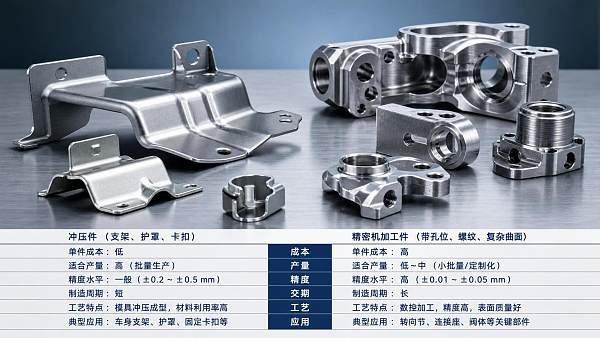
 Jun 27, 2026Stamped Aftermarket Parts vs Machined Parts: Which Option Fits Cost and Volume Targets?Stamped aftermarket parts vs machined parts: compare cost, tooling, volume, lead time, and precision to find the best sourcing strategy for margins, supply stability, and long-term value.
 Jun 25, 2026Diaper Bags Backpack Buying Guide: Features That Matter for Daily Outingsdiaperbagsbackpack buying guide: discover the features that matter most for daily outings, from smart storage and comfort to easy-clean materials and durable design.
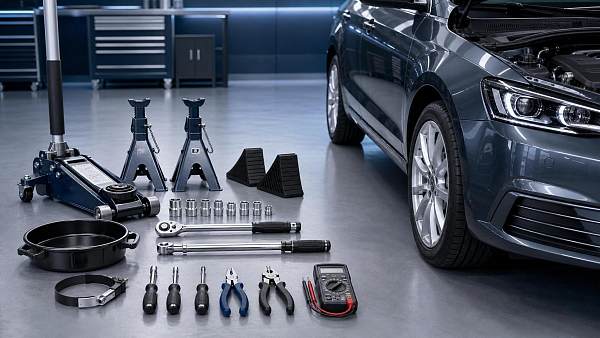
 Jun 23, 2026Car Maintenance Tools Checklist: What to Buy First for DIY Repairs and Routine ServiceCar maintenance tools checklist for DIY beginners: discover what to buy first for safe routine service, oil changes, tire care, and smarter garage upgrades on any budget.
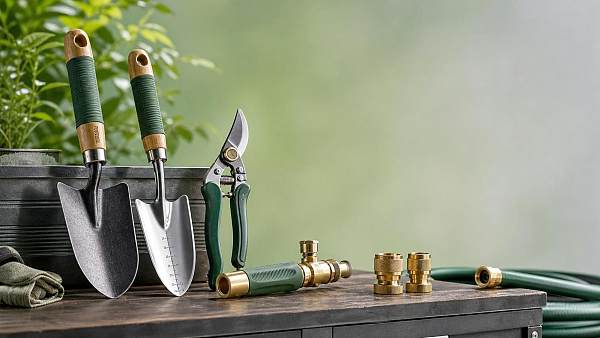
 Jun 22, 2026Outdoor Garden Supplies Buying Guide: How to Identify Durable Tools That Last LongerOutdoor garden supplies durable tools buying guide: learn how to spot stronger materials, smarter design, and long-lasting value before you buy.
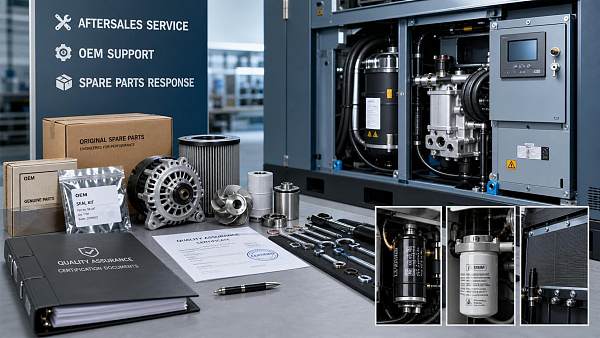
 Jun 20, 2026Aftermarket Service vs OEM Support: What Buyers Should Compare Before SigningAftermarket service can shape uptime, repair costs, and supplier risk more than price alone. Compare OEM support, spare parts, warranty, and response speed before signing.
 Jun 19, 2026Car Replacement Parts: OEM vs Aftermarket, Fitment Risks, and Warranty QuestionsCar replacement parts guide: compare OEM vs aftermarket, avoid fitment risks, and understand warranty questions to choose safer, smarter parts with confidence.