


Search News
Global Industrial Intelligence Hub (GIIH)Industry Portal
Global Industrial Intelligence Hub (GIIH)Status
Standard Access
Upgrade to PremiumNewsChina temporarily bans the export of helium, putting global medical and semiconductor supply chains under pressure
Time
Click Count
On July 10, 2026, the Ministry of Commerce and the General Administration of Customs of China jointly announced the enforcement of a temporary export ban on helium (HS code: 2804290010). This rule change directly affects sectors that are highly dependent on helium, such as MRI equipment maintenance, semiconductor wafer manufacturing, optical fiber drawing and high-end scientific research. Overseas importers, equipment maintenance parties and chip manufacturing-related supply chains all need to re-evaluate procurement and delivery arrangements. The industry's focus has shifted from "whether it is affected" to "how to adjust compliance and stocking strategies." ZXTAG 1Z Helium is clearly targeted for uses such as MRI equipment cooling, semiconductor wafer manufacturing, optical fiber drawing, and high-end scientific research. It is a key rare gas in related industrial chains.

Known impacts include: increased maintenance costs for overseas medical equipment, extended delivery cycles of cryogenic systems in chip factories, and further intensification of the structural shortage of global helium supply. Importers in Europe, the United States, Japan, South Korea, and Southeast Asia were named and needed to immediately evaluate alternative gas sources, inventory strategies, and supplier dependence on helium.
From trade to delivery, multiple links will be rechecked
Direct trade and procurement contracts need to look at the regulatory boundaries first
For trading companies that directly import helium or organize supply around helium, the first to be affected is order fulfillment and customs declaration paths. According to the analysis, such enterprises need to recheck the supply sources, delivery conditions and alternative arrangements in the contract, because the export-side rules have changed and the original procurement plan can no longer be executed according to the conventional path.
Medical maintenance and semiconductor manufacturing are more sensitive to supply stability
For MRI equipment maintenance service providers, hospital equipment managers and semiconductor manufacturing related companies, the impact is mainly reflected in low-temperature system maintenance, spare parts coordination and production line continuity. Observation shows that this type of business is more sensitive to the availability of helium. Once the supply rhythm is disrupted, the delivery cycle and maintenance schedule will be affected.
Alternative gas sources and inventory arrangements will become the focus of procurement documents
For purchasers, supply chain service providers and channel circulation companies, what currently deserves more attention is whether alternative gas sources are available, whether the inventory is sufficient to cover short-cycle fluctuations, and whether suppliers can provide clear dependency instructions. If subsequent bidding documents, procurement specifications or technical terms begin to add relevant requirements, companies will need to simultaneously adjust their quotation, delivery and acceptance arrangements.
In terms of certification and compliance, relevant companies should also pay attention to whether subsequent official statements further clarify enforcement details, especially when it comes to documents, category identification, usage descriptions or trade processes. Any detailed statements may affect actual performance. For export companies and cross-border suppliers, the risk lies not only in the goods themselves, but also in whether after-sales support, quality traceability and delivery commitments can maintain their original levels.
Enterprises should now focus on the execution caliber instead of just looking at the title
First confirm which links in the supply chain rely on helium
From an industry perspective, the first step is not to discuss how big the impact will be, but to break down the dependencies: existing inventory, orders in transit, alternative supply, downstream maintenance needs, and which business scenarios correspond to each. For companies that are highly dependent on helium, gaps in any link will amplify the pressure to fulfill contracts.
Check whether the documents and purchasing conditions need to be updated.
If the company’s original documents involve origin, usage, technical parameters, delivery cycle or description of alternatives, they should review as soon as possible whether they need to be updated. From an analysis point of view, such temporary export restrictions often first change trade behavior and then gradually affect procurement standards and customer acceptance habits. Therefore, synchronized adjustments at the document level cannot lag behind.
Finally, pay attention to the official follow-up statement and market feedback
This information is more suitable to be understood as an enforcement signal that has been implemented, rather than a simple policy discussion. What still needs to be observed is whether there will be more detailed enforcement standards in the future, whether it will affect relevant bidding and maintenance arrangements, and whether there will be more obvious alternative procurement and inventory reallocation in the market.
This is more like a supply chain signal that has taken effect
Taken together, the industry significance of this temporary ban on export management is not an abstract policy statement, but that it has directly changed the boundaries of helium-related trade and delivery. For medical, semiconductor, optical fiber and scientific research-related companies, the current more appropriate understanding is that this is a supply chain signal that has already taken effect. The follow-up focus will be on enforcement details, procurement substitution and market feedback, rather than waiting for abstract judgment.
The scope of public information this article is based on
This article is generated based on the information title, event time and event summary provided by the user, and no additional unverified facts are introduced. Such incidents usually require continuous verification of official announcements, customs and trade authorities information, industry association information, standard organization documents, authoritative media reports and other materials; however, the specific official source link is not provided in the input, and it is still necessary to continue to pay attention to policy details, certification enforcement standards, changes in bidding documents, industry feedback, and company enforcement.
Recommended News
 Sep 10, 2026Do Health Monitoring Devices Need Local Approval Before Import?Do health monitoring devices need local regulatory approval before import? Explore classifications, market access, labels, software, and compliance steps for safer global launches.
 Sep 07, 2026How Often Should Medical Information Systems Be Updated for Compliance?How often should medical information systems be updated for compliance? Explore risk-based update schedules, security patches, access reviews, testing, and audit-ready documentation.
 Sep 01, 2026Is Digital Health Data Interoperable Across Hospital Platforms?Is digital health data interoperable across different hospital platforms? Explore standards, security, workflows, and practical steps for safer connected care.
 Aug 31, 2026How to verify a diagnostic medical equipment manufacturer's quality systemDiagnostic medical equipment manufacturer quality system verification: uncover essential checks for ISO 13485, traceability, CAPA, risk management, and supplier control.
![]() Aug 14, 2026China temporarily bans the export of helium, putting global medical and semiconductor supply chains under pressureChina’s temporary helium export ban is straining global medical imaging and chip supply chains. See how MRI, semiconductor, and logistics teams can adapt fast.
Aug 14, 2026China temporarily bans the export of helium, putting global medical and semiconductor supply chains under pressureChina’s temporary helium export ban is straining global medical imaging and chip supply chains. See how MRI, semiconductor, and logistics teams can adapt fast. Aug 10, 2026FDA Sets eSTAR Filing Rule for China IVD ExportsFDA Sets eSTAR Filing Rule for China IVD Exports: learn how the new FDA eSTAR requirement affects Chinese IVD manufacturers, compliance documents, and U.S. shipment access.
 Aug 09, 2026Patient Monitoring Equipment Research: Which Metrics Matter Most Before You Buy?Patient monitoring equipment research starts with the right metrics. Learn how to compare accuracy, alarms, connectivity, and lifecycle cost before you buy.
 Jul 28, 2026Healthcare Equipment Research in Europe: Key Market Shifts and Buyer SignalsHealthcare equipment research Europe reveals how regulation, procurement, workflow pressure, and service expectations are reshaping buyer decisions across key healthcare markets.
 Jul 11, 2026Compact Medical Technology Solutions for Small Clinics: What to Compare Before BuyingCompact medical technology solutions for small clinics: compare space fit, throughput, connectivity, maintenance, and long-term cost before you buy. Make a smarter, lower-risk equipment decision.
 Jul 10, 2026Medical Technology Solutions Price Guide: What Drives Cost and How to BudgetMedical technology solutions price guide covering key cost drivers, hidden fees, and smart budgeting methods to compare vendors, control total ownership costs, and approve with confidence.
 Jul 09, 2026Medical Supply Chain Risks: How to Prevent Delays in Regulated Device SourcingMedical supply chain risks can cause costly sourcing delays in regulated devices. Learn practical ways to prevent disruption, improve compliance, and keep global procurement moving.
 Jul 08, 2026Medical Device Specification Analysis: Which Performance Parameters Matter Most in Evaluation?Product specification analysis medical devices starts with the parameters that truly affect safety, accuracy, software readiness, and long-term reliability—learn what to prioritize before you evaluate.
 Jul 06, 2026Medical Regulatory for Devices: Which Certifications Matter Before Market Entry?Medical regulatory for devices starts before launch. Learn which certifications—ISO 13485, CE marking, FDA pathways, and risk standards—matter most for faster, safer market entry.
 Jul 03, 2026Category Comparison Under FDA Requirements: How to Evaluate Product Class DifferencesCategory comparison FDA requirements explained: learn how to assess product class differences, avoid costly pathway mistakes, and make faster, smarter regulatory decisions.
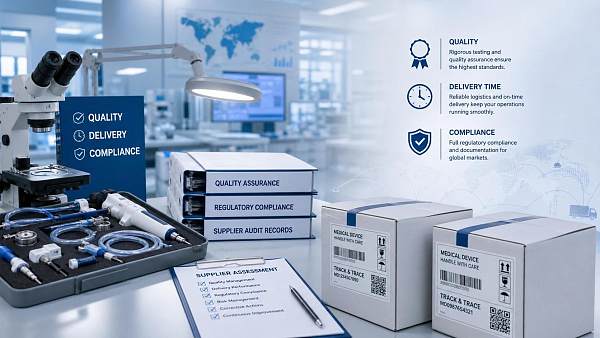
 Jul 02, 2026How to Evaluate a Medical Technology Supplier for Quality, Lead Time, and ComplianceMedical technology supplier evaluation made simple: learn how to compare quality systems, lead time reliability, and compliance readiness to reduce risk and choose with confidence.
 Jul 02, 2026How Diagnostic Medical Equipment Supports Better Care Coordination Across Clinical TeamsDiagnostic medical equipment for care coordination helps clinical teams share data faster, reduce delays, and improve outcomes. See how connected diagnostics strengthen workflow efficiency.
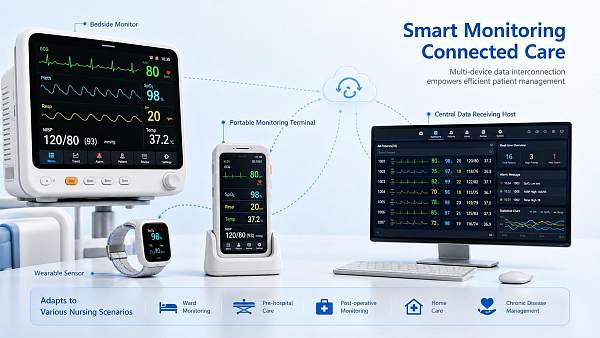
 Jun 28, 2026Healthcare Equipment for Patient Monitoring: How to Choose by Care Setting and Data NeedsHealthcare equipment for patient monitoring: learn how to choose the right solution by care setting, data needs, integration, and lifecycle value for safer, smarter deployment.
 Jun 26, 2026Medical Devices Category Introduction: How Products Are Grouped and Why It MattersMedical devices category introduction: learn how products are grouped, why classifications differ by market, and how smarter category insight improves compliance, sourcing, and global market entry.
 Jun 26, 2026Medical Technology Solutions for Healthcare Facilities: What to Evaluate Before BuyingMedical technology solutions for healthcare facilities: learn what to evaluate before buying, from clinical fit and integration to compliance, vendor support, and total cost.
 Jun 25, 2026Surgical Instruments Materials Compared: Stainless Steel, Titanium, and MoreSurgical instruments materials compared: explore stainless steel, titanium, tungsten carbide, and coatings to improve durability, safety, sterilization performance, and smarter sourcing decisions.
 Jun 25, 2026Diagnostic Medical Equipment for Preventive Care: What Clinics Should PrioritizeDiagnostic medical equipment for preventive care: discover what clinics should prioritize to improve early detection, streamline workflows, control costs, and support long-term growth.
 Jun 23, 2026Hospital Furniture Standards: What to Check for Safety, Hygiene, and Ward UseHospital furniture standards explained: learn what to check for safety, hygiene, load capacity, ward fit, and supplier proof before buying for reliable long-term performance.
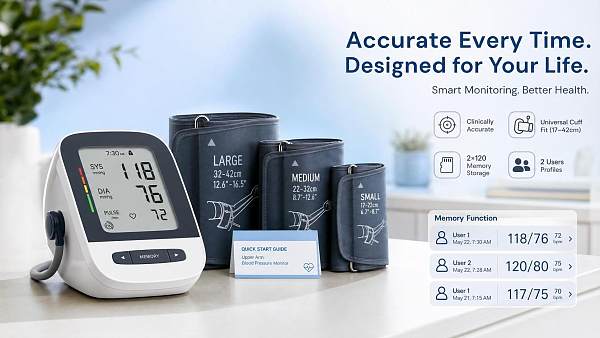
 Jun 22, 2026How to Choose Blood Pressure Monitors for Home Use: Cuff Size, Accuracy, and MemoryBlood pressure monitors for home use vary in cuff size, accuracy, and memory. Learn how to compare features, avoid common mistakes, and choose a reliable monitor with confidence.
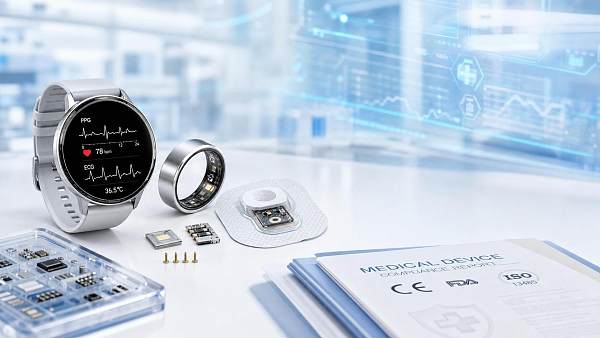
 Jun 20, 2026Wearable Medical Devices: Key Sensors, Data Accuracy, and Regulatory FactorsWearable medical devices explained: explore key sensors, real-world data accuracy, and regulatory factors to compare solutions, reduce risk, and make smarter healthcare decisions.