


Search News
Global Industrial Intelligence Hub (GIIH)Industry Portal
Global Industrial Intelligence Hub (GIIH)Status
Standard Access
Upgrade to PremiumNewsCan Virtual Doctor Visits Replace In-Person Chronic Care?
Time
Click Count
Can Virtual Doctor Visits Replace In-Person Chronic Care?Can virtual doctor visits replace in-person consultations for chronic care? The practical answer is usually no, but well-designed hybrid care can improve access, continuity, monitoring, and patient engagement.
For people managing diabetes, hypertension, heart disease, asthma, arthritis, or mental health conditions, the question is not whether telehealth is universally better.
The more useful question is which appointments can safely move online, which require physical assessment, and how providers should connect both formats into one care plan.
For healthcare leaders and health technology stakeholders, that distinction affects clinical outcomes, staffing models, patient satisfaction, reimbursement, data governance, and long-term investment decisions.
What Patients Actually Need From Chronic Care

Chronic care is not a single consultation. It is an ongoing relationship involving diagnosis review, medication decisions, symptom tracking, lifestyle support, preventive screening, and timely escalation.
Virtual doctor visits can handle many relationship-based and information-driven tasks effectively, especially when patients have stable conditions and reliable access to digital communication tools.
However, chronic disease management often depends on information that cannot be collected fully through a video call, telephone appointment, or online questionnaire alone.
Physical examination findings, laboratory results, imaging, wound inspection, vaccinations, mobility assessments, and device calibration may directly affect diagnosis and treatment safety.
Patients also need confidence that their clinician understands changes in their condition, rather than simply reviewing a checklist or renewing a prescription remotely.
That is why the strongest chronic care model is usually not virtual-only care. It is a coordinated system that assigns each encounter to the appropriate channel.
Virtual care works best when it extends clinical relationships, reduces avoidable travel, and helps patients act sooner between scheduled in-person evaluations.
It works poorly when organizations use it primarily to reduce appointment costs while overlooking patient complexity, diagnostic uncertainty, and the need for hands-on clinical judgment.
When Virtual Visits Deliver Real Value
Telehealth is particularly useful for follow-up appointments where the clinician already knows the patient, the diagnosis is established, and no immediate physical examination is needed.
Medication reviews are a strong example. Patients can discuss side effects, adherence problems, affordability concerns, refill needs, and treatment goals without traveling to a clinic.
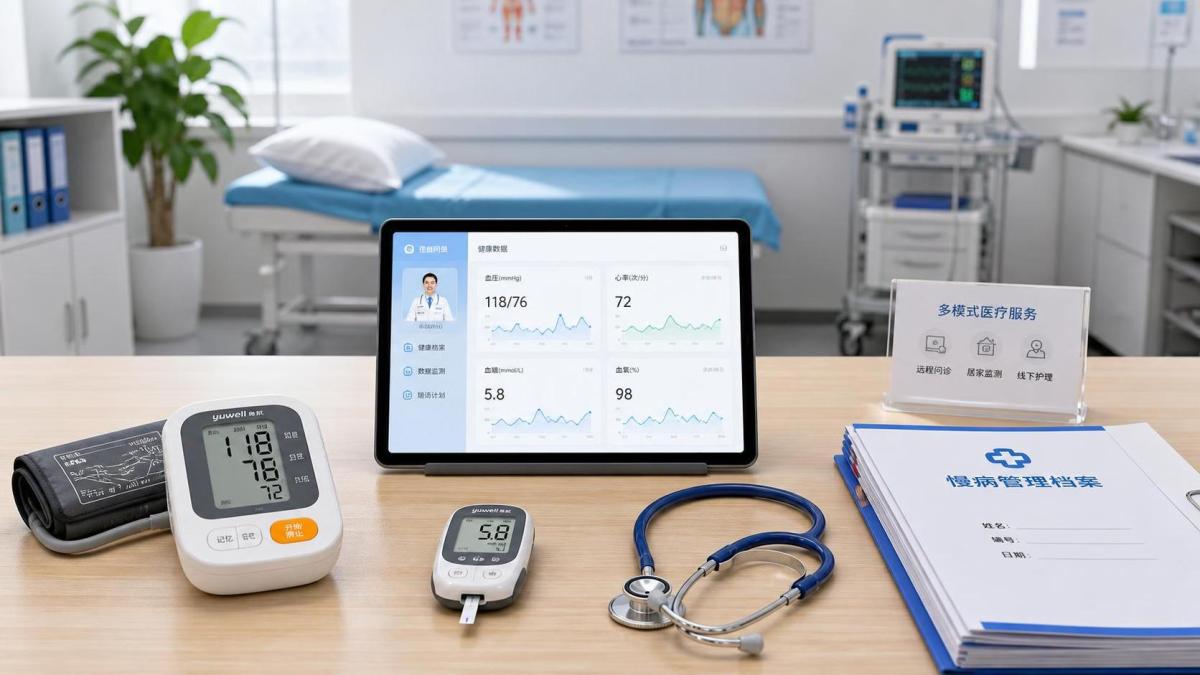
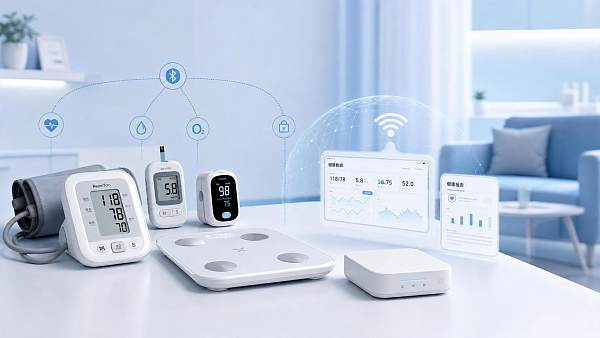
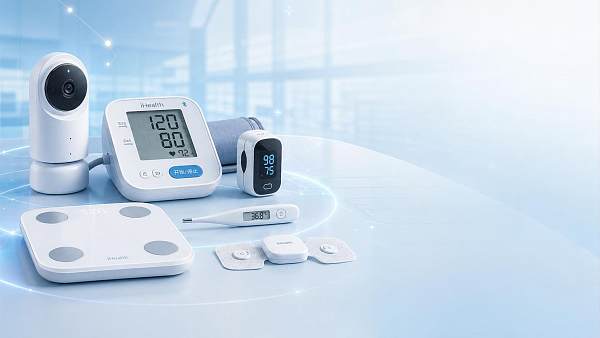
For hypertension management, home blood pressure readings can give clinicians a more realistic picture than occasional measurements taken in an unfamiliar medical setting.
Similarly, patients with diabetes may share glucose readings, nutrition patterns, activity levels, and medication questions through connected devices or structured digital monitoring programs.
Virtual appointments can also support behavioral health, smoking cessation, sleep counseling, nutrition coaching, and education for patients learning to manage a new diagnosis.
Convenience matters clinically. Lower travel burdens can reduce missed appointments, particularly for rural residents, older adults, caregivers, workers, and people with mobility limitations.
Frequent shorter check-ins may help clinicians detect declining adherence or worsening symptoms before they develop into urgent complications requiring emergency treatment.
For organizations, this can create better capacity management by reserving physical clinic rooms and specialist time for patients whose needs genuinely require in-person attention.
Which Chronic Care Situations Still Need In-Person Visits?
Virtual doctor visits should not replace in-person consultations when a patient has new, severe, unexplained, or rapidly changing symptoms that need direct clinical evaluation.
Chest pain, significant shortness of breath, fainting, sudden neurological changes, uncontrolled bleeding, severe infection symptoms, or acute mental health crises require urgent pathways beyond routine telehealth.
Even less dramatic changes may require examination. A clinician may need to listen to the lungs, assess swelling, test sensation, palpate an abdomen, or inspect skin.
Patients with diabetes may need foot examinations, retinal screening referrals, laboratory testing, and assessment of circulation that a typical video appointment cannot reliably provide.
People with chronic obstructive pulmonary disease, heart failure, kidney disease, or complex autoimmune conditions often need periodic objective testing to guide treatment safely.
In-person care is also important when diagnoses remain uncertain. Digital conversations can identify concerns, but they may not provide enough evidence to distinguish similar conditions.
Some patients need physical support during appointments, including people with cognitive impairment, limited digital literacy, language barriers, sensory disabilities, or unstable home environments.
Virtual care should expand options rather than become a barrier that shifts responsibility onto patients who lack devices, connectivity, privacy, or confidence using technology.
Can Virtual Doctor Visits Replace In-Person Consultations for Chronic Care?
Can virtual doctor visits replace in-person consultations for chronic care? For selected routine interactions, they can replace a portion of visits without reducing care quality.
They cannot fully replace the broader clinical system required for safe chronic disease management, especially when treatment decisions depend on examinations, tests, procedures, or multidisciplinary coordination.
The replacement question can be misleading because chronic care quality depends less on visit location than on continuity, evidence, response time, and appropriate escalation.
A video visit without accurate patient data may be less useful than an in-person appointment. Conversely, remote monitoring plus clinical follow-up may outperform infrequent office visits.
The right standard is not digital substitution. It is whether the care model identifies meaningful changes, supports appropriate action, and helps patients meet agreed health goals.
Health systems should therefore define clinical pathways by condition severity, risk level, treatment stage, patient preference, and the availability of reliable measurement data.
A stable patient with controlled blood pressure may alternate virtual and in-person reviews, while a recently hospitalized heart failure patient needs more intensive follow-up and testing.
These decisions should be revisited regularly. A patient suitable for remote management today may need direct assessment after a medication change, symptom flare, or new complication.
How Hybrid Care Models Improve Outcomes
Hybrid care combines virtual visits, in-person appointments, remote monitoring, laboratory services, pharmacy support, and care coordination into a planned patient journey.
Instead of asking patients to choose one format permanently, hybrid models use each channel where it produces the clearest clinical and practical benefit.
A typical pathway may begin with an in-person evaluation, including baseline examination, diagnosis confirmation, laboratory testing, device training, and a shared treatment plan.
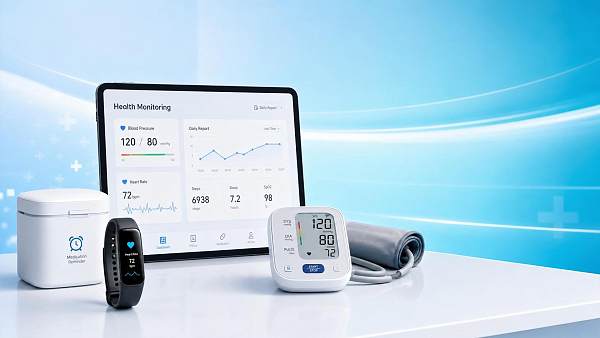
Virtual follow-ups can then address medication adherence, symptom trends, lifestyle adjustments, patient questions, and review of home-generated measurements between scheduled clinic visits.
Periodic in-person reviews maintain diagnostic accuracy and enable preventive services. Their timing should reflect the condition, treatment risk, age, comorbidities, and patient stability.
Care teams also need explicit escalation rules. Patients should know which symptoms require a message, a same-day visit, urgent evaluation, or emergency services.
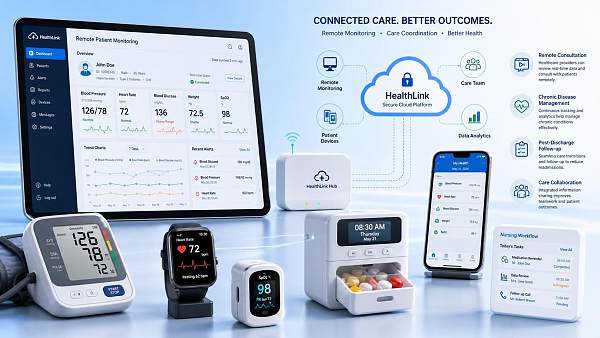
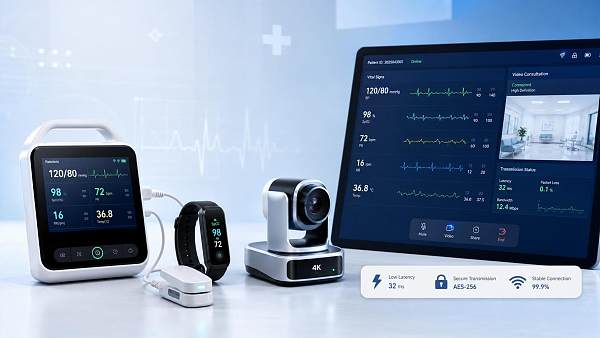
Remote monitoring adds value only when data reach a responsible clinical team, thresholds are meaningful, and someone can respond within an appropriate timeframe.
Collecting large volumes of unreviewed data creates false reassurance. Effective programs focus on actionable information and clear accountability rather than device deployment alone.
What Healthcare Organizations Should Evaluate Before Scaling Telehealth
Healthcare organizations should begin with clinical use cases, not technology features. The first question is where virtual care solves a documented access, capacity, or continuity problem.
Leaders should segment patients by disease complexity, clinical risk, digital readiness, language needs, insurance coverage, and preference rather than applying a uniform virtual-first policy.
Workflow design is equally important. Clinicians need integrated access to medical records, laboratory results, medication histories, remote readings, referral status, and prior visit notes.
Disconnected systems increase administrative work and can hide essential context. A telehealth platform should strengthen the care team rather than create another isolated communication channel.
Organizations should also measure outcomes beyond appointment volume. Relevant indicators include missed-visit rates, control of clinical markers, hospital admissions, medication adherence, patient-reported experience, and equity.
Financial analysis should include staff training, technical support, device logistics, cybersecurity, reimbursement variation, integration costs, and the time required to manage patient messages.
Privacy and data protection deserve direct attention. Patients need understandable consent practices, secure communications, appropriate data access controls, and confidence that sensitive information is protected.
Finally, governance should define clinical responsibility. Every remote measurement, automated alert, and patient message requires clear ownership, documented protocols, and auditable follow-up processes.
Questions Patients Should Ask Before Choosing Virtual Follow-Up
Patients can make better decisions by asking whether their current condition is stable, whether new symptoms are present, and whether the appointment requires an examination or test.
They should ask their clinician how often in-person evaluations remain necessary and what home measurements should be collected before a virtual appointment.
It is helpful to prepare a concise medication list, recent readings, symptom changes, questions, and any relevant photographs requested through a secure clinical process.
Patients should also clarify how to contact the care team after the visit. A virtual appointment is more useful when follow-up instructions are specific and easy to act on.
Technology should not determine care quality. Patients who prefer in-person visits, lack private internet access, or struggle with video platforms should discuss alternative arrangements openly.
Family members and caregivers can sometimes join virtual appointments more easily than office visits, improving shared understanding of medication changes and care responsibilities.
However, patients should avoid delaying urgent care because a virtual slot seems more convenient. Serious or rapidly worsening symptoms need prompt in-person assessment or emergency help.
A productive telehealth experience depends on honest communication. Patients should describe practical barriers, including costs, transportation, medication access, and challenges following the treatment plan.
The Future Is Coordinated Care, Not Virtual-Only Care
Telehealth will remain an important part of chronic disease management because it can make routine care more accessible, responsive, and continuous for many patients.
Its greatest value appears when organizations treat it as one component of a coordinated care system, supported by clinical protocols, reliable data, and patient-centered choice.
For patients, the best format is the one that provides timely attention without compromising necessary examinations, testing, preventive care, or access to trusted clinicians.
For providers, the goal should be better outcomes and stronger continuity, not simply moving as many consultations as possible from clinic rooms to screens.
For health technology and industry stakeholders, the opportunity lies in building interoperable tools that reduce friction while preserving clinical accountability and meaningful human oversight.
Virtual care can replace some chronic care appointments. It cannot replace the clinical judgment, physical assessment, and sustained relationships that complex long-term care still requires.
The most defensible conclusion is clear: use virtual visits deliberately, keep in-person care available when evidence or safety demands it, and design hybrid pathways around patient needs.
Recommended News
 Sep 15, 2026How to assess a digital health vendor’s interoperability before signingAssess a digital health vendor’s interoperability with practical checks for APIs, data quality, security, governance, and real-world clinical workflows before signing.
 Sep 04, 2026How digital clinical technology insights can reduce care delaysDigital clinical technology insights help healthcare teams identify bottlenecks, improve accountability, and reduce care delays with actionable workflow intelligence.
 Sep 06, 2026Can Virtual Doctor Visits Replace In-Person Chronic Care?Can virtual doctor visits replace in-person consultations for chronic care? Discover how hybrid care improves access, monitoring, safety, and long-term outcomes.
 Aug 26, 2026What determines online medical consultation pricing across platformsOnline medical consultation pricing varies by doctor expertise, visit format, speed, regulation, and follow-up. Learn how to compare platforms, spot hidden fees, and choose better-value telehealth care.
 Jul 21, 2026How Remote Healthcare Solutions Improve Access and Care Coordination for ProvidersRemote healthcare solutions help providers expand access, strengthen care coordination, and improve follow-up across settings. See how smarter workflows reduce gaps and support better outcomes.
 Jul 12, 2026How to Calculate Remote Healthcare Technology Total Cost Before DeploymentRemote healthcare technology total cost explained: learn how to calculate deployment, integration, compliance, support, and 3–5 year operating expenses before approval.
 Jul 05, 2026Remote Healthcare Technology Quality Standards: What Buyers Should Verify Before ApprovalRemote healthcare technology quality standards define whether digital care is truly safe, secure, and approval-ready. Discover what buyers must verify before selecting vendors.
 Jul 04, 2026Remote Healthcare Technology for Hospitals: Use Cases, Integration, and ROI FactorsRemote healthcare technology for hospitals: explore top use cases, integration needs, and ROI drivers to help hospital leaders choose scalable, high-impact digital care solutions.
 Jul 03, 2026How to Use Health Insights to Improve Cross-Functional Project CoordinationHealth insights can reveal hidden risks, handoff gaps, and decision delays in cross-functional projects. Learn practical ways to improve coordination, speed response, and reduce costly rework.
 Jul 01, 2026How Remote Healthcare Technology Wireless Systems Support Chronic Care at HomeRemote healthcare technology wireless systems help providers deliver safer chronic care at home with real-time monitoring, early alerts, and better patient support—discover key benefits and use cases.
 Jun 30, 2026Why Low Latency Matters in Remote Healthcare Technology for Monitoring and ConsultsRemote healthcare technology low latency is crucial for safer monitoring and smoother virtual consults. Learn how faster data and alerts improve care quality, workflows, and scaling decisions.
 Jun 29, 2026Medical Technology Solutions for Telehealth: Which Devices Fit Remote Care Workflows?Medical technology solutions for telehealth work best when matched to real care workflows. Learn which devices improve remote monitoring, virtual visits, and post-discharge outcomes.
 Jun 26, 2026Remote Healthcare Technology Digital Therapeutics: Use Cases and Limits in Care DeliveryRemote healthcare technology digital therapeutics explained through real use cases, care delivery limits, and scaling risks. See where adoption creates value and what decision-makers must validate before rollout.
 Jun 24, 2026What Is Healthcare Informatics and How Is It Used in Hospitals and Telehealth?Healthcare informatics powers smarter hospitals and telehealth by connecting data, workflows, and clinical decisions. Discover how it improves care, safety, and coordination.
 Jun 20, 2026Nebulizers for Home Use: Mesh vs Jet vs Ultrasonic and Which One Fits Your NeedsNebulizers for home use compared: mesh, jet, and ultrasonic models explained by noise, portability, cost, and care needs—find the best fit for your routine and breathe easier.
 Jun 14, 2026How to Use Health Insights to Spot Care Gaps, Readmission Risk, and Patient TrendsHealth insights help healthcare teams spot care gaps, identify readmission risk, and track patient trends faster—turning complex data into smarter action, better outcomes, and stronger operational planning.
 Jun 13, 2026Online Medical Consultation vs In-Person Visits: Which Conditions Are Suitable for Each?Online medical consultation explained: discover which conditions are safe for virtual care, when in-person visits are essential, and how to choose the right option quickly and confidently.
 Jun 11, 2026Portable Oxygen Concentrators vs Oxygen Cylinders: Which Option Fits Home and Travel Use?Portable oxygen concentrators vs oxygen cylinders: compare mobility, travel convenience, backup reliability, and long-term cost to find the best oxygen solution for home and travel use.
 Jun 03, 2026Healthcare Informatics in Hospitals: Data Integration, Security, and Workflow Use CasesHealthcare informatics helps hospitals integrate data, strengthen security, and streamline workflows. Explore practical use cases for safer, faster care.
 May 22, 2026Can telemedicine hardware work well in rural areas?Telemedicine hardware for rural areas can deliver reliable care when matched to real-world power, network, and workflow needs. Explore the key checklist for smarter deployment.
 May 21, 2026What matters most in portable telemedicine hardwareTelemedicine hardware portable devices: learn what really matters for selection—clinical accuracy, secure connectivity, interoperability, durability, and lower long-term risk.
 May 20, 2026How telemedicine hardware improves hospital response timeTelemedicine hardware for hospitals helps reduce response time with faster consults, reliable monitoring, and better care coordination. Explore the checklist that helps hospitals choose smarter.
 Apr 16, 2026Healthcare resources gaps that delay care in remote areasExplore healthcare resources gaps delaying rural care, from biotech solutions and water purifier access to sustainable solutions, climate technology, and CO2 reduction strategies.