


Search News
Global Industrial Intelligence Hub (GIIH)Industry Portal
Global Industrial Intelligence Hub (GIIH)Status
Standard Access
Upgrade to PremiumNewsCan telemedicine hardware work well in rural areas?
Time
Click Count
Can telemedicine hardware for rural areas truly deliver reliable care where infrastructure is limited? In many cases, yes—but only when deployment decisions match clinical needs, power conditions, network reality, and service capacity. Telemedicine hardware for rural areas is not a single device purchase. It is a system decision linking diagnostics, connectivity, workflow, maintenance, and measurable return.
For industrial intelligence, healthcare technology, and cross-border supply planning, the real question is not whether remote care is attractive. The practical question is whether telemedicine hardware for rural areas can keep performing under unstable electricity, weak signal coverage, limited technical staff, and long replacement cycles.
Why a Checklist Matters Before Rural Telemedicine Deployment
Rural healthcare projects often fail for predictable reasons. Devices may be clinically capable but too fragile for transport. Platforms may look advanced but require bandwidth that local networks cannot sustain. Spare parts may exist globally yet remain unavailable locally.
A checklist-based review helps compare telemedicine hardware for rural areas across technical, operational, and commercial dimensions. It reduces guesswork, protects capital budgets, and improves long-term care continuity. This approach also supports better supplier screening, clearer pilot metrics, and fewer deployment delays.
Core Checklist for Evaluating Telemedicine Hardware for Rural Areas
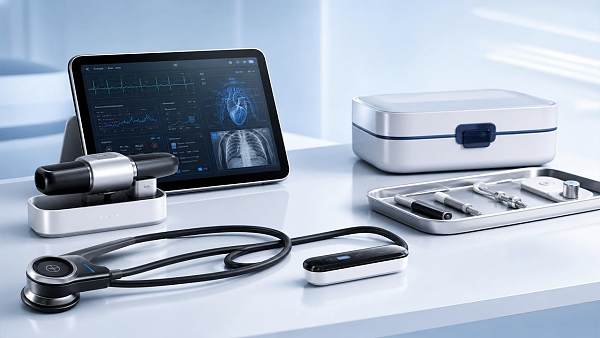
- Confirm clinical fit first. Match cameras, digital stethoscopes, ECG units, imaging peripherals, and vital sign tools to the exact services planned on site.
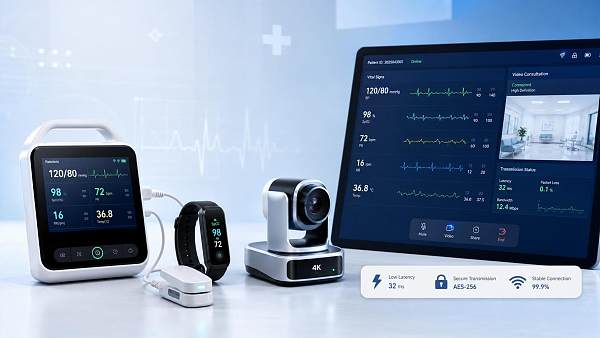
- Test network tolerance. Verify whether the hardware can operate on 3G, 4G, satellite, or intermittent broadband without losing core consultation functions.
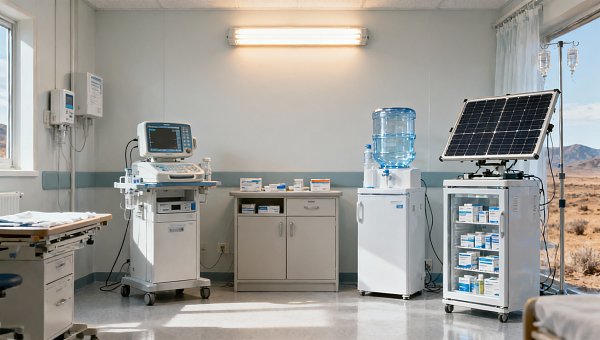
- Check power resilience. Prioritize battery backup, low-energy consumption, surge protection, and compatibility with generators or solar systems in off-grid settings.
- Measure environmental durability. Review dust resistance, heat tolerance, humidity protection, transport safety, and enclosure strength for rough field conditions.
- Audit usability. Choose interfaces that local staff can learn quickly, with simple workflows, multilingual support, and minimal dependence on advanced IT skills.
- Validate interoperability. Ensure telemedicine hardware for rural areas connects with EHR systems, diagnostic software, cloud platforms, and regional referral networks.
- Review cybersecurity controls. Require encrypted transmission, user authentication, access logging, and update mechanisms that work even in low-bandwidth environments.
- Calculate serviceability. Check spare part access, remote troubleshooting, local repair partners, firmware support, and realistic mean time to recovery.
- Compare total cost of ownership. Include training, connectivity fees, consumables, maintenance contracts, replacement cycles, and downtime risks—not just purchase price.
- Run a field pilot. Test telemedicine hardware for rural areas in actual villages before scale-up, using measurable targets for uptime, consultation quality, and patient throughput.
What Works Best in Different Rural Care Scenarios
Primary Care Outposts
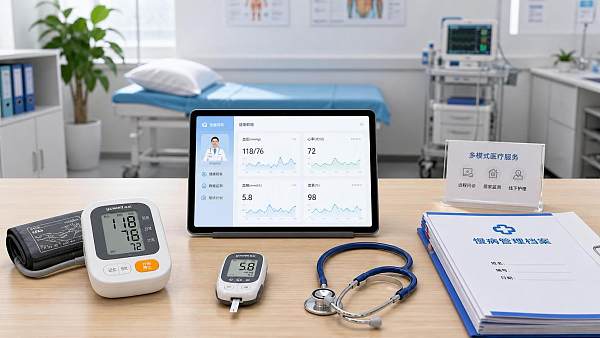
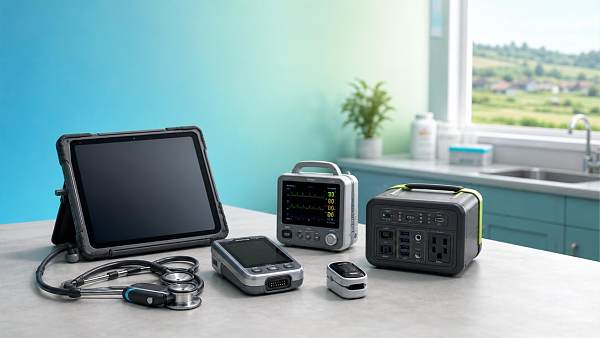
In small clinics, the most effective setup is usually compact and modular. A high-resolution camera, digital examination tools, tablet-based interface, and reliable power backup often deliver better value than complex carts.
Telemedicine hardware for rural areas in primary care should support routine triage, maternal health follow-up, chronic disease monitoring, and referral screening. Portability and ease of cleaning matter as much as technical specifications.
Mobile Health Units
Mobile programs face vibration, weather exposure, and uneven charging conditions. Lightweight devices with rugged casings, quick boot times, and offline data capture tend to perform better on the road.
Here, telemedicine hardware for rural areas must survive transport while maintaining data integrity. Integrated kits reduce setup errors and help standardize care across multiple temporary service points.
Community Health Worker Programs
When care depends on community-based visits, hardware should be simple enough for rapid training. Bluetooth diagnostic tools, durable tablets, and decision-support apps are often more practical than hospital-style equipment.
In this model, telemedicine hardware for rural areas succeeds when it reduces travel barriers and captures usable data at the first touchpoint. Data synchronization after reconnecting is essential.
Emergency and Specialist Referral Links
For urgent cases, image clarity, audio stability, and low-latency transmission become critical. Remote stroke assessment, trauma triage, and neonatal support require higher reliability thresholds than routine consultations.
In these cases, telemedicine hardware for rural areas should be paired with escalation protocols, redundant connectivity, and priority maintenance support. Performance failure here carries direct clinical risk.
Commonly Overlooked Risks
Underestimating Connectivity Gaps
Many deployments assume bandwidth based on urban tests. Rural reality often includes network drops, data caps, and congestion. Hardware that cannot degrade gracefully will create failed sessions and staff frustration.
Ignoring Maintenance Logistics
A strong device specification sheet does not guarantee operating continuity. If calibration, battery replacement, or sensor repair requires cross-border return shipping, uptime can collapse.
Buying for Features Instead of Workflow
Some systems offer broad capability but poor field usability. If login steps, pairing procedures, or data export processes are too complex, actual adoption falls below projected usage.
Missing Regulatory and Data Compliance
Telemedicine hardware for rural areas may cross jurisdictions through cloud hosting, device sourcing, or specialist consultations. Data residency, medical device approvals, and privacy obligations must be reviewed early.
Failing to Budget for Training Refresh
Rural sites may experience staff rotation and uneven digital literacy. One-time onboarding is rarely enough. Periodic refresher training protects utilization and reduces device misuse.
Practical Execution Recommendations
- Start with a service map. Define target conditions, patient volume, referral routes, and consultation types before selecting any hardware bundle.
- Score vendors using a weighted matrix. Include durability, support response, interoperability, network performance, and five-year operating cost.
- Pilot in one difficult site first. If telemedicine hardware for rural areas works under stress, scale-up decisions become more reliable.
- Build local support capacity. Train one on-site super user and establish a spare-parts plan for critical components.
- Track outcomes monthly. Monitor uptime, completed consultations, referral reduction, device failure rates, and patient wait-time improvements.
For organizations comparing international supply options, it is also wise to review import lead times, certification pathways, software localization, and in-country technical partnerships. These factors often influence success more than headline device pricing.
Conclusion: Can Telemedicine Hardware Work Well in Rural Areas?
Yes, telemedicine hardware for rural areas can work well when selection is grounded in field conditions rather than brochure claims. Reliable rural deployment depends on fit-for-purpose diagnostics, resilient power design, bandwidth-aware software, maintainable hardware, and realistic lifecycle budgeting.
The next step is simple: audit one target site, apply the checklist above, and compare vendors against operational evidence. In rural healthcare, sustainable telemedicine value comes from disciplined execution, not just digital ambition.
Recommended News
 Sep 15, 2026How to assess a digital health vendor’s interoperability before signingAssess a digital health vendor’s interoperability with practical checks for APIs, data quality, security, governance, and real-world clinical workflows before signing.
 Sep 04, 2026How digital clinical technology insights can reduce care delaysDigital clinical technology insights help healthcare teams identify bottlenecks, improve accountability, and reduce care delays with actionable workflow intelligence.
 Sep 06, 2026Can Virtual Doctor Visits Replace In-Person Chronic Care?Can virtual doctor visits replace in-person consultations for chronic care? Discover how hybrid care improves access, monitoring, safety, and long-term outcomes.
 Aug 26, 2026What determines online medical consultation pricing across platformsOnline medical consultation pricing varies by doctor expertise, visit format, speed, regulation, and follow-up. Learn how to compare platforms, spot hidden fees, and choose better-value telehealth care.
 Jul 21, 2026How Remote Healthcare Solutions Improve Access and Care Coordination for ProvidersRemote healthcare solutions help providers expand access, strengthen care coordination, and improve follow-up across settings. See how smarter workflows reduce gaps and support better outcomes.
 Jul 12, 2026How to Calculate Remote Healthcare Technology Total Cost Before DeploymentRemote healthcare technology total cost explained: learn how to calculate deployment, integration, compliance, support, and 3–5 year operating expenses before approval.
 Jul 05, 2026Remote Healthcare Technology Quality Standards: What Buyers Should Verify Before ApprovalRemote healthcare technology quality standards define whether digital care is truly safe, secure, and approval-ready. Discover what buyers must verify before selecting vendors.
 Jul 04, 2026Remote Healthcare Technology for Hospitals: Use Cases, Integration, and ROI FactorsRemote healthcare technology for hospitals: explore top use cases, integration needs, and ROI drivers to help hospital leaders choose scalable, high-impact digital care solutions.
 Jul 03, 2026How to Use Health Insights to Improve Cross-Functional Project CoordinationHealth insights can reveal hidden risks, handoff gaps, and decision delays in cross-functional projects. Learn practical ways to improve coordination, speed response, and reduce costly rework.
 Jul 01, 2026How Remote Healthcare Technology Wireless Systems Support Chronic Care at HomeRemote healthcare technology wireless systems help providers deliver safer chronic care at home with real-time monitoring, early alerts, and better patient support—discover key benefits and use cases.
 Jun 30, 2026Why Low Latency Matters in Remote Healthcare Technology for Monitoring and ConsultsRemote healthcare technology low latency is crucial for safer monitoring and smoother virtual consults. Learn how faster data and alerts improve care quality, workflows, and scaling decisions.
 Jun 29, 2026Medical Technology Solutions for Telehealth: Which Devices Fit Remote Care Workflows?Medical technology solutions for telehealth work best when matched to real care workflows. Learn which devices improve remote monitoring, virtual visits, and post-discharge outcomes.
 Jun 26, 2026Remote Healthcare Technology Digital Therapeutics: Use Cases and Limits in Care DeliveryRemote healthcare technology digital therapeutics explained through real use cases, care delivery limits, and scaling risks. See where adoption creates value and what decision-makers must validate before rollout.
 Jun 24, 2026What Is Healthcare Informatics and How Is It Used in Hospitals and Telehealth?Healthcare informatics powers smarter hospitals and telehealth by connecting data, workflows, and clinical decisions. Discover how it improves care, safety, and coordination.
 Jun 20, 2026Nebulizers for Home Use: Mesh vs Jet vs Ultrasonic and Which One Fits Your NeedsNebulizers for home use compared: mesh, jet, and ultrasonic models explained by noise, portability, cost, and care needs—find the best fit for your routine and breathe easier.
 Jun 14, 2026How to Use Health Insights to Spot Care Gaps, Readmission Risk, and Patient TrendsHealth insights help healthcare teams spot care gaps, identify readmission risk, and track patient trends faster—turning complex data into smarter action, better outcomes, and stronger operational planning.
 Jun 13, 2026Online Medical Consultation vs In-Person Visits: Which Conditions Are Suitable for Each?Online medical consultation explained: discover which conditions are safe for virtual care, when in-person visits are essential, and how to choose the right option quickly and confidently.
 Jun 11, 2026Portable Oxygen Concentrators vs Oxygen Cylinders: Which Option Fits Home and Travel Use?Portable oxygen concentrators vs oxygen cylinders: compare mobility, travel convenience, backup reliability, and long-term cost to find the best oxygen solution for home and travel use.
 Jun 03, 2026Healthcare Informatics in Hospitals: Data Integration, Security, and Workflow Use CasesHealthcare informatics helps hospitals integrate data, strengthen security, and streamline workflows. Explore practical use cases for safer, faster care.
 May 22, 2026Can telemedicine hardware work well in rural areas?Telemedicine hardware for rural areas can deliver reliable care when matched to real-world power, network, and workflow needs. Explore the key checklist for smarter deployment.
 May 21, 2026What matters most in portable telemedicine hardwareTelemedicine hardware portable devices: learn what really matters for selection—clinical accuracy, secure connectivity, interoperability, durability, and lower long-term risk.
 May 20, 2026How telemedicine hardware improves hospital response timeTelemedicine hardware for hospitals helps reduce response time with faster consults, reliable monitoring, and better care coordination. Explore the checklist that helps hospitals choose smarter.
 Apr 16, 2026Healthcare resources gaps that delay care in remote areasExplore healthcare resources gaps delaying rural care, from biotech solutions and water purifier access to sustainable solutions, climate technology, and CO2 reduction strategies.