


Search News
Global Industrial Intelligence Hub (GIIH)Industry Portal
Global Industrial Intelligence Hub (GIIH)Status
Standard Access
Upgrade to PremiumNewsCounterfeit risk in aftermarket channels is growing again
Time
Click Count
Counterfeit risk is rising again across the aftermarket, threatening procurement decisions, inventory control, logistics management, and the wider supply chain. For buyers of auto parts, industrial parts, precision parts, and electric vehicle parts such as EV motor, EV battery, and EV accessories, understanding where fake automotive components enter circulation is now essential to protecting quality, margin, and brand trust.
For information researchers, procurement teams, commercial evaluators, and distributors, the issue is no longer limited to obvious knockoffs. The more serious challenge is the growth of “near-authentic” parts that pass initial visual inspection but fail under load, heat, vibration, or duty-cycle stress after 30, 60, or 90 days in service.
In a market shaped by cross-border trade, fragmented sourcing, and fast-moving inventory, counterfeit risk has become a strategic business problem. It affects warranty rates, field failure costs, delivery commitments, and even insurance exposure. This is especially relevant in automotive and EV aftermarket channels, where one weak component can compromise the performance of an entire system.
From the perspective of Global Industrial Intelligence Hub (GIIH), the renewed spread of counterfeit parts is closely linked to supply chain restructuring, pricing pressure, regional stock imbalances, and inconsistent supplier verification. The right response requires both market intelligence and disciplined sourcing controls.
Why counterfeit risk is climbing again in aftermarket supply chains
The current rebound in counterfeit activity is not happening by accident. It is emerging at the intersection of 4 persistent market conditions: volatile freight costs, uneven regional inventory, accelerated replacement demand, and stronger pressure on distributors to maintain service levels even when authorized supply is tight.
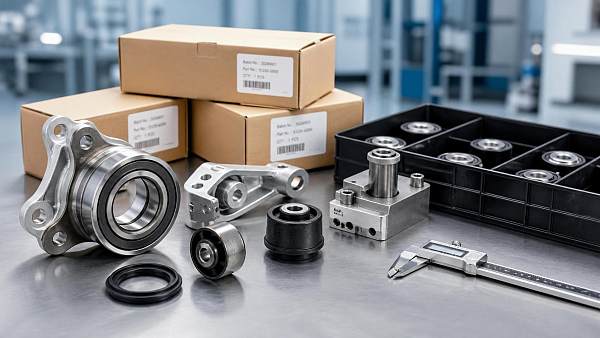
When lead times stretch from a normal 7–15 days to 3–6 weeks, buyers often widen their supplier base very quickly. That creates openings for unverified traders, grey-market stock, and relabeled surplus goods. In categories such as sensors, bearings, filters, control modules, and EV accessories, substitute-looking items can enter the channel with limited traceability.
Counterfeiters are also improving packaging accuracy. In many cases, the fake product is not sold through a visibly suspicious storefront. It can move through mixed pallets, parallel imports, liquidation lots, or urgent replenishment orders below normal MOQ thresholds. A buyer under service pressure may focus on availability first and verification second.
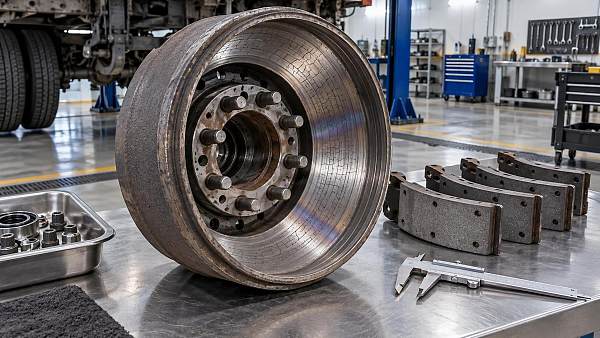
The risk is highest in parts where failure is not immediately visible. Brake components, electrical connectors, power electronics housings, EV battery peripherals, and precision-machined metal parts may appear acceptable at receiving stage but create costly downstream issues during installation or after 200–500 operating hours.
For B2B channels, this means counterfeit risk is no longer only a brand-protection matter. It is a working-capital issue, a service-level issue, and a channel governance issue. One contaminated batch can slow returns handling, lock warehouse space, trigger customer disputes, and damage distributor credibility across multiple regions.
Structural factors behind the rebound
- Authorized inventory gaps in high-turn categories create short-term sourcing windows for unknown suppliers.
- Cross-border resale and secondary wholesale networks reduce visibility into original manufacturing sources.
- Price compression in replacement markets encourages acceptance of offers that are 15%–35% below normal trade range.
- Rapid EV aftermarket growth has outpaced channel education in some regions, especially for battery-related accessories and electronic assemblies.
A practical warning sign
If a supplier can offer fast stock, low MOQ, and below-market pricing all at once, procurement teams should not treat that as efficiency alone. In many cases, at least 1 of those 3 variables deserves deeper validation before the purchase order is released.
Where fake automotive and industrial components enter circulation
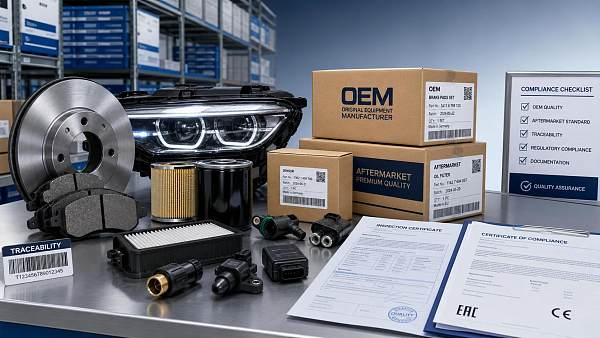
Counterfeit parts usually do not enter the market through a single dramatic breach. They move through small breaks in process control. The most common entry points are secondary wholesale markets, mixed inventory resellers, returned-goods channels, unauthorized online listings, and emergency procurement from brokers during shortage periods.
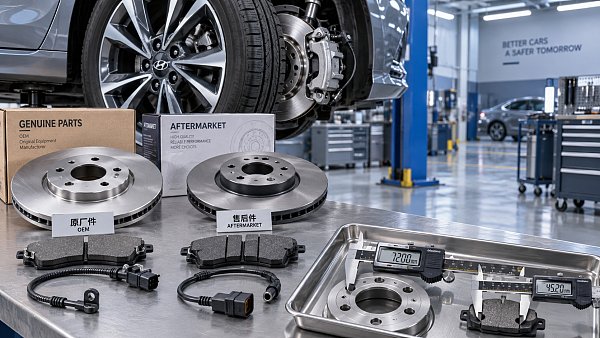
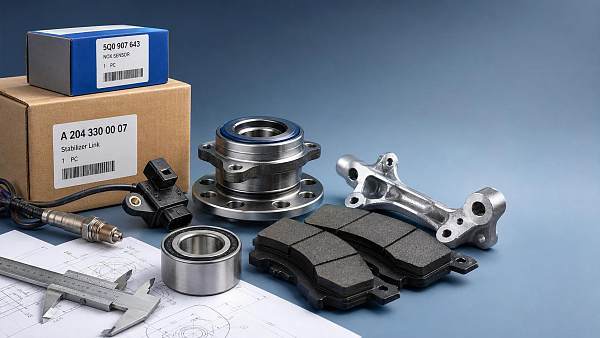
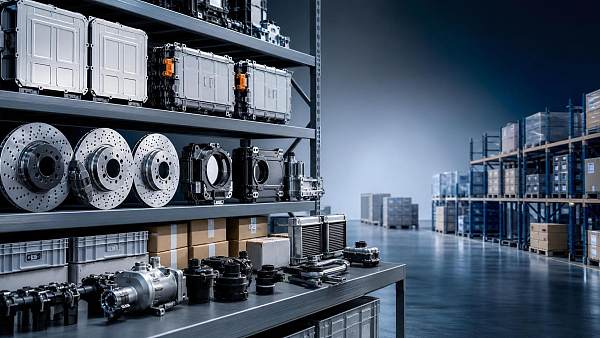
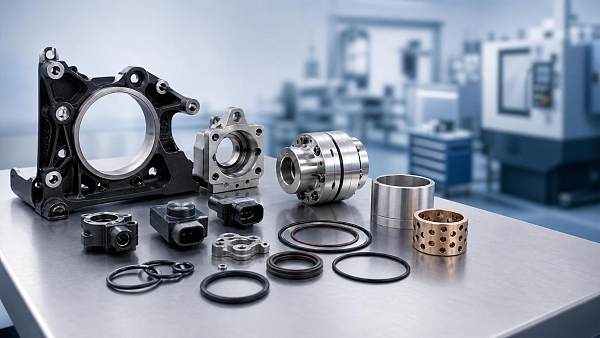
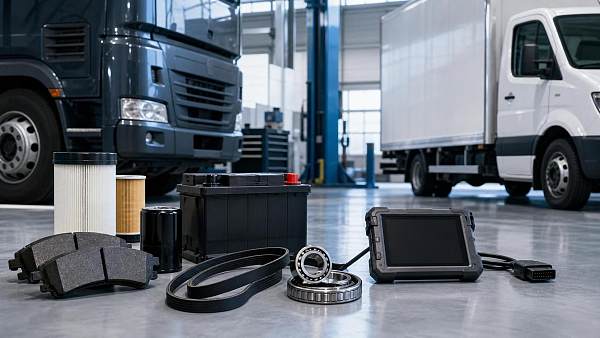
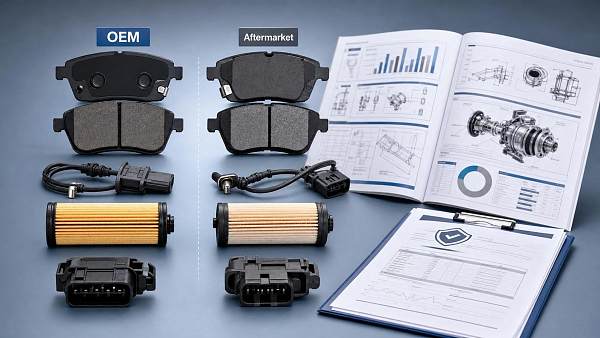
In traditional auto parts, counterfeit circulation often starts with high-demand SKUs that are easy to ship and easy to imitate: filters, spark plugs, bearings, brake pads, belts, and electronic sensors. In precision industrial parts, the pattern shifts toward fasteners, seals, connectors, relays, compact motors, and machine-wear items where buyers may rely on dimensional fit more than origin verification.
The EV aftermarket introduces additional exposure. Products linked to thermal management, battery balancing, charging interfaces, cable assemblies, and motor-adjacent accessories can circulate through channels that are still building technical verification routines. A part that looks compatible may not meet thermal tolerance, insulation quality, or cycle durability requirements.
The table below maps common circulation points and the operational signals buyers should monitor before accepting stock into inventory.
The main conclusion is clear: counterfeit entry is often procedural, not dramatic. That means prevention depends less on one final inspection step and more on controlling 5 checkpoints across sourcing, receiving, storage, pick-pack, and outbound fulfillment.
High-risk product categories
- Fast-moving service parts with frequent reorder cycles of 15–45 days.
- Small, high-value components that are easy to relabel and ship internationally.
- Electronic or electromechanical parts whose internal materials are hard to verify visually.
- EV-related accessories where compatibility language is broader than actual engineering tolerance.
How counterfeit parts affect procurement, logistics, and commercial performance
The financial cost of counterfeit parts goes well beyond the invoice value of a bad batch. Procurement teams face re-inspection labor, expedited replacement shipping, customer credits, and blocked reorder decisions. Warehouse teams may need to isolate suspect inventory across multiple bins, which can reduce pick efficiency for 1–3 weeks depending on SKU volume.
For distributors, one counterfeit incident can distort demand planning. If a product fails in the field, customers may stop buying the category entirely, even if only one supplier was at fault. That turns a quality incident into a forecasting problem. Inventory turns decline, and safe-stock assumptions become less reliable.
Commercial evaluators should also consider the hidden margin effect. A part purchased at 12% lower cost may ultimately generate 3 types of extra expense: technical review time, reverse logistics cost, and post-sale claims management. In many channel environments, these combined costs exceed the original savings within a single quarter.
In sectors like precision automotive parts and mobility systems, quality drift can also create compliance exposure. If the part is safety-relevant or tied to thermal, electrical, or braking performance, the buyer may face not only replacement cost but broader liability discussion with fleet operators, service centers, or local regulators.
Operational impact matrix
The table below shows how counterfeit infiltration affects each business function and where a monitoring response should start.
This matrix matters because anti-counterfeit work should not sit with procurement alone. If 4 business functions experience the damage, then the control framework also needs to involve purchasing, quality, logistics, and commercial leadership.
Common misjudgment
A frequent mistake is to treat counterfeit risk as a binary pass-or-fail event. In reality, many cases involve substandard materials, nonconforming tolerances, or unauthorized remanufactured content rather than a completely fake exterior identity. That grey zone is where many aftermarket losses occur.
A practical sourcing framework to reduce counterfeit exposure
A workable anti-counterfeit strategy must fit real operating conditions. Buyers cannot halt every urgent order, and distributors cannot inspect every unit with laboratory methods. The goal is to build a layered process that identifies high-risk orders early and assigns deeper checks only where needed.
For most organizations, the first step is supplier segmentation. Divide sources into at least 3 tiers: authorized or audited suppliers, known but partially verified traders, and ad hoc spot-market vendors. The review depth, payment terms, and receiving controls should differ by tier rather than using one standard process for all.
The second step is document verification. Buyers should request batch identification, packing consistency, transaction chain clarity, and, where relevant, proof of authorized distribution status. Even a 5-minute mismatch review of label format, date coding, and carton print alignment can filter out weak offers before order approval.
The third step is risk-based receiving inspection. Instead of opening all stock, target orders with 4 triggers: price deviation beyond normal market range, unusual route history, nonstandard MOQ, or supplier onboarding less than 90 days old. This allows quality control resources to focus on the most exposed inbound batches.
Five-step control model
- Screen the supplier by trade history, role in the channel, and document completeness.
- Benchmark the quote against normal regional range, especially if the gap exceeds 15%–20%.
- Check packaging, serial logic, and batch consistency at receiving stage.
- Quarantine suspect lots for technical review before they enter active picking inventory.
- Track returns, early failures, and complaint clusters within the first 30–60 days after sale.
What procurement teams should ask before placing an order
- Can the supplier explain the source path in 2 or 3 clear transactional steps?
- Is the offered lead time realistic compared with known factory or distributor replenishment cycles?
- Do packaging details, labeling logic, and unit condition match the claimed inventory origin?
- Is the warranty process specific, measurable, and documented rather than vaguely promised?
At GIIH, this is where industrial intelligence becomes practical. The strongest buyers combine technical review with channel insight: they do not only inspect the part; they inspect the market behavior around the part.
What buyers, evaluators, and distributors should monitor over the next 12 months
Over the next 12 months, counterfeit risk is likely to remain elevated in categories affected by electrification, service urgency, and fragmented distribution. Buyers should expect the greatest pressure in mixed-channel aftermarket trade where inventory moves across borders faster than documentation standards are harmonized.
For information researchers, the priority is to map which product groups show the strongest combination of high demand, low visual verifiability, and frequent broker activity. For procurement professionals, the priority is to align supplier approval rules with real order behavior, not just annual vendor lists. For distributors and agents, the key is channel discipline: weak intake controls can cancel out years of customer trust.
The companies most resilient to counterfeit risk usually share 3 habits. They update approved-source lists every quarter, review exception purchases monthly, and maintain a closed loop between returns analysis and future sourcing decisions. That discipline is often more effective than relying on one-time inspections alone.
Aftermarket competition will continue to reward speed, but speed without verification is becoming more expensive. In automotive parts, industrial parts, precision parts, and EV component channels, the winners will be the organizations that can combine supply continuity with stronger traceability and more precise risk filtering.
FAQ for aftermarket decision-makers
How long should a supplier verification cycle take?
For a standard trade review, many B2B teams can complete an initial screen in 2–5 working days if core documents are available. Higher-risk suppliers, especially those offering urgent spot stock or EV-related electronics, may require 1–2 additional weeks for technical and commercial checks.
Which parts deserve stricter inbound inspection?
Prioritize safety-related parts, sealed electronic modules, precision-fit components, and products with failure consequences beyond the single item itself. If a component can affect braking, heat management, electrical integrity, or battery-adjacent performance, stricter checks are justified.
Is low price always a counterfeit signal?
No. Price alone is not proof. But if the offer is 20%–40% below the normal trade range and is combined with unclear source information, inconsistent packaging, or unrealistic delivery promises, the risk level rises sharply and should trigger deeper review.
What is the best first control for distributors?
Start with receiving discipline. A structured intake checklist, supplier-tier rule, and quarantine process for exceptions can stop many suspect lots before they spread through warehouse stock and customer orders.
Counterfeit risk in aftermarket channels is rising because market complexity is rising. The answer is not slower business, but smarter business: clearer source validation, tighter intake controls, stronger cross-functional monitoring, and better use of industrial intelligence. GIIH helps decision-makers translate fragmented market signals into practical sourcing insight across automotive, precision parts, logistics, and cross-border trade. To evaluate exposure in your supply chain, refine supplier screening, or explore tailored market intelligence support, contact us today to get a customized solution and learn more about actionable risk-control strategies.
Recommended News
 Sep 26, 2026When do aftermarket shock absorbers need replacement?Aftermarket shock absorbers may need replacement when bouncing, leaks, tire cupping, or unstable handling appear. Learn key warning signs and choose the right time to inspect.
 Sep 17, 2026How to verify fitment before buying vehicle specific aftermarket partsVehicle specific aftermarket parts: verify VIN, OEM numbers, fitment details, and installation needs before buying to avoid costly mistakes.
 Sep 16, 2026How Brake Drum Compatibility Impacts Trailer Safety Compliance and Maintenance Intervalssemi trailer spare parts: Discover how brake drum compatibility directly impacts trailer safety compliance, maintenance intervals, and regulatory risk—get expert insights now.
 Sep 09, 2026Evaluating Replacement Brake Drums for BPW Axle Systems: Compatibility, Certification, and Aftermarket Sourcing Riskssemi trailer spare parts: Discover critical risks in sourcing BPW brake drums—compatibility, certification & aftermarket pitfalls revealed.
 Sep 08, 2026Why Semi Trailer Brake Drums Crack: Wear Patterns and PreventionSemi trailer spare parts guide: identify brake drum crack patterns, prevent overheating, and improve wheel-end safety with practical maintenance insights.
 Aug 25, 2026How to vet an aftermarket replacement auto parts supplier for quality consistencyAftermarket replacement auto parts supplier selection starts with proof of quality consistency. Learn how to assess traceability, process control, packaging, and complaint handling before you buy.
 Jul 11, 2026Fleet Aftermarket Service: What to Check in Parts Coverage, Response Time, and WarrantyFleet aftermarket service guide: learn how to evaluate parts coverage, response time, and warranty terms to reduce downtime, control repair costs, and choose a more reliable supplier.
 Jul 10, 2026Replacement Auto Parts USA: How to Verify Fitment, Quality, and Supplier ReliabilityReplacement auto parts USA sourcing made safer: learn how to verify fitment, assess real quality, and spot reliable suppliers before returns, warranty claims, and costly ordering mistakes happen.
 Jul 10, 2026How to Choose Vehicle Accessories for Trucks Based on Load, Terrain, and Daily UseVehicle accessories for trucks should match load, terrain, and daily use. Discover practical tips to choose smarter upgrades for safety, durability, comfort, and long-term value.
 Jul 09, 2026Auto Parts Industry Europe: Key Market Shifts Affecting OEM and Aftermarket BuyersAuto parts industry Europe is shifting fast. Explore key OEM and aftermarket trends, compliance risks, and sourcing strategies shaping smarter buying decisions.
 Jul 08, 2026Aftermarket Engineered Components: When to Choose Replacement Parts Over OEM OptionsAftermarket engineered components can cut downtime, improve service life, and lower total maintenance cost. Learn when replacement parts outperform OEM options.
 Jul 05, 2026Aftermarket Solutions for Vehicle Maintenance: Which Parts and Services Save More Downtime?Aftermarket solutions for vehicle maintenance that cut downtime most: discover which parts, diagnostics, and preventive services deliver faster returns, fewer repeat repairs, and smarter fleet savings.
 Jul 05, 2026Replacement Auto Parts USA Market: How Distributors Compare Demand by CategoryReplacement auto parts USA market trends by category: compare brakes, filters, sensors, collision parts, and batteries to spot demand shifts, inventory priorities, and profitable distributor strategies.
 Jul 03, 2026Aftermarket Auto Parts vs OEM Parts: What to Compare Before You BuyAftermarket auto parts vs OEM parts: compare fit, quality, warranty, safety, and long-term value before you buy. Make a smarter parts choice with confidence.
 Jul 02, 2026Replacement Auto Parts Database: What Data Fields Matter Most for Fast Part Matching?Replacement auto parts database essentials: discover the key data fields for faster, more accurate part matching, fewer returns, and smarter sourcing decisions.
 Jul 01, 2026Injection Molded Aftermarket Parts vs OEM: How to Compare Fit, Cost, and Lead TimeInjection molded aftermarket parts vs OEM: compare fit, total cost, and lead time with a practical buyer framework to reduce sourcing risk and make faster purchasing decisions.
 Jun 29, 2026Sourcing Automotive Parts in Europe: OEM, Aftermarket, and Compliance Checks ExplainedAutomotive parts Europe sourcing made simple: compare OEM vs aftermarket, verify supplier credibility, and run compliance checks to reduce risk, protect margins, and buy smarter.
 Jun 28, 2026Auto Parts Quality Standards Explained: Key Certifications, Tests, and Failure RisksAuto parts quality standards explained: learn key certifications, real-world tests, hidden failure risks, and smarter supplier checks to reduce recalls and improve compliance.
 Jun 27, 2026Stamped Aftermarket Parts vs Machined Parts: Which Option Fits Cost and Volume Targets?Stamped aftermarket parts vs machined parts: compare cost, tooling, volume, lead time, and precision to find the best sourcing strategy for margins, supply stability, and long-term value.
 Jun 25, 2026Diaper Bags Backpack Buying Guide: Features That Matter for Daily Outingsdiaperbagsbackpack buying guide: discover the features that matter most for daily outings, from smart storage and comfort to easy-clean materials and durable design.
 Jun 23, 2026Car Maintenance Tools Checklist: What to Buy First for DIY Repairs and Routine ServiceCar maintenance tools checklist for DIY beginners: discover what to buy first for safe routine service, oil changes, tire care, and smarter garage upgrades on any budget.
 Jun 22, 2026Outdoor Garden Supplies Buying Guide: How to Identify Durable Tools That Last LongerOutdoor garden supplies durable tools buying guide: learn how to spot stronger materials, smarter design, and long-lasting value before you buy.
 Jun 20, 2026Aftermarket Service vs OEM Support: What Buyers Should Compare Before SigningAftermarket service can shape uptime, repair costs, and supplier risk more than price alone. Compare OEM support, spare parts, warranty, and response speed before signing.
 Jun 19, 2026Car Replacement Parts: OEM vs Aftermarket, Fitment Risks, and Warranty QuestionsCar replacement parts guide: compare OEM vs aftermarket, avoid fitment risks, and understand warranty questions to choose safer, smarter parts with confidence.