


Search News
Global Industrial Intelligence Hub (GIIH)Industry Portal
Global Industrial Intelligence Hub (GIIH)Status
Standard Access
Upgrade to PremiumNewsHow parts exporters help reduce machine repair delays
Time
Click Count
When critical equipment goes down, every hour of waiting can disrupt production, raise costs, and pressure maintenance teams. A reliable Industrial & Manufacturing machinery parts exporter helps reduce repair delays by ensuring faster access to compatible components, stable supply channels, and better technical coordination. For after-sales maintenance work, understanding this role is essential for restoring uptime and preventing minor failures from escalating into wider operational losses.
Why a checklist approach matters when repair time is critical
Machine repairs often stall for reasons beyond the failed part itself. Delays usually come from identification errors, poor stock visibility, customs issues, incomplete specifications, or weak supplier follow-up.
In cross-border supply chains, a capable Industrial & Manufacturing machinery parts exporter acts as a coordination point. It links technical data, packaging standards, shipping speed, and documentation accuracy into one response process.
A checklist prevents rushed decisions. It helps confirm whether the exporter can actually shorten downtime, not simply quote a part number and promise shipment.
Core checklist: how parts exporters reduce machine repair delays
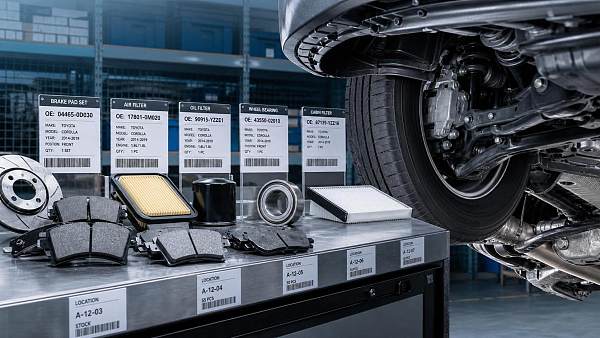
- Verify part identification fast by matching OEM numbers, revision codes, dimensions, materials, and machine serial data before release.
- Check real inventory visibility across local warehouses, bonded stock, and partner depots instead of relying on estimated availability.
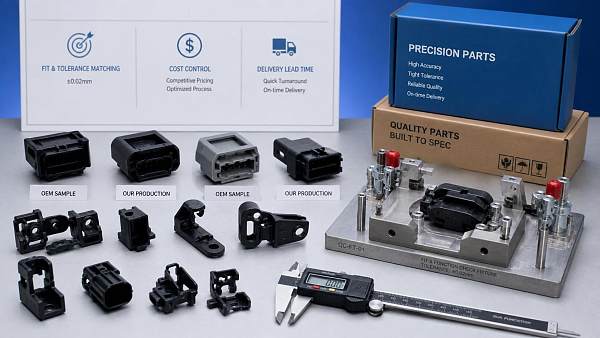
- Confirm substitute compatibility when original parts are unavailable, including performance tolerance, mounting fit, and service life expectations.
- Request technical documentation early, such as exploded drawings, datasheets, assembly notes, and installation torque guidance.
- Prioritize exporters with strong emergency logistics options, including air freight routing, courier escalation, and customs-ready paperwork.
- Review export documentation accuracy for HS codes, origin certificates, packing lists, and compliance declarations to avoid border holds.
- Assess communication speed by measuring how quickly the exporter answers technical questions and updates order status changes.
- Inspect packaging standards for fragile, lubricated, or precision components so transport damage does not create a second repair delay.
- Use exporters that support batch consolidation, reducing split shipments when one repair requires seals, bearings, sensors, and fasteners together.
- Track repeat-failure history and ask the exporter for upgraded variants that address known wear points or harsh operating conditions.
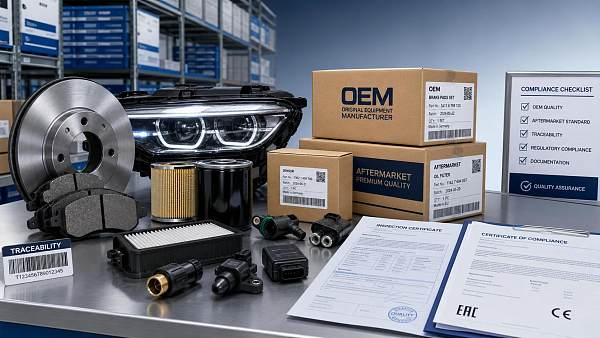
- Confirm after-sales traceability, including lot numbers and inspection records, when the failed component affects safety or process stability.
- Build standing parts lists with the exporter for high-failure items, reducing time spent revalidating recurring maintenance orders.
Where the exporter creates the biggest time savings
Unplanned production stoppages
In sudden breakdowns, the main problem is not only sourcing. It is compressing diagnosis, confirmation, dispatch, and receiving into one short window.
A responsive Industrial & Manufacturing machinery parts exporter reduces handoff friction. Fast photo checks, cross-reference support, and ready shipping channels often save more time than price negotiation ever will.
Legacy equipment with hard-to-find components
Older machines frequently use discontinued assemblies, outdated seals, or region-specific motor and control parts. Standard distributors may not recognize these combinations quickly.
Experienced exporters usually maintain broader sourcing networks. They can locate equivalent stock, remanufactured units, or engineering substitutes that keep aging equipment operational.
Multi-part repairs requiring coordinated delivery
A repair job often fails when one critical item arrives on time but supporting components do not. Gaskets, connectors, couplings, and sensors can hold up final assembly.
An Industrial & Manufacturing machinery parts exporter with consolidation capability can group all required items, align documentation, and reduce partial-shipment confusion.
Cross-border repairs under compliance pressure
International repairs face extra delay risk from customs screening, restricted materials, battery declarations, or incorrect values on invoices.
Exporters familiar with industrial trade flows lower this risk through accurate filings, clear labeling, and prechecked commercial documents. That administrative speed directly protects uptime.
Commonly overlooked issues that still slow repairs
Ignoring revision mismatches
Two parts may share a base number but differ by connector type, firmware generation, coating, or shaft tolerance. The wrong revision can restart the delay cycle.
Treating lead time as only shipping time
Actual lead time includes confirmation, picking, packing, export filing, transit, customs clearance, and site receipt. A short flight does not guarantee a fast repair.
Overlooking packaging and handling risk
Precision bearings, control boards, and hydraulic parts can be damaged by moisture, shock, or contamination. Replacement of a damaged replacement is one of the costliest avoidable setbacks.
Failing to share failure context
If only a part number is provided, the exporter may miss signs of linked failures. Heat, vibration, fluid contamination, or overload may require related parts in the same shipment.
Choosing only by unit price
A lower quote means little if the part arrives late, lacks paperwork, or needs revalidation. In downtime events, total delay cost usually outweighs small purchase savings.
Practical execution steps for faster recovery
- Create a critical-spares file with machine model, serial number, OEM references, photos, and common failure history.
- Prequalify one Industrial & Manufacturing machinery parts exporter for urgent orders and another for secondary backup coverage.
- Define response expectations for quotation speed, technical feedback time, shipping cutoffs, and escalation contacts.
- Standardize order templates so every urgent request includes dimensions, duty cycle, medium type, and operating environment.
- Review recurring breakdowns quarterly and ask the exporter for stocking advice or upgraded replacement options.
- Use trade intelligence sources such as GIIH to monitor logistics bottlenecks, sourcing shifts, and sector-specific supply risks.
This structured approach works across sectors, from automotive parts processing and packaging lines to pumps, compressors, drives, and smart industrial systems.
It also aligns with broader supply-chain resilience goals. Better exporter coordination improves not only repairs, but planning accuracy, inventory discipline, and maintenance continuity.
Conclusion and next action
Machine repair delays rarely come from one issue alone. They usually result from weak data, slow sourcing, fragmented logistics, or incomplete technical coordination.
A dependable Industrial & Manufacturing machinery parts exporter reduces those gaps by combining part accuracy, stock access, export readiness, and communication speed. That is how downtime gets shortened in real operating conditions.
Start with a simple action: audit the last three delayed repairs, identify where time was lost, and evaluate whether your current exporter could have prevented it. Then formalize a checklist-based process before the next breakdown happens.
Recommended News
 Sep 26, 2026When do aftermarket shock absorbers need replacement?Aftermarket shock absorbers may need replacement when bouncing, leaks, tire cupping, or unstable handling appear. Learn key warning signs and choose the right time to inspect.
 Sep 17, 2026How to verify fitment before buying vehicle specific aftermarket partsVehicle specific aftermarket parts: verify VIN, OEM numbers, fitment details, and installation needs before buying to avoid costly mistakes.
 Sep 16, 2026How Brake Drum Compatibility Impacts Trailer Safety Compliance and Maintenance Intervalssemi trailer spare parts: Discover how brake drum compatibility directly impacts trailer safety compliance, maintenance intervals, and regulatory risk—get expert insights now.
 Sep 09, 2026Evaluating Replacement Brake Drums for BPW Axle Systems: Compatibility, Certification, and Aftermarket Sourcing Riskssemi trailer spare parts: Discover critical risks in sourcing BPW brake drums—compatibility, certification & aftermarket pitfalls revealed.
 Sep 08, 2026Why Semi Trailer Brake Drums Crack: Wear Patterns and PreventionSemi trailer spare parts guide: identify brake drum crack patterns, prevent overheating, and improve wheel-end safety with practical maintenance insights.
 Aug 25, 2026How to vet an aftermarket replacement auto parts supplier for quality consistencyAftermarket replacement auto parts supplier selection starts with proof of quality consistency. Learn how to assess traceability, process control, packaging, and complaint handling before you buy.
 Jul 11, 2026Fleet Aftermarket Service: What to Check in Parts Coverage, Response Time, and WarrantyFleet aftermarket service guide: learn how to evaluate parts coverage, response time, and warranty terms to reduce downtime, control repair costs, and choose a more reliable supplier.
 Jul 10, 2026Replacement Auto Parts USA: How to Verify Fitment, Quality, and Supplier ReliabilityReplacement auto parts USA sourcing made safer: learn how to verify fitment, assess real quality, and spot reliable suppliers before returns, warranty claims, and costly ordering mistakes happen.
 Jul 10, 2026How to Choose Vehicle Accessories for Trucks Based on Load, Terrain, and Daily UseVehicle accessories for trucks should match load, terrain, and daily use. Discover practical tips to choose smarter upgrades for safety, durability, comfort, and long-term value.
 Jul 09, 2026Auto Parts Industry Europe: Key Market Shifts Affecting OEM and Aftermarket BuyersAuto parts industry Europe is shifting fast. Explore key OEM and aftermarket trends, compliance risks, and sourcing strategies shaping smarter buying decisions.
 Jul 08, 2026Aftermarket Engineered Components: When to Choose Replacement Parts Over OEM OptionsAftermarket engineered components can cut downtime, improve service life, and lower total maintenance cost. Learn when replacement parts outperform OEM options.
 Jul 05, 2026Aftermarket Solutions for Vehicle Maintenance: Which Parts and Services Save More Downtime?Aftermarket solutions for vehicle maintenance that cut downtime most: discover which parts, diagnostics, and preventive services deliver faster returns, fewer repeat repairs, and smarter fleet savings.
 Jul 05, 2026Replacement Auto Parts USA Market: How Distributors Compare Demand by CategoryReplacement auto parts USA market trends by category: compare brakes, filters, sensors, collision parts, and batteries to spot demand shifts, inventory priorities, and profitable distributor strategies.
 Jul 03, 2026Aftermarket Auto Parts vs OEM Parts: What to Compare Before You BuyAftermarket auto parts vs OEM parts: compare fit, quality, warranty, safety, and long-term value before you buy. Make a smarter parts choice with confidence.
 Jul 02, 2026Replacement Auto Parts Database: What Data Fields Matter Most for Fast Part Matching?Replacement auto parts database essentials: discover the key data fields for faster, more accurate part matching, fewer returns, and smarter sourcing decisions.
 Jul 01, 2026Injection Molded Aftermarket Parts vs OEM: How to Compare Fit, Cost, and Lead TimeInjection molded aftermarket parts vs OEM: compare fit, total cost, and lead time with a practical buyer framework to reduce sourcing risk and make faster purchasing decisions.
 Jun 29, 2026Sourcing Automotive Parts in Europe: OEM, Aftermarket, and Compliance Checks ExplainedAutomotive parts Europe sourcing made simple: compare OEM vs aftermarket, verify supplier credibility, and run compliance checks to reduce risk, protect margins, and buy smarter.
 Jun 28, 2026Auto Parts Quality Standards Explained: Key Certifications, Tests, and Failure RisksAuto parts quality standards explained: learn key certifications, real-world tests, hidden failure risks, and smarter supplier checks to reduce recalls and improve compliance.
 Jun 27, 2026Stamped Aftermarket Parts vs Machined Parts: Which Option Fits Cost and Volume Targets?Stamped aftermarket parts vs machined parts: compare cost, tooling, volume, lead time, and precision to find the best sourcing strategy for margins, supply stability, and long-term value.
 Jun 25, 2026Diaper Bags Backpack Buying Guide: Features That Matter for Daily Outingsdiaperbagsbackpack buying guide: discover the features that matter most for daily outings, from smart storage and comfort to easy-clean materials and durable design.
 Jun 23, 2026Car Maintenance Tools Checklist: What to Buy First for DIY Repairs and Routine ServiceCar maintenance tools checklist for DIY beginners: discover what to buy first for safe routine service, oil changes, tire care, and smarter garage upgrades on any budget.
 Jun 22, 2026Outdoor Garden Supplies Buying Guide: How to Identify Durable Tools That Last LongerOutdoor garden supplies durable tools buying guide: learn how to spot stronger materials, smarter design, and long-lasting value before you buy.
 Jun 20, 2026Aftermarket Service vs OEM Support: What Buyers Should Compare Before SigningAftermarket service can shape uptime, repair costs, and supplier risk more than price alone. Compare OEM support, spare parts, warranty, and response speed before signing.
 Jun 19, 2026Car Replacement Parts: OEM vs Aftermarket, Fitment Risks, and Warranty QuestionsCar replacement parts guide: compare OEM vs aftermarket, avoid fitment risks, and understand warranty questions to choose safer, smarter parts with confidence.