


Search News
Global Industrial Intelligence Hub (GIIH)Industry Portal
Global Industrial Intelligence Hub (GIIH)Status
Standard Access
Upgrade to PremiumNewsVehicle upgrades that may void warranty coverage
Time
Click Count
Vehicle upgrades do not automatically void a vehicle warranty, but specific modifications can cause warranty claims to be denied when the upgrade is linked to the failure. For researchers, procurement teams, distributors, and commercial evaluators, the real issue is not simply “modified or not modified.” It is whether a part, accessory, software change, or installation method creates compliance, reliability, documentation, or liability risk. Understanding that distinction is essential when assessing aftermarket products, supplier quality, and long-term ownership cost.
In practice, the highest-risk upgrades are usually engine tuning, ECU remapping, suspension lifts, non-approved electrical additions, emissions-related changes, and poorly documented replacement parts. By contrast, many cosmetic or reversible upgrades may have limited warranty impact if properly installed and compatible with manufacturer standards. This article explains which vehicle upgrades may void warranty coverage, how warranty decisions are typically made, and what buyers and channel partners should evaluate before recommending or purchasing modified vehicles or aftermarket components.
What buyers really need to know about warranty risk
The most important point is this: manufacturers usually cannot cancel an entire vehicle warranty merely because an owner installed aftermarket parts. However, they may deny coverage for a specific repair if they determine that the upgrade caused or contributed to the problem. That distinction matters for fleet buyers, automotive parts distributors, and commercial researchers because it affects claims exposure, resale value, and product positioning.
When people search for “vehicle upgrades that may void warranty coverage,” they are usually trying to answer one of these practical questions:
- Which modifications create the highest chance of a denied warranty claim?
- Will aftermarket parts reduce long-term vehicle value or serviceability?
- How can we evaluate whether a supplier’s product is safe to recommend or procure?
- What documentation is needed to reduce legal and commercial risk?
- How do EV, connected vehicle, and sustainability trends change the warranty landscape?
For professional readers, the decision is rarely only technical. It is also commercial. A low-cost upgrade that increases warranty disputes can create larger downstream losses through vehicle downtime, reputation damage, return rates, and customer dissatisfaction.
Which vehicle upgrades most often trigger warranty disputes
Not all vehicle modifications carry the same level of risk. The following categories are the most commonly associated with warranty conflicts because they can affect core systems, safety performance, emissions compliance, or software integrity.
1. ECU tuning and performance software remapping
Engine control unit tuning is among the most sensitive modifications from a warranty perspective. Software remaps can alter fuel delivery, turbo pressure, ignition timing, shift behavior, and thermal load. Even if the vehicle performs better in the short term, the manufacturer may argue that the modified operating parameters contributed to drivetrain, transmission, or emissions-system failure.
This is especially important for modern vehicles because software is now deeply integrated with engine management, battery systems, ADAS calibration, and diagnostics. In electrified vehicles, unauthorized software changes may also affect battery health, regenerative braking behavior, and cybersecurity compliance.
2. Suspension lifts, lowering kits, and wheel changes
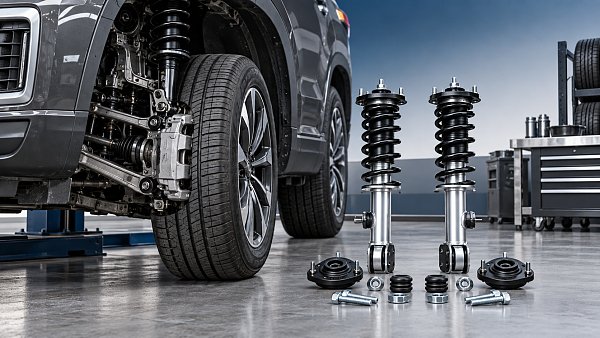
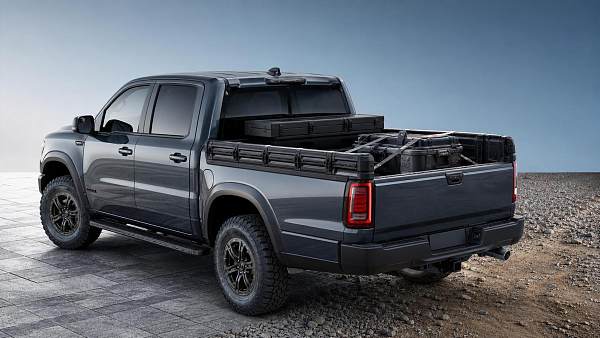
Changes to ride height, wheel offset, tire size, and suspension geometry can affect steering components, bearings, brakes, driveline angles, sensor calibration, and tire wear patterns. A lift kit or lowering kit may not invalidate every warranty claim, but if a related component fails, the modification may become the focal point of the investigation.
Large wheel and tire upgrades are also frequently underestimated. Heavier wheels can increase unsprung mass, change handling characteristics, and place added stress on hubs, suspension parts, and braking systems.
3. Exhaust, emissions, and intake modifications
Any modification that changes emissions performance or affects emissions-control hardware is high risk. This includes aftermarket downpipes, catalytic converter changes, diesel emissions deletes, air intake systems that alter sensor readings, and exhaust changes that affect backpressure or thermal behavior.
Beyond warranty issues, emissions-related modifications can create regulatory exposure. For buyers and distributors operating across jurisdictions, this is a critical commercial screening factor.
4. Electrical accessories and non-approved power additions
Lighting kits, infotainment upgrades, auxiliary batteries, remote-start systems, camera integrations, and telematics add-ons can all create warranty complications if they interfere with wiring harnesses, CAN bus communication, or battery management systems. Poor installation quality is often the real problem, but the result is the same: the manufacturer may deny claims tied to electrical faults, battery drain, or module failures.
5. Non-OEM replacement parts in critical systems
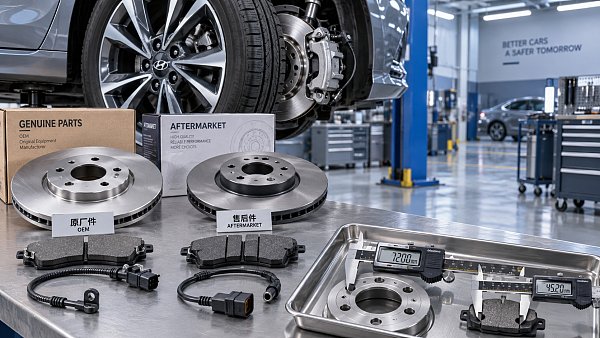
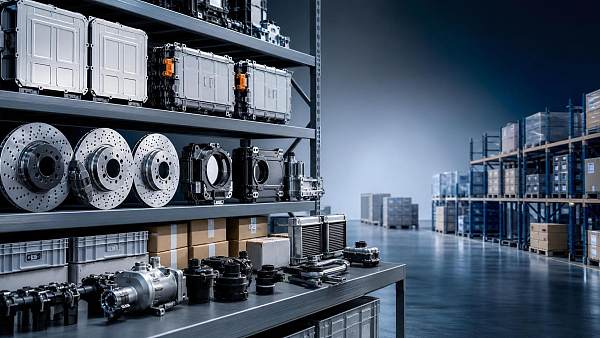
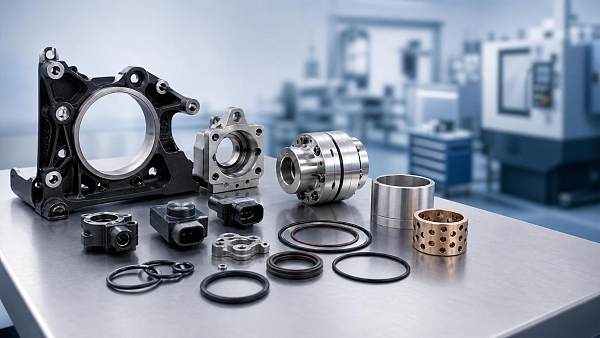
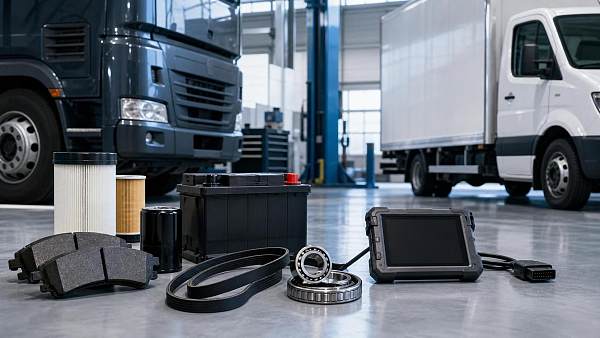
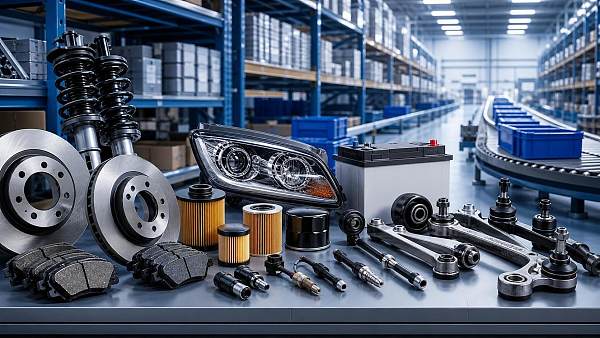
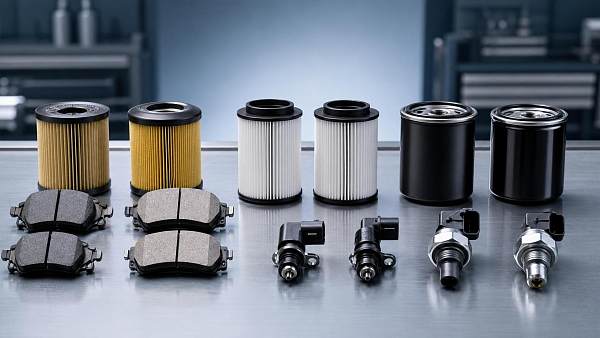
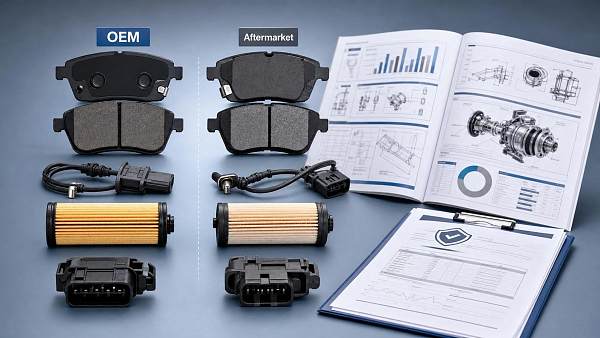
Aftermarket brake components, steering parts, cooling-system components, sensors, filters, and drivetrain parts can all be commercially viable, but only if quality, fitment accuracy, and installation standards are controlled. Low-grade components may not only fail; they can also complicate root-cause analysis when a warranty claim is submitted.
What usually does not void warranty coverage outright
Many vehicle owners and even some commercial buyers assume that any upgrade voids the entire warranty. In reality, lower-risk changes often have minimal impact if they do not affect the failed system.
Examples may include:
- Cosmetic body accessories
- Seat covers and interior trim upgrades
- Non-invasive infotainment accessories
- Approved roof racks or storage systems
- Manufacturer-approved or dealer-installed accessories
Even here, caution is necessary. A cosmetic change becomes a warranty issue if it introduces corrosion risk, wiring damage, water ingress, or structural interference. The commercial lesson is clear: low technical complexity does not always mean low warranty exposure.
How manufacturers and dealers assess whether a modification caused the problem
Warranty decisions usually depend on causation, documentation, and technical traceability. When a failure occurs, manufacturers and dealers may review:
- Vehicle diagnostic logs and software history
- Physical evidence of altered hardware or wiring
- Service and installation records
- Whether the modification affected design loads, heat, voltage, or calibration
- Whether the part was approved, certified, or fit for that application
This is why installation quality matters as much as product quality. A well-engineered part installed without proper torque procedures, calibration, or documentation can still create a denied claim. For distributors and agents, this means technical support and installer education are part of the product value proposition, not secondary services.
What procurement teams and commercial evaluators should check before approving upgrades
For professional buyers, the right question is not only “Will this part sell?” but “Will this part create avoidable cost and liability later?” A structured evaluation process can reduce that risk.
Supplier and product due diligence checklist
- Verify whether the part is designed for the exact vehicle platform and model year
- Review test data, certifications, and durability evidence
- Check whether installation requires software recalibration or coding
- Assess whether the product affects emissions, safety, or battery systems
- Request warranty policy details from the supplier
- Confirm whether dealer or OEM approval exists for the use case
- Evaluate installer training requirements and failure history
Commercial risk indicators
- Unclear fitment claims
- No traceable technical documentation
- Marketing focused only on performance gains
- No defined responsibility for consequential damage
- High dependency on software bypasses or emissions workarounds
These indicators are especially relevant for distributors and sourcing teams entering new aftermarket categories. Fast-growing product segments can look attractive on margin, but hidden warranty conflict can erode channel profitability.
Why documentation is one of the strongest protections against warranty disputes
In many cases, the difference between an accepted and denied claim is not only the part itself but the quality of the records. For businesses handling modified vehicles or aftermarket products, documentation should include:
- Detailed installation invoices
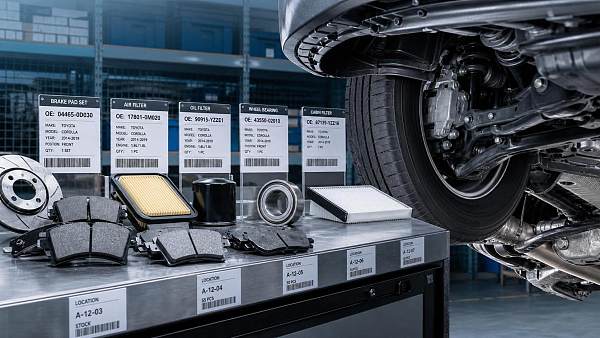
- Part numbers and compatibility references
- Technician credentials
- Calibration or software update records
- Maintenance history before and after modification
- Photos of installation and component condition
For commercial fleets, resellers, and leasing evaluators, this documentation supports asset valuation as well. A modified vehicle with transparent service records is easier to assess than one with undocumented changes and uncertain system impact.
How sustainability and Eco Tech trends are changing upgrade decisions
The automotive aftermarket is increasingly influenced by sustainable technology, Eco Tech design principles, and environmental innovation. That does not eliminate warranty risk, but it does shift where readers should focus.
Several trends are now reshaping decision-making:
Energy-efficient upgrades
Low-draw lighting systems, smarter battery management accessories, lightweight components, and aerodynamic enhancements may support energy efficiency. However, even environmentally beneficial upgrades must still be electrically compatible and correctly integrated.
EV and hybrid system sensitivity
Electric and hybrid vehicles have more tightly controlled software, battery thermal management requirements, and safety protocols. Unauthorized charging modifications, battery-related components, thermal system changes, or non-compliant diagnostic tools may create greater warranty exposure than similar changes on conventional vehicles.
Emissions and lifecycle accountability
Environmental compliance is no longer only a regulatory issue; it is also a market trust issue. Buyers and channel partners increasingly need parts that improve efficiency without undermining emissions performance, safety certification, or recyclability goals.
For industrial intelligence users, this means the future of mobility is not just about performance enhancement. It is about balancing customization, durability, compliance, and sustainability in one decision framework.
Best practices for distributors, resellers, and agents recommending aftermarket upgrades
If your role includes sourcing, evaluating, or reselling upgraded vehicles or components, the safest commercial strategy is to build a recommendation model around risk categories.
Low-risk category
Products with limited system interaction, clear fitment, strong documentation, and minimal impact on safety or emissions.
Medium-risk category
Products that affect handling, electrical load, or calibration but are supported by test data, certified installation procedures, and defined warranty terms.
High-risk category
Products involving ECU changes, emissions-system modification, battery-system interference, drivetrain stress increases, or unclear regulatory status.
This framework helps sales teams communicate clearly with customers and reduces disputes after purchase. It also aligns with broader industrial best practice: product growth should be supported by technical governance, not only by market demand.
Practical decision rule: when should a vehicle upgrade be avoided?
A vehicle upgrade should be treated as commercially unsuitable when one or more of the following conditions apply:
- The upgrade affects a critical system without strong validation data
- The supplier cannot explain warranty implications clearly
- The installation requires irreversible system alteration
- The modification creates emissions or software compliance concerns
- The expected performance gain is small compared with possible repair cost
- The vehicle’s resale or fleet reliability value is a priority
For many business buyers, this rule leads to a simple conclusion: upgrades that look attractive in marketing material may be poor choices when total lifecycle cost is considered.
Conclusion
Vehicle upgrades that may void warranty coverage are usually those that alter how core systems operate, especially powertrain, software, suspension, emissions, and electrical architecture. The key issue is causation: if a modification contributes to a failure, warranty coverage for that repair may be denied. For researchers, procurement professionals, distributors, and business evaluators, the real task is to assess technical compatibility, documentation quality, compliance impact, and long-term ownership risk before approving or recommending any upgrade.
In a mobility market increasingly shaped by Eco Tech, electrification, and environmental innovation, the best upgrade decisions are not simply the most powerful or cheapest. They are the ones that preserve reliability, support compliance, and create sustainable value across the vehicle lifecycle.
Recommended News
 Sep 26, 2026When do aftermarket shock absorbers need replacement?Aftermarket shock absorbers may need replacement when bouncing, leaks, tire cupping, or unstable handling appear. Learn key warning signs and choose the right time to inspect.
 Sep 17, 2026How to verify fitment before buying vehicle specific aftermarket partsVehicle specific aftermarket parts: verify VIN, OEM numbers, fitment details, and installation needs before buying to avoid costly mistakes.
 Sep 16, 2026How Brake Drum Compatibility Impacts Trailer Safety Compliance and Maintenance Intervalssemi trailer spare parts: Discover how brake drum compatibility directly impacts trailer safety compliance, maintenance intervals, and regulatory risk—get expert insights now.
 Sep 09, 2026Evaluating Replacement Brake Drums for BPW Axle Systems: Compatibility, Certification, and Aftermarket Sourcing Riskssemi trailer spare parts: Discover critical risks in sourcing BPW brake drums—compatibility, certification & aftermarket pitfalls revealed.
 Sep 08, 2026Why Semi Trailer Brake Drums Crack: Wear Patterns and PreventionSemi trailer spare parts guide: identify brake drum crack patterns, prevent overheating, and improve wheel-end safety with practical maintenance insights.
 Aug 25, 2026How to vet an aftermarket replacement auto parts supplier for quality consistencyAftermarket replacement auto parts supplier selection starts with proof of quality consistency. Learn how to assess traceability, process control, packaging, and complaint handling before you buy.
 Jul 11, 2026Fleet Aftermarket Service: What to Check in Parts Coverage, Response Time, and WarrantyFleet aftermarket service guide: learn how to evaluate parts coverage, response time, and warranty terms to reduce downtime, control repair costs, and choose a more reliable supplier.
 Jul 10, 2026Replacement Auto Parts USA: How to Verify Fitment, Quality, and Supplier ReliabilityReplacement auto parts USA sourcing made safer: learn how to verify fitment, assess real quality, and spot reliable suppliers before returns, warranty claims, and costly ordering mistakes happen.
 Jul 10, 2026How to Choose Vehicle Accessories for Trucks Based on Load, Terrain, and Daily UseVehicle accessories for trucks should match load, terrain, and daily use. Discover practical tips to choose smarter upgrades for safety, durability, comfort, and long-term value.
 Jul 09, 2026Auto Parts Industry Europe: Key Market Shifts Affecting OEM and Aftermarket BuyersAuto parts industry Europe is shifting fast. Explore key OEM and aftermarket trends, compliance risks, and sourcing strategies shaping smarter buying decisions.
 Jul 08, 2026Aftermarket Engineered Components: When to Choose Replacement Parts Over OEM OptionsAftermarket engineered components can cut downtime, improve service life, and lower total maintenance cost. Learn when replacement parts outperform OEM options.
 Jul 05, 2026Aftermarket Solutions for Vehicle Maintenance: Which Parts and Services Save More Downtime?Aftermarket solutions for vehicle maintenance that cut downtime most: discover which parts, diagnostics, and preventive services deliver faster returns, fewer repeat repairs, and smarter fleet savings.
 Jul 05, 2026Replacement Auto Parts USA Market: How Distributors Compare Demand by CategoryReplacement auto parts USA market trends by category: compare brakes, filters, sensors, collision parts, and batteries to spot demand shifts, inventory priorities, and profitable distributor strategies.
 Jul 03, 2026Aftermarket Auto Parts vs OEM Parts: What to Compare Before You BuyAftermarket auto parts vs OEM parts: compare fit, quality, warranty, safety, and long-term value before you buy. Make a smarter parts choice with confidence.
 Jul 02, 2026Replacement Auto Parts Database: What Data Fields Matter Most for Fast Part Matching?Replacement auto parts database essentials: discover the key data fields for faster, more accurate part matching, fewer returns, and smarter sourcing decisions.
 Jul 01, 2026Injection Molded Aftermarket Parts vs OEM: How to Compare Fit, Cost, and Lead TimeInjection molded aftermarket parts vs OEM: compare fit, total cost, and lead time with a practical buyer framework to reduce sourcing risk and make faster purchasing decisions.
 Jun 29, 2026Sourcing Automotive Parts in Europe: OEM, Aftermarket, and Compliance Checks ExplainedAutomotive parts Europe sourcing made simple: compare OEM vs aftermarket, verify supplier credibility, and run compliance checks to reduce risk, protect margins, and buy smarter.
 Jun 28, 2026Auto Parts Quality Standards Explained: Key Certifications, Tests, and Failure RisksAuto parts quality standards explained: learn key certifications, real-world tests, hidden failure risks, and smarter supplier checks to reduce recalls and improve compliance.
 Jun 27, 2026Stamped Aftermarket Parts vs Machined Parts: Which Option Fits Cost and Volume Targets?Stamped aftermarket parts vs machined parts: compare cost, tooling, volume, lead time, and precision to find the best sourcing strategy for margins, supply stability, and long-term value.
 Jun 25, 2026Diaper Bags Backpack Buying Guide: Features That Matter for Daily Outingsdiaperbagsbackpack buying guide: discover the features that matter most for daily outings, from smart storage and comfort to easy-clean materials and durable design.
 Jun 23, 2026Car Maintenance Tools Checklist: What to Buy First for DIY Repairs and Routine ServiceCar maintenance tools checklist for DIY beginners: discover what to buy first for safe routine service, oil changes, tire care, and smarter garage upgrades on any budget.
 Jun 22, 2026Outdoor Garden Supplies Buying Guide: How to Identify Durable Tools That Last LongerOutdoor garden supplies durable tools buying guide: learn how to spot stronger materials, smarter design, and long-lasting value before you buy.
 Jun 20, 2026Aftermarket Service vs OEM Support: What Buyers Should Compare Before SigningAftermarket service can shape uptime, repair costs, and supplier risk more than price alone. Compare OEM support, spare parts, warranty, and response speed before signing.
 Jun 19, 2026Car Replacement Parts: OEM vs Aftermarket, Fitment Risks, and Warranty QuestionsCar replacement parts guide: compare OEM vs aftermarket, avoid fitment risks, and understand warranty questions to choose safer, smarter parts with confidence.