


Search News
Global Industrial Intelligence Hub (GIIH)Industry Portal
Global Industrial Intelligence Hub (GIIH)Status
Standard Access
Upgrade to PremiumNewsWhy some vehicle upgrades create new maintenance problems
Time
Click Count
Vehicle upgrades can improve performance, comfort, or efficiency, but they often create new maintenance problems when one change affects multiple connected systems. For procurement teams, distributors, market researchers, and business evaluators, the real issue is not whether upgrades work in theory, but whether they increase service complexity, shorten component life, or introduce compatibility risks that raise total ownership cost. In today’s aftermarket, this question also intersects with replacement parts strategy, sustainable technology, and the rise of Eco Tech solutions that aim to reduce waste while improving long-term vehicle reliability.
Some upgrades fail not because they are low quality, but because vehicles are tightly integrated systems. A suspension kit can alter tire wear patterns. A lighting upgrade can overload wiring or trigger electronic errors. Performance tuning can place added stress on cooling, braking, and transmission systems. Even eco-friendly solutions such as lightweight materials, remanufactured parts, or energy-saving components must be assessed in terms of compatibility, service intervals, and downstream repair implications. Understanding these trade-offs is essential for better buying, stocking, and advisory decisions.
Why do vehicle upgrades create maintenance problems in the first place?
The main reason is system interdependence. Modern vehicles are no longer collections of isolated parts. Mechanical, electrical, software, and sensor-based systems are increasingly linked. When one part is upgraded, the new performance level, weight, heat output, vibration pattern, or electrical demand can affect surrounding components.
Common examples include:
- Larger wheels and low-profile tires: These may improve appearance or handling, but often increase suspension stress, accelerate bushing wear, and reduce ride comfort.
- Engine tuning or turbo upgrades: These can raise power output, but also increase thermal load, oil stress, and transmission wear.
- Aftermarket lighting systems: LED or high-output lighting upgrades may create CAN bus errors, shorten control module life, or require additional resistors and harness adjustments.
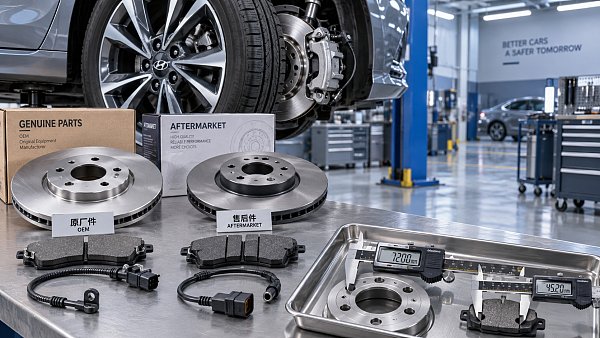
- Brake upgrades: Better stopping performance can be beneficial, but poor balance between front and rear systems may alter wear rates or create calibration issues with ABS and stability control.
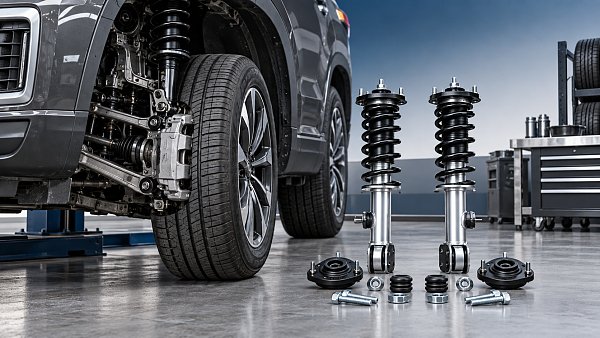
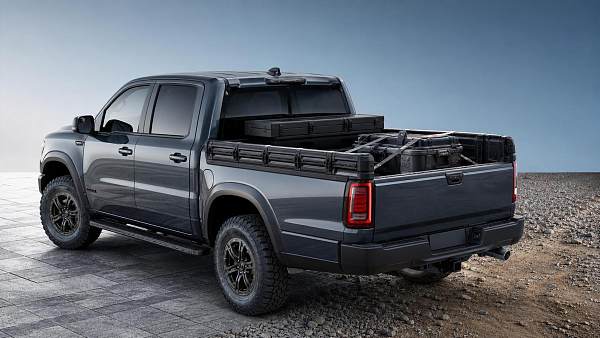
- Suspension modifications: Lift kits or lowering kits can affect steering geometry, tire wear, driveshaft angles, and alignment maintenance frequency.
In business terms, the problem is usually not the upgrade itself. It is the hidden maintenance chain reaction that follows. Buyers and channel partners need to assess not only installation success, but also the service burden created six months later.
Which upgrades are most likely to create hidden long-term costs?
From a lifecycle perspective, the most problematic upgrades are those that change load distribution, thermal behavior, software communication, or service requirements. These categories deserve the most attention when evaluating replacement parts demand and aftermarket risk.
1. Performance upgrades
Performance-focused modifications often create the clearest trade-off between short-term user satisfaction and long-term maintenance burden. Higher horsepower or torque usually means greater stress on supporting systems such as clutches, transmissions, mounts, cooling assemblies, and brakes.
2. Electronic and sensor-based accessories
Modern vehicles rely on networked electronics. Adding cameras, infotainment devices, lighting systems, or smart monitoring accessories can interfere with voltage stability, software communication, and fault diagnostics. When these issues occur, maintenance becomes more time-consuming and expensive because the root cause is harder to isolate.
3. Suspension and wheel changes
These upgrades often appear simple but can trigger ongoing alignment, tire, bearing, and joint issues. For fleets, resellers, and distributors, this matters because the repeat maintenance cycle may raise demand for some components while damaging overall user satisfaction.
4. Low-cost appearance modifications
Body kits, low-grade trim accessories, or poorly fitted external parts may increase vibration, water leakage, corrosion exposure, and fastening failures. These products can create warranty disputes and reputational risk for sellers.
5. Poorly matched sustainable replacements
Eco-friendly solutions are increasingly important, but sustainable technology must still meet fitment, durability, and operating-condition requirements. A recycled, remanufactured, or lightweight component can be an excellent choice if engineering standards are strong. If not, it may create premature failure and reduce trust in green alternatives.
What should buyers and distributors check before approving or stocking upgraded parts?
For professional readers, the key question is practical: how can risk be screened before a product reaches the market or enters a purchasing decision? The most effective approach is to evaluate upgrades across five dimensions.
Compatibility
Check whether the part matches the vehicle’s platform, trim level, software architecture, load rating, and operating environment. A part that fits physically may still fail electronically or functionally.
Service impact
Ask whether the upgrade changes maintenance intervals, inspection needs, fluid requirements, alignment frequency, or technician skill requirements. If service becomes more specialized, long-term cost rises.
System stress
Identify whether the upgrade increases heat, vibration, pressure, electrical draw, or torque transfer. Most hidden maintenance issues begin when a downstream component is forced beyond its normal design window.
Warranty and liability
Clarify who carries responsibility if the upgraded part affects adjacent systems. In B2B channels, unclear warranty ownership can quickly become a larger problem than the original technical fault.
Sustainability value
Assess whether the upgrade delivers measurable environmental benefit without undermining service life. Sustainable technology is most valuable when it reduces waste, energy use, or replacement frequency while preserving reliability.
A simple pre-purchase checklist based on these factors can help procurement teams avoid low-visibility risks that are often missed in standard product comparisons.
How do replacement parts and upgrades affect aftermarket strategy?
For distributors, agents, and commercial evaluators, vehicle upgrades are not just technical events. They reshape aftermarket demand. An upgrade can increase sales of related replacement parts, but it can also increase returns, complaints, technical support requirements, and customer dissatisfaction.
This creates a strategic challenge. A product line may appear attractive because it generates additional parts consumption. However, if the upgrade causes frequent failures in related systems, the total business effect may be negative. High return rates, unclear fault responsibility, and inconsistent field performance can damage both margin and brand credibility.
That is why leading aftermarket businesses increasingly evaluate upgrades in terms of ecosystem impact:
- Does the product create repeat demand because it performs well, or because it creates avoidable failures?
- Will installers need special training or diagnostic tools?
- Are replacement parts standardized and easy to source globally?
- Can product claims be supported with real durability data?
- Is the upgrade aligned with regulatory and environmental trends in target markets?
For organizations operating across regions, the answer may vary by road condition, climate, emissions policy, workshop capability, and customer behavior. This is particularly relevant in cross-border trade, where a part successful in one market may create maintenance problems in another.
Where does sustainable technology fit into smarter upgrade decisions?
Sustainability is no longer separate from maintenance planning. In the automotive sector, environmental innovation increasingly influences how upgrades and replacement parts are designed, marketed, and evaluated. But sustainability should not be treated as a branding layer alone. It must be tied to lifecycle performance.
Examples of sustainable and Eco Tech trends with practical value include:
- Remanufactured components: These can reduce material waste and cost, especially in starters, alternators, brake calipers, and driveline systems, provided remanufacturing quality is controlled.
- Lightweight materials: Reduced mass can improve energy efficiency, but buyers must verify durability, thermal resistance, and repairability.
- Energy-efficient electronics: Smarter lighting, battery management, and monitoring systems may reduce energy use, but integration quality is critical.
- Long-life consumables: Products designed for extended service intervals can lower waste generation and maintenance frequency when real-world conditions support those claims.
- Recyclable packaging and circular supply models: These improve sustainability at the supply-chain level and may strengthen procurement value in regulated markets.
The strongest eco-friendly solutions are those that reduce both environmental burden and maintenance volatility. If a “green” upgrade fails early or causes other components to wear faster, its sustainability case becomes weak. For this reason, durability data, return analysis, and field performance feedback are more important than marketing language.
How can decision-makers separate useful upgrades from risky ones?
A practical judgment framework helps. For most professional buyers and evaluators, the best upgrades usually meet four standards:
- They solve a real use-case problem such as efficiency, safety, reliability, or compliance.
- They do not create disproportionate maintenance burden in connected systems.
- They are supported by clear technical documentation, fitment guidance, and warranty terms.
- They deliver measurable lifecycle value rather than short-term appeal alone.
Warning signs include vague compatibility claims, missing installation specifications, no stress-testing evidence, limited regional support, and overly broad marketing promises. These signs often indicate that the product may perform inconsistently in real operating conditions.
For distributors and procurement teams, it is also wise to review field data regularly. Warranty claims, workshop feedback, repeat failure patterns, and customer complaint categories often reveal upgrade-related maintenance problems earlier than catalog data does.
What does this mean for the future automotive aftermarket?
The market is moving toward more integrated, data-driven, and sustainability-aware decisions. As vehicles become more software-defined and electrified, the difference between a beneficial upgrade and a risky one will depend even more on compatibility engineering and service planning.
This shift creates opportunities for suppliers and distributors that can offer not just parts, but verified technical confidence. Companies that combine product knowledge, system-level understanding, and sustainable technology insight will be better positioned to serve repair networks, fleet buyers, and international channel partners.
In this environment, the most valuable aftermarket offering is not simply a new accessory or performance part. It is a well-documented solution that improves vehicle function without creating avoidable maintenance complications.
Conclusion
Some vehicle upgrades create new maintenance problems because vehicles operate as interconnected systems, not isolated components. A modification that improves one function can increase stress, complexity, or incompatibility elsewhere. For information researchers, purchasers, distributors, and business evaluators, the key is to assess upgrades through a lifecycle lens: compatibility, service impact, system stress, warranty exposure, and sustainability value.
Replacement parts, vehicle upgrades, and environmental innovation are now closely linked. The smartest decisions come from balancing performance goals with long-term reliability and realistic service conditions. Whether evaluating conventional aftermarket parts or emerging Eco Tech solutions, the best strategy is clear: prioritize upgrades that deliver measurable value without creating hidden maintenance costs later.
Recommended News
 Sep 26, 2026When do aftermarket shock absorbers need replacement?Aftermarket shock absorbers may need replacement when bouncing, leaks, tire cupping, or unstable handling appear. Learn key warning signs and choose the right time to inspect.
 Sep 17, 2026How to verify fitment before buying vehicle specific aftermarket partsVehicle specific aftermarket parts: verify VIN, OEM numbers, fitment details, and installation needs before buying to avoid costly mistakes.
 Sep 16, 2026How Brake Drum Compatibility Impacts Trailer Safety Compliance and Maintenance Intervalssemi trailer spare parts: Discover how brake drum compatibility directly impacts trailer safety compliance, maintenance intervals, and regulatory risk—get expert insights now.
 Sep 09, 2026Evaluating Replacement Brake Drums for BPW Axle Systems: Compatibility, Certification, and Aftermarket Sourcing Riskssemi trailer spare parts: Discover critical risks in sourcing BPW brake drums—compatibility, certification & aftermarket pitfalls revealed.
 Sep 08, 2026Why Semi Trailer Brake Drums Crack: Wear Patterns and PreventionSemi trailer spare parts guide: identify brake drum crack patterns, prevent overheating, and improve wheel-end safety with practical maintenance insights.
 Aug 25, 2026How to vet an aftermarket replacement auto parts supplier for quality consistencyAftermarket replacement auto parts supplier selection starts with proof of quality consistency. Learn how to assess traceability, process control, packaging, and complaint handling before you buy.
 Jul 11, 2026Fleet Aftermarket Service: What to Check in Parts Coverage, Response Time, and WarrantyFleet aftermarket service guide: learn how to evaluate parts coverage, response time, and warranty terms to reduce downtime, control repair costs, and choose a more reliable supplier.
 Jul 10, 2026Replacement Auto Parts USA: How to Verify Fitment, Quality, and Supplier ReliabilityReplacement auto parts USA sourcing made safer: learn how to verify fitment, assess real quality, and spot reliable suppliers before returns, warranty claims, and costly ordering mistakes happen.
 Jul 10, 2026How to Choose Vehicle Accessories for Trucks Based on Load, Terrain, and Daily UseVehicle accessories for trucks should match load, terrain, and daily use. Discover practical tips to choose smarter upgrades for safety, durability, comfort, and long-term value.
 Jul 09, 2026Auto Parts Industry Europe: Key Market Shifts Affecting OEM and Aftermarket BuyersAuto parts industry Europe is shifting fast. Explore key OEM and aftermarket trends, compliance risks, and sourcing strategies shaping smarter buying decisions.
 Jul 08, 2026Aftermarket Engineered Components: When to Choose Replacement Parts Over OEM OptionsAftermarket engineered components can cut downtime, improve service life, and lower total maintenance cost. Learn when replacement parts outperform OEM options.
 Jul 05, 2026Aftermarket Solutions for Vehicle Maintenance: Which Parts and Services Save More Downtime?Aftermarket solutions for vehicle maintenance that cut downtime most: discover which parts, diagnostics, and preventive services deliver faster returns, fewer repeat repairs, and smarter fleet savings.
 Jul 05, 2026Replacement Auto Parts USA Market: How Distributors Compare Demand by CategoryReplacement auto parts USA market trends by category: compare brakes, filters, sensors, collision parts, and batteries to spot demand shifts, inventory priorities, and profitable distributor strategies.
 Jul 03, 2026Aftermarket Auto Parts vs OEM Parts: What to Compare Before You BuyAftermarket auto parts vs OEM parts: compare fit, quality, warranty, safety, and long-term value before you buy. Make a smarter parts choice with confidence.
 Jul 02, 2026Replacement Auto Parts Database: What Data Fields Matter Most for Fast Part Matching?Replacement auto parts database essentials: discover the key data fields for faster, more accurate part matching, fewer returns, and smarter sourcing decisions.
 Jul 01, 2026Injection Molded Aftermarket Parts vs OEM: How to Compare Fit, Cost, and Lead TimeInjection molded aftermarket parts vs OEM: compare fit, total cost, and lead time with a practical buyer framework to reduce sourcing risk and make faster purchasing decisions.
 Jun 29, 2026Sourcing Automotive Parts in Europe: OEM, Aftermarket, and Compliance Checks ExplainedAutomotive parts Europe sourcing made simple: compare OEM vs aftermarket, verify supplier credibility, and run compliance checks to reduce risk, protect margins, and buy smarter.
 Jun 28, 2026Auto Parts Quality Standards Explained: Key Certifications, Tests, and Failure RisksAuto parts quality standards explained: learn key certifications, real-world tests, hidden failure risks, and smarter supplier checks to reduce recalls and improve compliance.
 Jun 27, 2026Stamped Aftermarket Parts vs Machined Parts: Which Option Fits Cost and Volume Targets?Stamped aftermarket parts vs machined parts: compare cost, tooling, volume, lead time, and precision to find the best sourcing strategy for margins, supply stability, and long-term value.
 Jun 25, 2026Diaper Bags Backpack Buying Guide: Features That Matter for Daily Outingsdiaperbagsbackpack buying guide: discover the features that matter most for daily outings, from smart storage and comfort to easy-clean materials and durable design.
 Jun 23, 2026Car Maintenance Tools Checklist: What to Buy First for DIY Repairs and Routine ServiceCar maintenance tools checklist for DIY beginners: discover what to buy first for safe routine service, oil changes, tire care, and smarter garage upgrades on any budget.
 Jun 22, 2026Outdoor Garden Supplies Buying Guide: How to Identify Durable Tools That Last LongerOutdoor garden supplies durable tools buying guide: learn how to spot stronger materials, smarter design, and long-lasting value before you buy.
 Jun 20, 2026Aftermarket Service vs OEM Support: What Buyers Should Compare Before SigningAftermarket service can shape uptime, repair costs, and supplier risk more than price alone. Compare OEM support, spare parts, warranty, and response speed before signing.
 Jun 19, 2026Car Replacement Parts: OEM vs Aftermarket, Fitment Risks, and Warranty QuestionsCar replacement parts guide: compare OEM vs aftermarket, avoid fitment risks, and understand warranty questions to choose safer, smarter parts with confidence.