


Search News
Global Industrial Intelligence Hub (GIIH)Industry Portal
Global Industrial Intelligence Hub (GIIH)Status
Standard Access
Upgrade to PremiumNewsEU Ends Low-Value Parcel Duty Exemption
Time
Click Count
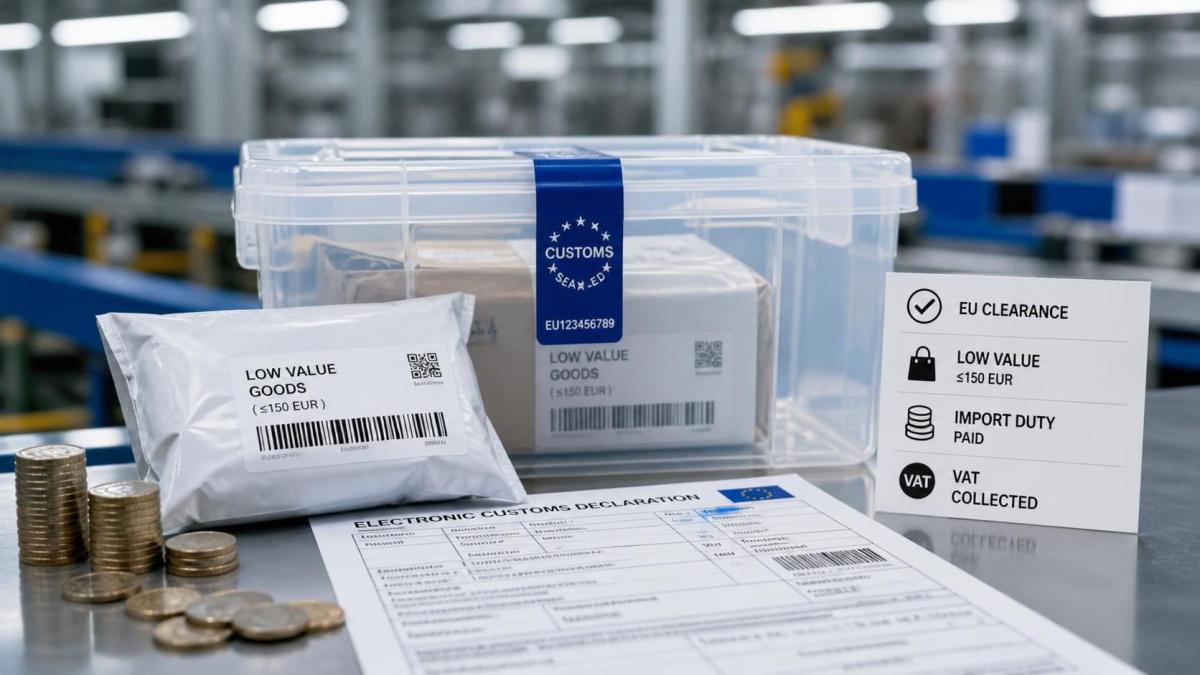
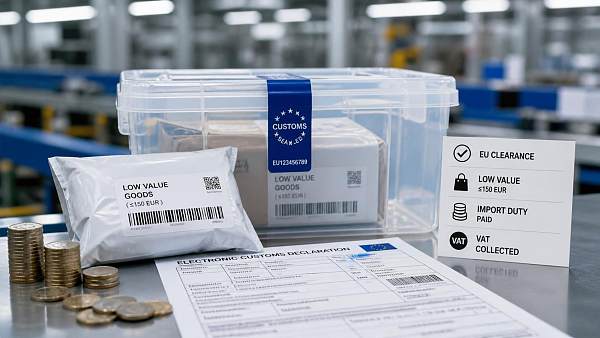
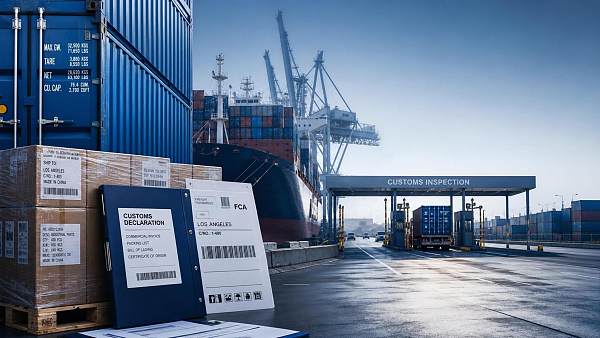
From 1 July 2026, the EU will end its long-standing duty exemption for cross-border low-value parcels below EUR 150 and apply a fixed EUR 3 clearance charge to individual consumer goods sent directly from outside the EU. The transition period runs until July 2028. With Temu, SHEIN and AliExpress identified as import-responsible entities, the change is set to affect China-to-EU B2C exporters’ customs cost, pricing logic and delivery models, making it a rule shift that logistics, compliance and cross-border sales teams need to track closely.
What the new regime changes
The confirmed change is straightforward: starting on 1 July 2026, the EU will remove the duty-free treatment that has applied for more than ten years to cross-border parcels under EUR 150. For personal consumer items shipped directly into the EU, a fixed EUR 3 clearance charge will apply per item. The policy includes a transition period through July 2028. Temu, SHEIN and AliExpress are named as import-responsible parties, with obligations to handle tax payment and compliance requirements.

Where the pressure will be felt first
Cross-border B2C exporters will face new landed-cost calculations
For China-based exporters selling directly to EU consumers, the main impact is on clearance cost, pricing structure and order economics. The fixed charge changes the way small-ticket goods are priced and may force sellers to revisit unit margins, bundle design and promotional pricing. What matters most is not only the duty itself, but the need to account for it consistently in checkout, invoicing and customs handling.
Platform-based channels will carry heavier compliance responsibility
Because Temu, SHEIN and AliExpress are listed as import-responsible entities, the policy shifts part of the compliance burden toward the platform layer. That affects declaration handling, tax allocation and the internal controls needed to support customs processing. For merchants operating through these channels, the practical question is how platform rules will be reflected in settlement, document submission and order release.
Logistics providers will need to adjust clearance workflows
Express, postal and consolidated shipping models may all be affected because a fixed per-item charge changes how shipments are classified, collected and released. Providers will need to watch whether the new regime leads to revised customs data requirements, different handoff points, or changes in who bears the charge at the shipment stage. For fulfillment teams, the issue is less about headline tariff policy and more about operational execution at the border.
What businesses should watch now
Check product-level cost and order structure
Exporters should review how the EUR 3 charge interacts with order value, parcel splitting and average basket size. If pricing models were built around duty-free low-value entry, they now need a fresh landed-cost check. That is especially relevant for consumer goods sold in high-volume, low-margin channels.
Review customs data, compliance files and responsibility allocation
The policy puts compliance responsibility front and center, so companies should confirm which party handles declaration, tax settlement and record retention. Internal files, product descriptions, shipment data and any supporting compliance documents should be aligned before the rule starts to bite in live operations. The transition period suggests that execution details may still evolve, so current preparations should leave room for later rule clarifications.
Align supply chain planning with delivery timing
Businesses selling into the EU should reassess lead times, shipping methods and order cut-off rules. If the clearance process becomes more standardized or more document-heavy, delivery promises may need to be reset to avoid delays and disputes. This is also the point to review whether current suppliers and fulfillment partners can support the new compliance load.
How to read this shift
From an industry perspective, this should be read as a clear regulatory execution signal rather than a vague policy signal. The core direction is already set: low-value direct mail into the EU will no longer enjoy the previous exemption, and import responsibility is being assigned more explicitly. What still deserves closer attention is the detailed enforcement approach during the transition period, especially how the rule is reflected in platform operations, customs handling and seller obligations.
What matters next is not speculation about broader market effects, but the practical follow-through: whether customs procedures, platform documentation requirements and delivery workflows are adjusted in a consistent way. For exporters and logistics operators, the near-term task is to treat this as a live compliance change and test current processes against it.
Current reading of the policy
The most reasonable way to understand this announcement is as an implemented change with a phased rollout window, not as a general policy discussion. It alters the cost and compliance structure of China-to-EU direct mail, especially for consumer goods sold through platform-led B2C channels. The decisive issue now is execution: how the fixed charge is applied, how responsibility is assigned, and how quickly market participants adapt their pricing and fulfillment models.
Source basis and follow-up
This article is based on the user-provided title, event date and event summary. In a real publication workflow, the relevant source types would normally include official notices, customs or trade authority releases, regulator statements, industry association updates, standard or rule documents, and authoritative media coverage. No direct official source links were provided in the input, so the specific primary source still needs to be verified. Further attention should remain on the final implementation details, compliance wording, platform execution rules, customs handling, and feedback from affected exporters and logistics operators.
Recommended News
 Sep 24, 2026When does supply chain management software pay for itself?Supply chain management software pays for itself by reducing avoidable inventory, freight, stockout, and planning costs. Learn how to build a credible ROI case.
 Sep 20, 2026How supplier compliance monitoring reduces disruption riskSupplier compliance monitoring helps teams spot risks early, prevent costly disruptions, strengthen supplier resilience, and protect operational continuity.
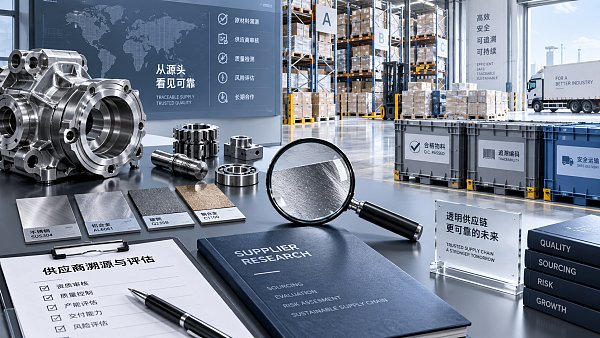
 Sep 16, 2026What makes a procurement research platform reliable for supplier sourcing?A procurement research platform for sourcing helps teams identify credible suppliers, assess risk, verify evidence, and build defensible shortlists for smarter decisions.
 Sep 07, 2026How to compare cross border logistics services for reliable deliveryCompare cross border logistics services with confidence. Learn how to assess customs, tracking, costs, final-mile coverage, and exception handling for reliable delivery.
 Sep 05, 2026How to Compare an Order Fulfillment Pricing Model by Total CostOrder fulfillment pricing model guide: compare total costs across storage, shipping, returns, fees, and service levels to select the right fulfillment partner.
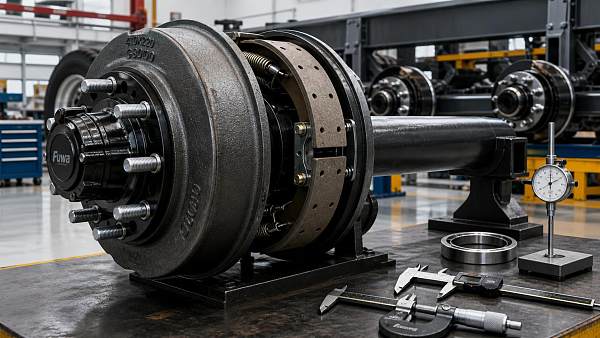
 Sep 07, 2026Sourcing Semi-Trailer Spare Parts Without Compromising Brake Drum QualitySemi trailer spare parts sourcing guide: choose reliable brake drums with verified fitment, traceability, and quality control to protect safety, uptime, and costs.
 Aug 28, 2026France Lowers Foreign Investment Review Threshold to 10% for Non-EU BuyersFrance lowers its foreign investment review threshold to 10% for non-EU buyers, reshaping strategic deals, compliance planning, and cross-border investment.
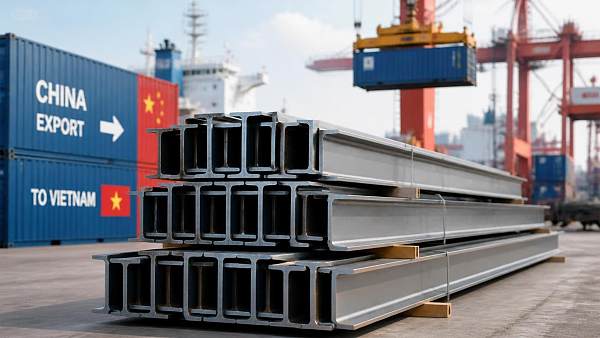
 Aug 25, 2026Vietnam Cuts Anti-Dumping Duty on Chinese H-Beam Steel to 6.78%Vietnam cuts anti-dumping duty on Chinese H-beam steel to 6.78%, reshaping import costs and sourcing decisions in Southeast Asia. See what buyers and traders should do next.
 Aug 21, 2026France Lowers Foreign Investment Review Threshold to 10% for Non-EU BuyersFrance lowers its foreign investment review threshold to 10% for non-EU buyers, reshaping deals in strategic sectors. See what this means for investors, timelines, and cross-border transaction risk.
 Aug 20, 2026BRICS Reaches Consensus on Green Minerals Supply Chains and Wider Local-Currency TradeBRICS green minerals supply chains and wider local-currency trade could reshape industrial exports, settlement, and compliance. See what Chinese exporters should watch next.
 Aug 19, 2026RCEP Steel Conference in Nanning Highlights Green Low-Carbon Technology CooperationRCEP Steel Conference in Nanning highlights green low-carbon technology cooperation, tariff rules, and compliance trends shaping steel exports, supply chains, and new regional business opportunities.
 Aug 18, 2026Second Strait of Hormuz Closure Raises Supply Chain Risks as Oil and Freight Costs ClimbSecond Strait of Hormuz closure raises supply chain risks as oil and freight costs climb. Explore impacts on shipping, pricing, and key export sectors now.
 Aug 16, 2026EU Battery Passport Becomes Mandatory for Exported Storage Products on August 18EU Battery Passport becomes mandatory on August 18, 2026 for exported storage products above 2kWh. Learn what Chinese exporters, integrators, and OEMs must do to stay compliant.
 Aug 15, 2026China Widens Cross-Border Cash Pool Access for Multinationals on Sept. 14China widens cross-border cash pooling for multinationals on Sept. 14, boosting treasury efficiency, liquidity, and payment coordination for China-linked businesses.
 Aug 13, 2026EU Ends Low-Value Parcel Duty ExemptionEU ends the low-value parcel duty exemption, reshaping China-to-EU e-commerce costs, customs compliance, and delivery models for exporters and logistics teams.
 Aug 12, 2026Jiangsu Tightens Overseas Patent Rules for ExportersJiangsu Tightens Overseas Patent Rules for Exporters: learn how new patent search, design-around, and local filing demands may reshape market access in the US, Europe, and Southeast Asia.
 Aug 11, 2026EU CBAM Expansion Adds Hydrogen Products, Pre-Filing Starts Oct 2026EU CBAM expansion adds hydrogen products and starts pre-filing in Oct 2026. Learn how Chinese exporters can prepare carbon data, electricity records, and compliance workflows now.
 Jul 15, 2026Global Shipping Logistics Customs Clearance: Common Delays and How to Prevent ThemGlobal shipping logistics customs clearance made simple: learn the most common delay triggers, reduce document and HS code errors, and keep cross-border shipments moving faster.
 Jul 13, 2026Cloud Project Specification Planning: How to Prevent Scope Gaps Before Procurement StartsCloud project specification planning helps teams define scope, compliance, integrations, and cost drivers before procurement begins—reducing risk, avoiding change requests, and improving vendor fit.
 Jul 12, 2026Logistics Management Analytics: Which KPIs Improve Delivery and Inventory Control?Logistics management analytics helps identify the KPIs that truly improve delivery speed, inventory accuracy, and service reliability across complex supply chains.
 Jul 11, 2026Ecommerce Logistics Sourcing Guide: How to Compare Lead Time, MOQ, and Shipping CostsEcommerce logistics sourcing guide for buyers comparing lead time, MOQ, and shipping costs. Learn how to reduce landed cost risk, improve supplier selection, and make smarter sourcing decisions.
 Jul 10, 2026Supply Chain Bottleneck Analysis for Exporters: Where Delays Happen and How to RespondSupply chain bottleneck analysis for exporters reveals where delays start—from suppliers and documentation to ports and delivery—and shows practical ways to respond faster, cut risk, and protect margins.
 Jul 09, 2026Supply Chain Intelligence Europe: Which Data Signals Matter for Sourcing Decisions?Supply chain intelligence Europe: discover the key data signals shaping smarter sourcing decisions, from supplier risk and lead times to compliance, costs, and logistics performance.
![]() Jul 07, 2026Supply Chain Intelligence and ISO Standards: How to Align Data, Traceability, and ComplianceSupply chain intelligence ISO standards explained: learn how to align data, traceability, and compliance to reduce risk, speed audits, and build resilient operations.
Jul 07, 2026Supply Chain Intelligence and ISO Standards: How to Align Data, Traceability, and ComplianceSupply chain intelligence ISO standards explained: learn how to align data, traceability, and compliance to reduce risk, speed audits, and build resilient operations.