


Search News
Global Industrial Intelligence Hub (GIIH)Industry Portal
Global Industrial Intelligence Hub (GIIH)Status
Standard Access
Upgrade to PremiumNewsEV motor overheating causes that are often missed early
Time
Click Count
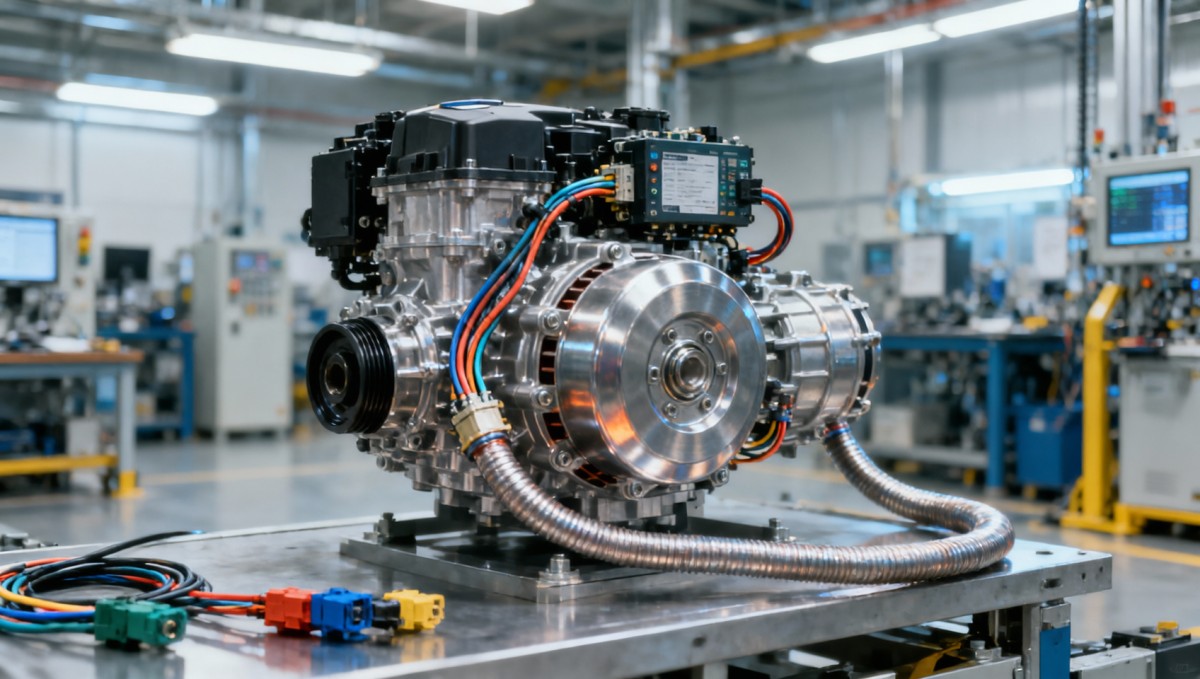
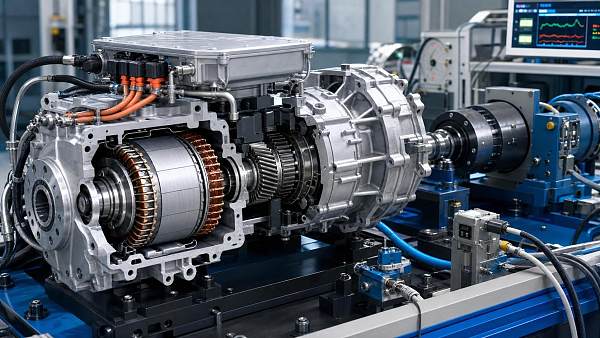
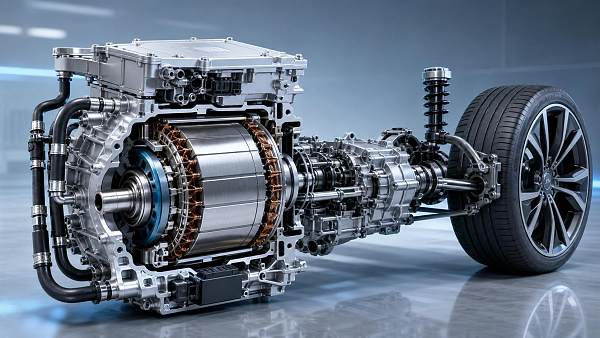
EV motor overheating is often blamed on the EV battery, yet early warning signs can hide in overlooked EV components and EV accessories long before failure occurs. For users and operators, understanding these missed causes helps reduce downtime, protect system efficiency, and improve safety. Drawing on cross-industry intelligence—from EV systems to lessons in precision monitoring used in medical devices and medical device engineering—this guide highlights what to check before small heat issues turn into costly repairs.
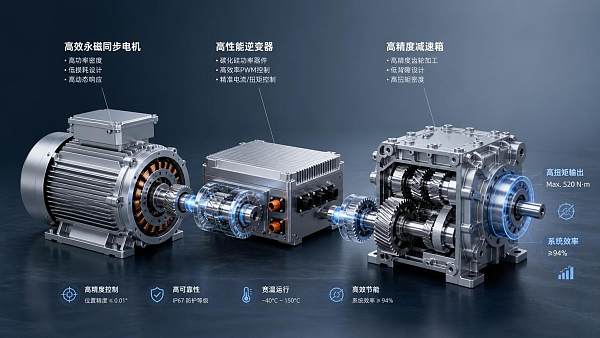
For operators, maintenance teams, and hands-on users, the practical issue is not only why an EV motor overheats, but why the problem is often detected too late. In many field cases, the motor itself is only the final visible symptom. The actual trigger may begin in wiring resistance, cooling loop imbalance, sensor drift, bearing load, or controller calibration that slowly pushes the thermal system out of its normal operating window.
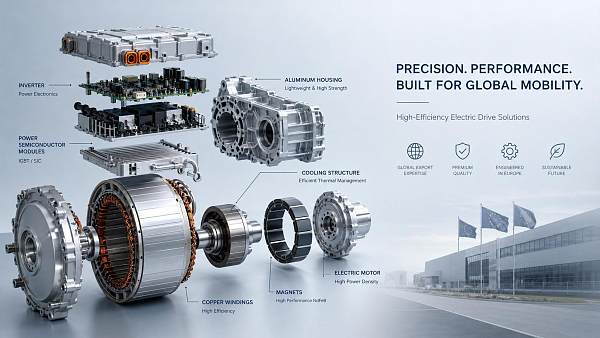
A useful troubleshooting approach is to treat overheating as a system-level condition rather than a single-part defect. Modern electric drive systems work within narrow temperature, current, and rotational tolerances. Once one link starts running 5°C to 15°C above normal, heat can cascade across the inverter, cable harness, gearbox interface, and motor windings. That is why early inspection matters for both reliability and operating cost.
Why EV Motor Overheating Starts Earlier Than Most Operators Expect

An EV motor rarely jumps from healthy operation to severe overheating in one day. In most applications, heat buildup starts as a small deviation during repeated duty cycles. A delivery EV, shuttle vehicle, warehouse mover, or compact utility platform may run 6 to 12 hours per day with frequent stop-start patterns. Under these conditions, even minor thermal inefficiencies become cumulative.
One common oversight is assuming that if the vehicle still drives normally, the motor temperature is acceptable. In reality, efficiency loss can appear before an obvious fault code. A motor that previously stabilized at 65°C to 80°C may begin operating at 85°C to 95°C under the same route and payload. That 10°C rise may not trigger immediate shutdown, but it can accelerate insulation aging, lubricant breakdown, and connector stress.
Another missed cause is thermal lag between components. The inverter, resolver, phase cables, and cooling assembly do not heat up or cool down at the same speed. If the motor housing sensor reads within limit, operators may overlook localized hot spots near stator windings or cable terminations. This is similar to precision monitoring logic in medical device engineering, where a stable system reading can still hide component-level deviation.
From a field service perspective, early overheating usually comes from a combination of 2 to 4 smaller issues rather than one major failure. A slightly clogged coolant passage, a loose terminal, higher rolling resistance, and repeated overload on inclines can together raise motor stress beyond its intended thermal margin. Users who only inspect the battery pack may miss this broader interaction.
The first signs users often notice
- Power fades after 20 to 40 minutes of continuous operation rather than at startup.
- Cabin or chassis vibration increases slightly at mid-speed ranges such as 30 to 50 km/h.
- The cooling fan or pump cycles more often than in previous weeks.
- Charging-to-driving turnaround appears normal, but energy consumption per route rises by 5% to 12%.
Why these signs are easy to miss
Many of these symptoms overlap with normal wear, route changes, or seasonal temperature differences. Operators may attribute reduced efficiency to tires, cargo, or weather, especially when ambient temperature shifts between 10°C and 35°C. Without a simple trend record, small thermal changes do not stand out.
The table below shows how early-stage overheating often presents differently from late-stage faults, helping users decide when inspection should happen before expensive downtime begins.
The main takeaway is simple: waiting for a dashboard alarm is too late for cost-efficient maintenance. A trend increase in heat, energy draw, or vibration over 2 to 3 weeks is already enough reason to inspect the wider EV drive system.
Overlooked Components and Accessories That Quietly Raise Motor Temperature
Users often focus on the motor housing, but several surrounding EV components and EV accessories can be the real cause of thermal rise. Cable lugs, busbar joints, coolant hoses, seals, pumps, ducting, filters, mounting brackets, and even protective covers can interfere with heat dissipation. A small resistance increase at one connection point can create localized heating under high current demand.
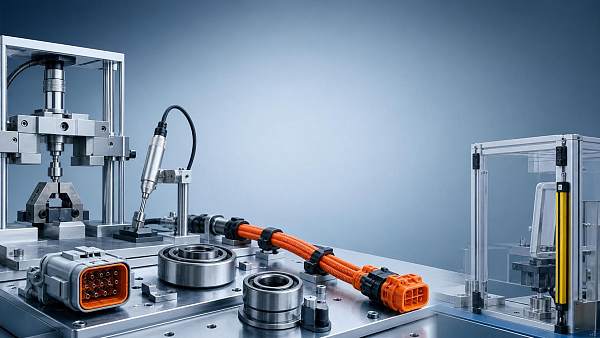
Electrical connections are especially easy to overlook because they may appear physically intact. However, oxidation, weak crimping, vibration loosening, or moisture exposure can raise contact resistance over time. In an EV system carrying high current during acceleration or climbing, even a modest resistance change can create enough extra heat to warm nearby terminals and influence motor control behavior.
Cooling accessories also deserve closer attention. A partially blocked radiator path, trapped air in the liquid loop, aging coolant, or a pump that has lost flow performance by 10% to 20% can reduce heat removal without producing an immediate failure code. For fleets operating in dusty logistics yards or humid urban routes, this is a frequent source of hidden EV motor overheating.
Mechanical accessories can contribute as well. Misaligned couplings, excessive chain tension, worn bearings, or drag from auxiliary driven systems increase torque demand on the motor. The electrical system then compensates with higher current, and thermal load rises. This is one reason operators should inspect drivetrain resistance and mounting accuracy, not only electronic control data.
High-risk parts to check in the first 30 minutes of inspection
- Phase cable terminals and junction points for discoloration, odor, looseness, or uneven surface heating.
- Coolant inlet and outlet temperature difference, typically expected to remain stable within the equipment’s designed range.
- Motor mount integrity and alignment condition, especially after impact, tire replacement, or drivetrain servicing.
- Airflow paths, dust screens, and fan operation frequency in enclosed or compact vehicle designs.
Typical overlooked causes compared
The following table helps users prioritize checks by comparing where hidden heat often starts, how it appears, and what action is usually practical on site.
For users and operators, this comparison supports faster decision-making. Instead of replacing the motor too early, a structured inspection of accessories and interfaces can often reveal the real cause with lower downtime and lower replacement cost.
Operational Patterns That Trigger Hidden Heat Buildup
Not all overheating starts with defective parts. Many cases come from operating patterns that keep the motor in a less efficient thermal zone for too long. Frequent acceleration with heavy payloads, repeated ramp climbing, low-speed operation with poor airflow, and long idling under auxiliary load can each increase copper loss and cooling demand.
A common example is urban stop-start duty. In this scenario, the vehicle may never reach sustained high speed, so airflow-based cooling stays limited while repeated current peaks continue. Over a 90-minute shift, heat accumulates faster than it dissipates. This pattern is common in logistics vehicles, maintenance carts, industrial transport units, and compact fleet EVs used indoors or in mixed environments.
Payload management also matters. Operators may remain within legal load limits, but still create thermal stress if route grade, ambient temperature, and acceleration style combine unfavorably. For example, a vehicle operating at 80% of rated payload on a 6% incline in 32°C weather will demand much more from the motor than the same load on flat ground at 18°C. The system may be compliant on paper but still experience early heat stress in practice.
Another missed factor is maintenance timing. If cooling channels, filters, or terminals are inspected every 12 months but the vehicle runs high-duty cycles every day, the maintenance interval may be too long. In demanding applications, a 4-week to 8-week visual check and a 3-month thermal trend review can be far more effective than relying on annual servicing alone.
Use-condition checklist for operators
- Record ambient temperature, route length, and payload for at least 7 consecutive operating days.
- Compare motor temperature after similar tasks rather than comparing random daily peaks.
- Identify whether overheating appears during climbing, low-speed movement, towing, or repeated starts.
- Track whether derating begins after a specific duration such as 25, 40, or 60 minutes.
Why this matters for system efficiency
Once the motor repeatedly runs hotter than intended, system efficiency falls and total operating cost rises. More energy is consumed for the same work, and related parts such as seals, coolant pumps, bearings, and harness insulation age faster. Even if the motor survives, the surrounding system becomes less reliable over the next 6 to 12 months.
For fleet users, these patterns also affect maintenance planning and spare parts strategy. It is more cost-effective to identify a workload-related overheating pattern early than to stock unnecessary major components or replace healthy motors based on incomplete diagnosis.
A Practical Inspection Process Before Major Repair or Replacement
Before replacing an EV motor, users should follow a structured inspection sequence. This reduces unnecessary parts spend and improves fault accuracy. In many B2B operating environments, especially where uptime matters, a disciplined 5-step process can shorten diagnosis from several days to a few working hours, depending on access and tooling.
The first step is baseline comparison. Review recent operating history against prior normal conditions. If route length, ambient heat, load, or shift duration has changed by 15% or more, overheating may be operational rather than purely mechanical or electrical. This context helps prevent misdiagnosis.
The second step is a physical and thermal walkaround. Check connectors, housings, coolant lines, mounts, fan activity, and visible contamination. A handheld thermal camera or contact sensor can quickly reveal whether heat is concentrated at the motor body, cable joint, inverter side, or cooling path. Localized hot spots are often more useful than one average temperature reading.
The third step is electrical verification. Measure terminal condition, insulation health where applicable, and current balance under load. The fourth step is mechanical drag inspection, including bearings, alignment, brake resistance, and drivetrain rotation. The fifth step is control-system review, where sensor feedback and derating logic are checked against real operating temperature.
Recommended 5-step field process
- Review operating profile from the last 2 to 4 weeks, including load, route, and climate changes.
- Perform external inspection for contamination, loose fittings, blocked airflow, and coolant issues.
- Check electrical interfaces, especially high-current joints and temperature sensor channels.
- Inspect mechanical resistance points such as bearings, coupling, brake drag, and alignment.
- Run a controlled test cycle and compare measured temperatures before and after correction.
Inspection priorities by symptom
Because operators may not have time for full teardown, the table below matches common symptoms to the first checks that usually deliver the fastest answers.
This process supports better maintenance decisions, especially for organizations managing multiple EV units. It also aligns with broader industrial best practice: verify the full chain of load, heat, sensing, and cooling before approving a major component purchase.
How Users and Operators Can Reduce Overheating Risk in Daily Service
The best way to control EV motor overheating is to combine daily awareness with periodic technical checks. Users do not need complex laboratory tools to improve outcomes. In many cases, a short routine that takes 10 to 15 minutes per shift can identify abnormal heat patterns before they grow into outages. The key is consistency and documentation.
Start by standardizing what gets checked. If one operator reports “warm motor” and another reports “slight smell,” the data is too vague to support maintenance action. A better practice is to record 4 items consistently: operating duration before heat rise, ambient temperature, load level, and exact area where heat is detected. These details make service teams faster and more accurate.
Second, shorten the response window for repeat symptoms. If overheating appears in 2 or 3 similar duty cycles within one week, inspection should be scheduled promptly rather than waiting for the next major service date. Early intervention is usually lower-cost than late-stage repair because it may involve cleaning, tightening, recalibration, or accessory replacement instead of motor replacement.
Third, work with solution providers who understand system interaction, not only standalone parts. For industrial buyers, this is where sector intelligence matters. A reliable technical partner should be able to connect operating context, component quality, maintenance timing, and replacement planning into one practical recommendation rather than offering a one-part answer.
Daily and monthly prevention actions
- Daily: check for unusual odor, repeated fan activity, coolant loss, visible dust buildup, and route-specific power fade.
- Weekly: compare operating temperature trend at similar load and route conditions.
- Monthly: inspect terminals, mounts, cooling paths, and vibration changes during acceleration and deceleration.
- Quarterly: validate sensor readings, review maintenance intervals, and assess whether accessories or environment have changed.
FAQ for operators and buyers
How hot is too hot for an EV motor? The exact limit depends on motor design, insulation class, and cooling system, but what matters operationally is deviation from normal. A repeated increase of 10°C or more under the same duty is a strong warning sign even if the unit has not reached shutdown temperature.
Can accessories really cause EV motor overheating? Yes. Coolant pumps, hoses, connectors, dust screens, and mounting interfaces can all alter heat removal or increase resistance. These parts are often less expensive than the motor, but they can trigger the same downtime if ignored.
When should a user stop operating the vehicle? If the motor shows repeated derating, strong odor, abnormal vibration, or rapid temperature rise within a short duty cycle, continued operation may increase damage. In that case, controlled shutdown and inspection are safer than pushing to the next service slot.
What should buyers ask suppliers or service partners? Ask about diagnostic process, compatible monitoring methods, replacement lead times, maintenance intervals, and whether they can assess the whole drive system rather than just sell a motor. For industrial use, this systems view reduces repeat faults.
Early EV motor overheating causes are often missed because they do not begin as dramatic faults. They emerge through small shifts in cooling efficiency, electrical resistance, mechanical load, or operating pattern. Users and operators who monitor trends, inspect overlooked EV components and EV accessories, and apply a structured troubleshooting process can prevent unnecessary downtime and protect long-term system performance.
For organizations evaluating maintenance strategy, component sourcing, or broader EV reliability decisions, informed technical guidance makes a measurable difference. GIIH supports industrial users with practical intelligence across mobility systems, component risk, and operational decision-making. Contact us to get a tailored solution, discuss technical details, or explore more industry-focused insights for EV thermal management and reliability improvement.
Recommended News
 Sep 12, 2026What does UN 38.3 testing cover for EV battery shipments?EV battery UN 38.3 testing covers altitude, thermal, vibration, shock, short-circuit, overcharge, and discharge risks. Learn key compliance steps for safer EV battery shipments.
 Aug 24, 2026How to compare electric drive components for torque and efficiencyElectric drive components comparison starts with real load profiles. Learn how to evaluate torque, efficiency, motor-inverter-gearbox fit, and avoid costly selection mistakes.
 Jul 29, 2026400V EV Battery Components Explained: Key Parts, Functions, and System Design BasicsEV battery components 400V explained clearly: discover key parts, core functions, safety logic, thermal design, and system basics to evaluate EV battery packs with confidence.
 Jul 18, 2026Automotive Component Rating Standards Explained: How to Compare Load, Temperature, and Safety LimitsAutomotive component rating standards explained clearly: learn how to compare load, temperature, and safety limits to reduce sourcing risk, improve compliance, and choose parts with confidence.
 Jul 15, 2026EV Components North America: Sourcing Priorities, Compliance, and Lead Time FactorsEV components North America buyers now face tougher sourcing decisions. Explore compliance risks, lead time pressures, and smarter strategies to reduce disruption and improve EV supply chain performance.
 Jul 13, 2026How to Evaluate a Battery Components Exporter for Quality, Traceability, and Lead TimeBattery components exporter selection goes beyond price. Learn how to assess quality control, traceability, and lead time to reduce supply risk and choose a reliable partner.
 Jul 12, 2026High Voltage EV Batteries vs Standard Packs: Key Design and Safety DifferencesHigh voltage EV batteries vs standard packs: explore the key design, charging, efficiency, and safety differences to choose the right EV battery architecture with confidence.
![]() Jul 07, 2026EV Accessories Buying Guide: Which Add-Ons Matter for Safety, Charging, and Daily Use?EV accessories buying guide: discover which add-ons truly improve charging, safety, and daily convenience, so you can choose smarter, safer gear with confidence.
Jul 07, 2026EV Accessories Buying Guide: Which Add-Ons Matter for Safety, Charging, and Daily Use?EV accessories buying guide: discover which add-ons truly improve charging, safety, and daily convenience, so you can choose smarter, safer gear with confidence. Jun 30, 2026EV Motor Selection Guide: Torque, Efficiency, Cooling, and Cost Trade-OffsEV motor selection guide covering torque, efficiency, cooling, and cost trade-offs. Learn how to choose the right EV motor for better range, reliability, and total value.
 Jun 29, 2026Permanent Magnet EV Motor Selection: Torque, Efficiency, Cooling, and Cost Trade-OffsPermanent magnet EV motor selection explained: compare torque, efficiency, cooling, and total cost trade-offs to choose the right EV drive solution with confidence.
 Jun 27, 2026Sourcing Guide for EV Components: How to Compare Suppliers, Lead Times, and MOQSourcing guide EV components for procurement teams: compare suppliers, lead times, MOQ, quality, and total cost to reduce risk and make smarter EV sourcing decisions.
 Jun 27, 2026Electric Drive Components Price in Europe: What Drives Cost by Motor, Inverter, and VolumeElectric drive components price Europe explained: see how motor design, inverter technology, and order volume shape real costs in Europe, and compare suppliers with greater confidence.
 Jun 25, 2026How Long Life Mobility Components Reduce Maintenance in High-Use EquipmentLong life mobility components cut maintenance by matching real load, floor, and cleaning conditions. See how smarter selection improves uptime, lowers service costs, and extends equipment life.
 Jun 23, 2026Spark Plugs OEM Sourcing Guide: Key Specs, Compatibility Checks, and Supplier RisksSpark plugs OEM sourcing guide covering key specs, compatibility checks, total cost, and supplier risks—learn how to avoid fitment errors, returns, and costly quality issues.
 Jun 13, 2026Vehicle Electronics Selection Guide: Key Standards, Interfaces, and Reliability FactorsVehicle electronics selection starts with standards, interfaces, and reliability. Learn how to compare components, reduce integration risk, and choose smarter for long-term performance.
 Jun 06, 2026What Is a BMS in Battery Systems? Functions, Key Components, and Selection BasicsBMS explained: learn what a Battery Management System does, its key components, and how to choose the right BMS for safer, longer-lasting, better-integrated battery systems.
 Jun 02, 2026Solid-State Battery Breakthroughs: What to Verify Before EV AdoptionSolid-state battery breakthroughs are reshaping EV strategy—learn what to verify in energy density, cycle life, safety, cost, and supplier readiness before adoption.
 May 31, 2026Why is EV battery tech reshaping range expectations?EV battery tech is redefining real-world range through smarter chemistry, thermal control, fast charging, and software—discover what matters beyond mileage.
![]() May 19, 2026Why long-lifespan solid-state batteries matter nowSolid-state battery breakthroughs long lifespan are reshaping EVs, grid storage, and industry. Discover why longer life, safer performance, and lower total cost matter now.
May 19, 2026Why long-lifespan solid-state batteries matter nowSolid-state battery breakthroughs long lifespan are reshaping EVs, grid storage, and industry. Discover why longer life, safer performance, and lower total cost matter now.![]() May 19, 2026Is off-grid lithium storage worth the upfront cost?Lithium battery storage for off-grid applications can justify higher upfront costs through lower maintenance, better efficiency, and stronger long-term ROI. See when it pays off.
May 19, 2026Is off-grid lithium storage worth the upfront cost?Lithium battery storage for off-grid applications can justify higher upfront costs through lower maintenance, better efficiency, and stronger long-term ROI. See when it pays off.![]() May 19, 2026Are solid-state battery breakthroughs finally lifting energy density?Solid-state battery breakthroughs in high energy density are moving beyond hype. Learn what technical evaluators should verify on cycle life, safety, cost, and scalable commercialization.
May 19, 2026Are solid-state battery breakthroughs finally lifting energy density?Solid-state battery breakthroughs in high energy density are moving beyond hype. Learn what technical evaluators should verify on cycle life, safety, cost, and scalable commercialization. May 18, 2026Why portable lithium battery storage needs better designLithium battery storage portable design matters more than ever. Discover how better safety, mobility, and charging design improve backup, travel, and field power performance.
 May 17, 2026What next-gen EV charging must solve beyond faster speedNext-gen wireless charging for electric vehicles must solve efficiency, safety, interoperability, and real-world deployment fit—not just speed. Explore what makes EV charging scalable and investment-ready.
 May 17, 2026How close are solid-state batteries to real EV production?Solid-state battery breakthroughs for electric vehicles are moving beyond the lab. Discover how close they are to real EV production, what still blocks scale-up, and which milestones matter most.