


Search News
Global Industrial Intelligence Hub (GIIH)Industry Portal
Global Industrial Intelligence Hub (GIIH)Status
Standard Access
Upgrade to PremiumNewsUS Announces Higher Tariffs on Chinese Electric Vehicles and Batteries
Time
Click Count
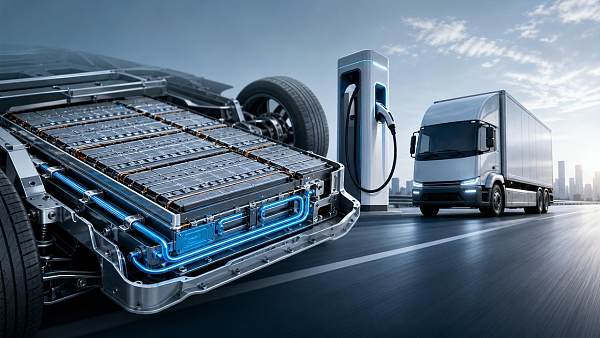
On May 14, 2024, the US government announced higher tariffs on imports from China, including an increase from 25% to 100% for electric vehicles and from 7.5% to 25% for lithium-ion electric vehicle batteries. From an industry perspective, the announcement could affect pricing, procurement and delivery decisions for vehicle exporters, battery suppliers and US importers. The central business question is how the announced rates will translate into costs and obligations for individual transactions, with implementation details still requiring verification.
Higher Rates Target Electric Vehicles and Their Batteries
The announcement covered substantial tariff increases on goods imported from China. For electric vehicles, the announced tariff rate rises from 25% to 100%. For lithium-ion batteries used in electric vehicles, the announced rate rises from 7.5% to 25%.
The US government described the action as intended to protect US manufacturing and supply chains from unfair trade practices.

Pricing and Sourcing Decisions Face Different Pressures
Vehicle exporters and importers may need to revisit quotations
Analysis suggests that the announced electric vehicle tariff increase could materially change the cost assumptions used in sales to the US. Exporters and importers may need to reassess quotations, expected margins and contractual responsibility for duties. For pending transactions, a useful review would connect the product description, shipment documentation and agreed delivery terms with verified information about tariff applicability and timing.
Battery procurement may require a separate cost assessment
From a procurement perspective, the announced increase for lithium-ion electric vehicle batteries could affect the economics of sourcing these products from China. Buyers and manufacturers using such batteries may need to compare supplier quotations on a consistent basis, including any applicable tariff costs. The battery category identified in the announcement should also prompt careful verification of product coverage before companies apply the stated rate to a particular purchase.
Supply chain coordination could become more demanding
Analysis suggests that logistics providers and other supply chain service businesses may face additional requests to reconcile shipment plans with customers' tariff assumptions. Clear product descriptions, consistent commercial documents and communication about delivery timing could help reduce uncertainty. Whether existing orders or goods already moving through the supply chain are affected cannot be determined from the supplied announcement alone.
Verify Applicability Before Revising Commercial Commitments
The following steps are practical considerations arising from the announcement, rather than requirements confirmed by the supplied information.
Confirm product coverage and implementation timing
Companies should consider checking subsequent official information for the effective dates, detailed product coverage and applicable customs treatment. The event date establishes when the announcement occurred; the supplied information does not establish when the higher rates become payable. Treating those dates as interchangeable could lead to inaccurate cost estimates.
Review pricing assumptions and responsibility for duties
A targeted commercial review could identify quotations and contracts that depend on the previous tariff rates. Exporters, importers and buyers may wish to clarify which party bears applicable duties and how any price adjustment would be agreed. Such a review would help assess transaction exposure without assuming that every existing commitment has already changed.
Align purchasing and delivery plans with verified rules
Procurement teams could assess how the announced rates would affect planned vehicle and battery purchases if applicable to those transactions. Any proposed changes to suppliers, order quantities or delivery schedules would benefit from a comparison of cost, product suitability and delivery feasibility. The announcement alone does not establish that an alternative source or an accelerated shipment would produce a better outcome.
Keep product and transaction records consistent
As a preparation measure, businesses could check that purchase orders, invoices and product descriptions consistently identify the goods involved. This may support later verification of tariff treatment. The supplied information does not identify a new certification or testing requirement, so any such obligation would need separate confirmation before being added to purchasing or delivery procedures.
An Announced Trade Change with Execution Details Still to Verify
At this stage, it is more appropriate to understand the event as an announced tariff policy change whose transaction-level effects require further verification. The supplied information confirms the announcement and the stated rates, but does not provide effective dates or detailed implementation provisions.
From an editorial perspective, the most useful follow-up will be evidence showing how the announced changes apply to specific products and shipments. Official implementation information, trade execution and responses from buyers and suppliers could influence whether businesses revise prices, sourcing arrangements or delivery plans. None of those commercial outcomes is established by the announcement alone.
Use the Announced Rates to Test Business Exposure
Analysis suggests that the immediate value of this announcement for industry participants lies in reviewing exposure to US-bound trade in Chinese electric vehicles and lithium-ion electric vehicle batteries. Companies can use the announced rates to assess potential cost changes while verifying the rules relevant to each transaction. A measured response would link commercial decisions to confirmed implementation information and keep purchasing and delivery assumptions under review.
Basis of This Report and Further Verification
This article is based solely on the user-provided news title, event date of May 14, 2024, and event summary. The industry implications and suggested business responses are analysis, rather than additional confirmed reporting.
No specific official source link was provided in the input. Further verification remains necessary through relevant official announcements and customs or trade authority information. Follow-up should focus on implementation details, product coverage, effective dates, trade execution and industry feedback.
Recommended News
 Oct 19, 2026Infineon Opens Third SiC Wafer Fab in Malaysia to Ease EV Supply BottlenecksExplore Infineon's reported SiC wafer fab expansion in Malaysia, its potential to ease EV supply bottlenecks, and key procurement checks to make informed sourcing decisions.
 Oct 17, 2026US Announces Higher Tariffs on Chinese Electric Vehicles and BatteriesUS tariffs on Chinese electric vehicles and batteries: explore the announced 100% EV and 25% battery rates, potential cost impacts and key checks for pricing and sourcing decisions.
 Sep 29, 2026When does a 400V EV motor meet a vehicle’s power needs?400V EV motor: discover how to match torque, peak and continuous power, battery current, gearing, and thermal limits for confident vehicle performance.
 Sep 12, 2026What does UN 38.3 testing cover for EV battery shipments?EV battery UN 38.3 testing covers altitude, thermal, vibration, shock, short-circuit, overcharge, and discharge risks. Learn key compliance steps for safer EV battery shipments.
 Aug 24, 2026How to compare electric drive components for torque and efficiencyElectric drive components comparison starts with real load profiles. Learn how to evaluate torque, efficiency, motor-inverter-gearbox fit, and avoid costly selection mistakes.
 Jul 29, 2026400V EV Battery Components Explained: Key Parts, Functions, and System Design BasicsEV battery components 400V explained clearly: discover key parts, core functions, safety logic, thermal design, and system basics to evaluate EV battery packs with confidence.
 Jul 18, 2026Automotive Component Rating Standards Explained: How to Compare Load, Temperature, and Safety LimitsAutomotive component rating standards explained clearly: learn how to compare load, temperature, and safety limits to reduce sourcing risk, improve compliance, and choose parts with confidence.
 Jul 15, 2026EV Components North America: Sourcing Priorities, Compliance, and Lead Time FactorsEV components North America buyers now face tougher sourcing decisions. Explore compliance risks, lead time pressures, and smarter strategies to reduce disruption and improve EV supply chain performance.
 Jul 13, 2026How to Evaluate a Battery Components Exporter for Quality, Traceability, and Lead TimeBattery components exporter selection goes beyond price. Learn how to assess quality control, traceability, and lead time to reduce supply risk and choose a reliable partner.
 Jul 12, 2026High Voltage EV Batteries vs Standard Packs: Key Design and Safety DifferencesHigh voltage EV batteries vs standard packs: explore the key design, charging, efficiency, and safety differences to choose the right EV battery architecture with confidence.
![]() Jul 07, 2026EV Accessories Buying Guide: Which Add-Ons Matter for Safety, Charging, and Daily Use?EV accessories buying guide: discover which add-ons truly improve charging, safety, and daily convenience, so you can choose smarter, safer gear with confidence.
 Jun 30, 2026EV Motor Selection Guide: Torque, Efficiency, Cooling, and Cost Trade-OffsEV motor selection guide covering torque, efficiency, cooling, and cost trade-offs. Learn how to choose the right EV motor for better range, reliability, and total value.
 Jun 29, 2026Permanent Magnet EV Motor Selection: Torque, Efficiency, Cooling, and Cost Trade-OffsPermanent magnet EV motor selection explained: compare torque, efficiency, cooling, and total cost trade-offs to choose the right EV drive solution with confidence.
 Jun 27, 2026Sourcing Guide for EV Components: How to Compare Suppliers, Lead Times, and MOQSourcing guide EV components for procurement teams: compare suppliers, lead times, MOQ, quality, and total cost to reduce risk and make smarter EV sourcing decisions.
 Jun 27, 2026Electric Drive Components Price in Europe: What Drives Cost by Motor, Inverter, and VolumeElectric drive components price Europe explained: see how motor design, inverter technology, and order volume shape real costs in Europe, and compare suppliers with greater confidence.
 Jun 25, 2026How Long Life Mobility Components Reduce Maintenance in High-Use EquipmentLong life mobility components cut maintenance by matching real load, floor, and cleaning conditions. See how smarter selection improves uptime, lowers service costs, and extends equipment life.
 Jun 23, 2026Spark Plugs OEM Sourcing Guide: Key Specs, Compatibility Checks, and Supplier RisksSpark plugs OEM sourcing guide covering key specs, compatibility checks, total cost, and supplier risks—learn how to avoid fitment errors, returns, and costly quality issues.
 Jun 13, 2026Vehicle Electronics Selection Guide: Key Standards, Interfaces, and Reliability FactorsVehicle electronics selection starts with standards, interfaces, and reliability. Learn how to compare components, reduce integration risk, and choose smarter for long-term performance.
 Jun 06, 2026What Is a BMS in Battery Systems? Functions, Key Components, and Selection BasicsBMS explained: learn what a Battery Management System does, its key components, and how to choose the right BMS for safer, longer-lasting, better-integrated battery systems.
 Jun 02, 2026Solid-State Battery Breakthroughs: What to Verify Before EV AdoptionSolid-state battery breakthroughs are reshaping EV strategy—learn what to verify in energy density, cycle life, safety, cost, and supplier readiness before adoption.
 May 31, 2026Why is EV battery tech reshaping range expectations?EV battery tech is redefining real-world range through smarter chemistry, thermal control, fast charging, and software—discover what matters beyond mileage.
![]() May 19, 2026Why long-lifespan solid-state batteries matter nowSolid-state battery breakthroughs long lifespan are reshaping EVs, grid storage, and industry. Discover why longer life, safer performance, and lower total cost matter now.
![]() May 19, 2026Is off-grid lithium storage worth the upfront cost?Lithium battery storage for off-grid applications can justify higher upfront costs through lower maintenance, better efficiency, and stronger long-term ROI. See when it pays off.
![]() May 19, 2026Are solid-state battery breakthroughs finally lifting energy density?Solid-state battery breakthroughs in high energy density are moving beyond hype. Learn what technical evaluators should verify on cycle life, safety, cost, and scalable commercialization.