


Search News
Global Industrial Intelligence Hub (GIIH)Industry Portal
Global Industrial Intelligence Hub (GIIH)Status
Standard Access
Upgrade to PremiumNewsWhat next-gen EV charging must solve beyond faster speed
Time
Click Count
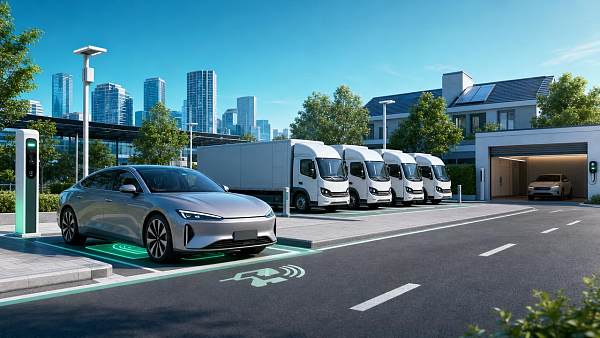
As EV adoption expands, infrastructure decisions now depend on more than peak charging time. Next-gen wireless charging for electric vehicles must perform consistently across fleets, climates, urban layouts, and power conditions.
For industrial intelligence platforms such as GIIH, this shift matters because charging choices increasingly affect mobility economics, grid planning, supply chains, and long-term technology standards.
The real question is no longer whether wireless systems can charge faster. It is whether next-gen wireless charging for electric vehicles can work safely, efficiently, and profitably in real operating environments.
Why scenario-based evaluation matters more than headline charging speed
Charging infrastructure serves very different use cases. A private garage, taxi rank, logistics depot, and public curbside lane each impose unique limits on alignment, uptime, utilization, and energy management.
That is why next-gen wireless charging for electric vehicles should be judged by scenario fit. A technically impressive system can still fail if installation cost, thermal behavior, or interoperability is weak.
A robust evaluation usually combines five filters:
- Energy transfer efficiency under real alignment conditions
- Compatibility across vehicle platforms and charging standards
- Thermal stability during repeated charging cycles
- Grid responsiveness during peak demand periods
- Safety performance around people, water, metal objects, and road wear
Scenario 1: Urban public charging needs tolerance, not just speed
In dense cities, wireless pads may support curbside parking, ride-hailing zones, and retail stops. Vehicles rarely stop in perfect positions, and dwell times can be unpredictable.
Here, next-gen wireless charging for electric vehicles must solve misalignment losses. Even small offset errors can reduce efficiency, increase heat, and weaken the business case.
Core judgment points include dynamic alignment support, fast user authentication, vandal resistance, and weather durability. Systems must also avoid creating maintenance burdens for city operators.
What makes public deployment viable
The strongest designs integrate guidance sensors, adaptive power control, and clear foreign object detection. These features protect efficiency when parking precision is inconsistent.
Public installations also need open interoperability. If only a narrow vehicle set can use the charger, utilization falls and capital recovery slows.
Scenario 2: Fleet depots value uptime, cycle durability, and energy orchestration
Fleet operations create a different evaluation logic. Depot vehicles return on schedules, often charge repeatedly, and must be ready at defined dispatch windows.
For this setting, next-gen wireless charging for electric vehicles must support repeated use without excessive thermal stress. Reliability matters more than occasional power peaks.
Fleet charging also affects transformer loading, software scheduling, and battery lifecycle strategy. Intelligent orchestration becomes part of the charging product, not a separate add-on.
Critical fleet-side checks
- Can the system stagger loads across many vehicles automatically?
- Does thermal performance remain stable during back-to-back sessions?
- Are maintenance intervals predictable and short?
- Can software integrate with fleet dispatch and energy management tools?
In this scenario, next-gen wireless charging for electric vehicles should reduce connector wear, streamline vehicle turnaround, and improve operating continuity during high-frequency usage.
Scenario 3: Residential and mixed-use sites need convenience with low infrastructure friction
Home garages and mixed-use buildings often prioritize convenience, aesthetics, and easy installation. Power levels may be lower, but the system still must stay efficient and safe.
In these settings, next-gen wireless charging for electric vehicles succeeds when it reduces user friction. Drivers should not need exact connector handling, complex setup, or frequent calibration.
However, residential economics can be sensitive. If standby losses, retrofit complexity, or interoperability limitations are too high, adoption slows despite convenience benefits.
Best-fit indicators for smaller sites
Good solutions offer compact pad design, simple civil work, low acoustic impact, and strong electromagnetic shielding. They should also support smart tariffs and overnight charging optimization.
Scenario 4: Dynamic and semi-dynamic charging raises bigger technical questions
Some road and transit concepts envision charging while vehicles pause briefly or move slowly. This expands the ambition of next-gen wireless charging for electric vehicles beyond stationary parking.
But dynamic applications intensify every challenge. Efficiency control, lane-level alignment, road maintenance, communication latency, and grid buffering all become harder.
This scenario deserves caution. Strong pilot data is more valuable than aggressive speed claims. Real deployment depends on infrastructure lifecycle cost and standard harmonization.
How scenario requirements differ across deployment environments
What next-gen wireless charging for electric vehicles must solve technically
Across all scenarios, several issues repeatedly determine whether the technology scales beyond pilots.
1. Efficiency under imperfect conditions
Lab efficiency is not enough. Next-gen wireless charging for electric vehicles must maintain strong performance with offset parking, varied vehicle heights, and changing environmental conditions.
2. Interoperability across brands and standards
Fragmented ecosystems slow adoption. Common communication protocols, coil specifications, and safety certification paths are essential for investment confidence.
3. Thermal management and material durability
Heat affects efficiency, electronics lifespan, and user safety. Thermal design must account for repeated sessions, enclosed installations, and seasonal temperature extremes.
4. Grid integration and energy intelligence
Charging systems increasingly need load balancing, tariff response, and storage coordination. Wireless platforms cannot remain electrically isolated from site energy strategy.
5. Safety in daily public exposure
Next-gen wireless charging for electric vehicles must address electromagnetic exposure, water ingress, foreign metal detection, and fail-safe shutdown behavior without burdening users.
Practical scenario-fit recommendations before deployment
- Map vehicle dwell time before selecting power level targets.
- Test efficiency using realistic parking offsets, not ideal alignment only.
- Check software compatibility with billing, fleet, and grid platforms.
- Model thermal behavior during the busiest weekly operating window.
- Compare civil installation cost against connector maintenance savings.
- Verify standards roadmap to avoid stranded infrastructure assets.
These steps help determine where next-gen wireless charging for electric vehicles creates operational value instead of becoming a prestige installation with weak utilization.
Common misjudgments that distort investment decisions
One frequent mistake is treating wireless charging as a simple convenience upgrade. In reality, it changes maintenance patterns, software requirements, and site power behavior.
Another mistake is focusing only on peak power. For next-gen wireless charging for electric vehicles, delivered energy over actual dwell time often matters more than headline rate.
A third oversight is ignoring ecosystem readiness. Without supply chain maturity, service capability, and certification clarity, rollout speed can stall even when prototypes look promising.
What to do next with next-gen wireless charging for electric vehicles
The strongest next step is a scenario-led assessment. Define site conditions, vehicle patterns, utilization goals, and grid limits before comparing technical proposals.
Then evaluate next-gen wireless charging for electric vehicles through measurable criteria: efficiency under misalignment, thermal stability, interoperability, serviceability, and total lifecycle economics.
For organizations tracking future mobility, GIIH’s cross-sector intelligence approach is especially relevant. Wireless charging now sits at the intersection of automotive engineering, energy systems, digital infrastructure, and global industrial standards.
The market will reward solutions that solve practical deployment barriers, not only speed benchmarks. That is the real threshold next-gen charging must cross.
Recommended News
 Sep 12, 2026What does UN 38.3 testing cover for EV battery shipments?EV battery UN 38.3 testing covers altitude, thermal, vibration, shock, short-circuit, overcharge, and discharge risks. Learn key compliance steps for safer EV battery shipments.
 Aug 24, 2026How to compare electric drive components for torque and efficiencyElectric drive components comparison starts with real load profiles. Learn how to evaluate torque, efficiency, motor-inverter-gearbox fit, and avoid costly selection mistakes.
 Jul 29, 2026400V EV Battery Components Explained: Key Parts, Functions, and System Design BasicsEV battery components 400V explained clearly: discover key parts, core functions, safety logic, thermal design, and system basics to evaluate EV battery packs with confidence.
 Jul 18, 2026Automotive Component Rating Standards Explained: How to Compare Load, Temperature, and Safety LimitsAutomotive component rating standards explained clearly: learn how to compare load, temperature, and safety limits to reduce sourcing risk, improve compliance, and choose parts with confidence.
 Jul 15, 2026EV Components North America: Sourcing Priorities, Compliance, and Lead Time FactorsEV components North America buyers now face tougher sourcing decisions. Explore compliance risks, lead time pressures, and smarter strategies to reduce disruption and improve EV supply chain performance.
 Jul 13, 2026How to Evaluate a Battery Components Exporter for Quality, Traceability, and Lead TimeBattery components exporter selection goes beyond price. Learn how to assess quality control, traceability, and lead time to reduce supply risk and choose a reliable partner.
 Jul 12, 2026High Voltage EV Batteries vs Standard Packs: Key Design and Safety DifferencesHigh voltage EV batteries vs standard packs: explore the key design, charging, efficiency, and safety differences to choose the right EV battery architecture with confidence.
![]() Jul 07, 2026EV Accessories Buying Guide: Which Add-Ons Matter for Safety, Charging, and Daily Use?EV accessories buying guide: discover which add-ons truly improve charging, safety, and daily convenience, so you can choose smarter, safer gear with confidence.
Jul 07, 2026EV Accessories Buying Guide: Which Add-Ons Matter for Safety, Charging, and Daily Use?EV accessories buying guide: discover which add-ons truly improve charging, safety, and daily convenience, so you can choose smarter, safer gear with confidence. Jun 30, 2026EV Motor Selection Guide: Torque, Efficiency, Cooling, and Cost Trade-OffsEV motor selection guide covering torque, efficiency, cooling, and cost trade-offs. Learn how to choose the right EV motor for better range, reliability, and total value.
 Jun 29, 2026Permanent Magnet EV Motor Selection: Torque, Efficiency, Cooling, and Cost Trade-OffsPermanent magnet EV motor selection explained: compare torque, efficiency, cooling, and total cost trade-offs to choose the right EV drive solution with confidence.
 Jun 27, 2026Sourcing Guide for EV Components: How to Compare Suppliers, Lead Times, and MOQSourcing guide EV components for procurement teams: compare suppliers, lead times, MOQ, quality, and total cost to reduce risk and make smarter EV sourcing decisions.
 Jun 27, 2026Electric Drive Components Price in Europe: What Drives Cost by Motor, Inverter, and VolumeElectric drive components price Europe explained: see how motor design, inverter technology, and order volume shape real costs in Europe, and compare suppliers with greater confidence.
 Jun 25, 2026How Long Life Mobility Components Reduce Maintenance in High-Use EquipmentLong life mobility components cut maintenance by matching real load, floor, and cleaning conditions. See how smarter selection improves uptime, lowers service costs, and extends equipment life.
 Jun 23, 2026Spark Plugs OEM Sourcing Guide: Key Specs, Compatibility Checks, and Supplier RisksSpark plugs OEM sourcing guide covering key specs, compatibility checks, total cost, and supplier risks—learn how to avoid fitment errors, returns, and costly quality issues.
 Jun 13, 2026Vehicle Electronics Selection Guide: Key Standards, Interfaces, and Reliability FactorsVehicle electronics selection starts with standards, interfaces, and reliability. Learn how to compare components, reduce integration risk, and choose smarter for long-term performance.
 Jun 06, 2026What Is a BMS in Battery Systems? Functions, Key Components, and Selection BasicsBMS explained: learn what a Battery Management System does, its key components, and how to choose the right BMS for safer, longer-lasting, better-integrated battery systems.
 Jun 02, 2026Solid-State Battery Breakthroughs: What to Verify Before EV AdoptionSolid-state battery breakthroughs are reshaping EV strategy—learn what to verify in energy density, cycle life, safety, cost, and supplier readiness before adoption.
 May 31, 2026Why is EV battery tech reshaping range expectations?EV battery tech is redefining real-world range through smarter chemistry, thermal control, fast charging, and software—discover what matters beyond mileage.
![]() May 19, 2026Why long-lifespan solid-state batteries matter nowSolid-state battery breakthroughs long lifespan are reshaping EVs, grid storage, and industry. Discover why longer life, safer performance, and lower total cost matter now.
May 19, 2026Why long-lifespan solid-state batteries matter nowSolid-state battery breakthroughs long lifespan are reshaping EVs, grid storage, and industry. Discover why longer life, safer performance, and lower total cost matter now.![]() May 19, 2026Is off-grid lithium storage worth the upfront cost?Lithium battery storage for off-grid applications can justify higher upfront costs through lower maintenance, better efficiency, and stronger long-term ROI. See when it pays off.
May 19, 2026Is off-grid lithium storage worth the upfront cost?Lithium battery storage for off-grid applications can justify higher upfront costs through lower maintenance, better efficiency, and stronger long-term ROI. See when it pays off.![]() May 19, 2026Are solid-state battery breakthroughs finally lifting energy density?Solid-state battery breakthroughs in high energy density are moving beyond hype. Learn what technical evaluators should verify on cycle life, safety, cost, and scalable commercialization.
May 19, 2026Are solid-state battery breakthroughs finally lifting energy density?Solid-state battery breakthroughs in high energy density are moving beyond hype. Learn what technical evaluators should verify on cycle life, safety, cost, and scalable commercialization. May 18, 2026Why portable lithium battery storage needs better designLithium battery storage portable design matters more than ever. Discover how better safety, mobility, and charging design improve backup, travel, and field power performance.
 May 17, 2026What next-gen EV charging must solve beyond faster speedNext-gen wireless charging for electric vehicles must solve efficiency, safety, interoperability, and real-world deployment fit—not just speed. Explore what makes EV charging scalable and investment-ready.
 May 17, 2026How close are solid-state batteries to real EV production?Solid-state battery breakthroughs for electric vehicles are moving beyond the lab. Discover how close they are to real EV production, what still blocks scale-up, and which milestones matter most.