


Search News
Global Industrial Intelligence Hub (GIIH)Industry Portal
Global Industrial Intelligence Hub (GIIH)Status
Standard Access
Upgrade to PremiumNewsGreen Energy Solutions in Europe: Which Options Fit Industrial Sites Best?
Time
Click Count
Europe has become one of the most active testing grounds for industrial decarbonization, but practical energy planning remains highly site-specific. For facilities comparing green energy solutions Europe now makes available, the real question is rarely which technology sounds best on paper. It is which combination can support production, contain energy risk, satisfy regulation, and still make financial sense over the asset life.
That distinction matters because industrial sites do not consume energy in abstract terms. They run shifts, chillers, furnaces, compressed air systems, data rooms, vehicle fleets, and process heat loops. A solution that works well for a logistics hub may underperform at a chemical plant. A system that delivers strong carbon reporting value may still fail if it cannot match load patterns or grid constraints.
Across market intelligence tracked by GIIH, the strongest projects are not driven by technology enthusiasm alone. They are built on a disciplined reading of demand profile, land availability, permitting timelines, incentive structures, and cross-border energy price volatility. In Europe, that mix is shaping how industrial assets choose between on-site generation, electrification, storage, and hybrid procurement models.
Why industrial energy strategy has moved up the agenda
Several pressures are converging at once. Energy costs remain exposed to geopolitical shocks. Carbon reporting expectations are tightening. Grid congestion is limiting expansion in some regions. Customers and investors increasingly ask for verified decarbonization pathways rather than broad sustainability claims.
For industrial operators, this shifts energy from an overhead line into a strategic design variable. It affects plant expansion, product cost, supplier qualification, and even site selection. That is why green energy solutions Europe has prioritized are now discussed alongside logistics resilience, automation, and capital planning.
The issue is not only compliance. Better energy architecture can lower exposure to peak tariffs, improve operational continuity, and create more predictable long-term budgeting. In sectors with energy-intensive processes, the difference between a well-matched system and a poorly matched one can reshape project economics.
What counts as a good fit for an industrial site
A good fit is not simply a renewable source installed on site. It is an energy setup aligned with how the facility actually operates. That means looking at hourly demand curves, power quality requirements, thermal needs, downtime tolerance, and the relationship between the site and the regional grid.
In practice, most industrial decisions in green energy solutions Europe involve four layers. The first is direct energy generation. The second is flexibility, usually through storage or load shifting. The third is efficiency improvement. The fourth is external procurement through PPAs, green tariffs, or renewable certificates.
Projects become more bankable when these layers are treated as one system. A site with modest solar potential may still perform strongly if battery control, heat recovery, and power purchase structure are coordinated. Looking at each technology in isolation often leads to overbuilding or weak returns.
Which options usually make the most sense
On-site solar for stable daytime loads
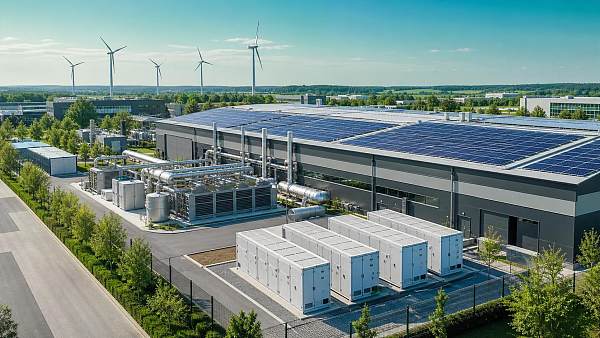
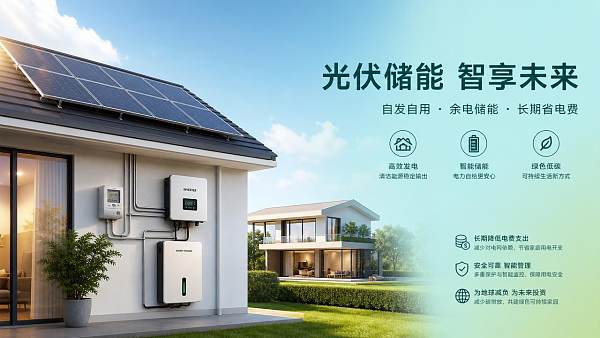
Solar remains one of the most accessible green energy solutions Europe offers industrial property owners. Rooftop and carport installations are relatively mature, scalable, and easier to permit than many alternatives. They work especially well where daytime electricity use is high and roof structure is suitable.
The limitation is obvious. Solar output does not always match process timing, winter performance varies, and roof area can cap contribution. Even so, for warehouses, assembly sites, food processing, and light manufacturing, solar often provides the fastest visible gains.
On-site wind where land and wind resource support it
Wind can outperform solar on some industrial estates, particularly in coastal or northern regions. It offers stronger seasonal balance and can generate beyond daylight hours. For large rural assets, wind may deliver meaningful self-generation at utility scale.
However, planning complexity is much higher. Visual impact, setback rules, noise concerns, and grid connection timing can delay projects. That makes wind less universal, even where resource quality is strong.
Battery storage for flexibility, not as a standalone answer
Battery systems are increasingly central to green energy solutions Europe, but their value depends on use case. They are most effective when paired with variable generation, demand charge management, backup support, or participation in local flexibility markets.
A battery rarely fixes a structurally weak energy plan. It improves timing, resilience, and tariff optimization. Sites with short but costly peak loads often see the best operational case.
Heat recovery and electrified heat for process-heavy facilities
Many decarbonization programs still focus too narrowly on electricity. Yet in industry, thermal demand can dominate. Waste heat recovery, industrial heat pumps, electric boilers, and improved insulation often unlock better returns than additional renewable power capacity.
This is especially true in food production, pharmaceuticals, chemicals, and advanced materials. Where low- or medium-temperature heat is recoverable, the savings can be immediate and measurable.
Off-site procurement for constrained sites
Not every facility can host meaningful generation. Dense urban plants, leased properties, and grid-constrained sites often rely on corporate PPAs or utility-backed renewable contracts. These remain important green energy solutions Europe because they allow carbon reduction without physical redevelopment.
The trade-off is that off-site procurement improves sourcing claims more than operational resilience. It does not solve local power quality or outage exposure. That distinction needs to stay clear during project evaluation.
How site conditions change the decision
The same technology can rank very differently from one site to another. A compact automotive supplier with high uptime requirements may prioritize battery-backed power stability. A distribution center may value rooftop solar and EV charging integration. A water treatment facility may focus on pumping schedules and load flexibility.
This is why regional benchmarking matters. GIIH’s industry approach is useful here because energy choices are rarely isolated from broader operational realities. Supply chain growth, mobility electrification, and environmental compliance all influence which option becomes viable first.
The main risks behind attractive proposals
Industrial energy proposals often look strongest in headline payback terms. The detail usually tells another story. Before moving forward, several risk areas deserve close review.
- Mismatch between modeled generation and actual hourly consumption.
- Permitting or interconnection delays that extend the investment horizon.
- Thermal demand left untouched while only electrical measures are funded.
- Battery economics based on optimistic flexibility market revenues.
- PPA structures that reduce carbon intensity but add contract rigidity.
- Weak integration with maintenance schedules, uptime targets, or expansion plans.
In other words, the best green energy solutions Europe can offer still need engineering realism. A decarbonization project should be stress-tested against operating windows, seasonal variation, and financing assumptions, not only vendor simulations.
A practical way to compare options
A useful evaluation sequence starts with energy mapping, not technology selection. Measure electrical load by interval, identify thermal sinks and waste heat, review available surfaces and land, and map grid connection limits. Only then should options be shortlisted.
After that, compare each pathway through five filters: operational fit, capital intensity, permitting complexity, carbon impact, and resilience value. This helps avoid a narrow focus on tariff savings alone.
For many sites, the most robust answer is hybrid. Solar plus storage may handle daytime peaks. Heat recovery may cut fuel demand. A PPA may close the remaining emissions gap. The result is less dramatic than a single flagship technology, but usually more durable.
Where to look next
Industrial decarbonization in Europe is entering a more selective phase. Easy headlines are giving way to more disciplined project screening. That is healthy. It rewards facilities that can connect technical design with financial logic and regulatory timing.
For teams reviewing green energy solutions Europe presents today, the next step is to build a site-specific decision matrix. Rank options by load match, thermal relevance, grid dependency, expected downtime impact, and contract flexibility. Then test combinations rather than single technologies.
A clear energy baseline, a realistic business case, and a regional intelligence view will do more than any trend-led shortlist. In that sense, the most effective projects start with better questions: where energy is used, where it is lost, and where flexibility can be turned into long-term industrial advantage.
Recommended News
 Jul 15, 2026Eco Technology Compliance: Key Standards, Test Documents, and Approval RisksEco technology compliance explained: key standards, required test documents, and hidden approval risks that can delay launches, disrupt shipments, and weaken market access.
 Jul 13, 2026Green Energy Solutions in Europe: Which Options Fit Industrial Sites Best?Green energy solutions Europe industrial teams can actually use: compare solar, storage, heat recovery, wind, and PPAs to find the best-fit path for lower costs, resilience, and decarbonization.
 Jul 06, 2026What an Environmental Innovation Platform Can Do for Corporate Sustainability ProjectsEnvironmental innovation platform insights for corporate sustainability projects: learn how to connect ESG goals, supply chain realities, and smarter investment decisions.
 Jul 01, 2026CO2 Reduction Systems Explained: Capture Methods, Limits, and Use CasesCO2 reduction systems explained: compare capture methods, costs, limits, and real use cases to find where carbon reduction delivers practical value.
 May 23, 2026How to assess eco building suppliers in Germany clearlyEco-friendly building materials supplier in Germany: learn how to verify compliance, certifications, traceability, and delivery reliability to choose safer, more dependable partners.
 May 22, 2026Are lightweight eco panels worth using in new builds?Eco-friendly building materials lightweight panels: discover whether they truly reduce costs, speed up new builds, and improve sustainability—plus what project managers must check before specifying them.
 May 21, 2026Which eco building materials cut long term costsEco-friendly building materials for sustainable construction can cut lifetime costs through energy savings, durability, and compliance value. Discover the best options for smarter ROI.
 May 20, 2026Do residential solar panels still cut power bills in 2026?Photovoltaic solar panels for residential use still cut power bills in 2026—but savings depend on tariffs, sizing, roof fit, and storage. See what drives real returns.
![]() May 19, 2026Can Agri-PV systems raise greenhouse farm efficiency?Agri-PV systems for greenhouse farming can boost efficiency, cut energy costs, and support decarbonization. Discover key design, crop-light, and ROI factors before you invest.
May 19, 2026Can Agri-PV systems raise greenhouse farm efficiency?Agri-PV systems for greenhouse farming can boost efficiency, cut energy costs, and support decarbonization. Discover key design, crop-light, and ROI factors before you invest. Apr 30, 2026Can sustainable waste disposal support carbon reduction goals?Sustainable waste disposal supports carbon reduction through smarter recycling solutions, environmental innovation, and eco-friendly solutions. Discover practical strategies that boost efficiency, cut costs, and strengthen greener supply chains.
 Apr 16, 2026CO2 reduction projects often miss hidden energy tradeoffsCO2 reduction insights: uncover hidden energy tradeoffs in climate technology, sustainable solutions, biotech solutions, healthcare resources, IoT home security, and water purifier planning.
 Apr 16, 2026CO2 reduction numbers can improve while emissions stay highExplore why CO2 reduction numbers can improve while emissions stay high. Learn how emissions control, climate technology, sustainable solutions, clean water, water filter and waste reduction drive real results.
 Apr 16, 2026Why CO2 reduction targets slip after the pilot phaseExplore why CO2 reduction and emissions control targets slip after pilots, and how sustainable solutions, climate technology, clean water, water filter systems, and eco-friendly waste handling can scale successfully.
 Apr 16, 2026When emissions control upgrades cut output instead of costEmissions control upgrades can hurt output when climate technology, CO2 reduction, water filter, clean water, and eco-friendly waste handling are poorly integrated—discover sustainable solutions that restore efficiency.