


Search News
Global Industrial Intelligence Hub (GIIH)Industry Portal
Global Industrial Intelligence Hub (GIIH)Status
Standard Access
Upgrade to PremiumNewsAre lightweight eco panels worth using in new builds?
Time
Click Count
For project managers evaluating material performance, cost, and sustainability, the question is no longer whether green solutions matter, but which ones deliver measurable value. Eco-friendly building materials lightweight panels are gaining attention in new builds for their potential to reduce structural load, speed up installation, and support environmental targets. But are they truly worth the investment? This article examines the practical trade-offs, market relevance, and decision factors behind their growing adoption.
What makes lightweight eco panels relevant in new build projects?
For many project managers, material selection now sits at the intersection of budget pressure, build speed, carbon targets, and supply chain uncertainty. That is why eco-friendly building materials lightweight panels have moved from niche discussion to active procurement consideration across commercial, residential, modular, and mixed-use developments.
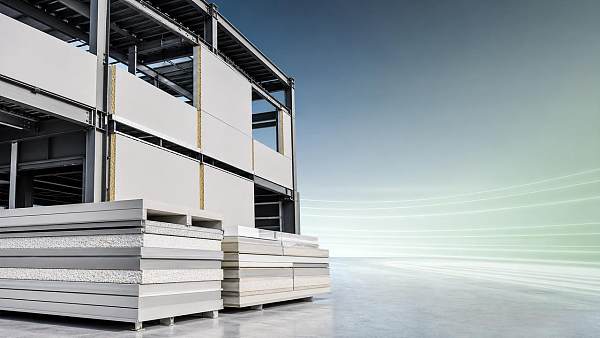
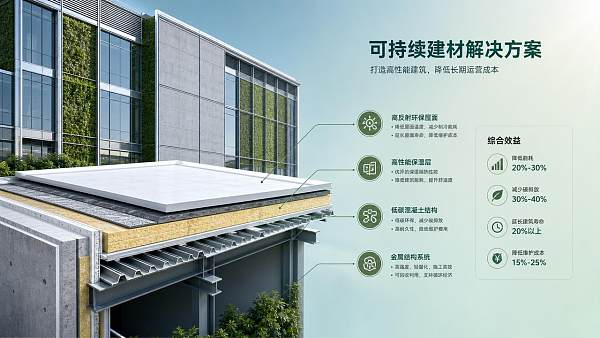
In practical terms, lightweight panels usually refer to wall, ceiling, partition, cladding, or insulated composite systems designed to reduce dead load while improving installation efficiency. The “eco” aspect may come from recycled content, lower embodied carbon inputs, better thermal performance, reduced waste generation, or easier end-of-life recovery.
They are not a single product category. Some are engineered fiber-based boards, some use mineral cores, some combine metal skins with insulation, and others are bio-based or recycled composite solutions. This variation is exactly why procurement teams need a structured evaluation process rather than assumptions based on marketing language.
- Lower structural load can reduce demands on frames, foundations, lifting equipment, and transport handling.
- Factory-made panel systems may improve installation speed, quality consistency, and labor planning.
- Sustainable specifications can support green building goals, internal ESG targets, and tenant expectations.
- Some panel systems offer combined benefits in acoustics, thermal insulation, moisture resistance, and fire performance.
Why decision-makers are paying closer attention
The market context matters. New builds are increasingly shaped by labor shortages, tighter compliance frameworks, volatile freight costs, and lifecycle scrutiny from investors and regulators. In this environment, a lighter, faster, lower-waste material can create value beyond its purchase price. That said, value only materializes if the panel specification matches the project’s structural, environmental, and occupancy demands.
Are eco-friendly building materials lightweight panels actually worth the cost?
The short answer is: often yes, but not automatically. Eco-friendly building materials lightweight panels are worth using when they improve total project outcomes, not simply when they appear greener or lighter on a datasheet. Project managers should compare them against conventional masonry, heavier board systems, or standard insulated assemblies across full project economics.
The table below helps frame a realistic comparison between lightweight eco panels and traditional heavier construction options in new builds.
The key takeaway is that upfront price can be misleading. A panel that costs more per square meter may still reduce crane time, shorten the program, lower transport weight, cut labor hours, and improve thermal compliance. For project leaders managing delivery milestones, these indirect gains often matter more than line-item material cost alone.
When the investment tends to pay off
- Projects with tight timelines, where installation speed directly affects financing, occupancy, or handover penalties.
- Sites with access limits, where reduced material weight simplifies delivery and handling.
- Buildings targeting better thermal envelopes, lower operational energy use, or sustainability benchmarks.
- Multi-story or modular construction, where cumulative weight savings become structurally meaningful.
Which performance criteria should project managers check first?
The most common mistake in evaluating eco-friendly building materials lightweight panels is focusing on weight and sustainability claims while underchecking technical suitability. A panel system must perform within the building’s actual service conditions. That means matching the specification to use case, climate, code requirements, and expected life cycle.
Before shortlisting suppliers, use a performance checklist that balances construction efficiency with risk control.
This type of matrix helps teams avoid a common pitfall: buying a light panel that performs poorly in real operating conditions. In many projects, technical mismatch costs far more than overpaying for a stronger, more suitable system at the start.
Standards and compliance points worth reviewing
Exact compliance requirements vary by market, but project managers should review applicable building codes, fire classifications, structural test reports, indoor air emission requirements, and sustainability documentation. Depending on project type, teams may also need product declarations, installer guidance, warranty terms, and traceability on source materials.
- Check whether performance claims apply to the panel alone or the full assembly.
- Confirm if test conditions reflect your actual climate, substrate, and fixing method.
- Ask whether substitutions in insulation, coating, or fasteners affect certification validity.
Which new build scenarios benefit most from lightweight panel systems?
Not every building type benefits equally. The strongest case for eco-friendly building materials lightweight panels usually appears where speed, logistics, sustainability, and multi-performance requirements overlap. This is especially relevant in sectors influenced by industrialized construction and fast delivery expectations.
High-fit application scenarios
- Modular and prefabricated buildings: Lightweight systems align well with off-site manufacturing, easier transport, and faster on-site assembly.
- Urban infill projects: Restricted access and limited staging areas make lighter materials easier to manage.
- Warehousing and logistics facilities: Fast enclosure and controlled thermal performance can support shorter commissioning schedules.
- Healthcare and education spaces: Acoustic, hygiene, and speed-of-build considerations often favor panelized systems, provided compliance is verified.
- Smart living and mixed-use developments: The push for energy-efficient envelopes and integrated building services often supports modern lightweight assemblies.
Scenarios where caution is needed
Caution is warranted in high-impact industrial zones, very wet environments, projects with unusual loading conditions, or buildings requiring long-term abuse resistance in service corridors or public circulation areas. Lightweight does not mean weak, but it does mean the details matter more. Impact resistance, fixing strength, waterproofing strategy, and maintenance access should be checked early.
How should procurement teams compare cost, risk, and alternatives?
A sound decision compares total installed value, not just purchase price. Project managers often face a classic tension: the finance team sees unit cost, while the site team sees labor, sequence, defects, and delay risk. Eco-friendly building materials lightweight panels should be assessed through a whole-project lens.
Use the following evaluation approach when comparing lightweight eco panels with alternatives such as concrete block, gypsum-based systems, masonry, metal decking with separate insulation, or standard composite boards.
- Calculate installed cost per square meter, including fixings, trims, labor, waste, equipment, and finishing steps.
- Estimate schedule effect, especially if faster enclosure advances MEP work, interior fit-out, or weather protection.
- Review transport and handling costs, including truck fill efficiency, breakage risk, and lifting constraints.
- Account for lifecycle implications such as energy use, moisture damage risk, maintenance frequency, and replacement cycles.
- Evaluate supplier resilience, because late delivery can erase any theoretical cost advantage.
Common alternative paths
If lightweight eco panels are not the best fit, alternatives may still support project goals. Standard insulated panels can suit budget-led industrial builds. Fiber cement or mineral boards may fit durability-led applications. Traditional masonry may still work where local labor is strong and schedules are flexible. The right answer depends on how much weight reduction, thermal control, and program acceleration are worth to the project.
What risks and misconceptions should project leaders avoid?
Misconception 1: Lightweight always means lower quality
Quality depends on engineering, manufacturing consistency, installation method, and suitability for use. Many lightweight systems perform well when correctly specified. The risk is not low weight itself, but poor alignment between the product and the project’s service conditions.
Misconception 2: Sustainable materials always cost more
Some do. Some do not. More importantly, a slightly higher purchase price may be offset by lower labor input, less structural demand, or reduced operating energy. Sustainability value should be examined in combination with installation and lifecycle economics.
Misconception 3: Product brochures are enough for technical approval
They are not. Project managers should request test summaries, assembly limitations, documentation on compliance scope, installation tolerances, and evidence that the proposed system matches the project detail. Brochure-level claims often omit boundary conditions that matter during inspections and handover.
Misconception 4: Supply availability will remain stable throughout the build
In a volatile trade environment, component sourcing, freight routes, and regional stock positions can change quickly. This is where industrial intelligence becomes operationally useful. Procurement is no longer just a buying function; it is also a risk monitoring function tied to delivery certainty.
How can GIIH support smarter panel selection and delivery planning?
For project management teams, the challenge is rarely lack of options. It is lack of clear, decision-ready insight. GIIH addresses this by connecting market intelligence, technical interpretation, and supply chain visibility across sectors that increasingly overlap in modern construction, including smart living systems, logistics, mobility-related manufacturing, and environmental technology.
When evaluating eco-friendly building materials lightweight panels, decision-makers often need more than a supplier quote. They need to understand whether a material is regionally available, whether substitute inputs are affecting quality consistency, whether compliance trends are shifting, and whether the claimed sustainability value is meaningful for the intended market.
- Cross-border trade insight helps assess sourcing continuity, logistics exposure, and procurement timing.
- Sector intelligence helps compare materials not only by cost, but by market relevance and regulatory direction.
- Structured industrial knowledge reduces the gap between technical data and real procurement decisions.
That approach is especially valuable for teams working across multiple markets or coordinating with architects, engineers, contractors, and international suppliers. Better material decisions come from better context, not from isolated product sheets.
FAQ: key questions project managers ask before specifying lightweight eco panels
How do I know if eco-friendly building materials lightweight panels fit my project?
Start with the project drivers. If your priorities include faster installation, lower structural load, cleaner site execution, better thermal performance, or sustainability reporting, these panels may be a strong fit. Then confirm technical requirements: fire, acoustic, moisture, fixing, and durability performance for the exact application.
What should I prioritize during supplier evaluation?
Ask for tested performance data, assembly details, sustainability documentation, lead times, packaging and transport method, technical support scope, and limitations on use. Also verify whether the supplier can support project sequencing, sample review, and issue resolution during installation.
Are lightweight panels suitable for exterior applications?
Some are, some are not. Exterior use depends on weather resistance, joint detailing, structural support, coating durability, and moisture management. Never assume interior-grade products can be adapted for façade or exposed envelope use without technical confirmation.
Can these panels help with green building targets?
Potentially, yes. Benefits may include lower embodied impacts, recycled content, lower transport weight, improved thermal efficiency, and reduced site waste. However, procurement teams should request formal documentation rather than rely on generic green claims.
What is the biggest procurement risk?
The biggest risk is choosing a panel that looks efficient on paper but fails in assembly compatibility, compliance scope, or delivery reliability. Early cross-functional review between design, procurement, engineering, and site management is the best protection against costly mismatch.
Why contact us for project-specific evaluation?
If you are deciding whether eco-friendly building materials lightweight panels are worth using in a new build, the most useful next step is a structured project review rather than a generic product search. GIIH helps project leaders turn fragmented market data into practical decisions that balance performance, cost, delivery, and compliance.
You can consult us on material parameter confirmation, product selection logic, regional supply conditions, expected delivery cycles, certification and documentation checks, sample evaluation priorities, and alternative solution comparison. We also support teams that need a broader view of cross-border sourcing risk, technology trends, and market entry considerations tied to sustainable construction materials.
For project managers under schedule pressure, that means fewer blind spots before procurement. For engineering leads, it means clearer criteria before specification freeze. And for commercial teams, it means better alignment between initial pricing and real delivery outcomes.
Recommended News
 Jul 15, 2026Eco Technology Compliance: Key Standards, Test Documents, and Approval RisksEco technology compliance explained: key standards, required test documents, and hidden approval risks that can delay launches, disrupt shipments, and weaken market access.
 Jul 13, 2026Green Energy Solutions in Europe: Which Options Fit Industrial Sites Best?Green energy solutions Europe industrial teams can actually use: compare solar, storage, heat recovery, wind, and PPAs to find the best-fit path for lower costs, resilience, and decarbonization.
 Jul 06, 2026What an Environmental Innovation Platform Can Do for Corporate Sustainability ProjectsEnvironmental innovation platform insights for corporate sustainability projects: learn how to connect ESG goals, supply chain realities, and smarter investment decisions.
 Jul 01, 2026CO2 Reduction Systems Explained: Capture Methods, Limits, and Use CasesCO2 reduction systems explained: compare capture methods, costs, limits, and real use cases to find where carbon reduction delivers practical value.
 May 23, 2026How to assess eco building suppliers in Germany clearlyEco-friendly building materials supplier in Germany: learn how to verify compliance, certifications, traceability, and delivery reliability to choose safer, more dependable partners.
 May 22, 2026Are lightweight eco panels worth using in new builds?Eco-friendly building materials lightweight panels: discover whether they truly reduce costs, speed up new builds, and improve sustainability—plus what project managers must check before specifying them.
 May 21, 2026Which eco building materials cut long term costsEco-friendly building materials for sustainable construction can cut lifetime costs through energy savings, durability, and compliance value. Discover the best options for smarter ROI.
 May 20, 2026Do residential solar panels still cut power bills in 2026?Photovoltaic solar panels for residential use still cut power bills in 2026—but savings depend on tariffs, sizing, roof fit, and storage. See what drives real returns.
![]() May 19, 2026Can Agri-PV systems raise greenhouse farm efficiency?Agri-PV systems for greenhouse farming can boost efficiency, cut energy costs, and support decarbonization. Discover key design, crop-light, and ROI factors before you invest.
May 19, 2026Can Agri-PV systems raise greenhouse farm efficiency?Agri-PV systems for greenhouse farming can boost efficiency, cut energy costs, and support decarbonization. Discover key design, crop-light, and ROI factors before you invest. Apr 30, 2026Can sustainable waste disposal support carbon reduction goals?Sustainable waste disposal supports carbon reduction through smarter recycling solutions, environmental innovation, and eco-friendly solutions. Discover practical strategies that boost efficiency, cut costs, and strengthen greener supply chains.
 Apr 16, 2026CO2 reduction projects often miss hidden energy tradeoffsCO2 reduction insights: uncover hidden energy tradeoffs in climate technology, sustainable solutions, biotech solutions, healthcare resources, IoT home security, and water purifier planning.
 Apr 16, 2026CO2 reduction numbers can improve while emissions stay highExplore why CO2 reduction numbers can improve while emissions stay high. Learn how emissions control, climate technology, sustainable solutions, clean water, water filter and waste reduction drive real results.
 Apr 16, 2026Why CO2 reduction targets slip after the pilot phaseExplore why CO2 reduction and emissions control targets slip after pilots, and how sustainable solutions, climate technology, clean water, water filter systems, and eco-friendly waste handling can scale successfully.
 Apr 16, 2026When emissions control upgrades cut output instead of costEmissions control upgrades can hurt output when climate technology, CO2 reduction, water filter, clean water, and eco-friendly waste handling are poorly integrated—discover sustainable solutions that restore efficiency.