


Search News
Global Industrial Intelligence Hub (GIIH)Industry Portal
Global Industrial Intelligence Hub (GIIH)Status
Standard Access
Upgrade to PremiumNewsPrefabricated House Buying Guide: Materials, Cost Drivers, and Build Time
Time
Click Count
Prefabricated House Buying Guide: Materials, Cost Drivers, and Build Time
Buying a prefabricated house involves more than comparing prices.
A strong purchase decision depends on material quality, supplier capability, logistics control, and realistic construction timing.
In practice, the best prefabricated house is not always the cheapest quote.
It is the option that balances lifecycle cost, delivery certainty, compliance, and site performance.
This guide breaks down how to evaluate a prefabricated house purchase with fewer blind spots.
It focuses on materials, cost drivers, build time, and sourcing risks that shape real procurement outcomes.
Why Prefabricated House Procurement Needs a Different Lens
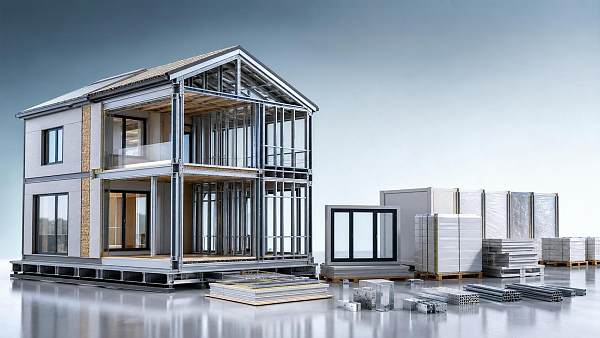
A prefabricated house is a system purchase, not a single product purchase.
You are buying structure, enclosure, finishes, engineering coordination, transport readiness, and on-site installation support.
That also means quotation gaps are common.
Two suppliers may both offer a prefabricated house, yet include very different insulation, steel thickness, windows, or utility interfaces.
From a sourcing perspective, early standardization matters.
- Define use case first: residential, labor camp, tourism, classroom, office, or emergency shelter.
- Confirm local code, climate zone, seismic rating, and fire safety expectations.
- Align the bill of materials before asking for final pricing.
- Separate factory scope from site scope in every RFQ.
Key Materials That Define Prefabricated House Performance
Material selection drives durability, thermal comfort, compliance, and long-term maintenance.
For any prefabricated house, structure and panel system are the first checkpoints.
Structural Frame
Light gauge steel is widely used because it is scalable, consistent, and efficient for modular production.
Hot-dip galvanized steel usually offers better corrosion resistance than painted alternatives.
Check steel grade, coating thickness, section size, and welding or bolting standards.
Wall and Roof Panels
Sandwich panels are common in prefabricated house projects.
Core materials often include EPS, rock wool, PU, or PIR.
EPS is cost-effective, but fire performance may be weaker under stricter regulations.
Rock wool improves fire resistance and sound insulation, though it can add weight and cost.
PU and PIR typically deliver stronger thermal insulation, which helps in hot or cold climates.
Windows, Doors, and Finishes
Aluminum windows, double glazing, door hardware, floor boards, and coatings all affect performance.
These line items are often underestimated in a prefabricated house budget.
A low initial quote can quickly rise once higher-grade accessories are added back.
Main Cost Drivers Behind a Prefabricated House
The final cost of a prefabricated house usually comes from a mix of design, materials, manufacturing, transport, and installation.
Understanding cost structure makes supplier comparison far more accurate.
A useful approach is to compare total landed cost, not ex-works price alone.
That gives a clearer view of the true prefabricated house investment.
How Long Does a Prefabricated House Take to Build?
Build time is one of the strongest selling points of a prefabricated house.
Still, timing depends on more than factory speed.
A realistic schedule usually includes five stages.
- Design confirmation and shop drawings.
- Material procurement and production planning.
- Factory fabrication and quality inspection.
- International or domestic transportation.
- Foundation readiness and on-site assembly.
For standard models, factory production can move quickly.
Custom prefabricated house projects usually take longer because approvals and detailing take more time.
The bigger risk is not always manufacturing.
It is often site readiness, permit delays, changing specifications, or port congestion.
When timeline matters, ask each supplier for a milestone schedule with responsibilities clearly assigned.
How to Evaluate Suppliers Before Ordering a Prefabricated House
Supplier selection should go beyond catalog photos and unit price.
A dependable prefabricated house supplier should prove technical consistency and delivery discipline.
- Review factory capacity, lead times, and peak season loading.
- Request recent project cases with similar climate and usage.
- Check certifications, testing reports, and quality control records.
- Verify packing method, labeling logic, and installation manuals.
- Confirm after-sales response for missing parts or damaged components.
In actual sourcing, communication quality is a strong signal.
If drawings are vague, responses are slow, or exclusions are unclear, project risk is already visible.
A prefabricated house order works best when technical, commercial, and logistics teams stay aligned from the start.
Common Buying Risks and How to Reduce Them
Several recurring issues affect prefabricated house procurement.
Most of them can be reduced with tighter documentation and earlier verification.
Risk 1: Incomplete Specifications
A prefabricated house quote may look competitive because key details are omitted.
Use a line-by-line comparison sheet covering steel, panels, doors, windows, electrical scope, and sanitary fittings.
Risk 2: Freight and Packaging Losses
Poor packing can damage panels, trim, or hardware during shipment.
Ask for packing drawings, container loading plans, and spare part ratios before release.
Risk 3: Installation Bottlenecks
Even a well-made prefabricated house can stall if the site team lacks clear assembly guidance.
Confirm whether the supplier provides supervisor support, video guidance, or local partner crews.
Risk 4: Compliance Gaps
Local codes for fire safety, energy efficiency, and wind load can change the required specification.
Validate these requirements before placing the prefabricated house order, not after production starts.
A Practical Buying Checklist for Better Decisions
A practical checklist makes prefabricated house selection faster and more defensible.
- Define the project purpose and expected service life.
- Match material grade to climate, fire rules, and occupancy needs.
- Request itemized quotations with clear inclusions and exclusions.
- Compare landed cost, not factory price only.
- Audit supplier production, quality control, and documentation depth.
- Review delivery milestones, site readiness, and installation support.
- Build contingency for logistics delays and spare components.
The strongest prefabricated house purchase is usually the one with fewer hidden assumptions.
That is where disciplined sourcing creates real value.
For teams tracking industrial supply trends, GIIH continues to monitor sourcing patterns, material shifts, and global trade signals that affect project decisions.
When the next prefabricated house project comes up, a sharper brief and a better comparison framework will usually save more than last-minute price negotiation.
Recommended News
 Sep 02, 2026Which Auto System Parts Fail Most Often in Tropical Climates?What auto systems parts have the highest failure rate in tropical climates? Discover the batteries, cooling, brake, electrical, and A/C parts that need proactive maintenance.
 Aug 18, 2026How to verify whether home control systems testing standards meet safety requirementsHome control systems testing standards: learn how to verify real safety compliance, spot hidden certification gaps, and make smarter release decisions for smart home products.
 Aug 03, 2026Z-Wave Home Control Systems: What to Compare Before You BuyZ-Wave home control systems compared the smart way: learn how to evaluate compatibility, security, mesh stability, automation, and true long-term value before you buy.
 Jul 15, 2026How to Choose a Home Automation Supplier for Multi-Room and Retrofit ProjectsHome automation supplier selection made simple: learn how to compare integration, retrofit readiness, software openness, support, and total cost for scalable multi-room projects.
 Jul 15, 2026Global Home Control Systems Explained: Types, Protocols, and Best-Fit Use CasesGlobal home control systems explained clearly: compare types, protocols like Matter, Zigbee, and Wi-Fi, plus best-fit use cases to choose smarter, safer home automation.
 Jul 14, 2026Connected Home Technology Supplier Comparison: What to Check Before You ShortlistConnected home technology supplier comparison: learn what to check before shortlisting vendors, from interoperability and security to supply resilience and long-term service fit.
 Jul 13, 2026How Energy Efficient Building Automation Cuts HVAC and Lighting Costs in Commercial BuildingsEnergy efficient building automation helps commercial buildings cut HVAC and lighting costs, reduce energy waste, and improve comfort with smarter controls, analytics, and faster ROI.
 Jul 12, 2026Building Automation Data Logging: Which Metrics Matter for Energy Performance?Building automation data logging reveals which metrics truly drive energy performance. Discover key signals, common mistakes, and practical insights to cut waste and optimize operations.
 Jul 04, 2026How to Choose Portable Solar Generators for Home Backup, Camping, or Mobile WorkPortable solar generators buying guide: learn how to choose the right capacity, output, battery type, and charging speed for home backup, camping, or mobile work.
 Jul 02, 2026Building Automation Zigbee vs Wi-Fi: Which Is Better for Stable Device Networks?Building automation Zigbee vs Wi-Fi: discover which delivers more stable, low-maintenance device networks for smart buildings, and choose the right fit for scale, power use, and reliability.
 Jul 01, 2026Prefabricated House Buying Guide: Materials, Cost Drivers, and Build TimePrefabricated house buying guide covering materials, key cost drivers, build time, and supplier risks. Learn how to compare quotes smarter and choose the right solution with confidence.
 Jun 30, 2026Home Control Systems Price Breakdown: Hardware, Installation, and Upgrade CostsHome control systems price explained: compare hardware, installation, subscriptions, and upgrade costs to budget smarter and avoid hidden fees before you buy.
 Jun 27, 2026How to Choose a Smart Living Management System for Multi-Room Energy and Device ControlSmart living management system selection starts with interoperability, room-level energy visibility, and scalability. Learn how to compare vendors, avoid costly mistakes, and choose a platform that improves control and efficiency.
 Jun 26, 2026Smart Living Certification Requirements: Key Standards, Tests, and Compliance StepsSmart living certification requirements explained: key standards, safety and EMC tests, regional marks, and practical compliance steps to speed approval and reduce launch risk.
 Jun 25, 2026Smart Home Gateway vs Hub: What’s the Difference and Which One Do You Need?Smart home gateway vs hub explained: learn the key differences, protocol support, automation benefits, and how to choose the right smart home gateway for a scalable, future-ready home.
 Jun 24, 2026How to Compare Smart Living Systems in the UAE for Villas, Apartments, and Gated HomesSmart living systems UAE guide: compare villa, apartment, and gated home solutions by security, integration, scalability, and long-term value to choose smarter with confidence.
 Jun 23, 2026Smart Home Basics: Which Devices Actually Improve Daily Convenience and Energy Control?Smart home essentials that truly improve daily convenience and energy control: discover which devices deliver real value, cut waste, and fit your routines before you buy.
 Jun 21, 2026Sustainable Home Decor for Eco-Conscious Consumers: Which Materials Are Better for Daily Use?Sustainable home decor for eco-conscious consumers starts with smarter materials. Compare wood, bamboo, metal, textiles, glass, and cork for healthier, durable daily living.
 Jun 14, 2026Prefab Glamping Cost Breakdown: What to Compare Before Choosing a Modular SitePrefab glamping cost breakdown explained: compare hidden site, logistics, compliance, and maintenance costs before choosing a modular site that protects ROI.
 Jun 11, 2026Smart Hotel Systems Explained: What to Automate First for Guest Experience and Energy SavingsSmart hotel systems explained: learn what to automate first—HVAC, lighting, digital check-in, and energy monitoring—to elevate guest experience, cut energy waste, and improve hotel margins.
![]() May 23, 2026Why sustainable home decor is more than a design trendSustainable home decor for eco-conscious consumers goes beyond style trends, offering healthier materials, lasting value, and smarter choices for beautiful, responsible living.
May 23, 2026Why sustainable home decor is more than a design trendSustainable home decor for eco-conscious consumers goes beyond style trends, offering healthier materials, lasting value, and smarter choices for beautiful, responsible living.![]() May 23, 2026Can ergonomic workspace design be installed quickly and wellErgonomic workspace design quick installation is possible without sacrificing quality. Learn how modular planning, compliance, and smart execution create faster, safer, high-performance workspaces.
May 23, 2026Can ergonomic workspace design be installed quickly and wellErgonomic workspace design quick installation is possible without sacrificing quality. Learn how modular planning, compliance, and smart execution create faster, safer, high-performance workspaces.![]() May 23, 2026What makes office furniture work better in coworking spacesModern office furniture for coworking spaces improves flexibility, comfort, and productivity. Discover how smarter furniture choices boost user experience and space value.
May 23, 2026What makes office furniture work better in coworking spacesModern office furniture for coworking spaces improves flexibility, comfort, and productivity. Discover how smarter furniture choices boost user experience and space value. May 22, 2026When do modular office systems save more space and cost?Modern office furniture modular systems save space and cut long-term costs in hybrid, growing, and relocation-prone offices. Learn when they deliver the best ROI.