


Search News
Global Industrial Intelligence Hub (GIIH)Industry Portal
Global Industrial Intelligence Hub (GIIH)Status
Standard Access
Upgrade to PremiumNewsSmart Living Certification Requirements: Key Standards, Tests, and Compliance Steps
Time
Click Count
Why do smart living certification requirements matter so early in product planning?
Smart living certification requirements are no longer a late-stage paperwork task. They shape design choices, supplier selection, firmware architecture, and launch timing from the beginning.
For connected locks, smart lighting, sensors, hubs, and home controllers, compliance affects both safety and market access. A technically sound product can still fail approval if the evidence file is weak.
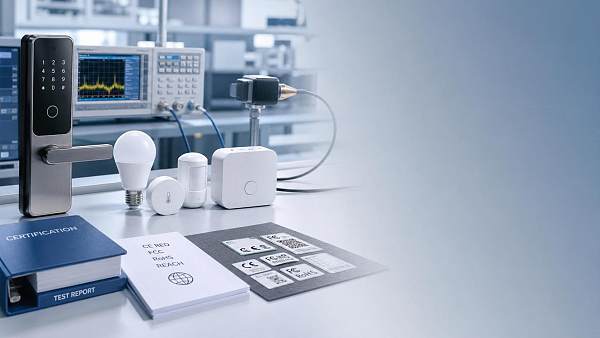
In practice, certification sits at the intersection of electrical safety, EMC, radio performance, cybersecurity, environmental rules, and labeling obligations.
That is why many industrial intelligence platforms, including GIIH, track regulatory shifts alongside technology trends. For smart living systems, standards change almost as quickly as product features.
The most useful way to view smart living certification requirements is as a risk-control framework. They reduce field failures, customs delays, recalls, and post-sale liability.
They also help teams compare regions more clearly. A product aimed at North America, the EU, and parts of Asia rarely follows one identical compliance path.
Which standards usually define smart living certification requirements?
There is rarely one master certificate for a smart home device. More often, approval comes from a bundle of standards and regulatory schemes.
Electrical safety standards are usually the first checkpoint. Depending on the product, teams may look at IEC or UL based standards for information technology, audio-video, household use, or control equipment.
EMC standards then verify whether the device emits interference or becomes unstable when exposed to it. This matters for Wi-Fi devices, Zigbee nodes, Bluetooth accessories, and mixed-signal controllers.
Radio compliance is separate. If a device intentionally transmits, it may need RED in Europe, FCC rules in the United States, or other national radio approvals.
Cybersecurity has become a decisive layer in smart living certification requirements. Weak authentication, insecure update methods, and exposed ports now trigger deeper scrutiny.
Environmental compliance also enters the picture. RoHS, REACH, battery rules, WEEE marking, and packaging obligations can affect product release just as much as safety testing.
A simple comparison table helps clarify how these categories usually break down.
The key point is simple. Smart living certification requirements are layered, and each layer needs its own evidence.
What tests are usually required before a smart home product can be approved?
Testing is often broader than teams expect. It does not stop at one safety report.
Pre-compliance checks are especially valuable. They catch design weaknesses before formal lab scheduling, where every failure costs time and retest fees.
For many products, the test sequence includes safety construction review, abnormal operation checks, temperature rise, dielectric strength, and fault condition analysis.
EMC work usually covers conducted emissions, radiated emissions, ESD, surge, EFT, and immunity to RF disturbances. Devices that behave well in the office may still fail in the chamber.
Wireless products need radio tests such as output power, occupied bandwidth, receiver behavior, and coexistence performance. Module integration does not always remove these obligations.
Software-driven devices often need verification beyond hardware. Secure boot, encrypted communication, update integrity, and access control should be reviewed before submission.
Where products connect to apps or cloud services, documentation must also align. User instructions, warnings, declarations, and traceability marks are part of the compliance package.
- Check whether the power adapter is certified as a standalone component.
- Freeze antennas, enclosures, and PCB layout before final radio testing.
- Validate firmware versions used during the lab program.
- Confirm that labels match regional mark and importer rules.
These details look small, but they often decide whether smart living certification requirements are met smoothly or through expensive rework.
How do regional compliance marks change the certification path?
This is where many teams lose time. The same connected device can face different filing routes, test methods, and marking rules across markets.
In the EU, CE marking may combine safety, EMC, radio, and environmental obligations under one technical file approach. The declaration of conformity becomes a critical legal document.
In the United States, approval may split across FCC authorization, NRTL safety listing, and state-level requirements where relevant. The documentation logic is different, even when tests look similar.
Other markets may require local representatives, in-country testing, language-specific labels, or registration portals. Battery-operated and wireless products often face additional layers.
A useful planning question is not, “Which certificate do we need?” It is, “Which combination of standards, filings, and records will this target market accept?”
That broader view matches how GIIH approaches trade intelligence. Market entry decisions work best when technical, regulatory, and supply chain signals are reviewed together.
Where do smart living certification requirements usually go wrong?
The biggest problem is treating certification as a final checkpoint instead of a design discipline. By the time the product reaches the lab, some failures are already built in.
Another common mistake is relying too heavily on certified modules. A pre-approved radio module helps, but host integration, enclosure effects, and software changes can still trigger new testing.
Documentation gaps are equally serious. Missing BOM traceability, outdated schematics, inconsistent firmware records, or unsupported substance declarations can delay release even after technical success.
Cybersecurity is still underestimated. Some teams pass hardware tests, then discover their product cannot satisfy current expectations around credentials, update management, or vulnerability response.
The more practical way to reduce risk is to watch for these warning signs:
- Design changes continue after formal samples are sent.
- Supplier material declarations are incomplete or unverified.
- User manuals omit warnings, disposal marks, or RF statements.
- The cloud or app team works outside the compliance timeline.
- Target countries are confirmed only after testing begins.
When these issues appear together, smart living certification requirements become a moving target instead of a controlled process.
What timeline and compliance workflow are realistic for approval?
A realistic schedule depends on product complexity, market count, wireless functions, and document readiness. Still, the workflow usually follows a recognizable pattern.
Start with standards mapping. Identify safety, EMC, radio, cybersecurity, and environmental obligations by country and product configuration.
Then move to a design review. Critical items include insulation distances, grounding, thermal behavior, shielding, antenna placement, and update security.
After that, run pre-compliance tests and fix weak points. Formal certification should come only when hardware, software, labels, and manuals are stable.
A compact decision table can help keep the process grounded.
For many smart devices, the approval window can range from several weeks to several months. The difference usually comes from preparation quality, not just lab speed.
What is the most practical next step if certification feels fragmented?
Start by turning smart living certification requirements into a single internal checklist tied to product milestones. That removes guesswork and avoids handoff gaps between design, sourcing, testing, and documentation.
It helps to separate must-have approvals from market-specific additions. Not every launch path needs the same sequence, but every path needs a clear owner and evidence trail.
If the product includes wireless connectivity, app control, batteries, or cloud services, review those four areas first. They generate a large share of modern compliance delays.
Keep an eye on regulatory updates, too. Smart living systems sit inside a fast-moving mix of digital trade, device security, and regional market rules, which is why broader intelligence sources remain useful.
In short, smart living certification requirements are easiest to manage when they are mapped early, tested in layers, documented carefully, and reviewed by market.
The next practical move is to build a standards matrix, confirm target regions, freeze critical design elements, and audit the technical file before formal submission. That sequence saves both time and avoidable risk.
Recommended News
 Sep 02, 2026Which Auto System Parts Fail Most Often in Tropical Climates?What auto systems parts have the highest failure rate in tropical climates? Discover the batteries, cooling, brake, electrical, and A/C parts that need proactive maintenance.
 Aug 18, 2026How to verify whether home control systems testing standards meet safety requirementsHome control systems testing standards: learn how to verify real safety compliance, spot hidden certification gaps, and make smarter release decisions for smart home products.
 Aug 03, 2026Z-Wave Home Control Systems: What to Compare Before You BuyZ-Wave home control systems compared the smart way: learn how to evaluate compatibility, security, mesh stability, automation, and true long-term value before you buy.
 Jul 15, 2026How to Choose a Home Automation Supplier for Multi-Room and Retrofit ProjectsHome automation supplier selection made simple: learn how to compare integration, retrofit readiness, software openness, support, and total cost for scalable multi-room projects.
 Jul 15, 2026Global Home Control Systems Explained: Types, Protocols, and Best-Fit Use CasesGlobal home control systems explained clearly: compare types, protocols like Matter, Zigbee, and Wi-Fi, plus best-fit use cases to choose smarter, safer home automation.
 Jul 14, 2026Connected Home Technology Supplier Comparison: What to Check Before You ShortlistConnected home technology supplier comparison: learn what to check before shortlisting vendors, from interoperability and security to supply resilience and long-term service fit.
 Jul 13, 2026How Energy Efficient Building Automation Cuts HVAC and Lighting Costs in Commercial BuildingsEnergy efficient building automation helps commercial buildings cut HVAC and lighting costs, reduce energy waste, and improve comfort with smarter controls, analytics, and faster ROI.
 Jul 12, 2026Building Automation Data Logging: Which Metrics Matter for Energy Performance?Building automation data logging reveals which metrics truly drive energy performance. Discover key signals, common mistakes, and practical insights to cut waste and optimize operations.
 Jul 04, 2026How to Choose Portable Solar Generators for Home Backup, Camping, or Mobile WorkPortable solar generators buying guide: learn how to choose the right capacity, output, battery type, and charging speed for home backup, camping, or mobile work.
 Jul 02, 2026Building Automation Zigbee vs Wi-Fi: Which Is Better for Stable Device Networks?Building automation Zigbee vs Wi-Fi: discover which delivers more stable, low-maintenance device networks for smart buildings, and choose the right fit for scale, power use, and reliability.
 Jul 01, 2026Prefabricated House Buying Guide: Materials, Cost Drivers, and Build TimePrefabricated house buying guide covering materials, key cost drivers, build time, and supplier risks. Learn how to compare quotes smarter and choose the right solution with confidence.
 Jun 30, 2026Home Control Systems Price Breakdown: Hardware, Installation, and Upgrade CostsHome control systems price explained: compare hardware, installation, subscriptions, and upgrade costs to budget smarter and avoid hidden fees before you buy.
 Jun 27, 2026How to Choose a Smart Living Management System for Multi-Room Energy and Device ControlSmart living management system selection starts with interoperability, room-level energy visibility, and scalability. Learn how to compare vendors, avoid costly mistakes, and choose a platform that improves control and efficiency.
 Jun 26, 2026Smart Living Certification Requirements: Key Standards, Tests, and Compliance StepsSmart living certification requirements explained: key standards, safety and EMC tests, regional marks, and practical compliance steps to speed approval and reduce launch risk.
 Jun 25, 2026Smart Home Gateway vs Hub: What’s the Difference and Which One Do You Need?Smart home gateway vs hub explained: learn the key differences, protocol support, automation benefits, and how to choose the right smart home gateway for a scalable, future-ready home.
 Jun 24, 2026How to Compare Smart Living Systems in the UAE for Villas, Apartments, and Gated HomesSmart living systems UAE guide: compare villa, apartment, and gated home solutions by security, integration, scalability, and long-term value to choose smarter with confidence.
 Jun 23, 2026Smart Home Basics: Which Devices Actually Improve Daily Convenience and Energy Control?Smart home essentials that truly improve daily convenience and energy control: discover which devices deliver real value, cut waste, and fit your routines before you buy.
 Jun 21, 2026Sustainable Home Decor for Eco-Conscious Consumers: Which Materials Are Better for Daily Use?Sustainable home decor for eco-conscious consumers starts with smarter materials. Compare wood, bamboo, metal, textiles, glass, and cork for healthier, durable daily living.
 Jun 14, 2026Prefab Glamping Cost Breakdown: What to Compare Before Choosing a Modular SitePrefab glamping cost breakdown explained: compare hidden site, logistics, compliance, and maintenance costs before choosing a modular site that protects ROI.
 Jun 11, 2026Smart Hotel Systems Explained: What to Automate First for Guest Experience and Energy SavingsSmart hotel systems explained: learn what to automate first—HVAC, lighting, digital check-in, and energy monitoring—to elevate guest experience, cut energy waste, and improve hotel margins.
![]() May 23, 2026Why sustainable home decor is more than a design trendSustainable home decor for eco-conscious consumers goes beyond style trends, offering healthier materials, lasting value, and smarter choices for beautiful, responsible living.
May 23, 2026Why sustainable home decor is more than a design trendSustainable home decor for eco-conscious consumers goes beyond style trends, offering healthier materials, lasting value, and smarter choices for beautiful, responsible living.![]() May 23, 2026Can ergonomic workspace design be installed quickly and wellErgonomic workspace design quick installation is possible without sacrificing quality. Learn how modular planning, compliance, and smart execution create faster, safer, high-performance workspaces.
May 23, 2026Can ergonomic workspace design be installed quickly and wellErgonomic workspace design quick installation is possible without sacrificing quality. Learn how modular planning, compliance, and smart execution create faster, safer, high-performance workspaces.![]() May 23, 2026What makes office furniture work better in coworking spacesModern office furniture for coworking spaces improves flexibility, comfort, and productivity. Discover how smarter furniture choices boost user experience and space value.
May 23, 2026What makes office furniture work better in coworking spacesModern office furniture for coworking spaces improves flexibility, comfort, and productivity. Discover how smarter furniture choices boost user experience and space value. May 22, 2026When do modular office systems save more space and cost?Modern office furniture modular systems save space and cut long-term costs in hybrid, growing, and relocation-prone offices. Learn when they deliver the best ROI.