


Search News
Global Industrial Intelligence Hub (GIIH)Industry Portal
Global Industrial Intelligence Hub (GIIH)Status
Standard Access
Upgrade to PremiumNewsTechnology Advancements in Supply Chains: Where Automation Improves Cost and Visibility
Time
Click Count
Technology advancements are reshaping supply chains into smarter, faster, and more transparent networks. Automation now supports cost control, real-time visibility, and stronger resilience across complex global operations.
For organizations navigating volatile demand, shipping delays, and fragmented data, supply chain automation is becoming a strategic necessity. The question is no longer whether to automate, but where automation creates measurable value first.
This guide answers the most common questions about technology advancements in supply chains, with practical insight into cost reduction, visibility improvement, implementation choices, and common mistakes.
What do technology advancements in supply chains actually include?
Technology advancements cover digital tools, connected systems, and automated workflows that improve planning, movement, storage, and reporting across the supply chain.
They often include AI forecasting, warehouse robotics, IoT tracking, transport management systems, digital twins, supplier portals, and automated data integration.
Some technologies focus on physical execution. Others improve decision quality. The strongest results usually come from combining both.
The main categories of automation
- Process automation for order entry, invoicing, and shipment updates
- Operational automation for picking, packing, sorting, and replenishment
- Analytical automation for forecasting, demand sensing, and inventory optimization
- Visibility automation for tracking assets, goods, and supplier performance
In broad industry settings, technology advancements matter because supply chains connect manufacturing, trade, logistics, service networks, and aftersales support.
Platforms like GIIH highlight this intersection clearly. Market intelligence, logistics monitoring, and sector-specific analysis help turn automation investments into better decisions.
Where does automation improve cost the fastest?
Not every process delivers the same return. The fastest savings usually appear where labor intensity, error rates, or idle inventory are already high.
1. Warehouse operations
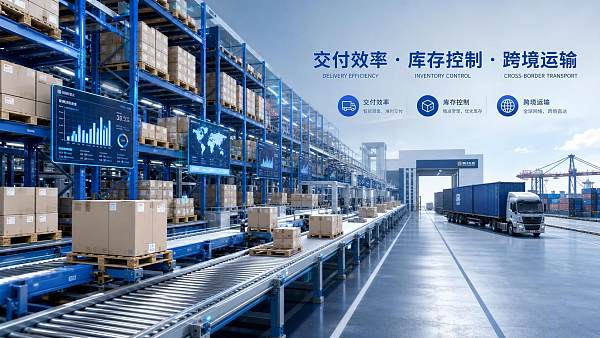
Automated picking systems, conveyor routing, and smart slotting reduce travel time, lower mis-picks, and increase throughput without proportional labor growth.
Even partial automation can cut overtime, returns handling, and storage inefficiencies.
2. Inventory management
AI-driven inventory planning can reduce overstocks and stockouts at the same time. That directly improves working capital and service performance.
This is one of the most valuable technology advancements for networks with seasonal demand or long replenishment cycles.
3. Transportation planning
Route optimization and automated load planning reduce fuel use, empty miles, detention fees, and late-delivery penalties.
For cross-border shipments, automation also supports document consistency and customs readiness.
4. Procurement workflows
Purchase order automation, supplier onboarding tools, and spend analytics shorten cycle times and reduce administrative friction.
The cost benefit is often hidden at first, but it becomes significant across multi-site operations.
5. Exception management
Automated alerts prevent small issues from becoming expensive disruptions. Delayed shipments, low inventory, or supplier slippage can trigger faster responses.
How do technology advancements improve supply chain visibility?
Visibility means knowing what is happening, where it is happening, and what action should happen next. Automation improves all three dimensions.
Real-time tracking replaces delayed reporting
IoT sensors, GPS feeds, and integrated logistics platforms allow live tracking of goods, vehicles, containers, and warehouse conditions.
This is especially useful for temperature-sensitive goods, high-value components, and time-critical replenishment.
Data integration removes silos
A common issue is that procurement, logistics, production, and finance teams use different systems. Automation links these data streams together.
When systems communicate, organizations gain a single view of orders, inventory, transit status, and supplier performance.
Predictive alerts support earlier action
Visibility is not only about dashboards. It is also about detecting future risk before service failures appear.
Advanced analytics can flag likely delays, inventory gaps, or congestion patterns. That changes response from reactive to proactive.
For internationally connected operations, this level of supply chain visibility helps reduce uncertainty in volatile trade conditions.
Which applications make the most sense across different industry environments?
The best use cases depend on product complexity, delivery speed, compliance requirements, and network scale. Still, several patterns apply broadly.
High-volume distribution
Automated sorting, demand forecasting, and transport planning usually create immediate gains. These operations depend heavily on speed and accuracy.
Complex manufacturing networks
Supplier visibility, digital production scheduling, and component traceability become essential. Small disruptions can stop much larger workflows.
Regulated or sensitive goods
Healthcare, technical equipment, and controlled materials benefit from serialized tracking, condition monitoring, and audit-ready data records.
Cross-border trade operations
Automation supports documentation quality, customs readiness, landed cost visibility, and dynamic routing across regions.
This aligns closely with GIIH’s focus on global e-commerce logistics and supply chain intelligence, where market changes often require rapid operational adjustment.
How should organizations decide what to automate first?
A good automation roadmap starts with business pain, not technology fashion. The most successful programs focus on bottlenecks with visible financial impact.
Use this decision sequence
- Map current workflows and identify manual, repetitive, high-error activities.
- Quantify baseline costs, delays, stockouts, and service failures.
- Prioritize processes with fast ROI and manageable integration effort.
- Test with one site, lane, or product family before scaling.
- Measure savings, visibility gains, and user adoption continuously.
This avoids overinvesting in tools that look impressive but fail to solve actual operational problems.
What risks and misconceptions should be avoided?
Technology advancements do not guarantee results on their own. Several common mistakes weaken value and slow adoption.
Mistake 1: Automating broken processes
If workflows are inconsistent or poorly governed, automation can spread errors faster instead of solving them.
Mistake 2: Ignoring data quality
Forecasting engines and visibility tools depend on accurate master data, clean transaction records, and standardized definitions.
Mistake 3: Chasing full transformation too early
A phased approach usually outperforms a large, rushed rollout. Early wins build trust and reveal integration issues before expansion.
Mistake 4: Measuring only labor savings
Important value also appears in better service levels, lower risk exposure, improved planning accuracy, and stronger customer experience.
Mistake 5: Treating visibility as a dashboard project
Visibility becomes powerful only when it drives action rules, escalation paths, and coordinated responses across the network.
FAQ summary: how can businesses capture value from technology advancements?
Technology advancements are changing supply chains from fragmented cost centers into intelligent operating systems. The strongest benefits come from targeted automation, trusted data, and action-oriented visibility.
For organizations seeking better global coordination, lower operating cost, and stronger resilience, the most effective path is practical and staged. Start with one bottleneck, prove value, then scale with discipline.
With deeper industrial insight, market monitoring, and structured intelligence, GIIH supports that journey by helping connect technology decisions with real supply chain outcomes. Visioning the Industry Trends, Linking the Global Future.
Recommended News
 Sep 24, 2026When does supply chain management software pay for itself?Supply chain management software pays for itself by reducing avoidable inventory, freight, stockout, and planning costs. Learn how to build a credible ROI case.
 Sep 20, 2026How supplier compliance monitoring reduces disruption riskSupplier compliance monitoring helps teams spot risks early, prevent costly disruptions, strengthen supplier resilience, and protect operational continuity.
 Sep 16, 2026What makes a procurement research platform reliable for supplier sourcing?A procurement research platform for sourcing helps teams identify credible suppliers, assess risk, verify evidence, and build defensible shortlists for smarter decisions.
 Sep 07, 2026How to compare cross border logistics services for reliable deliveryCompare cross border logistics services with confidence. Learn how to assess customs, tracking, costs, final-mile coverage, and exception handling for reliable delivery.
 Sep 05, 2026How to Compare an Order Fulfillment Pricing Model by Total CostOrder fulfillment pricing model guide: compare total costs across storage, shipping, returns, fees, and service levels to select the right fulfillment partner.
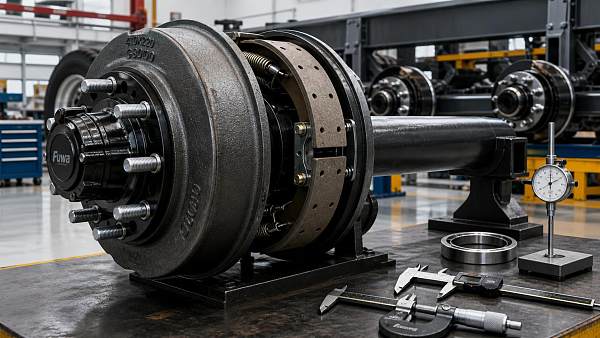
 Sep 07, 2026Sourcing Semi-Trailer Spare Parts Without Compromising Brake Drum QualitySemi trailer spare parts sourcing guide: choose reliable brake drums with verified fitment, traceability, and quality control to protect safety, uptime, and costs.
 Aug 28, 2026France Lowers Foreign Investment Review Threshold to 10% for Non-EU BuyersFrance lowers its foreign investment review threshold to 10% for non-EU buyers, reshaping strategic deals, compliance planning, and cross-border investment.
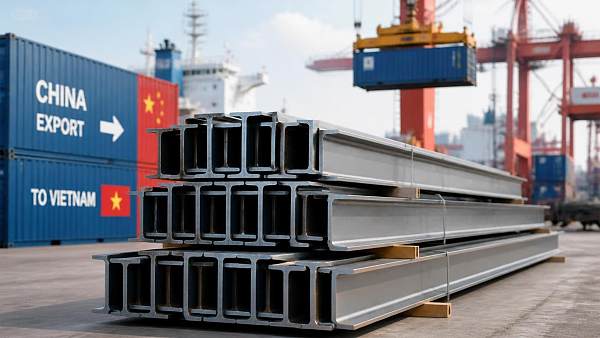
 Aug 25, 2026Vietnam Cuts Anti-Dumping Duty on Chinese H-Beam Steel to 6.78%Vietnam cuts anti-dumping duty on Chinese H-beam steel to 6.78%, reshaping import costs and sourcing decisions in Southeast Asia. See what buyers and traders should do next.
 Aug 21, 2026France Lowers Foreign Investment Review Threshold to 10% for Non-EU BuyersFrance lowers its foreign investment review threshold to 10% for non-EU buyers, reshaping deals in strategic sectors. See what this means for investors, timelines, and cross-border transaction risk.
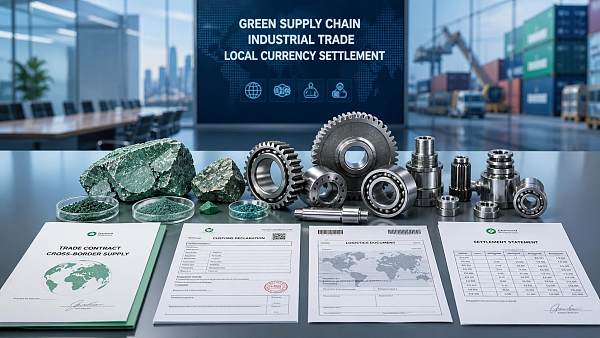
 Aug 20, 2026BRICS Reaches Consensus on Green Minerals Supply Chains and Wider Local-Currency TradeBRICS green minerals supply chains and wider local-currency trade could reshape industrial exports, settlement, and compliance. See what Chinese exporters should watch next.
 Aug 19, 2026RCEP Steel Conference in Nanning Highlights Green Low-Carbon Technology CooperationRCEP Steel Conference in Nanning highlights green low-carbon technology cooperation, tariff rules, and compliance trends shaping steel exports, supply chains, and new regional business opportunities.
 Aug 18, 2026Second Strait of Hormuz Closure Raises Supply Chain Risks as Oil and Freight Costs ClimbSecond Strait of Hormuz closure raises supply chain risks as oil and freight costs climb. Explore impacts on shipping, pricing, and key export sectors now.
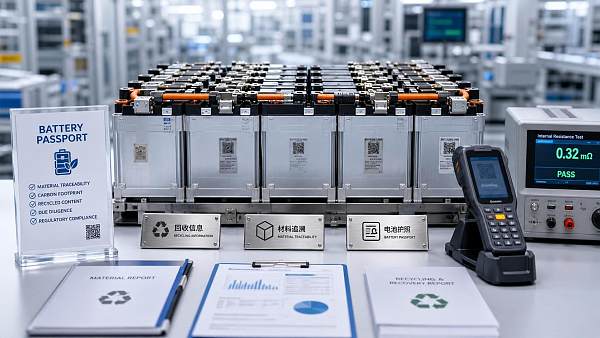
 Aug 16, 2026EU Battery Passport Becomes Mandatory for Exported Storage Products on August 18EU Battery Passport becomes mandatory on August 18, 2026 for exported storage products above 2kWh. Learn what Chinese exporters, integrators, and OEMs must do to stay compliant.
 Aug 15, 2026China Widens Cross-Border Cash Pool Access for Multinationals on Sept. 14China widens cross-border cash pooling for multinationals on Sept. 14, boosting treasury efficiency, liquidity, and payment coordination for China-linked businesses.
 Aug 13, 2026EU Ends Low-Value Parcel Duty ExemptionEU ends the low-value parcel duty exemption, reshaping China-to-EU e-commerce costs, customs compliance, and delivery models for exporters and logistics teams.
 Aug 12, 2026Jiangsu Tightens Overseas Patent Rules for ExportersJiangsu Tightens Overseas Patent Rules for Exporters: learn how new patent search, design-around, and local filing demands may reshape market access in the US, Europe, and Southeast Asia.
 Aug 11, 2026EU CBAM Expansion Adds Hydrogen Products, Pre-Filing Starts Oct 2026EU CBAM expansion adds hydrogen products and starts pre-filing in Oct 2026. Learn how Chinese exporters can prepare carbon data, electricity records, and compliance workflows now.
 Jul 15, 2026Global Shipping Logistics Customs Clearance: Common Delays and How to Prevent ThemGlobal shipping logistics customs clearance made simple: learn the most common delay triggers, reduce document and HS code errors, and keep cross-border shipments moving faster.
 Jul 13, 2026Cloud Project Specification Planning: How to Prevent Scope Gaps Before Procurement StartsCloud project specification planning helps teams define scope, compliance, integrations, and cost drivers before procurement begins—reducing risk, avoiding change requests, and improving vendor fit.
 Jul 12, 2026Logistics Management Analytics: Which KPIs Improve Delivery and Inventory Control?Logistics management analytics helps identify the KPIs that truly improve delivery speed, inventory accuracy, and service reliability across complex supply chains.
 Jul 11, 2026Ecommerce Logistics Sourcing Guide: How to Compare Lead Time, MOQ, and Shipping CostsEcommerce logistics sourcing guide for buyers comparing lead time, MOQ, and shipping costs. Learn how to reduce landed cost risk, improve supplier selection, and make smarter sourcing decisions.
 Jul 10, 2026Supply Chain Bottleneck Analysis for Exporters: Where Delays Happen and How to RespondSupply chain bottleneck analysis for exporters reveals where delays start—from suppliers and documentation to ports and delivery—and shows practical ways to respond faster, cut risk, and protect margins.
 Jul 09, 2026Supply Chain Intelligence Europe: Which Data Signals Matter for Sourcing Decisions?Supply chain intelligence Europe: discover the key data signals shaping smarter sourcing decisions, from supplier risk and lead times to compliance, costs, and logistics performance.
![]() Jul 07, 2026Supply Chain Intelligence and ISO Standards: How to Align Data, Traceability, and ComplianceSupply chain intelligence ISO standards explained: learn how to align data, traceability, and compliance to reduce risk, speed audits, and build resilient operations.
Jul 07, 2026Supply Chain Intelligence and ISO Standards: How to Align Data, Traceability, and ComplianceSupply chain intelligence ISO standards explained: learn how to align data, traceability, and compliance to reduce risk, speed audits, and build resilient operations.