


Search News
Global Industrial Intelligence Hub (GIIH)Industry Portal
Global Industrial Intelligence Hub (GIIH)Status
Standard Access
Upgrade to PremiumNewsWhy German equipment suppliers differ on lead time and cost
Time
Click Count
When sourcing from an Industrial & Manufacturing equipment supplier in Germany, buyers often find that quoted lead times and costs vary more than expected. These differences are rarely random—they reflect supplier capacity, engineering depth, compliance standards, material sourcing, and project complexity. Understanding what drives these gaps can help procurement teams compare offers more accurately, reduce hidden risks, and make smarter purchasing decisions in a competitive global market.
Why do lead time and price quotes vary so much in Germany?
For procurement teams, the biggest mistake is assuming that two quotations describe the same deliverable. In practice, one Industrial & Manufacturing equipment supplier in Germany may be pricing a standard machine with limited documentation, while another is including engineering review, factory testing, spare parts planning, and export-ready compliance files.
Germany has a strong reputation for engineering precision, but that reputation is built on diverse supplier models. Some manufacturers focus on highly customized production. Others work with modular platforms. Some rely on in-house machining, while others subcontract key components. These choices directly affect both cost and delivery timing.
Buyers comparing German suppliers should therefore evaluate quotation scope, production structure, and technical assumptions before using price alone as the decision point. A lower quote can become more expensive if it creates commissioning delays, compliance gaps, or post-shipment modification costs.
- Lead time may include only production, or it may include design approval, raw material procurement, FAT scheduling, and export packing.
- Quoted cost may or may not cover documentation, controls integration, installation guidance, and after-sales response commitments.
- Supplier reputation in Germany often depends on process discipline, which can raise upfront pricing but reduce lifecycle procurement risk.
The most common hidden variables
In cross-border industrial sourcing, the visible quote is only the front layer. Hidden variables often sit in engineering hours, tolerance requirements, supplier backlog, document approval cycles, and the availability of certified components. This is especially true when the buyer needs equipment for medical, logistics, automotive, smart systems, or environmental applications.
What procurement teams should compare before judging one quote against another
The table below helps buyers compare how a typical Industrial & Manufacturing equipment supplier in Germany may structure offers differently. It is designed for procurement review, not just technical review, because sourcing errors often begin when the commercial and engineering teams evaluate different assumptions.
This comparison shows why a faster or cheaper offer is not automatically better. Procurement teams should ask what has been excluded, deferred, or left open. A disciplined Industrial & Manufacturing equipment supplier in Germany may intentionally show a longer lead time because it includes realistic engineering and testing windows rather than optimistic assumptions.
How supplier type changes lead time and total cost
Standard-product suppliers
Suppliers built around catalog products often offer shorter lead times. They can pull from semi-finished inventory, reuse established drawings, and simplify quality control. This model works well when the buyer’s process conditions are stable and when integration risk is low.
Configured solution suppliers
A configured solution provider usually combines standard platforms with selected options, such as drive systems, controls, sensor packages, or material upgrades. Cost rises because engineering review increases. Lead time also expands because more stakeholder approvals are needed before release to production.
Custom engineering suppliers
A custom Industrial & Manufacturing equipment supplier in Germany may deliver the best fit for demanding applications, but the quote reflects design labor, prototype risk, and specialized quality control. Buyers often accept this premium when downtime cost, compliance exposure, or process sensitivity is more expensive than the equipment itself.
- Choose standard equipment when process conditions are common and replacement speed matters most.
- Choose configured equipment when interfaces, automation, or environmental conditions require moderate adaptation.
- Choose custom equipment when regulatory, dimensional, performance, or lifecycle requirements are tightly defined.
Which technical and compliance factors usually add time and cost?
Many procurement delays come from underestimating how technical specifications and certification expectations influence production planning. In Germany, suppliers serving regulated or precision-driven sectors typically maintain stricter review processes. This improves reliability, but it can also extend the commercial-to-production handover.
Frequent cost drivers
- Tighter dimensional tolerances that require extra machining, inspection time, or lower-yield production steps.
- Special surface treatments, corrosion resistance, hygienic finishing, or high-temperature material requirements.
- Control cabinet modifications, software logic changes, or communication protocol integration with existing plant systems.
- Traceability demands for components, test records, and document packs used in regulated or audited environments.
Common compliance checkpoints
Depending on the application, buyers may need to review CE-related documentation, electrical safety conformity, material declarations, user manuals, risk assessment files, or export packaging standards. Even when not all requirements are mandatory for every project, their inclusion changes quotation structure.
For procurement teams, the key question is not simply whether a supplier can comply. It is whether compliance is already built into the proposed lead time and commercial scope. If not, the buyer may face change orders later.
The following table gives a practical view of how technical and compliance items can affect quotations from an Industrial & Manufacturing equipment supplier in Germany.
This table helps buyers separate justified premium from avoidable markup. When the supplier can explain each cost and timing driver with clarity, the quotation is usually more dependable. That is often a stronger indicator than the absolute number on the first page.
How to evaluate lead time risk, not just promised delivery
Ask for milestone-based scheduling
A useful quotation breaks lead time into milestones: engineering confirmation, procurement of long-lead components, fabrication, assembly, testing, packing, and shipment readiness. Without this breakdown, buyers cannot tell whether the supplier has a controlled plan or a rough estimate.
Look for dependency points
Some delivery dates depend heavily on buyer actions. Examples include approval of drawings, confirmation of voltage standards, finalization of PLC interface lists, or acceptance of substitute materials. If these dependencies are not visible, a short lead time may collapse during execution.
Review the supplier’s load profile
An Industrial & Manufacturing equipment supplier in Germany with strong technical depth may still quote a longer lead time simply because its schedule is full. That is not always a negative sign. For critical equipment, stable backlog visibility can be safer than a suspiciously immediate slot without proof of available capacity.
- Request a milestone chart linked to drawing approval and material ordering.
- Identify long-lead items such as drives, sensors, castings, controls, or certified materials.
- Confirm whether FAT, third-party inspection, or export packing is included in the timeline.
- Align internal procurement approval speed with the supplier’s reservation period for price and capacity.
Procurement checklist: how to compare German suppliers more accurately
Cross-functional comparison is essential when sourcing industrial equipment. Purchasing, engineering, operations, and quality teams often care about different variables. A disciplined sourcing checklist helps convert supplier differences into measurable decision criteria.
Key questions to ask each supplier
- What exact scope is included in the quoted price, and what items would trigger variation orders?
- Which components are standard stock items, and which are subject to external sourcing risk?
- What documentation package is delivered with the equipment, and in what language format?
- Does the quoted lead time begin at PO receipt, technical clarification closeout, or deposit confirmation?
- How are quality checks documented, and can FAT or inspection points be added if needed?
Red flags during quotation review
- The quote is materially cheaper but contains vague language around testing, manuals, or commissioning support.
- The supplier promises a short delivery date without discussing long-lead parts or approval dependencies.
- Technical deviations are hidden in footnotes rather than explained clearly in the main offer.
- Commercial terms do not align with the buyer’s logistics, compliance, or installation reality.
Common misconceptions when buying from an Industrial & Manufacturing equipment supplier in Germany
“German suppliers are all the same in quality”
Germany has a strong manufacturing base, but supplier capability still varies by niche, process depth, subcontracting model, and export experience. Country of origin is not a substitute for supplier-level due diligence.
“Longer lead time means inefficiency”
Sometimes it does. Often, however, it means the supplier is protecting engineering review, sourcing integrity, or test discipline. Buyers should judge whether the timeline is transparent and justified, not whether it is simply short.
“Higher price means overcharging”
A higher quote may include lifecycle value that the cheaper quote omits. Better technical documentation, stronger material traceability, and reduced commissioning risk can lower total acquisition cost even when purchase price is higher.
FAQ for buyers comparing German equipment quotations
How should I define lead time in a purchase negotiation?
Define it in writing. Clarify whether lead time starts from PO receipt, deposit payment, or completion of technical clarification. Also confirm whether it ends at ex-works readiness, FAT completion, or shipment departure. This avoids disputes later.
Why does one supplier ask more technical questions before quoting?
Usually because that supplier is trying to reduce ambiguity. Detailed pre-quote questioning often leads to a more accurate commercial offer. For complex systems, that can be a sign of stronger project control rather than slower sales behavior.
Is it better to buy standard equipment for faster delivery?
Only if the process truly fits standard conditions. If the equipment must interface with specific controls, hygiene rules, space limits, or performance targets, a standard unit can create expensive adaptation work after arrival. Faster delivery is helpful only when fit-for-purpose is preserved.
What documents should procurement request before placing the order?
At minimum, request a clear scope sheet, technical datasheet, exclusions list, milestone schedule, document list, and quality or test plan if relevant. For higher-risk projects, ask about risk assessment files, interface drawings, and compliance-related documentation requirements early.
How GIIH helps buyers make better sourcing decisions
For buyers navigating supplier differences, information quality matters as much as price quality. GIIH supports procurement teams by turning fragmented market signals into usable decision intelligence. That includes supplier comparison logic, sector-specific sourcing perspectives, and practical risk interpretation across industrial applications.
Because GIIH tracks manufacturing, logistics, automotive components, medical technology, smart systems, and environmental technology trends, procurement teams can assess a German supplier quote in a wider context. A cost increase may reflect a real component bottleneck. A long lead time may reflect sector-wide capacity pressure. This context helps buyers avoid false comparisons.
Why choose us for supplier intelligence and procurement support
If you are comparing quotations from an Industrial & Manufacturing equipment supplier in Germany, GIIH can help you move from price comparison to decision clarity. Our value is not limited to general market commentary. We help buyers structure sourcing decisions around operational reality.
- Clarify quotation scope so your team can identify what is included, excluded, or likely to become a variation cost.
- Support product selection by aligning application needs, technical constraints, and supplier capability models.
- Review delivery schedules and milestone logic to assess whether promised lead times are realistic.
- Map compliance expectations, documentation needs, and certification-related risks before order placement.
- Facilitate discussions around sample support, customization requirements, and quotation alignment across internal stakeholders.
If your team needs support with parameter confirmation, supplier comparison, lead time evaluation, custom solution planning, certification questions, sample strategy, or quotation communication, GIIH provides a practical starting point for better industrial purchasing decisions.
Recommended News
 Sep 24, 2026When does supply chain management software pay for itself?Supply chain management software pays for itself by reducing avoidable inventory, freight, stockout, and planning costs. Learn how to build a credible ROI case.
 Sep 20, 2026How supplier compliance monitoring reduces disruption riskSupplier compliance monitoring helps teams spot risks early, prevent costly disruptions, strengthen supplier resilience, and protect operational continuity.
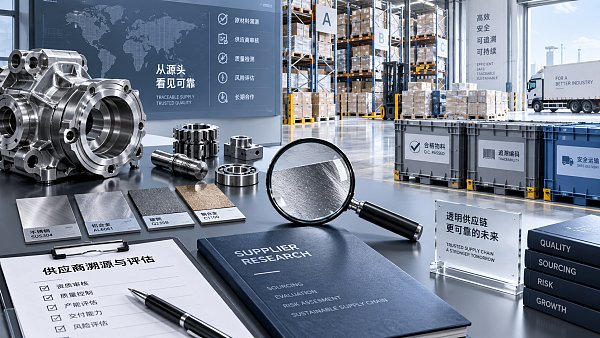
 Sep 16, 2026What makes a procurement research platform reliable for supplier sourcing?A procurement research platform for sourcing helps teams identify credible suppliers, assess risk, verify evidence, and build defensible shortlists for smarter decisions.
 Sep 07, 2026How to compare cross border logistics services for reliable deliveryCompare cross border logistics services with confidence. Learn how to assess customs, tracking, costs, final-mile coverage, and exception handling for reliable delivery.
 Sep 05, 2026How to Compare an Order Fulfillment Pricing Model by Total CostOrder fulfillment pricing model guide: compare total costs across storage, shipping, returns, fees, and service levels to select the right fulfillment partner.
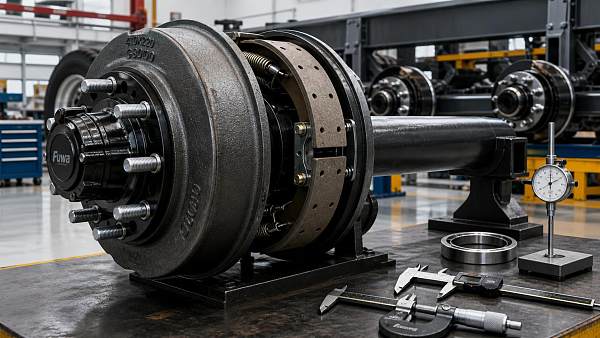
 Sep 07, 2026Sourcing Semi-Trailer Spare Parts Without Compromising Brake Drum QualitySemi trailer spare parts sourcing guide: choose reliable brake drums with verified fitment, traceability, and quality control to protect safety, uptime, and costs.
 Aug 28, 2026France Lowers Foreign Investment Review Threshold to 10% for Non-EU BuyersFrance lowers its foreign investment review threshold to 10% for non-EU buyers, reshaping strategic deals, compliance planning, and cross-border investment.
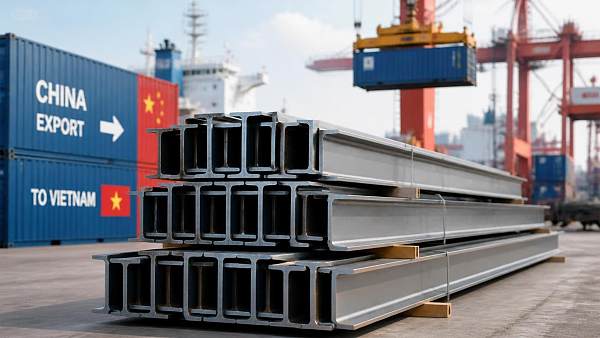
 Aug 25, 2026Vietnam Cuts Anti-Dumping Duty on Chinese H-Beam Steel to 6.78%Vietnam cuts anti-dumping duty on Chinese H-beam steel to 6.78%, reshaping import costs and sourcing decisions in Southeast Asia. See what buyers and traders should do next.
 Aug 21, 2026France Lowers Foreign Investment Review Threshold to 10% for Non-EU BuyersFrance lowers its foreign investment review threshold to 10% for non-EU buyers, reshaping deals in strategic sectors. See what this means for investors, timelines, and cross-border transaction risk.
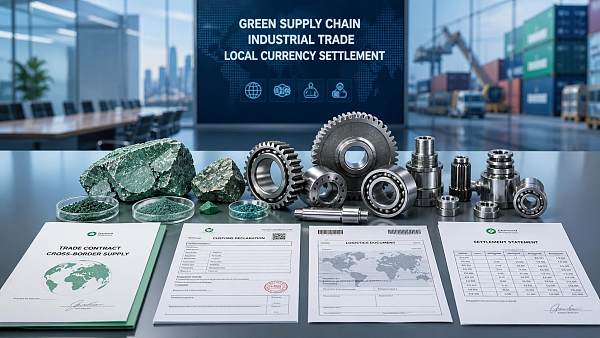
 Aug 20, 2026BRICS Reaches Consensus on Green Minerals Supply Chains and Wider Local-Currency TradeBRICS green minerals supply chains and wider local-currency trade could reshape industrial exports, settlement, and compliance. See what Chinese exporters should watch next.
 Aug 19, 2026RCEP Steel Conference in Nanning Highlights Green Low-Carbon Technology CooperationRCEP Steel Conference in Nanning highlights green low-carbon technology cooperation, tariff rules, and compliance trends shaping steel exports, supply chains, and new regional business opportunities.
 Aug 18, 2026Second Strait of Hormuz Closure Raises Supply Chain Risks as Oil and Freight Costs ClimbSecond Strait of Hormuz closure raises supply chain risks as oil and freight costs climb. Explore impacts on shipping, pricing, and key export sectors now.
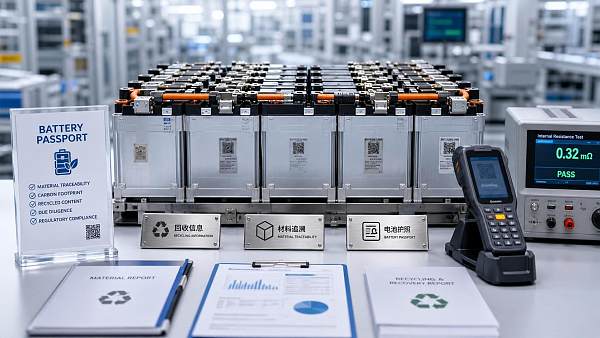
 Aug 16, 2026EU Battery Passport Becomes Mandatory for Exported Storage Products on August 18EU Battery Passport becomes mandatory on August 18, 2026 for exported storage products above 2kWh. Learn what Chinese exporters, integrators, and OEMs must do to stay compliant.
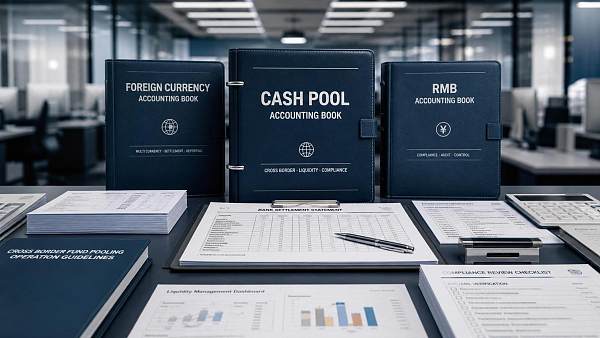
 Aug 15, 2026China Widens Cross-Border Cash Pool Access for Multinationals on Sept. 14China widens cross-border cash pooling for multinationals on Sept. 14, boosting treasury efficiency, liquidity, and payment coordination for China-linked businesses.
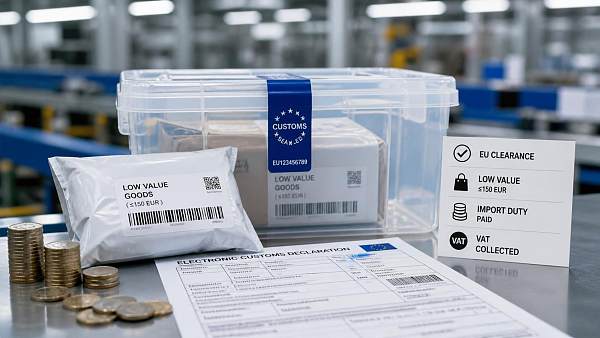
 Aug 13, 2026EU Ends Low-Value Parcel Duty ExemptionEU ends the low-value parcel duty exemption, reshaping China-to-EU e-commerce costs, customs compliance, and delivery models for exporters and logistics teams.
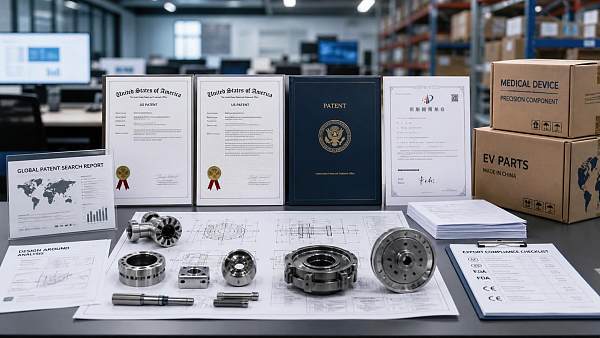
 Aug 12, 2026Jiangsu Tightens Overseas Patent Rules for ExportersJiangsu Tightens Overseas Patent Rules for Exporters: learn how new patent search, design-around, and local filing demands may reshape market access in the US, Europe, and Southeast Asia.
 Aug 11, 2026EU CBAM Expansion Adds Hydrogen Products, Pre-Filing Starts Oct 2026EU CBAM expansion adds hydrogen products and starts pre-filing in Oct 2026. Learn how Chinese exporters can prepare carbon data, electricity records, and compliance workflows now.
 Jul 15, 2026Global Shipping Logistics Customs Clearance: Common Delays and How to Prevent ThemGlobal shipping logistics customs clearance made simple: learn the most common delay triggers, reduce document and HS code errors, and keep cross-border shipments moving faster.
 Jul 13, 2026Cloud Project Specification Planning: How to Prevent Scope Gaps Before Procurement StartsCloud project specification planning helps teams define scope, compliance, integrations, and cost drivers before procurement begins—reducing risk, avoiding change requests, and improving vendor fit.
 Jul 12, 2026Logistics Management Analytics: Which KPIs Improve Delivery and Inventory Control?Logistics management analytics helps identify the KPIs that truly improve delivery speed, inventory accuracy, and service reliability across complex supply chains.
 Jul 11, 2026Ecommerce Logistics Sourcing Guide: How to Compare Lead Time, MOQ, and Shipping CostsEcommerce logistics sourcing guide for buyers comparing lead time, MOQ, and shipping costs. Learn how to reduce landed cost risk, improve supplier selection, and make smarter sourcing decisions.
 Jul 10, 2026Supply Chain Bottleneck Analysis for Exporters: Where Delays Happen and How to RespondSupply chain bottleneck analysis for exporters reveals where delays start—from suppliers and documentation to ports and delivery—and shows practical ways to respond faster, cut risk, and protect margins.
 Jul 09, 2026Supply Chain Intelligence Europe: Which Data Signals Matter for Sourcing Decisions?Supply chain intelligence Europe: discover the key data signals shaping smarter sourcing decisions, from supplier risk and lead times to compliance, costs, and logistics performance.
![]() Jul 07, 2026Supply Chain Intelligence and ISO Standards: How to Align Data, Traceability, and ComplianceSupply chain intelligence ISO standards explained: learn how to align data, traceability, and compliance to reduce risk, speed audits, and build resilient operations.
Jul 07, 2026Supply Chain Intelligence and ISO Standards: How to Align Data, Traceability, and ComplianceSupply chain intelligence ISO standards explained: learn how to align data, traceability, and compliance to reduce risk, speed audits, and build resilient operations.