


Search News
Global Industrial Intelligence Hub (GIIH)Industry Portal
Global Industrial Intelligence Hub (GIIH)Status
Standard Access
Upgrade to PremiumNewsWhy EV battery sourcing is becoming more regional
Time
Click Count
As EV battery sourcing shifts closer to end markets, companies across the automotive components ecosystem are rethinking procurement, logistics management, and supply chain resilience. From EV motor systems to precision engineering for electric vehicle parts, regional strategies now influence cost, compliance, inventory control, and access to high-quality parts—making localization a critical issue for buyers, distributors, and industrial decision-makers.
For information researchers, sourcing teams, commercial evaluators, and channel partners, the regionalization of EV battery supply is no longer a niche topic. It is shaping supplier qualification, lead-time assumptions, capital allocation, and aftermarket planning across North America, Europe, and Asia. What used to be a global procurement exercise centered on cost is becoming a multi-variable decision built around risk, compliance, and continuity.
This shift matters beyond battery cell makers. It affects pack integrators, EV motor system suppliers, precision component manufacturers, distributors serving repair and replacement markets, and trading firms balancing cross-border opportunities with changing tariff structures. For companies tracking industrial trends through a platform such as GIIH, regional battery sourcing offers a useful lens into how global supply chains are being redesigned in real time.
Why regional EV battery sourcing is accelerating
The first driver is policy. In the past 3–5 years, major EV markets have introduced incentives tied to domestic or regional content, local assembly, or traceable sourcing. This means battery procurement is no longer judged only by unit price per kWh. Buyers now have to ask whether a battery can support tax-credit eligibility, local manufacturing claims, or public procurement requirements in the destination market.
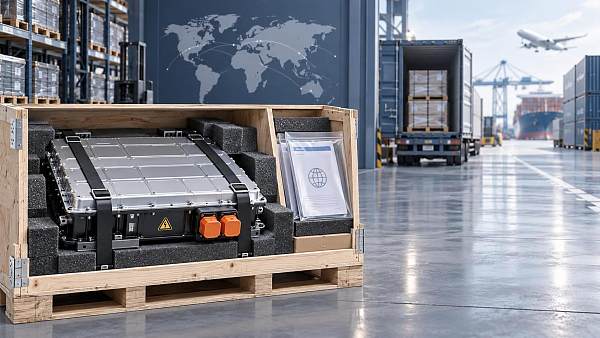
The second driver is logistics volatility. Shipping battery materials and battery packs over long distances adds complexity because lithium-ion products face stricter transport documentation, packaging controls, and handling procedures. A route that once took 4–6 weeks can easily stretch longer when congestion, customs reviews, or route changes occur. For high-volume EV programs, that delay can affect model launch schedules and service-part availability.
The third driver is resilience. Automotive OEMs and component buyers learned during recent supply disruptions that a single-source strategy creates operational fragility. Regional sourcing does not eliminate risk, but it can reduce the number of cross-border handoffs, shorten replenishment cycles to 2–3 weeks in some cases, and improve visibility into supplier performance, scrap rates, and inventory buffers.
A fourth factor is industrial clustering. Battery cells, packs, thermal management systems, power electronics, and EV motor systems increasingly develop together in the same regional ecosystem. When engineering teams, quality teams, and logistics nodes are located within a narrower radius, issue resolution becomes faster. Instead of waiting 10–14 days for overseas corrective action feedback, technical teams may be able to complete on-site reviews within 48–72 hours.
How the sourcing logic has changed
Ten years ago, battery sourcing often emphasized scale and low-cost manufacturing concentration. Today, the logic is broader. Procurement teams are balancing cost, compliance, traceability, geopolitical exposure, lead-time security, and service responsiveness. In many tenders, a supplier that is 5% to 8% more expensive may still win if it offers stronger regional support, lower customs friction, and better continuity planning.
Key forces behind localization
- Regional incentive rules tied to local manufacturing or battery origin.
- Transport and insurance complexity for hazardous or regulated battery shipments.
- Demand for shorter lead times, often moving from 8–12 weeks toward 3–6 weeks.
- Need for closer engineering collaboration on battery pack design, cooling, and integration.
- Pressure to improve supply chain transparency from raw materials through final assembly.
What regionalization changes for procurement, cost, and inventory planning
Regional sourcing does not automatically mean lower purchase prices. In some markets, localized batteries can carry higher labor, energy, or compliance costs. However, procurement should measure the total landed outcome rather than the factory gate price alone. Warehousing needs, safety stock, customs handling, packaging compliance, and emergency freight exposure all influence the real cost per delivered battery system.
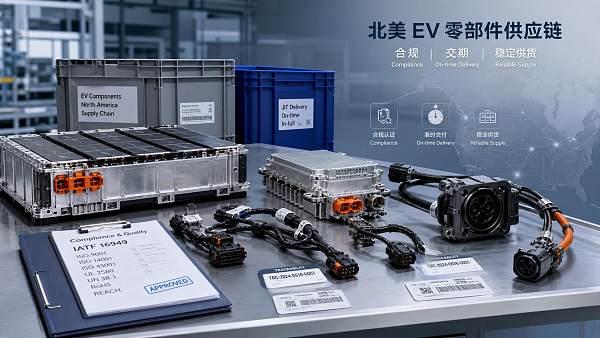
For distributors and agents, regionalization can improve inventory control. If replenishment shifts from a 60–90 day offshore planning cycle to a 20–35 day regional cycle, businesses can reduce overstock risk and react faster to model mix changes. This is especially valuable in EV-related aftermarket channels, where battery-adjacent parts such as connectors, busbars, cooling plates, and enclosure components may change across model years.
Commercial evaluation teams should also factor in quality cost. A battery sourcing strategy with faster supplier audits, easier containment, and more accessible service engineering often lowers the hidden cost of non-conformance. When a defect investigation can be completed in 3 days instead of 3 weeks, line stoppage risk and customer service disruption both become more manageable.
The table below shows how procurement priorities often shift when a company moves from globally concentrated sourcing toward a more regional model.
The main takeaway is that localization changes the cost equation from a single number into a broader operational model. For many buyers, a regional supplier is attractive not because it is always cheaper, but because it reduces volatility across at least 4 critical areas: compliance, lead time, quality response, and inventory exposure.
Procurement checks before switching to a regional model
- Map total landed cost, including packaging, transport mode, insurance, and special handling.
- Test the supplier’s traceability depth from cell source to pack-level serialization.
- Review service responsiveness, including engineering support within 24, 48, and 72 hours.
- Check whether local capacity is committed or only planned over the next 12–24 months.
- Validate how the sourcing model supports both OEM programs and aftermarket part availability.
Risk, compliance, and supply chain visibility in a regional battery market
As battery sourcing becomes more regional, the risk profile changes rather than disappears. Local production can reduce transport exposure, but it may create new bottlenecks in upstream materials, cell chemistry licensing, workforce readiness, or utility capacity. A factory located near the end market is only part of the answer. Buyers still need visibility into precursor materials, cathode and anode inputs, electronics subcomponents, and pack assembly quality systems.
Compliance pressure is also expanding. Procurement teams now review not just product performance but origin declarations, battery labeling, transportation documentation, recycling readiness, and environmental reporting practices. In some tenders, traceability expectations now extend through 3 tiers of suppliers. That creates a stronger case for regional sourcing where audit access and document validation are more practical.
For business evaluators and industrial researchers, one of the biggest questions is whether a regional supply chain is genuinely deep or only assembled at the final stage. If cells are imported from one region, packs are assembled in another, and thermal or control components come from a third, the network may still carry hidden friction. This is why battery sourcing analysis must include supplier depth, not just assembly location.
The table below outlines common risk points and the practical controls buyers should request during supplier evaluation and onboarding.
A disciplined regional sourcing strategy should improve visibility at least as much as it improves proximity. If a supplier cannot provide process transparency, origin evidence, and response governance, local geography alone will not create a resilient battery supply chain.
Common misreadings in the market
- Assuming “local assembly” means fully local value content.
- Treating announced capacity as available supply in the next 6–12 months.
- Ignoring the impact of upstream material concentration outside the target region.
- Overlooking service-part planning for EV repairs, replacements, and fleet maintenance.
How buyers, distributors, and evaluators should adapt their sourcing strategy
For sourcing managers, the practical response is not to abandon global procurement, but to redesign it. Many successful teams are moving toward a hybrid structure: one regional source for core production demand, a second qualified source for contingency, and carefully selected global suppliers for cost-sensitive or less time-critical components. This creates flexibility without overcommitting to a single regional ecosystem that may still be maturing.
Distributors and channel partners should examine how battery localization affects adjacent product categories. Regional battery production often boosts demand for enclosures, connectors, busbars, thermal insulation materials, power distribution parts, and EV motor system components. A distributor that adapts early can improve fill rates, reduce special-order delays, and position itself closer to OEM, fleet, and service-network demand.
Commercial evaluators should work with both procurement and engineering teams. Battery sourcing decisions are no longer purely purchasing events. They involve manufacturing feasibility, warehouse safety, service logistics, certification requirements, and program timing. A cross-functional review involving at least 4 functions—procurement, quality, engineering, and logistics—usually produces a better sourcing outcome than a cost-led negotiation alone.
The framework below can help decision-makers compare suppliers in a more structured way when assessing regional battery sourcing options.
A structured scorecard makes supplier comparison more defensible, especially when internal stakeholders disagree on whether cost, policy eligibility, or supply security should carry the most weight. In volatile markets, the best sourcing decision is often the one that remains workable under more than one scenario.
Recommended implementation path
- Segment demand into OEM production, pilot projects, aftermarket service, and emergency supply.
- Rank suppliers by regional fit, traceability depth, and response capability.
- Pilot with a 3–6 month phased allocation instead of an immediate full transfer.
- Track service level, quality events, and actual landed cost monthly.
- Adjust sourcing mix every 2 quarters as policy and capacity conditions evolve.
What to watch next in the regional EV battery landscape
Over the next 12–36 months, regional battery sourcing is likely to deepen, but not in a uniform way. Some regions will strengthen full ecosystems from materials through packs, while others may remain dependent on imported cells or battery chemicals. This means buyers should avoid treating “regional” as a fixed category. The real question is how much of the value chain is regionalized and which stages remain exposed to external disruption.
Another development to watch is the growing connection between battery sourcing and adjacent industrial capabilities. Thermal systems, battery management electronics, lightweight housings, and precision automotive parts will increasingly be procured within the same regional networks. For market researchers and distributors, that creates opportunity: the battery story is also a broader components story tied to mobility infrastructure, service readiness, and industrial investment patterns.
Digital supply intelligence will also become more important. Regionalization produces more local nodes, but it also requires better data discipline. Supplier dashboards, inventory visibility tools, shipment monitoring, and structured market intelligence can help teams compare regions using the same criteria. This is where a platform such as GIIH becomes valuable, turning fragmented updates on manufacturing, logistics, and technology into decision-ready insight for industrial planning.
For organizations buying, evaluating, or distributing EV-related components, the core message is clear: battery sourcing is becoming more regional because the market now rewards responsiveness, visibility, and resilience as much as scale. Companies that build sourcing models around these realities will be better positioned to manage cost swings, policy changes, and delivery risk.
FAQ
How should buyers judge whether a regional battery supplier is truly competitive?
Use a total-value lens. Compare at least 5 items: unit price, lead time variance, compliance fit, local engineering response, and inventory impact. A supplier with a slightly higher quoted price may still be more competitive if it cuts delivery risk by 20% to 30% and reduces the need for large buffer stock.
Is regional sourcing only relevant for OEMs?
No. It also matters to distributors, agents, service networks, and replacement-part suppliers. Regional battery ecosystems often influence availability for connected parts such as cable assemblies, cooling components, housings, and EV motor system accessories. Shorter replenishment cycles can improve service levels across the channel.
What is the biggest mistake companies make when localizing battery procurement?
A common mistake is focusing on assembly location without validating upstream depth. If the local site depends heavily on imported cells or critical materials with limited alternatives, the sourcing model may still be vulnerable. Buyers should review at least 3 supply tiers where possible.
How long does a regional sourcing transition usually take?
For industrial buyers, a realistic transition often takes 3–9 months depending on qualification needs, contract cycles, and engineering validation. If battery packs are closely integrated into the vehicle platform, the timeline can extend further due to testing, safety reviews, and production scheduling.
Regional EV battery sourcing is not a temporary reaction. It is part of a broader industrial reset in which procurement, logistics, compliance, and technology development are moving closer together. For researchers, buyers, and channel partners, the priority is to evaluate regional opportunities with clear criteria, realistic timelines, and supply chain depth in mind.
GIIH supports this work by helping industrial decision-makers connect market signals across automotive parts, global logistics, and technology trends. If you are reassessing EV battery sourcing, supplier positioning, or regional component opportunities, contact us to explore tailored intelligence support, request a customized sourcing analysis, or learn more about practical solutions for your market strategy.
Recommended News
 Sep 12, 2026What does UN 38.3 testing cover for EV battery shipments?EV battery UN 38.3 testing covers altitude, thermal, vibration, shock, short-circuit, overcharge, and discharge risks. Learn key compliance steps for safer EV battery shipments.
 Aug 24, 2026How to compare electric drive components for torque and efficiencyElectric drive components comparison starts with real load profiles. Learn how to evaluate torque, efficiency, motor-inverter-gearbox fit, and avoid costly selection mistakes.
 Jul 29, 2026400V EV Battery Components Explained: Key Parts, Functions, and System Design BasicsEV battery components 400V explained clearly: discover key parts, core functions, safety logic, thermal design, and system basics to evaluate EV battery packs with confidence.
 Jul 18, 2026Automotive Component Rating Standards Explained: How to Compare Load, Temperature, and Safety LimitsAutomotive component rating standards explained clearly: learn how to compare load, temperature, and safety limits to reduce sourcing risk, improve compliance, and choose parts with confidence.
 Jul 15, 2026EV Components North America: Sourcing Priorities, Compliance, and Lead Time FactorsEV components North America buyers now face tougher sourcing decisions. Explore compliance risks, lead time pressures, and smarter strategies to reduce disruption and improve EV supply chain performance.
 Jul 13, 2026How to Evaluate a Battery Components Exporter for Quality, Traceability, and Lead TimeBattery components exporter selection goes beyond price. Learn how to assess quality control, traceability, and lead time to reduce supply risk and choose a reliable partner.
 Jul 12, 2026High Voltage EV Batteries vs Standard Packs: Key Design and Safety DifferencesHigh voltage EV batteries vs standard packs: explore the key design, charging, efficiency, and safety differences to choose the right EV battery architecture with confidence.
![]() Jul 07, 2026EV Accessories Buying Guide: Which Add-Ons Matter for Safety, Charging, and Daily Use?EV accessories buying guide: discover which add-ons truly improve charging, safety, and daily convenience, so you can choose smarter, safer gear with confidence.
Jul 07, 2026EV Accessories Buying Guide: Which Add-Ons Matter for Safety, Charging, and Daily Use?EV accessories buying guide: discover which add-ons truly improve charging, safety, and daily convenience, so you can choose smarter, safer gear with confidence. Jun 30, 2026EV Motor Selection Guide: Torque, Efficiency, Cooling, and Cost Trade-OffsEV motor selection guide covering torque, efficiency, cooling, and cost trade-offs. Learn how to choose the right EV motor for better range, reliability, and total value.
 Jun 29, 2026Permanent Magnet EV Motor Selection: Torque, Efficiency, Cooling, and Cost Trade-OffsPermanent magnet EV motor selection explained: compare torque, efficiency, cooling, and total cost trade-offs to choose the right EV drive solution with confidence.
 Jun 27, 2026Sourcing Guide for EV Components: How to Compare Suppliers, Lead Times, and MOQSourcing guide EV components for procurement teams: compare suppliers, lead times, MOQ, quality, and total cost to reduce risk and make smarter EV sourcing decisions.
 Jun 27, 2026Electric Drive Components Price in Europe: What Drives Cost by Motor, Inverter, and VolumeElectric drive components price Europe explained: see how motor design, inverter technology, and order volume shape real costs in Europe, and compare suppliers with greater confidence.
 Jun 25, 2026How Long Life Mobility Components Reduce Maintenance in High-Use EquipmentLong life mobility components cut maintenance by matching real load, floor, and cleaning conditions. See how smarter selection improves uptime, lowers service costs, and extends equipment life.
 Jun 23, 2026Spark Plugs OEM Sourcing Guide: Key Specs, Compatibility Checks, and Supplier RisksSpark plugs OEM sourcing guide covering key specs, compatibility checks, total cost, and supplier risks—learn how to avoid fitment errors, returns, and costly quality issues.
 Jun 13, 2026Vehicle Electronics Selection Guide: Key Standards, Interfaces, and Reliability FactorsVehicle electronics selection starts with standards, interfaces, and reliability. Learn how to compare components, reduce integration risk, and choose smarter for long-term performance.
 Jun 06, 2026What Is a BMS in Battery Systems? Functions, Key Components, and Selection BasicsBMS explained: learn what a Battery Management System does, its key components, and how to choose the right BMS for safer, longer-lasting, better-integrated battery systems.
 Jun 02, 2026Solid-State Battery Breakthroughs: What to Verify Before EV AdoptionSolid-state battery breakthroughs are reshaping EV strategy—learn what to verify in energy density, cycle life, safety, cost, and supplier readiness before adoption.
 May 31, 2026Why is EV battery tech reshaping range expectations?EV battery tech is redefining real-world range through smarter chemistry, thermal control, fast charging, and software—discover what matters beyond mileage.
![]() May 19, 2026Why long-lifespan solid-state batteries matter nowSolid-state battery breakthroughs long lifespan are reshaping EVs, grid storage, and industry. Discover why longer life, safer performance, and lower total cost matter now.
May 19, 2026Why long-lifespan solid-state batteries matter nowSolid-state battery breakthroughs long lifespan are reshaping EVs, grid storage, and industry. Discover why longer life, safer performance, and lower total cost matter now.![]() May 19, 2026Is off-grid lithium storage worth the upfront cost?Lithium battery storage for off-grid applications can justify higher upfront costs through lower maintenance, better efficiency, and stronger long-term ROI. See when it pays off.
May 19, 2026Is off-grid lithium storage worth the upfront cost?Lithium battery storage for off-grid applications can justify higher upfront costs through lower maintenance, better efficiency, and stronger long-term ROI. See when it pays off.![]() May 19, 2026Are solid-state battery breakthroughs finally lifting energy density?Solid-state battery breakthroughs in high energy density are moving beyond hype. Learn what technical evaluators should verify on cycle life, safety, cost, and scalable commercialization.
May 19, 2026Are solid-state battery breakthroughs finally lifting energy density?Solid-state battery breakthroughs in high energy density are moving beyond hype. Learn what technical evaluators should verify on cycle life, safety, cost, and scalable commercialization. May 18, 2026Why portable lithium battery storage needs better designLithium battery storage portable design matters more than ever. Discover how better safety, mobility, and charging design improve backup, travel, and field power performance.
 May 17, 2026What next-gen EV charging must solve beyond faster speedNext-gen wireless charging for electric vehicles must solve efficiency, safety, interoperability, and real-world deployment fit—not just speed. Explore what makes EV charging scalable and investment-ready.
 May 17, 2026How close are solid-state batteries to real EV production?Solid-state battery breakthroughs for electric vehicles are moving beyond the lab. Discover how close they are to real EV production, what still blocks scale-up, and which milestones matter most.