


Search News
Global Industrial Intelligence Hub (GIIH)Industry Portal
Global Industrial Intelligence Hub (GIIH)Status
Standard Access
Upgrade to PremiumNewsEV motor replacement cycles may be shorter than planned
Time
Click Count
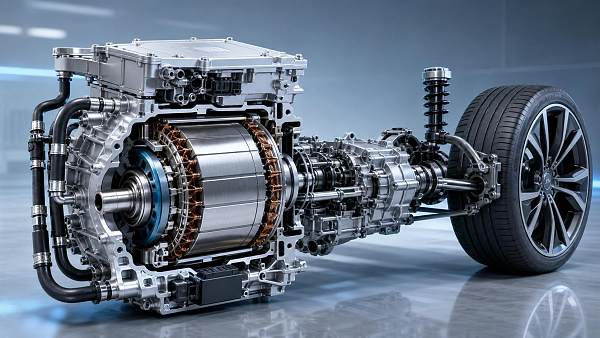
EV motor replacement cycles may be arriving sooner than many fleets and buyers expected, reshaping the aftermarket for electric vehicle parts. From EV motor and EV battery reliability to procurement, inventory control, logistics management, and supply chain planning, this shift is driving demand for high-quality parts, precision engineering, custom components, and dependable automotive components across global service networks.
Why are EV motor replacement cycles becoming a procurement issue now?
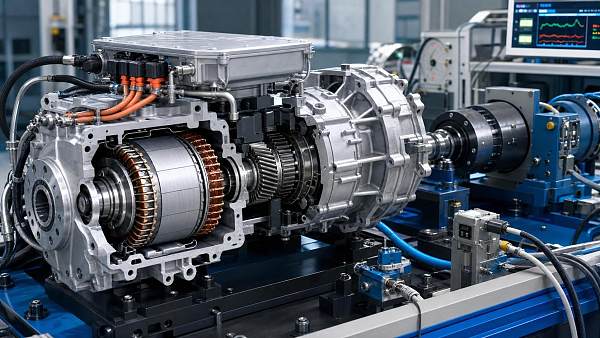
For information researchers, buyers, business evaluators, and channel partners, the central question is no longer whether electric drive systems are durable enough for mass deployment. The more urgent question is whether actual EV motor replacement cycles are aligning with original planning assumptions. In many real-world fleets, use intensity, thermal stress, road conditions, charging behavior, and maintenance discipline can compress replacement windows from long-term expectations into much shorter operational planning cycles.
This matters because a shorter EV motor replacement cycle affects more than repair volume. It changes aftermarket demand forecasting, parts stocking strategy, warranty negotiations, workshop training, and cross-border sourcing decisions. A distributor that once planned around a 5–8 year major component rhythm may need to assess service readiness in 2–4 year intervals for certain high-mileage or heavy-duty duty cycles, especially where stop-start urban operations and high ambient temperatures are common.
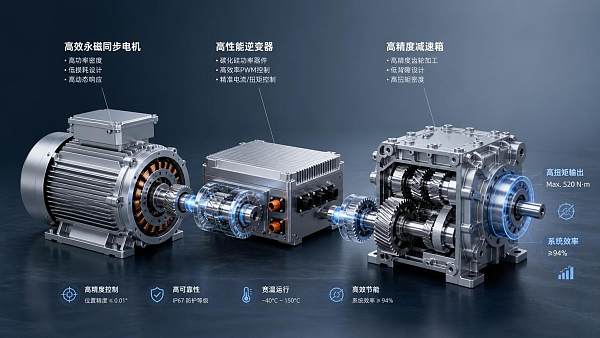
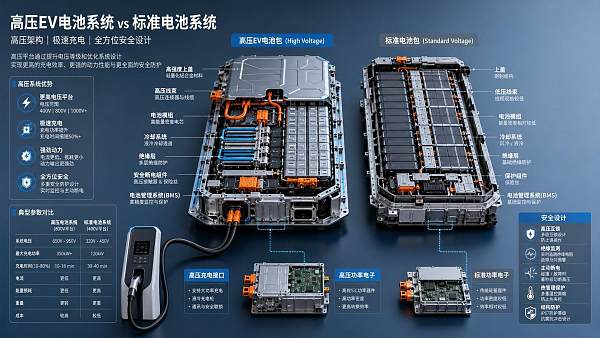
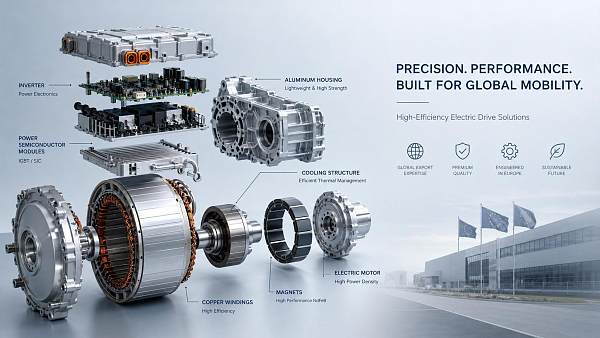
The issue also sits at the intersection of EV motor reliability and EV battery reliability. When battery degradation, inverter stress, cooling deficiencies, or drivetrain control issues appear together, diagnosis becomes more complex. Procurement teams can no longer evaluate motors as isolated parts. They need component-level visibility, compatibility checks, and supplier documentation that cover matched performance across the motor, controller, bearings, insulation system, cooling loop, and associated automotive components.
At GIIH, this is exactly where industrial intelligence creates value. In a market shaped by fragmented information and uneven field feedback, decision-makers need structured insight rather than scattered anecdotes. The practical implication is clear: replacement cycles are becoming a planning variable that directly influences sourcing risk, aftermarket profitability, and the resilience of mobility supply chains.
- Fleet operators are seeing different replacement patterns between low-mileage passenger use and high-frequency commercial use.
- Procurement teams must now compare original equipment, remanufactured options, and custom-fit replacements within shorter review windows.
- Distributors need more accurate service-part forecasting for 3-month, 6-month, and 12-month inventory cycles.
What is driving the earlier replacement pattern?
The first driver is operating intensity. Vehicles used for delivery, shuttle services, industrial transport, or ride-hailing can accumulate far more duty hours than privately used vehicles. Over 18–36 months, the load history on motors, bearings, and insulation systems may differ sharply even when the odometer figures look similar. That gap often leads to underestimation of replacement demand.
The second driver is thermal management. Heat remains one of the most important enemies of electric drive longevity. Repeated exposure to elevated temperature ranges, inadequate cooling flow, contamination, and vibration can shorten service life. In environments where summer temperatures frequently exceed 35°C or where vehicles climb gradients under load, stress on windings and associated electronics can intensify faster than procurement models assume.
The third driver is uneven aftermarket quality. Not every replacement motor or related automotive component delivers the same material control, tolerances, balancing quality, or insulation durability. For buyers, this creates a second-order risk: replacing too late causes downtime, but replacing with poorly matched parts can create repeat failures within 6–18 months.
Where do shorter EV motor replacement cycles show up first?
Not every EV platform experiences the same replacement pressure. The earliest signals usually appear in applications with continuous operation, heavier payloads, frequent acceleration, or inconsistent maintenance execution. For procurement and business evaluation teams, understanding these use cases helps prioritize which parts categories require closer monitoring and which customer segments may generate faster aftermarket demand.
Commercial fleets are often the first to show the trend. Delivery vans, e-buses, port vehicles, warehouse transport units, and shared-mobility fleets may run multiple shifts or maintain high utilization across 6–7 days per week. In those environments, planned service intervals can be overtaken by actual wear patterns, especially when cooling systems, bearings, and seals are not inspected with enough frequency.
Regional conditions also matter. Humid coastal environments, dusty industrial zones, poor road surfaces, and large temperature swings can accelerate component stress. This is why a sourcing plan that works in one market may fail in another. Cross-border traders and distributors should avoid one-size-fits-all assumptions when estimating EV motor replacement demand or stocking spare automotive components.
The table below compares common scenarios where EV motor replacement cycles may tighten earlier than initially expected. It can help buyers and channel partners identify where to focus inspection, stocking, and supplier qualification.
The comparison shows that replacement pressure is less about headline vehicle type and more about duty cycle, heat exposure, maintenance rigor, and environmental stress. For distributors and agents, this means sales forecasting should be segmented by use case, not only by model category. A mixed portfolio may need very different inventory logic for urban fleets versus standard retail users.
How should channel partners read these signals?
A distributor seeing increased inquiries for EV motor assemblies, cooling-related parts, or diagnostic support should treat that as an early market signal. When demand rises in clusters over 1–2 quarters, it often indicates replacement behavior is shifting from exceptional to repeatable. That is the moment to review supplier depth, service lead times, and warranty response processes.
For business evaluators, the opportunity is not only in the motor itself. Associated automotive components such as seals, connectors, housings, sensors, bearings, and thermal management parts may see linked demand. The more integrated the aftermarket offer, the stronger the chance of reducing downtime for end users and improving reorder value for partners.
GIIH tracks these shifts through an industrial lens that connects component engineering, logistics exposure, and trade execution. That broader view helps companies move beyond reactive purchasing and build a supply strategy around actual replacement behavior.
What should buyers compare when sourcing EV motors and related automotive components?
When replacement cycles shorten, rushed purchasing becomes expensive. Procurement teams need a comparison framework that weighs technical fit, lifecycle cost, lead time, and after-sales practicality. A lower unit price is rarely enough if the part creates installation delays, repeat failures, or compatibility issues with the inverter, gearbox, battery interface, or vehicle control system.
A good sourcing review usually starts with 5 core checkpoints: fitment accuracy, thermal design, materials and insulation quality, documentation completeness, and supplier response speed. If buyers skip even one of these areas, they risk replacing one failure point with another. This is particularly important when comparing original equipment replacements, equivalent aftermarket options, and custom components for regional service networks.
Lead time must also be reviewed alongside inventory strategy. In cross-border supply chains, common replenishment windows may range from 2–4 weeks for stocked items to 6–10 weeks for custom or lower-volume configurations. That gap directly affects fleet uptime, dealer service commitments, and distributor working capital.
The table below provides a practical procurement comparison matrix for evaluating EV motor replacement options and related automotive components in B2B purchasing scenarios.
This matrix helps buyers avoid the common trap of comparing only price and nominal power. In practice, replacement success depends on compatibility, operating context, and supplier execution. For agents and distributors, it also supports clearer technical conversations with downstream customers who need proof of fit, service readiness, and expected delivery timing.
A practical 4-step sourcing workflow
- Define the failure scenario: confirm whether the issue is motor-only, controller-linked, thermal-system related, or part of a broader EV battery and drivetrain interaction.
- Map technical requirements: verify dimensions, interface standards, load profile, cooling conditions, and expected service interval.
- Compare supply options: review stock availability, custom lead time, packaging method, and documentation completeness across at least 2–3 suppliers.
- Plan service execution: align inbound logistics, workshop readiness, spare parts, and return analysis procedure before placing volume orders.
This workflow is especially useful when the buyer is dealing with uncertain failure rates or entering a new regional aftermarket. It creates a disciplined path from diagnosis to purchase without overcommitting capital too early.
What mistakes cause avoidable sourcing losses?
One common mistake is treating all EV motors as interchangeable if the headline power rating looks similar. Another is ignoring logistics constraints such as packaging sensitivity, customs documentation, or transit time variability. A third is failing to align replacement procurement with supporting components, which can leave technicians waiting on connectors, seals, or cooling parts even after the motor arrives.
For business assessment teams, these mistakes distort the real total cost. Downtime, reinstallation labor, claim handling, and reputation risk can easily outweigh small savings on unit price. That is why structured evaluation matters in any growing EV parts aftermarket.
How do cost, compliance, and supply chain planning change when replacement intervals shrink?
Shorter EV motor replacement cycles put pressure on both margin and operational discipline. Buyers have to balance availability with cash flow, and distributors must decide how much stock to hold without overexposing themselves to model changes. In many cases, the better strategy is not simply larger inventory. It is smarter segmentation: high-turn items stocked locally, lower-turn variants sourced through planned replenishment windows, and custom components reserved for confirmed demand.
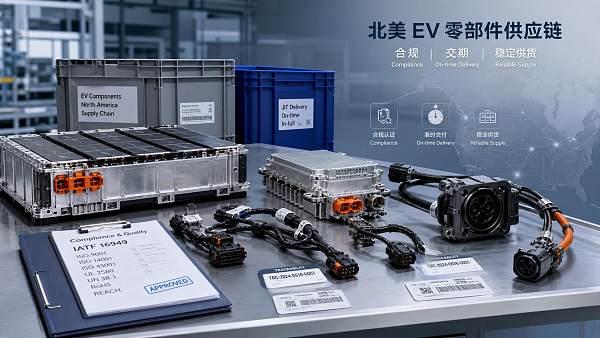
Compliance remains part of the equation. While exact requirements vary by market and vehicle application, buyers should routinely confirm product identification, traceability, electrical safety-related documentation, packing compliance for transport, and any applicable regional import requirements. For some procurement programs, even a 7–10 day documentation delay can be as disruptive as a production delay because it blocks customs clearance or field installation scheduling.
Replacement strategy must also consider alternatives. In certain use cases, a remanufactured motor, subassembly repair, or modular replacement may be commercially viable. In others, only a new fully matched unit makes sense because the downtime risk or warranty complexity is too high. The right answer depends on fleet age, service network capability, and expected residual life of the vehicle platform.
The cost-oriented comparison below helps purchasers and evaluators decide which approach may fit different business situations without relying on simplistic price assumptions.
The key takeaway is that cost should be measured across the service cycle, not just at invoice level. A part that arrives 3 weeks sooner, matches correctly, and reduces rework may deliver better commercial value than a lower-priced alternative with uncertain documentation or inconsistent performance. This is especially relevant for distributors managing customer satisfaction and repeat orders across multiple markets.
Which compliance and documentation points deserve extra attention?
Even in a general market context, several checkpoints are consistently useful. Buyers should ask for product specifications, inspection records, serial or batch traceability, packaging details, and transport documentation relevant to the shipment route. Where regional rules apply, import labeling and customs paperwork should be reviewed before dispatch rather than after arrival.
For channel partners, a simple document control checklist often reduces avoidable delays. In fast-moving programs, a 4-item approval gate covering technical confirmation, commercial terms, logistics readiness, and claim procedure can protect both delivery performance and downstream service quality.
FAQ: what do buyers and distributors ask most about EV motor replacement cycles?
Search intent around EV motor replacement is increasingly practical. People are not only asking about durability in theory; they want to know how to plan stock, compare alternatives, and avoid procurement mistakes. The answers below focus on decisions that matter in B2B purchasing and aftermarket operations.
How should we estimate replacement demand if field data is limited?
Start with usage segmentation instead of fleet-wide averages. Separate vehicles by duty cycle, environment, daily operating hours, and maintenance discipline. Then track parts consumption over rolling 3-month and 6-month periods. Even a basic segmentation model usually performs better than assuming the same EV motor replacement cycle across all vehicles. Combine workshop feedback with claims data and order frequency to refine forecasts each quarter.
What should we prioritize if budget is tight?
If capital is constrained, prioritize high-failure-impact items rather than broad stocking. Keep fast-moving parts or critical fitment variants available, and place slower-moving models on scheduled replenishment. Ask suppliers about sample verification, mixed-model ordering, and staged delivery over 2–3 batches. This approach helps control cash flow without leaving fleets exposed to long downtime.
Are EV motor and EV battery issues often linked in the aftermarket?
They can be linked through thermal stress, control system behavior, or broader drivetrain load conditions, but they should not be assumed to fail together automatically. Buyers should distinguish between direct motor damage, inverter-related issues, battery performance changes, and cooling-system deficiencies. Good diagnosis reduces unnecessary replacement and improves procurement accuracy for associated automotive components.
How long does sourcing usually take?
A practical range is 2–4 weeks for stocked standard items and 6–10 weeks for customized or lower-volume parts, excluding unusual customs or route disruptions. For urgent service programs, buyers should confirm not only production lead time but also packaging readiness, export documentation, and local delivery coordination. The real lead time is the full chain, not just factory completion.
What is the most common misconception in replacement planning?
The most common misconception is that electric drivetrains are so simple that replacement demand will remain low and predictable. In reality, simpler architecture does not remove the effects of load, heat, environment, and supplier variation. The better view is that EV aftermarket demand may be structurally different from internal combustion parts demand, but it still requires disciplined forecasting, technical screening, and supply chain planning.
Why work with GIIH when evaluating EV motor replacement trends and sourcing decisions?
When replacement cycles change faster than expected, the biggest risk is fragmented decision-making. One team sees warranty claims, another sees logistics delays, and another sees rising part inquiries, but no one connects the full pattern. GIIH helps bridge that gap by turning scattered market signals into structured industrial intelligence for manufacturers, traders, procurement teams, and channel partners.
Our strength lies in combining mobility-sector component insight with supply chain visibility and trade-oriented analysis. That means we can support discussions that go beyond a single part number. We help stakeholders compare sourcing pathways, assess service-part readiness, understand regional risk, and identify where technical issues are likely to affect commercial outcomes.
If you are reviewing EV motor replacement cycles, planning aftermarket inventory, or evaluating suppliers for precision automotive components, a focused consultation can save time and reduce uncertainty. Typical discussion points include parameter confirmation, fitment screening, replacement versus repair logic, delivery cycle planning, sample support, documentation needs, and quotation alignment for different market channels.
Contact GIIH to discuss 6 practical areas: EV motor and related component selection, expected lead times, inventory strategy for 3–12 month horizons, custom component feasibility, documentation and compliance checkpoints, and regional aftermarket opportunity assessment. For buyers, distributors, agents, and business evaluators, that turns raw information into decisions that are more accurate, more timely, and easier to execute across global service networks.
Recommended News
 Sep 12, 2026What does UN 38.3 testing cover for EV battery shipments?EV battery UN 38.3 testing covers altitude, thermal, vibration, shock, short-circuit, overcharge, and discharge risks. Learn key compliance steps for safer EV battery shipments.
 Aug 24, 2026How to compare electric drive components for torque and efficiencyElectric drive components comparison starts with real load profiles. Learn how to evaluate torque, efficiency, motor-inverter-gearbox fit, and avoid costly selection mistakes.
 Jul 29, 2026400V EV Battery Components Explained: Key Parts, Functions, and System Design BasicsEV battery components 400V explained clearly: discover key parts, core functions, safety logic, thermal design, and system basics to evaluate EV battery packs with confidence.
 Jul 18, 2026Automotive Component Rating Standards Explained: How to Compare Load, Temperature, and Safety LimitsAutomotive component rating standards explained clearly: learn how to compare load, temperature, and safety limits to reduce sourcing risk, improve compliance, and choose parts with confidence.
 Jul 15, 2026EV Components North America: Sourcing Priorities, Compliance, and Lead Time FactorsEV components North America buyers now face tougher sourcing decisions. Explore compliance risks, lead time pressures, and smarter strategies to reduce disruption and improve EV supply chain performance.
 Jul 13, 2026How to Evaluate a Battery Components Exporter for Quality, Traceability, and Lead TimeBattery components exporter selection goes beyond price. Learn how to assess quality control, traceability, and lead time to reduce supply risk and choose a reliable partner.
 Jul 12, 2026High Voltage EV Batteries vs Standard Packs: Key Design and Safety DifferencesHigh voltage EV batteries vs standard packs: explore the key design, charging, efficiency, and safety differences to choose the right EV battery architecture with confidence.
![]() Jul 07, 2026EV Accessories Buying Guide: Which Add-Ons Matter for Safety, Charging, and Daily Use?EV accessories buying guide: discover which add-ons truly improve charging, safety, and daily convenience, so you can choose smarter, safer gear with confidence.
Jul 07, 2026EV Accessories Buying Guide: Which Add-Ons Matter for Safety, Charging, and Daily Use?EV accessories buying guide: discover which add-ons truly improve charging, safety, and daily convenience, so you can choose smarter, safer gear with confidence. Jun 30, 2026EV Motor Selection Guide: Torque, Efficiency, Cooling, and Cost Trade-OffsEV motor selection guide covering torque, efficiency, cooling, and cost trade-offs. Learn how to choose the right EV motor for better range, reliability, and total value.
 Jun 29, 2026Permanent Magnet EV Motor Selection: Torque, Efficiency, Cooling, and Cost Trade-OffsPermanent magnet EV motor selection explained: compare torque, efficiency, cooling, and total cost trade-offs to choose the right EV drive solution with confidence.
 Jun 27, 2026Sourcing Guide for EV Components: How to Compare Suppliers, Lead Times, and MOQSourcing guide EV components for procurement teams: compare suppliers, lead times, MOQ, quality, and total cost to reduce risk and make smarter EV sourcing decisions.
 Jun 27, 2026Electric Drive Components Price in Europe: What Drives Cost by Motor, Inverter, and VolumeElectric drive components price Europe explained: see how motor design, inverter technology, and order volume shape real costs in Europe, and compare suppliers with greater confidence.
 Jun 25, 2026How Long Life Mobility Components Reduce Maintenance in High-Use EquipmentLong life mobility components cut maintenance by matching real load, floor, and cleaning conditions. See how smarter selection improves uptime, lowers service costs, and extends equipment life.
 Jun 23, 2026Spark Plugs OEM Sourcing Guide: Key Specs, Compatibility Checks, and Supplier RisksSpark plugs OEM sourcing guide covering key specs, compatibility checks, total cost, and supplier risks—learn how to avoid fitment errors, returns, and costly quality issues.
 Jun 13, 2026Vehicle Electronics Selection Guide: Key Standards, Interfaces, and Reliability FactorsVehicle electronics selection starts with standards, interfaces, and reliability. Learn how to compare components, reduce integration risk, and choose smarter for long-term performance.
 Jun 06, 2026What Is a BMS in Battery Systems? Functions, Key Components, and Selection BasicsBMS explained: learn what a Battery Management System does, its key components, and how to choose the right BMS for safer, longer-lasting, better-integrated battery systems.
 Jun 02, 2026Solid-State Battery Breakthroughs: What to Verify Before EV AdoptionSolid-state battery breakthroughs are reshaping EV strategy—learn what to verify in energy density, cycle life, safety, cost, and supplier readiness before adoption.
 May 31, 2026Why is EV battery tech reshaping range expectations?EV battery tech is redefining real-world range through smarter chemistry, thermal control, fast charging, and software—discover what matters beyond mileage.
![]() May 19, 2026Why long-lifespan solid-state batteries matter nowSolid-state battery breakthroughs long lifespan are reshaping EVs, grid storage, and industry. Discover why longer life, safer performance, and lower total cost matter now.
May 19, 2026Why long-lifespan solid-state batteries matter nowSolid-state battery breakthroughs long lifespan are reshaping EVs, grid storage, and industry. Discover why longer life, safer performance, and lower total cost matter now.![]() May 19, 2026Is off-grid lithium storage worth the upfront cost?Lithium battery storage for off-grid applications can justify higher upfront costs through lower maintenance, better efficiency, and stronger long-term ROI. See when it pays off.
May 19, 2026Is off-grid lithium storage worth the upfront cost?Lithium battery storage for off-grid applications can justify higher upfront costs through lower maintenance, better efficiency, and stronger long-term ROI. See when it pays off.![]() May 19, 2026Are solid-state battery breakthroughs finally lifting energy density?Solid-state battery breakthroughs in high energy density are moving beyond hype. Learn what technical evaluators should verify on cycle life, safety, cost, and scalable commercialization.
May 19, 2026Are solid-state battery breakthroughs finally lifting energy density?Solid-state battery breakthroughs in high energy density are moving beyond hype. Learn what technical evaluators should verify on cycle life, safety, cost, and scalable commercialization. May 18, 2026Why portable lithium battery storage needs better designLithium battery storage portable design matters more than ever. Discover how better safety, mobility, and charging design improve backup, travel, and field power performance.
 May 17, 2026What next-gen EV charging must solve beyond faster speedNext-gen wireless charging for electric vehicles must solve efficiency, safety, interoperability, and real-world deployment fit—not just speed. Explore what makes EV charging scalable and investment-ready.
 May 17, 2026How close are solid-state batteries to real EV production?Solid-state battery breakthroughs for electric vehicles are moving beyond the lab. Discover how close they are to real EV production, what still blocks scale-up, and which milestones matter most.