


Search News
Global Industrial Intelligence Hub (GIIH)Industry Portal
Global Industrial Intelligence Hub (GIIH)Status
Standard Access
Upgrade to PremiumNewsRecycling solutions that struggle with inconsistent waste streams
Time
Click Count
As industries push for sustainable waste disposal, many recycling solutions still struggle with inconsistent waste streams, rising contamination, and shifting material values. This challenge is driving demand for environmental innovation, eco-friendly solutions, and sustainable technology that can adapt in real time. For researchers, buyers, and market evaluators, understanding how Eco Tech and green energy integration improve sorting efficiency, recovery rates, and long-term investment value is now essential.
For most buyers and industry evaluators, the key question is not whether recycling matters, but which recycling solutions can still perform when feedstock quality changes every day. The short answer is that traditional fixed-line systems often underperform in variable conditions, while more adaptive solutions—especially those combining sensor-based sorting, modular process design, data monitoring, and energy-efficient operations—tend to deliver stronger recovery rates and lower operational risk. The real decision point is whether a system can handle contamination, fluctuating material mix, and commodity price pressure without destroying margins.
Why inconsistent waste streams are such a serious problem for recycling operations
Inconsistent waste streams are one of the biggest barriers to efficient resource recovery. In practice, this means the composition of incoming waste changes by day, season, supplier, or region. A facility may receive clean industrial plastics one week and mixed packaging waste with food residue, multilayer films, metals, or moisture contamination the next.
This variability creates several operational problems:
- Sorting equipment cannot maintain stable accuracy
- Recovered material quality becomes harder to standardize
- Processing costs rise due to re-sorting, downtime, and disposal of rejects
- Output value becomes more exposed to recycled commodity market swings
- Buyers of recycled feedstock may reject inconsistent bales or flakes
For procurement teams and commercial evaluators, the implication is clear: the weakness of a recycling line is often exposed not under ideal inputs, but under messy real-world conditions. Any serious assessment should focus on performance under variable feedstock, not vendor claims based on controlled test materials.
What decision-makers should evaluate before choosing a recycling solution
If your goal is to identify practical recycling solutions for unstable waste inputs, the most important evaluation criteria are operational adaptability, contamination tolerance, output consistency, and economic resilience.
Key questions include:
- What range of waste compositions can the system process without major line changes?
- How does contamination affect throughput and recovery rates?
- Can the technology detect and separate materials in real time?
- What is the reject rate under mixed or lower-grade waste streams?
- How much labor intervention is needed to maintain sorting quality?
- What are the maintenance costs when handling abrasive, wet, or contaminated waste?
- How sensitive is the business case to changes in recycled material prices?
These points matter because many systems look attractive on paper but become uneconomical when feedstock quality falls. For distributors, agents, and sourcing professionals, this is also important for portfolio selection: technologies that perform only in narrow use cases may be difficult to commercialize across diverse regional markets.
Which recycling technologies cope best with fluctuating material composition
No single technology solves all waste variability, but some approaches are significantly better suited to inconsistent streams than others.
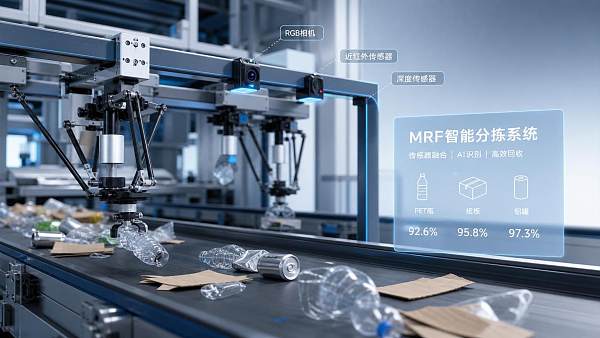
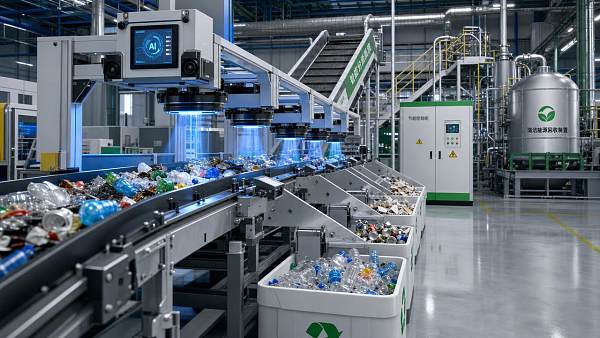
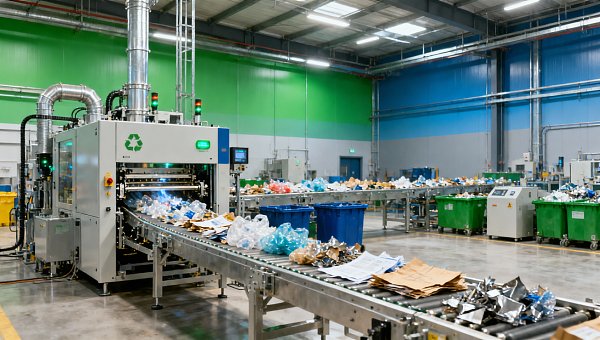
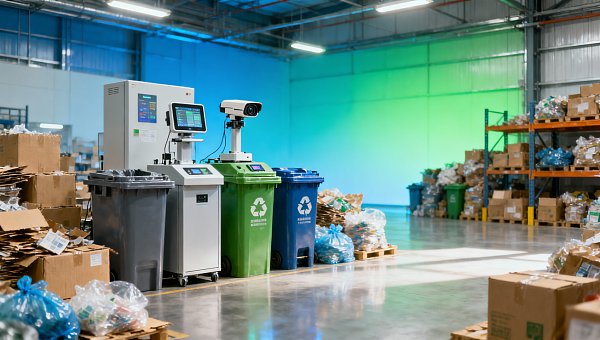
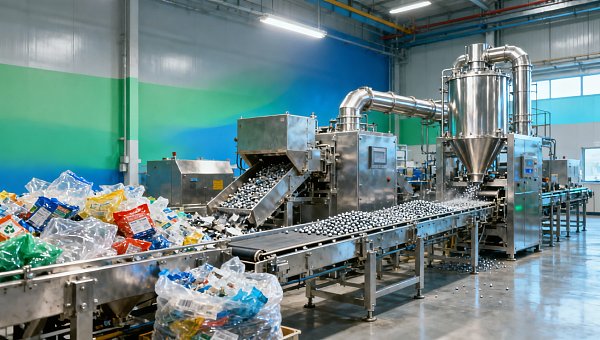
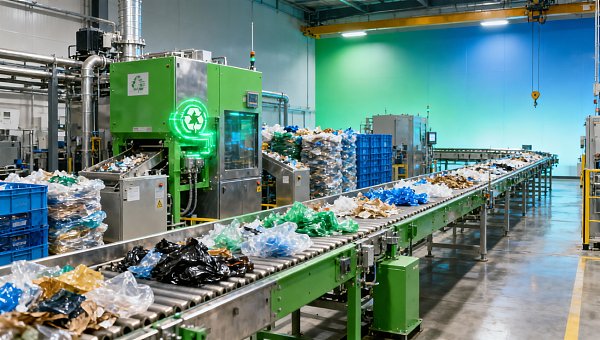
Sensor-based sorting systems are increasingly central to modern environmental technology. Near-infrared, optical, AI-assisted vision, and metal detection systems can improve identification speed and reduce manual sorting dependency. These are particularly valuable when incoming streams contain changing combinations of plastics, paper, metals, and composite materials.
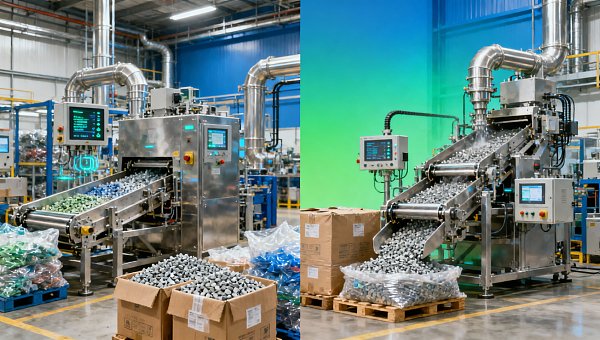
Modular recycling lines are another strong option. Modular systems allow operators to add or bypass shredding, washing, density separation, optical sorting, and refining stages depending on waste characteristics. This flexibility improves long-term asset use and helps reduce the risk of overinvesting in a rigid process design.
Advanced washing and decontamination systems matter when waste streams contain food residue, labels, adhesives, dirt, or oils. In many plastic recycling applications, contamination control is as important as sorting accuracy because downstream pellet quality depends on both.
Data-driven process control is also gaining importance. Sustainable technology that uses live process monitoring can adjust line speed, air flow, sensor thresholds, and sorting parameters in response to changing feedstock. This improves yield stability and reduces manual correction.
Hybrid systems that combine mechanical recycling with selective chemical or thermal recovery pathways can be relevant for difficult fractions, though these solutions require more careful commercial analysis. They may offer value where conventional recycling cannot handle multilayer, degraded, or highly mixed materials, but capital intensity and feedstock economics must be reviewed closely.
Why contamination control is often more important than nameplate capacity
One of the most common mistakes in evaluating recycling infrastructure is overemphasizing throughput and underestimating contamination impact. A system rated for high hourly capacity may still fail commercially if too much contaminated material ends up in the output stream or reject fraction.
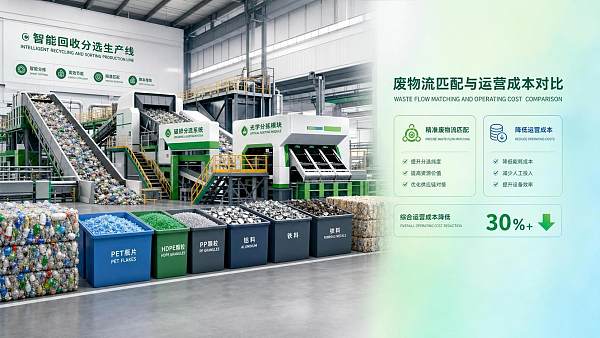
For example, a plastic recovery line with moderate throughput but strong contaminant removal may create higher-value recycled resin than a faster line producing inconsistent output. Similarly, paper or metal recovery systems often lose value when contamination triggers penalties from downstream processors.
Buyers should therefore compare:
- Input contamination thresholds
- Output purity levels
- Recovery yield by material type
- Reject handling cost
- Downtime linked to cleaning and maintenance
In many cases, the best eco-friendly solutions are not the ones that process the most waste, but the ones that protect material value despite unstable inputs.
How green energy and Eco Tech integration can strengthen recycling economics
For many operators, waste variability is only one part of the profitability challenge. Energy costs, carbon targets, and regulatory pressure are increasingly shaping investment decisions. This is where green energy integration and broader Eco Tech design can create a competitive advantage.
Examples include:
- Using solar or on-site renewable energy to offset sorting and washing electricity demand
- Applying smart controls to reduce idle energy consumption during low-quality feedstock periods
- Recovering heat from thermal processes for washing or drying stages
- Using digital monitoring to optimize energy use per ton processed
These measures do not solve inconsistency by themselves, but they improve the operating margin of recycling facilities facing volatile input quality and output pricing. For business evaluation teams, this matters because a technically capable recycling solution may still fail if energy intensity is too high relative to local power prices or carbon compliance costs.
In this context, sustainable technology should be judged not only by recovery capability, but also by its ability to operate efficiently within broader environmental and economic constraints.
What makes a recycling solution commercially viable in real markets
Commercial viability depends on far more than engineering performance. A recycling solution that handles inconsistent waste streams successfully must align with local collection systems, labor availability, environmental rules, end-market demand, and financing conditions.
The strongest business cases typically share several characteristics:
- Reliable access to sufficient waste volumes
- Ability to process a realistic range of feedstock quality
- Stable downstream demand for recovered materials
- Manageable maintenance and operator skill requirements
- Flexibility to adapt as waste composition changes over time
For procurement specialists and market researchers, this means vendor evaluation should include more than equipment specifications. It should also include site conditions, local waste policy, offtake agreements, material pricing assumptions, and expected contamination levels. In cross-border projects, these variables can differ sharply by region.
Practical due diligence checklist for buyers, researchers, and market evaluators
Before selecting or recommending a recycling solution, use a practical assessment framework:
- Feedstock review: What does the real waste stream look like over time, not just in sample batches?
- Tolerance testing: Has the system been validated on contaminated, mixed, or fluctuating materials?
- Output quality: Are purity and consistency high enough for premium downstream buyers?
- Process flexibility: Can the line be reconfigured without major capital upgrades?
- Operating cost profile: How do labor, water, energy, maintenance, and reject disposal costs change under poor input conditions?
- Digital capability: Does the system provide usable data for process control and performance tracking?
- Energy strategy: Can green energy or efficiency improvements strengthen lifecycle economics?
- Vendor support: Is there local service capacity, training support, and spare parts availability?
- Revenue sensitivity: What happens to payback if recovered material prices decline?
This kind of structured review is especially useful for distributors, agents, and commercial partners comparing multiple environmental innovation suppliers across different target markets.
Where the market is heading next
The recycling market is moving toward more intelligent, adaptive, and integrated systems. As waste streams become more complex due to product design changes, e-commerce packaging growth, and evolving consumer disposal behavior, rigid recycling models will face greater pressure.
Future-ready solutions are likely to emphasize:
- AI-assisted sorting and automated quality control
- Modular upgrades instead of full line replacement
- Deeper integration between recycling systems and renewable energy infrastructure
- Better traceability of material quality for downstream buyers
- Stronger alignment between waste processing data and investment decision-making
For industrial intelligence users, this is an important signal: the next wave of competitive advantage will come from systems that can adapt to uncertainty, not just process volume efficiently in stable conditions.
Conclusion: the best recycling solutions are built for variability, not ideal conditions
Recycling solutions that struggle with inconsistent waste streams usually fail for a simple reason: they were designed for controlled inputs, while real waste is unpredictable. For researchers, procurement teams, and business evaluators, the most valuable solutions are those that maintain sorting performance, output quality, and economic logic even when contamination rises and material composition shifts.
That is why the strongest investments today are often found in adaptive environmental technology, modular processing design, contamination control, digital optimization, and eco-friendly solutions supported by energy efficiency or green energy integration. In practical terms, the right question is no longer “Can this system recycle?” but “Can it recycle profitably and reliably under real-world variability?”
Answering that question carefully is what separates promising sustainable technology from expensive underperformance.
Recommended News
 Sep 08, 2026When do recycling solutions reduce waste disposal costs for businesses?Recycling solutions can lower business waste costs when diversion, efficient collections, and compliance savings exceed implementation expenses. Discover how to build a stronger ROI case.
 Jul 13, 2026How to Compare a Recycling Solutions Manufacturer for Waste Stream Fit and Operating CostRecycling solutions manufacturer comparison starts with waste stream fit and operating cost. Learn how to evaluate energy, maintenance, uptime, and service for smarter recycling investments.
 Jul 12, 2026What Are Garbagesortingplants Used for in Modern Waste Management Systems?garbagesortingplants help recover valuable materials, cut landfill use, and improve recycling efficiency. Discover how they support smarter, cleaner modern waste management.
 Jul 05, 2026How AI Waste Recycling Systems Work in MRFs: Sorting Accuracy, Sensors, and ROIAI waste recycling systems in MRFs use sensors, machine vision, and automation to boost sorting accuracy, cut contamination, and improve ROI. See how they work.
 Jul 03, 2026Waste Management Systems in Southeast Asia: Key Market Drivers and Buyer PrioritiesWaste management systems Southeast Asia are being reshaped by regulation, ESG pressure, and resource recovery demand. Explore key market drivers and buyer priorities to identify smarter, scalable opportunities.
 Jul 01, 2026How to Evaluate Waste Recycling Systems in North America for Multi-Site OperationsWaste recycling systems North America for multi-site operations: learn how to compare vendors, control lifecycle costs, strengthen compliance, and scale smarter recycling decisions.
 Jun 28, 2026Outdoor Garden Supplies for Commercial Landscaping: What to Buy for Durability and Low UpkeepOutdoor garden supplies for commercial landscaping: discover what to buy for durability, low upkeep, smarter sourcing, and long-term value across demanding commercial sites.
 Jun 27, 2026What Does a Waste Treatment Plant Do? Key Processes, Equipment, and Output StandardsWaste treatment plant guide: learn key processes, core equipment, output standards, and how modern facilities recover value, reduce risk, and meet strict compliance requirements.
 Jun 24, 2026Biomass Energy Project Evaluation: Feedstock Costs, ROI, and Operational Risks ExplainedBiomass energy project evaluation starts with feedstock costs, ROI sensitivity, and operational risk. Learn how to spot weak assumptions, compare options, and make smarter investment decisions.
 Jun 20, 2026Eco-Friendly Innovations in Manufacturing: Which Solutions Are Practical to Adopt First?Eco-friendly innovations in manufacturing: discover the most practical solutions to cut waste, lower energy costs, strengthen compliance, and improve resilience without disrupting production.
 Jun 17, 2026Waste Management Compliance: Key Standards, Tracking Methods, and Audit RisksWaste management compliance explained: learn key standards, tracking methods, and top audit risks to strengthen control, avoid costly gaps, and improve operational resilience.
 Jun 12, 2026Eco Tech in Waste Management: Which Solutions Improve Sorting and Energy Efficiency?Eco Tech in waste management: discover which solutions improve sorting accuracy and energy efficiency across mixed, organic, and industrial waste streams for smarter, higher-value recovery.
 Jun 07, 2026Sustainable Waste Disposal Methods: How to Choose the Right Option for Business OperationsSustainable waste disposal starts with the right fit. Learn how businesses can compare methods, cut risk, stay compliant, and choose cost-effective options that support ESG goals.
 May 31, 2026Is Sustainable Board ready for high-volume packaging?Sustainable Board can scale high-volume packaging when performance, compliance, supply, and recovery are validated by real scenarios. Learn how to reduce risk and improve ROI.
 May 30, 2026Can recycled materials meet strict quality standards?Recycled materials can meet strict quality standards with traceability, testing, and supplier control. Learn how to reduce risk, prove compliance, and build sustainable value.
![]() May 23, 2026How to choose garden supplies for commercial landscapingOutdoor garden supplies for commercial landscaping: learn how to compare durability, supplier reliability, lifecycle cost, and compliance to make smarter, lower-risk purchasing decisions.
May 23, 2026How to choose garden supplies for commercial landscapingOutdoor garden supplies for commercial landscaping: learn how to compare durability, supplier reliability, lifecycle cost, and compliance to make smarter, lower-risk purchasing decisions. Apr 30, 2026Recycling solutions that struggle with inconsistent waste streamsDiscover recycling solutions for inconsistent waste streams with sustainable waste disposal, environmental innovation, Eco Tech, and green energy strategies that improve recovery and ROI.
 Apr 29, 2026Eco Tech monitoring tools that catch waste leaks earlierEco Tech monitoring tools detect waste leaks earlier, improving sustainable waste disposal, recycling solutions, and environmental innovation with eco-friendly solutions that cut risk and cost.
 Apr 25, 2026Eco Tech tools helping waste audits become more accurateEco Tech improves sustainable waste disposal and recycling solutions with environmental innovation and sustainable technology, helping businesses cut costs, boost compliance, and scale eco-friendly solutions.
 Apr 22, 2026Recycling solutions facing stricter material traceability rulesRecycling solutions for stricter traceability: discover sustainable waste disposal, Eco Tech, and sustainable technology that reduce compliance risk and unlock greener growth.
 Apr 22, 2026Are closed-loop recycling solutions worth the extra setup?Sustainable waste disposal and recycling solutions: find out when closed-loop systems pay off through environmental innovation, eco-friendly solutions, and stronger supply value.
 Apr 22, 2026What makes recycling solutions scalable across multiple sitesDiscover how recycling solutions scale across multiple sites through sustainable waste disposal, environmental innovation, Eco Tech data visibility, and eco-friendly solutions that also support replacement parts and vehicle upgrades.
 Apr 22, 2026Recycling solutions for materials that are hard to sortExplore recycling solutions for hard-to-sort materials, from sustainable waste disposal and environmental innovation to eco-friendly solutions, green energy, and sustainable technology trends.
 Apr 22, 2026How to compare recycling solutions beyond recovery ratesCompare recycling solutions beyond recovery rates with a practical guide to sustainable waste disposal, environmental innovation, eco-friendly solutions, and sustainable technology for smarter, lower-risk decisions.