


Search News
Global Industrial Intelligence Hub (GIIH)Industry Portal
Global Industrial Intelligence Hub (GIIH)Status
Standard Access
Upgrade to PremiumNewsEU Requires CRA Certification for IoT Home Devices
Time
Click Count
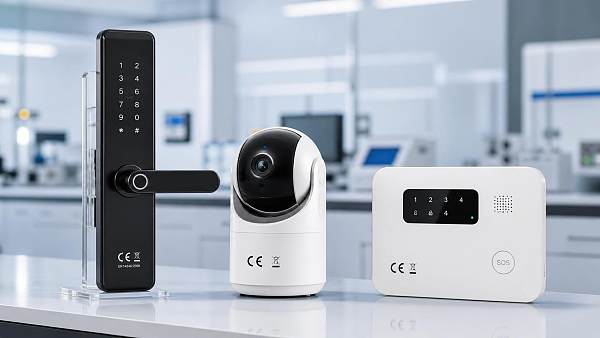
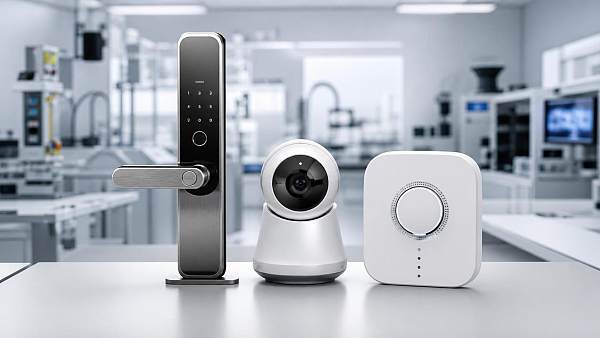
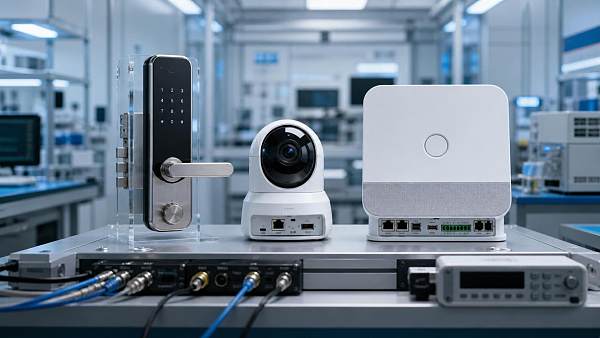
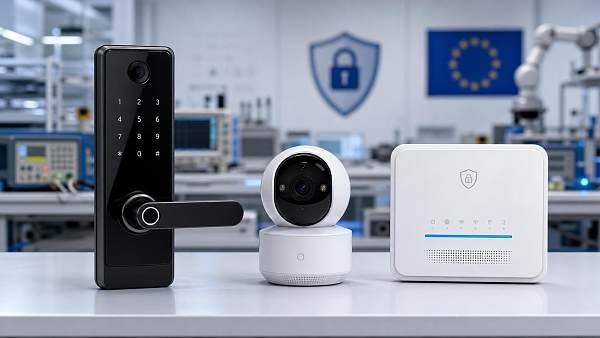
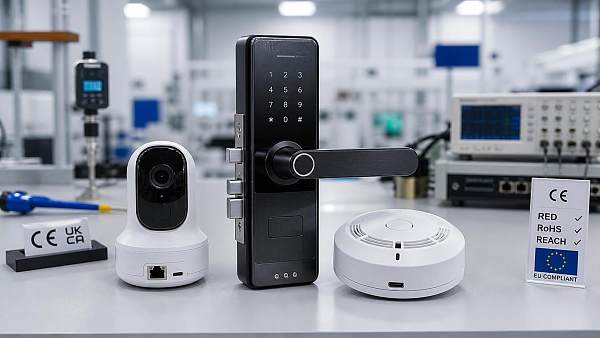
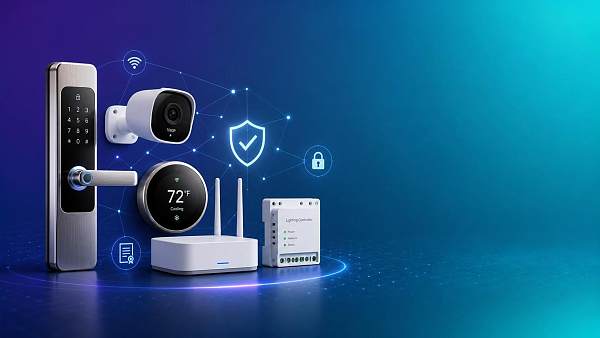
On August 1, 2026, the European Union’s Cyber Resilience Act (CRA) formally took effect for IoT home security devices sold in the EU market, including smart locks, cameras, and alarm systems. Products in scope are required to complete CRA compliance assessment and carry the CE+CRA marking. This development deserves close attention from exporters, OEM and ODM manufacturers, distributors, channel partners, and procurement teams because it directly affects market access, customs clearance, inventory decisions, and the allocation of compliance responsibility in commercial contracts.

What Has Now Become Mandatory in the EU Market
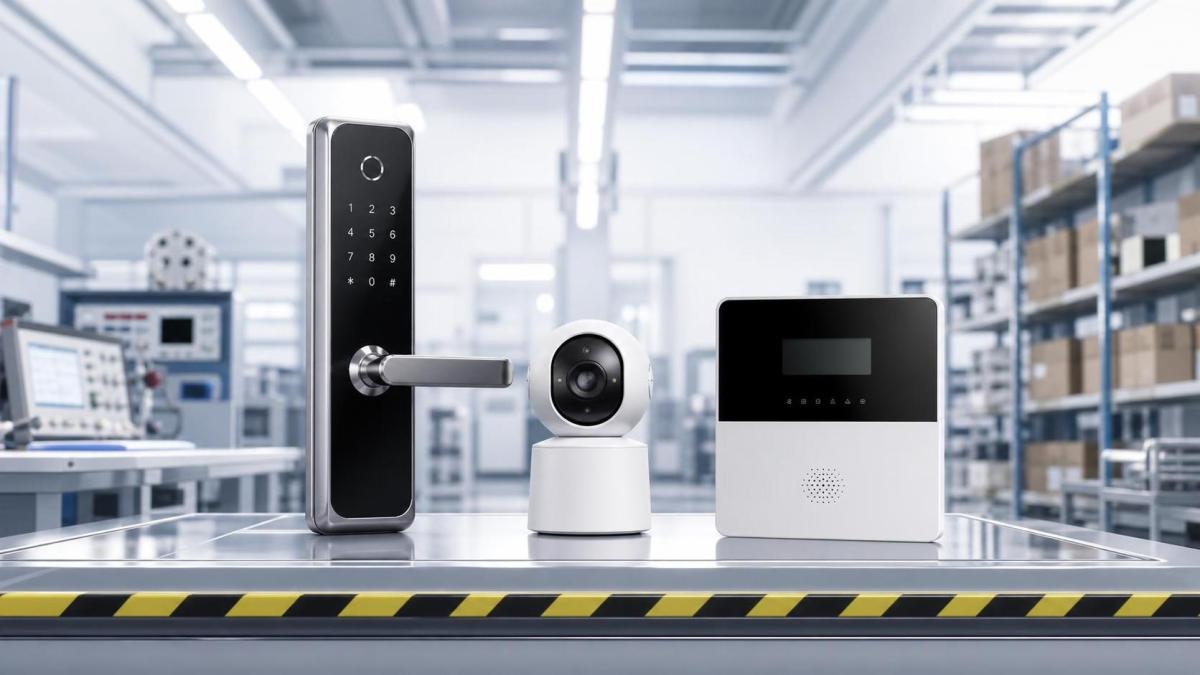
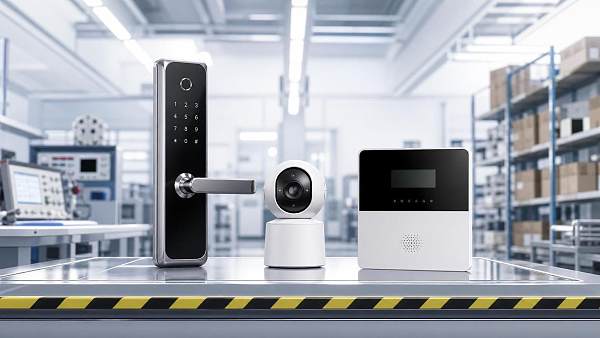
According to the information provided, from August 1, 2026, IoT home security devices sold in the EU must complete CRA compliance assessment and bear the CE+CRA marking. The products specifically referenced include smart door locks, cameras, and alarm systems.
The same information states that the rule covers mainstream OEM and ODM manufacturers in China, which account for more than 65% of exports in this segment. It also states that products without certification may be stopped at customs or removed from sale.
The confirmed business areas directly affected include customs access for global distributors, inventory strategy for channel companies, and compliance responsibility clauses in procurement and supply contracts.
Where the Immediate Pressure Appears Across the Supply Chain
Export-oriented manufacturing faces an access threshold
For OEM and ODM manufacturers supplying the EU market, the main impact is straightforward: the ability to ship and sell covered devices now depends on whether CRA compliance assessment has been completed and whether the required marking is in place. From an industry perspective, this shifts compliance from a background documentation issue to a direct condition of market entry.
Distributors and import channels must reassess shipment readiness
Global distributors and channel operators may be affected because customs clearance and sell-through are tied to certification status. The practical risk is not limited to new purchase orders; it also extends to whether goods entering the EU can move smoothly through import procedures and remain available for sale.
Inventory planning becomes a more sensitive operational issue
For channel businesses, the rule has implications for inventory strategy. Observably, any stock that does not align with the new compliance requirement may face commercial restrictions if it cannot enter the market or remain listed. That makes stock timing, product selection, and document matching more important in day-to-day operations.
Buyers and contract owners need clearer allocation of responsibility
Procurement teams and commercial managers may also be affected because the information provided specifically points to compliance responsibility clauses in purchasing contracts. What deserves closer attention is how certification obligations, document readiness, and delivery responsibility are assigned between brand owners, manufacturers, distributors, and other trading parties.
What Companies Should Be Checking Now
Whether covered product lines are clearly identified
Companies selling into the EU should focus first on whether their IoT home security product categories fall within the scope described here, especially smart locks, cameras, and alarm systems. The immediate issue is not broad policy interpretation, but whether the specific products being shipped or purchased are attached to a compliance requirement that now affects market entry.
Whether shipment documents and product markings are aligned
Because the provided information links non-certified products to customs interception or delisting, businesses should pay attention to the consistency between compliance assessment status, product labeling, and trade documentation. In practical terms, document gaps may now have direct commercial consequences.
Whether existing inventory and procurement plans still fit the rule
For distributors and channel partners, a key operational question is whether current inventory plans and incoming orders remain suitable under the new requirement. Analysis shows that this is less about abstract regulation and more about stock exposure, order timing, and whether procurement decisions are still aligned with sellable goods in the EU market.
Whether contracts define compliance duties with enough precision
For procurement and legal teams, the rule highlights the need to review how compliance responsibility is assigned in supply agreements. What deserves closer attention is the difference between a general promise of conformity and a clearly documented obligation tied to CRA assessment, marking, shipment readiness, and liability if goods cannot clear customs or stay on the market.
Why This Reads as More Than a Routine Compliance Update
Analysis shows that this development is not just a formal policy milestone. It marks a point where cybersecurity-related compliance for IoT home security devices becomes operationally linked to EU market access. That matters because the consequence described in the provided information is concrete: products that do not meet the requirement may be blocked at customs or removed from sale.
It is more appropriate to understand this as an active regulatory threshold rather than a distant signal. At the same time, it should also be treated as a continuing area for observation, especially in how companies apply the rule in documentation, inventory handling, and contract execution across cross-border supply relationships.
How the Industry Should Frame This Moment
The immediate significance of this update lies in execution. The CRA requirement, as described in the provided information, now affects whether covered IoT home security devices can move into and remain in the EU market. For manufacturers, distributors, buyers, and channel operators, the central issue is no longer awareness alone, but whether compliance status, shipment preparation, and contractual responsibility are aligned in practice.
From an industry perspective, this is best understood as a current market-access rule with broader long-term implications for supply chain discipline. It does not by itself determine every future commercial outcome, but it does create a clear operating condition that affected businesses cannot treat as optional.
Basis of This Article and What Still Needs Verification
This article is based on the user-provided news title, event date, and event summary. The content has been written from that input only and does not introduce unverified external facts.
For developments of this kind, source types typically relevant to further verification include official regulatory notices, company disclosures, industry association updates, authoritative media coverage, and standards-related documents. No specific official source link was provided in the input, so the exact official reference still needs ongoing verification.
Further follow-up should focus on any subsequent official wording, implementation details affecting in-scope product categories, and how compliance responsibility is reflected in trade documentation, channel operations, and procurement contracts.
Recommended News
 Sep 05, 2026Which Smart Living Device Categories Are Growing Fastest in 2026?What Smart Living device categories are growing fastest in 2026? Explore high-demand opportunities in security, energy management, automation, care monitoring, and smart appliances.
 Aug 24, 2026US Imposes 100% Additional Tariff on Certain Drones Effective August 13US imposes 100% additional tariff on certain drones effective August 13. Learn which drone products are covered, the compliance risks, and how importers and exporters should respond now.
 Aug 23, 2026When does facial recognition access make sense for home entry security?Facialrecognitionaccess makes sense when your home needs fast, hands-free entry for multiple residents. Discover when it improves convenience, privacy, and daily security.
 Aug 20, 2026What drives IoT home security price from basic setups to smart systemsIoT home security price depends on hardware, connectivity, AI features, installation, and subscriptions. Learn what raises costs and how to choose smarter value.
 Aug 10, 2026What Range and Signal Factors Matter Most in Long Range Home Systems?Long range home systems perform best when range, frequency, interference, wall materials, and placement work together. Learn what really affects reliable coverage before you buy.
 Aug 09, 2026EU CE Rule Takes Effect for IoT Home Security DevicesEU CE Rule for IoT Home Security Devices takes effect: learn how EN 303 645:2026 impacts CE marking, compliance, cybersecurity, suppliers, and EU market access.
 Aug 08, 2026EU Enforces EN 303 645:2026 v2.1 for IoT Security DevicesEN 303 645:2026 v2.1 now shapes EU access for IoT security devices. Learn how the new certification rules affect customs clearance, firmware checks, and shipment timelines.
 Aug 07, 2026EU CE Rule Takes Effect for IoT Home Security DevicesEU CE Rule takes effect for IoT home security devices in 2026. Learn how EN 303645-2, ETSI TS 103 645, and Notified Body certification will impact EU market access.
 Aug 06, 2026EU EN 303645-2:2026 Takes Effect for Home IoT SecurityEU EN 303645-2:2026 takes effect for home IoT security on Nov 1, 2026. Learn how CE-RED+Cybersecurity Module and remote diagnostic interface rules impact EU market access.
 Aug 05, 2026EU WEEE Rules Add Remote Diagnostics for IoT Home DevicesEU WEEE rules now require remote diagnostics and firmware upgrade interfaces for IoT home devices. Learn the compliance risks, CE impact, and how exporters can avoid EU customs rejection.
 Aug 04, 2026EU Tightens RoHS Lead Limits for IoT Home DevicesEU Tightens RoHS Lead Limits for IoT Home Devices: learn how the new EU RoHS amendment impacts smart lighting, home security, testing, sourcing, and compliance timelines.
 Aug 03, 2026EU Extends WEEE Duties to IoT Home ExportersEU Extends WEEE Duties to IoT Home Exporters: learn how the 2027 EU WEEE revision impacts smart home compliance, authorized representatives, costs, and market access.
 Aug 02, 2026EU Tightens Cybersecurity Certification for IoT Home DevicesEU Tightens Cybersecurity Certification for IoT Home Devices: learn how CRA and CRPA rules affect CE+CR marking, customs clearance, and EU market access before 2026.
 Aug 01, 2026EU Requires CRA Certification for IoT Home DevicesEU CRA certification for IoT home devices is now critical for smart locks, cameras, and alarms entering the EU. Learn the compliance risks, CE+CRA marking needs, and supply chain actions to protect market access.
 Jul 22, 2026How to Choose a Smart Access Control Terminal for Offices, Factories, and WarehousesSmart access control terminal buying guide for offices, factories, and warehouses. Learn how to compare security, integration, resilience, and scalability for smarter site decisions.
 Jul 15, 2026Commercial Office Home Control Systems: What Features Matter Most in Daily UseCommercial office home control systems work best when daily use stays simple. Learn which features improve efficiency, reduce errors, and support smarter office operations.
 Jul 14, 2026Smart Home Protection App Control: Key Functions, Setup Steps, and Common IssuesSmart home protection app control made simple: explore key functions, setup steps, common issues, and practical fixes to improve security, reliability, and peace of mind.
![]() Jul 07, 2026Smart Access Control Price Guide: What Affects System Cost for Homes, Offices, and Sites?Smart access control price guide for homes, offices, and multi-site projects. Learn what drives system cost, from hardware and installation to software, integration, and long-term value.
Jul 07, 2026Smart Access Control Price Guide: What Affects System Cost for Homes, Offices, and Sites?Smart access control price guide for homes, offices, and multi-site projects. Learn what drives system cost, from hardware and installation to software, integration, and long-term value. Jul 04, 2026Flame Retardant Home Systems: Key Ratings, Materials, and Installation MistakesFlame retardant home systems explained: compare key fire ratings, common materials, and costly installation mistakes to choose safer, compliant solutions.
 Jul 03, 2026Smart Technology Access Control: Which System Fits Multi-Entrance Buildings Best?Smart technology access control for multi-entrance buildings: compare cloud, mobile, biometric, and hybrid systems to find the best fit for security, flow, scalability, and cost.
 Jul 02, 2026Metal Housing Smart Access Control: What to Check for Outdoor and High-Traffic SitesMetal housing smart access control: learn what to check for outdoor and high-traffic sites, from weather resistance to integration and lifecycle cost, before you choose.
 Jun 29, 2026Global Connected Home Technology Standards: Interoperability, Security, and Certification BasicsGlobal connected home technology standards shape interoperability, security, and certification success. Learn the basics to reduce launch risk, speed approvals, and improve cross-market product reliability.
 Jun 25, 2026Flame Retardant Connected Home Technology: Which Standards and Materials MatterFlame retardant connected home technology explained: compare key standards, materials, and compliance risks to build safer smart devices and speed market access.
 Jun 08, 2026How to Choose Wireless Security Systems for Homes: Cameras, Sensors, and CoverageWireless security systems for homes made simple: learn how to choose cameras, sensors, and coverage that fit your layout, budget, and daily routine for smarter protection.