


Search News
Global Industrial Intelligence Hub (GIIH)Industry Portal
Global Industrial Intelligence Hub (GIIH)Status
Standard Access
Upgrade to PremiumNewsFlame Retardant Connected Home Technology: Which Standards and Materials Matter
Time
Click Count
Flame retardant connected home technology now sits at the intersection of product safety, smart living, and market access. As sensors, hubs, switches, chargers, and control panels spread across homes, fire performance is no longer a narrow material issue. It affects certification timelines, recall exposure, installation risk, and long-term brand confidence across global supply chains.
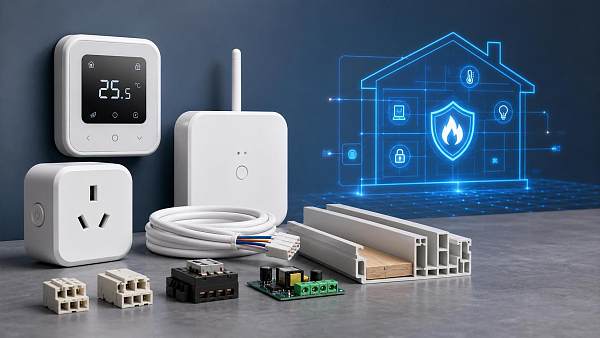
In practical terms, the topic covers the fire behavior of enclosures, cable jackets, connectors, printed circuit assemblies, power modules, and nearby mounting parts. For connected products, a weak material decision can undermine an otherwise advanced design. That is why flame retardant connected home technology has become a frequent checkpoint in industrial intelligence tracking, especially within smart living systems.
Why this issue has moved higher on the agenda
The connected home has changed the fire-risk map inside residential spaces. Devices stay energized for longer periods, compact electronics run warmer, and multiple products are often clustered in cabinets, ceilings, or utility rooms.
At the same time, market expectations have shifted. A smart device is no longer judged only by connectivity or interface quality. Buyers, regulators, insurers, and channel partners increasingly expect safer materials and clearer evidence of compliance.
This is also a supply chain issue. GIIH’s cross-sector view shows that material changes, resin shortages, regional compliance updates, and sustainability pressures now influence design decisions much earlier than before.
What flame retardant connected home technology really includes
The term does not refer to a single material or a single certification mark. It describes a design and material strategy that helps connected home devices resist ignition, slow flame spread, reduce heat release, and maintain electrical safety during abnormal events.
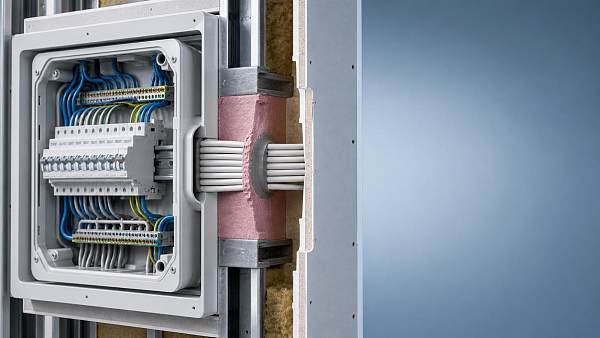
Usually, that strategy spans several layers. The outer housing matters, but so do internal barriers, wire insulation, terminal blocks, potting compounds, thermal interface materials, and the spacing between heat-generating parts.
A connected thermostat, smart plug, gateway, or security panel may all need different fire-performance balances. Some face wall-mount heat buildup. Others face transient current spikes, battery charging stress, or confined installation conditions.
Standards that shape real-world decisions
No single standard covers every risk. The most useful approach is to map product function, installation environment, and target market against the relevant fire and electrical requirements.
Common reference points
UL 94 remains a familiar starting point, but it should not be treated as the whole answer. A V-0 rating may help, yet actual product safety depends on wall thickness, part geometry, heat sources, airflow, and assembly quality.
Glow-wire testing under IEC frameworks becomes especially relevant when a product operates unattended. It provides a better view of how materials behave near overheated electrical parts, which is common in compact connected home devices.
Materials that deserve closer evaluation
In flame retardant connected home technology, material selection is rarely about choosing the most fire-resistant option in isolation. It is about balancing flame performance, mechanical durability, electrical insulation, appearance, processing stability, and regulatory acceptability.
Frequent material families
- Polycarbonate blends, often used for housings that need impact strength and stable molding quality.
- Flame-retardant ABS or PC/ABS, common in visible consumer-facing parts.
- PA and PBT compounds, often selected for connectors, terminal blocks, and structural internal parts.
- Silicone or specialized potting materials, useful where thermal cycling and insulation matter.
- Low-smoke, halogen-free cable compounds, increasingly considered for indoor wiring and sustainability expectations.
Halogenated and halogen-free systems each come with trade-offs. Halogen-free formulations may support environmental targets and smoke concerns, yet they can introduce processing or mechanical challenges. The right choice depends on product architecture, target market, and test pathway.
Material data sheets are useful, but they are not enough. Performance can shift when pigments, regrind content, wall thickness, or supplier substitutions change. That is where disciplined incoming control becomes essential.
Where failures usually begin
Many safety issues do not start with a dramatic ignition event. They begin with smaller deviations that escape early review. A housing resin may be certified, while the actual molded part is thinner than the tested condition. A cable may meet one regional requirement but not another.
Another common problem is fragmented ownership. Electrical design, mechanical design, sourcing, and compliance teams may evaluate the same product through different lenses. Fire performance then becomes a late-stage correction instead of a design input.
In connected products, firmware-driven power behavior also matters. Continuous charging, always-on communication, and thermal events from abnormal loads can expose weaknesses in materials that looked acceptable during basic bench testing.
A practical review framework for smarter decisions
A useful review process for flame retardant connected home technology should connect compliance, design intent, and supply stability. It works best when checkpoints are defined before tooling and before volume sourcing begins.
- Confirm the end-use category, including wall-mount, portable, concealed, or appliance-adjacent installation.
- Match target markets with applicable IEC, UL, and regional fire requirements early.
- Review material ratings alongside actual part thickness, heat sources, and ventilation conditions.
- Check connector, cable, and power-supply components as a system, not as isolated approvals.
- Control supplier changes with traceable material declarations and requalification triggers.
- Use abnormal operation and thermal aging data to challenge optimistic assumptions.
This system view is increasingly important in global trade. GIIH’s industrial intelligence perspective highlights how certification delays often stem from interface gaps between materials, components, and market-specific rules rather than from one obvious defect.
Business value beyond basic compliance
Well-executed flame retardant connected home technology supports more than regulatory approval. It can reduce redesign loops, improve insurer confidence, simplify retailer onboarding, and strengthen resilience during supplier transitions.
There is also a trust dimension. In smart living systems, devices are often installed in bedrooms, kitchens, entryways, and utility spaces. Safety performance therefore shapes user acceptance in a direct and lasting way.
For companies navigating multiple markets, structured intelligence adds another layer of value. Knowing where fire standards are tightening, where halogen-free demand is accelerating, or where installation codes differ can prevent costly late-stage adjustments.
What to examine next
The next step is not simply to ask for a higher flammability rating. A stronger approach is to review each connected product against its thermal profile, installation reality, bill of materials, and target-country compliance route.
It helps to build a comparison sheet covering enclosure resin, cable type, connector grade, glow-wire relevance, thickness assumptions, and change-control rules. That kind of structured review turns flame retardant connected home technology from a late compliance task into a design discipline.
As smart living systems continue to expand, the safest decisions will come from linking standards knowledge, material science, and supply chain visibility. That is where better judgment starts, and where stronger connected home products usually follow.
Recommended News
 Sep 05, 2026Which Smart Living Device Categories Are Growing Fastest in 2026?What Smart Living device categories are growing fastest in 2026? Explore high-demand opportunities in security, energy management, automation, care monitoring, and smart appliances.
 Aug 24, 2026US Imposes 100% Additional Tariff on Certain Drones Effective August 13US imposes 100% additional tariff on certain drones effective August 13. Learn which drone products are covered, the compliance risks, and how importers and exporters should respond now.
 Aug 23, 2026When does facial recognition access make sense for home entry security?Facialrecognitionaccess makes sense when your home needs fast, hands-free entry for multiple residents. Discover when it improves convenience, privacy, and daily security.
 Aug 20, 2026What drives IoT home security price from basic setups to smart systemsIoT home security price depends on hardware, connectivity, AI features, installation, and subscriptions. Learn what raises costs and how to choose smarter value.
 Aug 10, 2026What Range and Signal Factors Matter Most in Long Range Home Systems?Long range home systems perform best when range, frequency, interference, wall materials, and placement work together. Learn what really affects reliable coverage before you buy.
 Aug 09, 2026EU CE Rule Takes Effect for IoT Home Security DevicesEU CE Rule for IoT Home Security Devices takes effect: learn how EN 303 645:2026 impacts CE marking, compliance, cybersecurity, suppliers, and EU market access.
 Aug 08, 2026EU Enforces EN 303 645:2026 v2.1 for IoT Security DevicesEN 303 645:2026 v2.1 now shapes EU access for IoT security devices. Learn how the new certification rules affect customs clearance, firmware checks, and shipment timelines.
 Aug 07, 2026EU CE Rule Takes Effect for IoT Home Security DevicesEU CE Rule takes effect for IoT home security devices in 2026. Learn how EN 303645-2, ETSI TS 103 645, and Notified Body certification will impact EU market access.
 Aug 06, 2026EU EN 303645-2:2026 Takes Effect for Home IoT SecurityEU EN 303645-2:2026 takes effect for home IoT security on Nov 1, 2026. Learn how CE-RED+Cybersecurity Module and remote diagnostic interface rules impact EU market access.
 Aug 05, 2026EU WEEE Rules Add Remote Diagnostics for IoT Home DevicesEU WEEE rules now require remote diagnostics and firmware upgrade interfaces for IoT home devices. Learn the compliance risks, CE impact, and how exporters can avoid EU customs rejection.
 Aug 04, 2026EU Tightens RoHS Lead Limits for IoT Home DevicesEU Tightens RoHS Lead Limits for IoT Home Devices: learn how the new EU RoHS amendment impacts smart lighting, home security, testing, sourcing, and compliance timelines.
 Aug 03, 2026EU Extends WEEE Duties to IoT Home ExportersEU Extends WEEE Duties to IoT Home Exporters: learn how the 2027 EU WEEE revision impacts smart home compliance, authorized representatives, costs, and market access.
 Aug 02, 2026EU Tightens Cybersecurity Certification for IoT Home DevicesEU Tightens Cybersecurity Certification for IoT Home Devices: learn how CRA and CRPA rules affect CE+CR marking, customs clearance, and EU market access before 2026.
 Aug 01, 2026EU Requires CRA Certification for IoT Home DevicesEU CRA certification for IoT home devices is now critical for smart locks, cameras, and alarms entering the EU. Learn the compliance risks, CE+CRA marking needs, and supply chain actions to protect market access.
 Jul 22, 2026How to Choose a Smart Access Control Terminal for Offices, Factories, and WarehousesSmart access control terminal buying guide for offices, factories, and warehouses. Learn how to compare security, integration, resilience, and scalability for smarter site decisions.
 Jul 15, 2026Commercial Office Home Control Systems: What Features Matter Most in Daily UseCommercial office home control systems work best when daily use stays simple. Learn which features improve efficiency, reduce errors, and support smarter office operations.
 Jul 14, 2026Smart Home Protection App Control: Key Functions, Setup Steps, and Common IssuesSmart home protection app control made simple: explore key functions, setup steps, common issues, and practical fixes to improve security, reliability, and peace of mind.
![]() Jul 07, 2026Smart Access Control Price Guide: What Affects System Cost for Homes, Offices, and Sites?Smart access control price guide for homes, offices, and multi-site projects. Learn what drives system cost, from hardware and installation to software, integration, and long-term value.
Jul 07, 2026Smart Access Control Price Guide: What Affects System Cost for Homes, Offices, and Sites?Smart access control price guide for homes, offices, and multi-site projects. Learn what drives system cost, from hardware and installation to software, integration, and long-term value. Jul 04, 2026Flame Retardant Home Systems: Key Ratings, Materials, and Installation MistakesFlame retardant home systems explained: compare key fire ratings, common materials, and costly installation mistakes to choose safer, compliant solutions.
 Jul 03, 2026Smart Technology Access Control: Which System Fits Multi-Entrance Buildings Best?Smart technology access control for multi-entrance buildings: compare cloud, mobile, biometric, and hybrid systems to find the best fit for security, flow, scalability, and cost.
 Jul 02, 2026Metal Housing Smart Access Control: What to Check for Outdoor and High-Traffic SitesMetal housing smart access control: learn what to check for outdoor and high-traffic sites, from weather resistance to integration and lifecycle cost, before you choose.
 Jun 29, 2026Global Connected Home Technology Standards: Interoperability, Security, and Certification BasicsGlobal connected home technology standards shape interoperability, security, and certification success. Learn the basics to reduce launch risk, speed approvals, and improve cross-market product reliability.
 Jun 25, 2026Flame Retardant Connected Home Technology: Which Standards and Materials MatterFlame retardant connected home technology explained: compare key standards, materials, and compliance risks to build safer smart devices and speed market access.
 Jun 08, 2026How to Choose Wireless Security Systems for Homes: Cameras, Sensors, and CoverageWireless security systems for homes made simple: learn how to choose cameras, sensors, and coverage that fit your layout, budget, and daily routine for smarter protection.