


Search News
Global Industrial Intelligence Hub (GIIH)Industry Portal
Global Industrial Intelligence Hub (GIIH)Status
Standard Access
Upgrade to PremiumNewsGlobal Connected Home Technology Standards: Interoperability, Security, and Certification Basics
Time
Click Count
Why is global connected home technology now a standards issue, not just a product feature?
Global connected home technology has moved beyond convenience. It now sits at the intersection of product quality, cybersecurity, radio compliance, and market access.
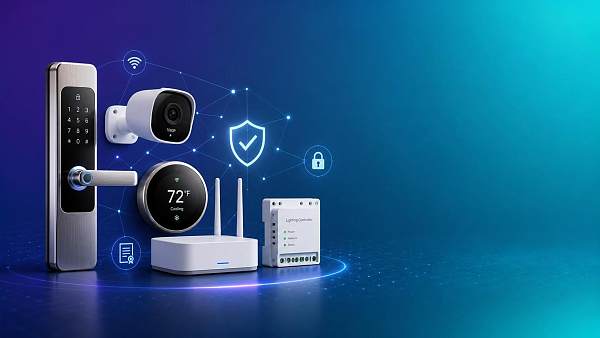
A smart lock, gateway, camera, thermostat, or lighting controller may work well alone. Trouble starts when devices must communicate across brands, platforms, and regions.
That is why interoperability standards matter. They reduce integration failures, support stable user experiences, and limit costly redesigns after lab testing or field deployment.
Security standards matter for the same reason. A connected device with weak authentication or poor update control can fail audits even if hardware quality looks solid.
In practical terms, global connected home technology must satisfy three questions at once: can it connect, can it stay secure, and can it be certified where it will be sold?
This is also why industrial intelligence platforms such as GIIH track smart living systems closely. Standards are no longer isolated technical documents. They shape sourcing, testing, logistics, and launch timing.
When people say interoperability, what should you actually check?
Interoperability is often reduced to “works with other devices.” That description is too loose for real evaluation.
A more useful view is to check compatibility at four layers: radio, protocol, application behavior, and ecosystem certification.
- Radio layer: Wi-Fi, Bluetooth LE, Zigbee, Thread, Z-Wave, cellular, or sub-GHz options.
- Protocol layer: how commands, discovery, pairing, and status reporting are structured.
- Application layer: whether scenes, automation, alerts, and device states behave predictably.
- Ecosystem layer: whether the product meets platform requirements such as Matter or brand-specific programs.
Matter has changed the conversation around global connected home technology because it tries to reduce ecosystem fragmentation. Still, Matter does not replace every other requirement.
For example, a product may support Matter and still fail on radio performance, onboarding stability, or local regulatory approval. Interoperability claims should therefore be validated through test cases, not marketing labels.
A common mistake is to verify pairing only once. More reliable assessment includes repeated commissioning, firmware upgrade behavior, network recovery, and multi-device coexistence under traffic load.
A quick judgment table for interoperability review
Before formal certification starts, a simple review table helps identify where global connected home technology usually breaks down.
Which security baselines are becoming non-negotiable?
For global connected home technology, security is no longer a separate add-on review. It is increasingly embedded into certification, procurement, and platform approval.
The most widely referenced baseline areas are familiar: secure boot, encrypted communications, unique credentials, access control, logging, vulnerability management, and update security.
Several frameworks are worth watching. ETSI EN 303 645 is frequently used as a consumer IoT security baseline. NIST guidance also influences how connected products are assessed.
In some markets, compliance is gradually shifting from voluntary best practice toward enforceable expectations. That affects product roadmaps, supplier selection, and documentation depth.
More specifically, weak default passwords, unsigned firmware, and unclear vulnerability response processes are now common reasons for rejection or escalation during review.
The better approach is to treat cybersecurity evidence like quality evidence. Maintain repeatable records for penetration findings, patch timelines, software bill of materials, and secure development controls.
This is where cross-sector intelligence becomes useful. GIIH’s research model matters because smart living systems increasingly intersect with broader supply chain and regulatory risk signals.
How do certification paths differ across markets?
There is no single global certificate for global connected home technology. Market entry usually depends on a stack of approvals rather than one universal pass.
The stack often includes radio compliance, electrical safety, EMC, environmental declarations, cybersecurity expectations, and ecosystem-specific interoperability approval.
In the United States, FCC requirements are central for wireless products. In the European Union, CE marking pulls together multiple directives and regulations.
Other markets may require separate local testing, importer records, language-specific labels, or national deviations on frequency use and safety documentation.
A certification plan becomes difficult when the hardware platform is fixed too early. Small antenna, enclosure, or power design changes can trigger retesting.
The timing issue is often underestimated. Lab booking, sample preparation, software freeze, and corrective actions can stretch launch schedules by weeks or months.
That is why a standards review should start during design definition, not after pilot production. It is usually cheaper to change architecture early than to rework certified hardware later.
What usually belongs in the certification file?
- Product specifications, schematics, BOM, and critical component list.
- Radio reports, EMC records, safety test evidence, and labeling files.
- Firmware version control, update policy, and security architecture notes.
- User instructions, installation constraints, and regional declarations.
- Traceability records linking tested samples to production units.
Where do quality failures usually appear in connected home projects?
The obvious failures are lab failures. The more expensive ones often appear after deployment, when products meet unstable networks, mixed ecosystems, and rushed firmware maintenance.
In global connected home technology, quality problems often come from interactions between teams rather than from one defective part.
Typical examples include incomplete protocol interpretation, supplier module changes, undocumented cloud dependencies, and inconsistent regional SKU control.
Another weak point is test coverage. Functional tests may pass in a clean lab while long-duration connection stability, roaming behavior, or power interruption recovery remain untested.
A practical review should look for these warning signs:
- Certification starts before firmware features are frozen.
- Third-party wireless modules change without impact assessment.
- Security patch ownership is unclear after launch.
- Regional variants share labels but not identical radio settings.
- Interoperability claims are based on one platform only.
More mature programs build a gate between engineering readiness and certification readiness. That gate should include document control, sample consistency, and negative-case validation.
How should you prioritize standards work when time and budget are limited?
The sensible approach is not to chase every possible standard at once. Start with the standards that directly affect legal sale, platform access, and high-probability field risk.
For most global connected home technology programs, the first priority is mandatory market compliance. Without that, shipment stops before interoperability becomes a commercial advantage.
The second priority is cybersecurity baseline alignment. Security debt tends to become more expensive over time because it affects firmware architecture, disclosure handling, and brand trust.
The third priority is ecosystem certification tied to target channels. If a device must work within a specific smart home platform, that approval may decide commercial viability.
A useful planning sequence looks like this:
- Define target markets, wireless technologies, and intended ecosystems.
- Map mandatory approvals and likely voluntary security expectations.
- Lock critical hardware and software versions before formal testing.
- Run pre-compliance and interoperability stress tests.
- Prepare technical files and post-launch update governance.
This kind of staged decision-making fits the broader GIIH perspective: use structured intelligence early, reduce uncertainty before execution, and avoid letting fragmented information drive costly mistakes.
What is the most practical next step if a program is still in review?
Begin with a standards matrix tied to the exact product architecture. List radios, cloud dependencies, regional SKUs, software update paths, and ecosystem targets on one page.
Then compare that matrix against mandatory compliance needs, interoperability programs, and security baselines. Gaps usually become visible quickly when evidence is organized this way.
For global connected home technology, the strongest decisions come from treating certification, security, and interoperability as one operating system for product readiness.
The real objective is not collecting more certificates. It is reducing launch friction, avoiding preventable returns, and keeping connected products reliable across markets and over time.
A focused review of standards scope, evidence quality, and change control is usually the best next move. From there, implementation priorities become much easier to rank.
Recommended News
 Sep 05, 2026Which Smart Living Device Categories Are Growing Fastest in 2026?What Smart Living device categories are growing fastest in 2026? Explore high-demand opportunities in security, energy management, automation, care monitoring, and smart appliances.
 Aug 24, 2026US Imposes 100% Additional Tariff on Certain Drones Effective August 13US imposes 100% additional tariff on certain drones effective August 13. Learn which drone products are covered, the compliance risks, and how importers and exporters should respond now.
 Aug 23, 2026When does facial recognition access make sense for home entry security?Facialrecognitionaccess makes sense when your home needs fast, hands-free entry for multiple residents. Discover when it improves convenience, privacy, and daily security.
 Aug 20, 2026What drives IoT home security price from basic setups to smart systemsIoT home security price depends on hardware, connectivity, AI features, installation, and subscriptions. Learn what raises costs and how to choose smarter value.
 Aug 10, 2026What Range and Signal Factors Matter Most in Long Range Home Systems?Long range home systems perform best when range, frequency, interference, wall materials, and placement work together. Learn what really affects reliable coverage before you buy.
 Aug 09, 2026EU CE Rule Takes Effect for IoT Home Security DevicesEU CE Rule for IoT Home Security Devices takes effect: learn how EN 303 645:2026 impacts CE marking, compliance, cybersecurity, suppliers, and EU market access.
 Aug 08, 2026EU Enforces EN 303 645:2026 v2.1 for IoT Security DevicesEN 303 645:2026 v2.1 now shapes EU access for IoT security devices. Learn how the new certification rules affect customs clearance, firmware checks, and shipment timelines.
 Aug 07, 2026EU CE Rule Takes Effect for IoT Home Security DevicesEU CE Rule takes effect for IoT home security devices in 2026. Learn how EN 303645-2, ETSI TS 103 645, and Notified Body certification will impact EU market access.
 Aug 06, 2026EU EN 303645-2:2026 Takes Effect for Home IoT SecurityEU EN 303645-2:2026 takes effect for home IoT security on Nov 1, 2026. Learn how CE-RED+Cybersecurity Module and remote diagnostic interface rules impact EU market access.
 Aug 05, 2026EU WEEE Rules Add Remote Diagnostics for IoT Home DevicesEU WEEE rules now require remote diagnostics and firmware upgrade interfaces for IoT home devices. Learn the compliance risks, CE impact, and how exporters can avoid EU customs rejection.
 Aug 04, 2026EU Tightens RoHS Lead Limits for IoT Home DevicesEU Tightens RoHS Lead Limits for IoT Home Devices: learn how the new EU RoHS amendment impacts smart lighting, home security, testing, sourcing, and compliance timelines.
 Aug 03, 2026EU Extends WEEE Duties to IoT Home ExportersEU Extends WEEE Duties to IoT Home Exporters: learn how the 2027 EU WEEE revision impacts smart home compliance, authorized representatives, costs, and market access.
 Aug 02, 2026EU Tightens Cybersecurity Certification for IoT Home DevicesEU Tightens Cybersecurity Certification for IoT Home Devices: learn how CRA and CRPA rules affect CE+CR marking, customs clearance, and EU market access before 2026.
 Aug 01, 2026EU Requires CRA Certification for IoT Home DevicesEU CRA certification for IoT home devices is now critical for smart locks, cameras, and alarms entering the EU. Learn the compliance risks, CE+CRA marking needs, and supply chain actions to protect market access.
 Jul 22, 2026How to Choose a Smart Access Control Terminal for Offices, Factories, and WarehousesSmart access control terminal buying guide for offices, factories, and warehouses. Learn how to compare security, integration, resilience, and scalability for smarter site decisions.
 Jul 15, 2026Commercial Office Home Control Systems: What Features Matter Most in Daily UseCommercial office home control systems work best when daily use stays simple. Learn which features improve efficiency, reduce errors, and support smarter office operations.
 Jul 14, 2026Smart Home Protection App Control: Key Functions, Setup Steps, and Common IssuesSmart home protection app control made simple: explore key functions, setup steps, common issues, and practical fixes to improve security, reliability, and peace of mind.
![]() Jul 07, 2026Smart Access Control Price Guide: What Affects System Cost for Homes, Offices, and Sites?Smart access control price guide for homes, offices, and multi-site projects. Learn what drives system cost, from hardware and installation to software, integration, and long-term value.
Jul 07, 2026Smart Access Control Price Guide: What Affects System Cost for Homes, Offices, and Sites?Smart access control price guide for homes, offices, and multi-site projects. Learn what drives system cost, from hardware and installation to software, integration, and long-term value. Jul 04, 2026Flame Retardant Home Systems: Key Ratings, Materials, and Installation MistakesFlame retardant home systems explained: compare key fire ratings, common materials, and costly installation mistakes to choose safer, compliant solutions.
 Jul 03, 2026Smart Technology Access Control: Which System Fits Multi-Entrance Buildings Best?Smart technology access control for multi-entrance buildings: compare cloud, mobile, biometric, and hybrid systems to find the best fit for security, flow, scalability, and cost.
 Jul 02, 2026Metal Housing Smart Access Control: What to Check for Outdoor and High-Traffic SitesMetal housing smart access control: learn what to check for outdoor and high-traffic sites, from weather resistance to integration and lifecycle cost, before you choose.
 Jun 29, 2026Global Connected Home Technology Standards: Interoperability, Security, and Certification BasicsGlobal connected home technology standards shape interoperability, security, and certification success. Learn the basics to reduce launch risk, speed approvals, and improve cross-market product reliability.
 Jun 25, 2026Flame Retardant Connected Home Technology: Which Standards and Materials MatterFlame retardant connected home technology explained: compare key standards, materials, and compliance risks to build safer smart devices and speed market access.
 Jun 08, 2026How to Choose Wireless Security Systems for Homes: Cameras, Sensors, and CoverageWireless security systems for homes made simple: learn how to choose cameras, sensors, and coverage that fit your layout, budget, and daily routine for smarter protection.