


Search News
Global Industrial Intelligence Hub (GIIH)Industry Portal
Global Industrial Intelligence Hub (GIIH)Status
Standard Access
Upgrade to PremiumNewsSupply chain resilience now depends on tier-two visibility
Time
Click Count
Supply chain resilience now hinges on tier-two visibility, especially for aftermarket and auto parts procurement across global networks. From precision engineering and custom components to EV battery, EV motor, and electric vehicle parts, hidden risks can disrupt inventory control, logistics management, and sourcing of high-quality parts. For buyers, distributors, and market researchers, deeper insight into automotive components and supply chain performance is becoming essential.
For procurement teams, distributors, and business evaluators, the core takeaway is straightforward: visibility into direct suppliers is no longer enough. Many of the most damaging disruptions begin one layer deeper, with sub-suppliers that provide specialized materials, electronics, castings, battery inputs, motor components, or tooling. If you cannot see tier-two exposure, you cannot accurately assess lead-time risk, concentration risk, or the true reliability of your supply base. In today’s market, supply chain resilience depends on turning hidden upstream dependencies into actionable intelligence.
Why tier-two visibility has become a business-critical issue
Traditional supplier management focused mainly on tier-one vendors—the companies you contract with directly. That model worked reasonably well when supply chains were shorter, product architectures were simpler, and disruptions were more localized. But global manufacturing networks, especially in automotive components and aftermarket parts, are now highly interdependent.
A tier-one supplier may appear stable on paper while relying on a single tier-two source for semiconductors, magnets, forged parts, battery chemicals, connectors, or precision-machined subassemblies. If that upstream source experiences a shutdown, quality issue, export restriction, labor disruption, energy shortage, or logistics bottleneck, your operations still suffer.
This is why tier-two visibility matters: it reveals the hidden points of fragility that do not show up in standard supplier scorecards. For organizations sourcing high-quality parts across multiple regions, understanding these dependencies is no longer optional. It is a prerequisite for resilient procurement and inventory planning.
What buyers and distributors are really trying to protect against
When people search for insights on supply chain resilience and tier-two visibility, they are usually not looking for theory. They want to reduce costly surprises. For the target audience in procurement, distribution, and market intelligence, the biggest concerns tend to be practical:
- Unexpected supply interruption: A direct supplier confirms production capacity, but a hidden upstream shortage delays shipments.
- Inventory instability: Safety stock assumptions fail because planners do not understand the real upstream lead time.
- Single-point dependency: Several approved suppliers turn out to rely on the same tier-two manufacturer or raw material source.
- Quality inconsistency: Changes at sub-supplier level affect performance, compliance, or warranty outcomes.
- Cost volatility: Prices rise quickly when one constrained sub-tier input affects multiple component categories.
- Regional and geopolitical exposure: Trade controls, customs delays, sanctions, and local disruptions can hit tier-two nodes before buyers see any warning.
In automotive and EV-related sourcing, these risks are amplified because component systems are technically interconnected. A delay in a seemingly minor precision part can hold up larger assemblies, service parts, or aftermarket distribution programs. For distributors and agents, this can quickly become a customer retention issue, not just a sourcing problem.
Why aftermarket and automotive parts supply chains are especially vulnerable
Automotive supply chains combine global reach, tight tolerances, compliance requirements, and complex bill-of-material structures. That makes them particularly exposed to hidden tier-two disruptions.
Consider the range of products involved: brake components, suspension parts, electric vehicle parts, EV motor assemblies, EV battery-related modules, housings, wiring systems, sensors, and custom-engineered metal or polymer parts. Even when the finished product category looks familiar, its upstream dependency map may be highly specialized.
Several factors increase vulnerability:
- Precision manufacturing dependency: Specialized machining, coating, heat treatment, and toolmaking are often concentrated in fewer upstream suppliers.
- Material concentration: Rare earths, battery materials, specialty steels, electronic-grade inputs, and resins may come from a narrow group of sources.
- Aftermarket service expectations: Buyers and distributors need continuity of supply for replacement cycles, not just OEM production windows.
- Variant complexity: The same category of automotive components may have many fitment-specific SKUs, increasing exposure to bottlenecks.
- Compliance and traceability pressure: Product quality, certification, and liability concerns require stronger upstream transparency.
The result is that a company may believe it has diversified supply because it works with multiple direct vendors, while in reality those vendors depend on the same tier-two bottleneck. This false sense of resilience is common—and expensive.
What tier-two visibility actually looks like in practice
Tier-two visibility is not simply having a supplier list. It means having enough structured knowledge about sub-tier dependencies to make faster and better decisions. For most organizations, that includes visibility into five areas:
- Critical sub-suppliers: Who provides the essential materials, subcomponents, or processes behind a purchased part?
- Geographic concentration: In which countries or regions are the vulnerable upstream nodes located?
- Capacity and lead-time constraints: Which tier-two suppliers are running near utilization limits or showing unstable delivery performance?
- Shared dependency risk: Are multiple approved tier-one suppliers relying on the same tier-two source?
- Risk signals: Are there early indicators such as export restrictions, financial distress, plant incidents, regulatory changes, or shipping congestion?
For business evaluators and market researchers, this kind of visibility improves more than operational planning. It also sharpens supplier benchmarking, market entry assessment, pricing analysis, and channel strategy.
How to identify hidden upstream risk before it disrupts procurement
If your team wants to strengthen supply chain resilience, the goal is not to map every supplier in unlimited detail. The goal is to identify the upstream nodes that matter most. A focused approach usually works better than a broad but shallow one.
Start with the products and components that have one or more of the following characteristics:
- High revenue impact
- Long replenishment cycles
- Technical complexity
- Limited alternative sources
- High warranty or quality sensitivity
- Exposure to volatile materials or regulated inputs
Then apply a practical tier-two review process:
- Segment critical SKUs: Identify which parts would cause the most disruption if delayed.
- Map direct supplier dependency: Ask tier-one suppliers to disclose key sub-tier contributors for those SKUs.
- Check for overlap: Determine whether multiple suppliers share the same upstream source.
- Assess concentration and location: Review whether risk is concentrated in one plant, region, or transport corridor.
- Evaluate substitutability: Understand whether alternate materials, processes, or suppliers are realistically qualified.
- Build trigger monitoring: Track warning signals tied to logistics, trade policy, capacity, and supplier health.
This process is especially useful in sourcing electric vehicle parts and custom-engineered components, where approved alternatives are harder to introduce quickly.
What strong tier-two visibility changes for inventory and logistics management
One of the biggest benefits of tier-two visibility is better operational decision-making. Without upstream insight, companies often overreact or underreact. They either carry excess stock everywhere or discover too late that their current buffer assumptions are unrealistic.
With stronger tier-two intelligence, teams can make more precise moves:
- Inventory control becomes more selective: Safety stock can be increased for parts with true upstream fragility, instead of applying blanket inventory expansion.
- Lead-time planning becomes more realistic: Procurement can reflect actual upstream cycle times rather than tier-one promises alone.
- Logistics management improves: Teams can reroute earlier, diversify transport modes, or shift warehouse allocation before disruption peaks.
- Sourcing strategies become more resilient: Buyers can qualify secondary options for the right component families instead of reacting under pressure.
- Customer service becomes more stable: Distributors gain a better basis for promise dates, allocation decisions, and channel communication.
In other words, tier-two visibility does not eliminate disruption. It reduces blind spots, allowing companies to respond earlier and with less cost.
How to evaluate suppliers beyond price and delivery claims
For procurement professionals and commercial evaluators, one of the most valuable uses of tier-two visibility is improving supplier assessment. A supplier that offers a strong price and acceptable lead time may still represent high hidden risk if its upstream network is fragile.
When comparing suppliers, it helps to ask broader questions such as:
- How transparent is the supplier about critical sub-tier dependencies?
- Does it rely on single-source tier-two providers for strategic inputs?
- Can it demonstrate contingency planning for materials, tooling, and logistics?
- How diversified is its manufacturing and upstream footprint?
- Has it experienced recurring quality or fulfillment issues linked to sub-suppliers?
- Does it have the technical depth to switch sub-tier sources without compromising compliance?
This is especially important when sourcing precision automotive parts, EV battery-related components, and custom parts where qualification timelines can be long. In these categories, a lower quoted price may not represent lower total procurement risk.
Practical signals that a supply chain lacks resilience
Many organizations do not realize they have a tier-two visibility problem until disruptions repeat. Common warning signs include:
- Frequent “unexpected” delays from otherwise approved suppliers
- Repeated allocation issues across multiple vendors at the same time
- Low confidence in supplier recovery timelines
- Large differences between quoted lead times and actual replenishment cycles
- Limited explanation for sudden price spikes
- Difficulty tracing quality problems back to source
- Overdependence on manual communication for supply updates
If these patterns are present, the issue is often not simply supplier performance. It is insufficient visibility into the upstream network that drives supplier performance.
How market researchers and business evaluators can use tier-two intelligence
Tier-two visibility is not only useful for procurement execution. It also supports stronger strategic analysis. For information researchers, distributors, and commercial planners, upstream intelligence can improve judgment in several ways:
- Supplier market mapping: Identify which sub-tier players hold real influence in a category.
- Competitive benchmarking: Compare resilience profiles across supply ecosystems, not just brands.
- Regional sourcing decisions: Evaluate whether certain countries offer diversification or simply shift the same upstream dependency.
- Part category opportunity analysis: Spot underserved or high-risk segments where alternative sourcing channels may create advantage.
- Partnership and channel strategy: Prioritize suppliers with stronger transparency and lower structural concentration risk.
For organizations operating in global e-commerce logistics, automotive aftermarket channels, or cross-border industrial trade, this kind of intelligence strengthens both commercial planning and risk management.
What companies should do next if they want stronger resilience
If your business is serious about supply chain resilience, the next step is not to launch a massive visibility project across every SKU. Start with a targeted resilience program built around business-critical categories.
A practical roadmap looks like this:
- Prioritize critical parts: Focus on categories with the highest operational or commercial impact.
- Request upstream disclosure: Work with strategic suppliers to identify essential tier-two dependencies.
- Build a concentration-risk view: Highlight where multiple products or suppliers depend on the same sub-tier node.
- Create action thresholds: Define when to increase stock, qualify alternates, or shift sourcing.
- Monitor risk continuously: Use market intelligence, logistics signals, and supplier updates to track changes.
- Integrate findings into decisions: Make tier-two visibility part of sourcing, inventory, and supplier evaluation routines.
For many teams, even modest progress in these areas produces better results than relying on broad assumptions about supplier reliability.
Conclusion: resilience starts where visibility usually stops
Supply chain resilience now depends on tier-two visibility because the most serious disruptions often begin beyond the direct supplier relationship. In automotive components, aftermarket parts, and EV-related sourcing, hidden upstream dependencies can affect lead times, pricing, quality, and customer fulfillment long before they become visible in standard procurement dashboards.
For buyers, distributors, business evaluators, and market researchers, the practical conclusion is clear: resilience is no longer just about having multiple suppliers. It is about understanding whether those suppliers are truly independent, how their upstream networks are structured, and where hidden concentration risk exists. The companies that develop this visibility will make better sourcing decisions, protect service levels more effectively, and respond faster when market conditions change.
In a volatile global trade environment, tier-two visibility is not simply a risk-control tool. It is a competitive advantage.
- health
- precision manufacturing
- aftermarket service
- precision automotive
- e-commerce logistics
- supply chain
- logistics management
- inventory control
- procurement
- auto parts
- automotive components
- electric vehicle parts
- EV battery
- EV motor
- custom components
- high-quality parts
- precision engineering
- aftermarket
Recommended News
 Sep 24, 2026When does supply chain management software pay for itself?Supply chain management software pays for itself by reducing avoidable inventory, freight, stockout, and planning costs. Learn how to build a credible ROI case.
 Sep 20, 2026How supplier compliance monitoring reduces disruption riskSupplier compliance monitoring helps teams spot risks early, prevent costly disruptions, strengthen supplier resilience, and protect operational continuity.
 Sep 16, 2026What makes a procurement research platform reliable for supplier sourcing?A procurement research platform for sourcing helps teams identify credible suppliers, assess risk, verify evidence, and build defensible shortlists for smarter decisions.
 Sep 07, 2026How to compare cross border logistics services for reliable deliveryCompare cross border logistics services with confidence. Learn how to assess customs, tracking, costs, final-mile coverage, and exception handling for reliable delivery.
 Sep 05, 2026How to Compare an Order Fulfillment Pricing Model by Total CostOrder fulfillment pricing model guide: compare total costs across storage, shipping, returns, fees, and service levels to select the right fulfillment partner.
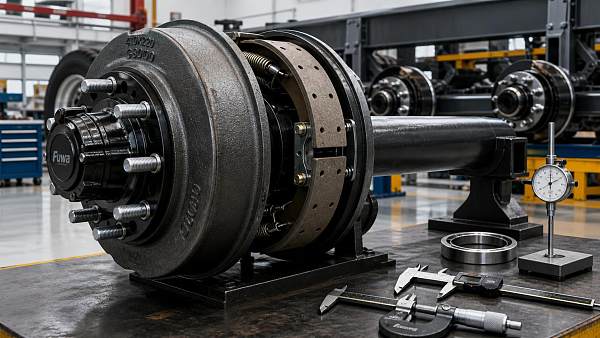
 Sep 07, 2026Sourcing Semi-Trailer Spare Parts Without Compromising Brake Drum QualitySemi trailer spare parts sourcing guide: choose reliable brake drums with verified fitment, traceability, and quality control to protect safety, uptime, and costs.
 Aug 28, 2026France Lowers Foreign Investment Review Threshold to 10% for Non-EU BuyersFrance lowers its foreign investment review threshold to 10% for non-EU buyers, reshaping strategic deals, compliance planning, and cross-border investment.
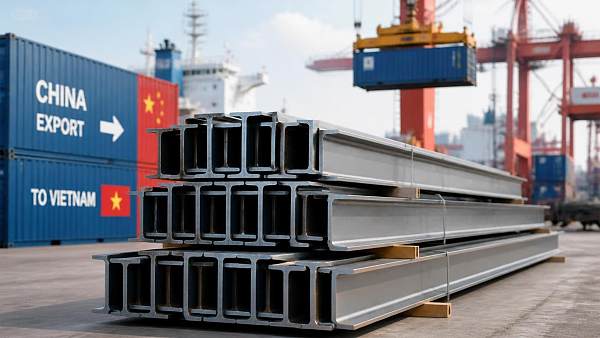
 Aug 25, 2026Vietnam Cuts Anti-Dumping Duty on Chinese H-Beam Steel to 6.78%Vietnam cuts anti-dumping duty on Chinese H-beam steel to 6.78%, reshaping import costs and sourcing decisions in Southeast Asia. See what buyers and traders should do next.
 Aug 21, 2026France Lowers Foreign Investment Review Threshold to 10% for Non-EU BuyersFrance lowers its foreign investment review threshold to 10% for non-EU buyers, reshaping deals in strategic sectors. See what this means for investors, timelines, and cross-border transaction risk.
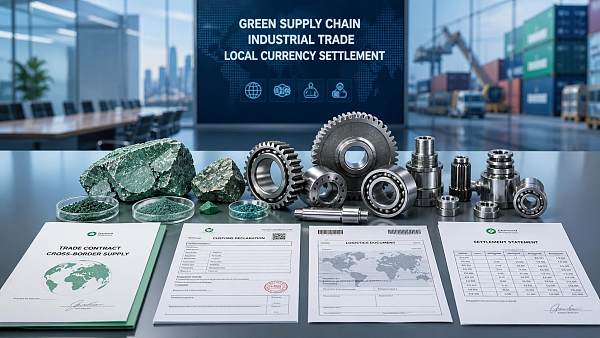
 Aug 20, 2026BRICS Reaches Consensus on Green Minerals Supply Chains and Wider Local-Currency TradeBRICS green minerals supply chains and wider local-currency trade could reshape industrial exports, settlement, and compliance. See what Chinese exporters should watch next.
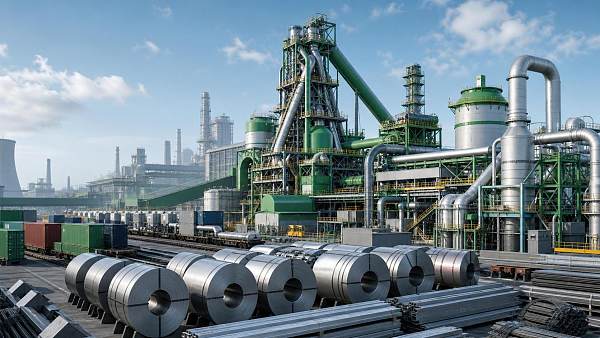
 Aug 19, 2026RCEP Steel Conference in Nanning Highlights Green Low-Carbon Technology CooperationRCEP Steel Conference in Nanning highlights green low-carbon technology cooperation, tariff rules, and compliance trends shaping steel exports, supply chains, and new regional business opportunities.
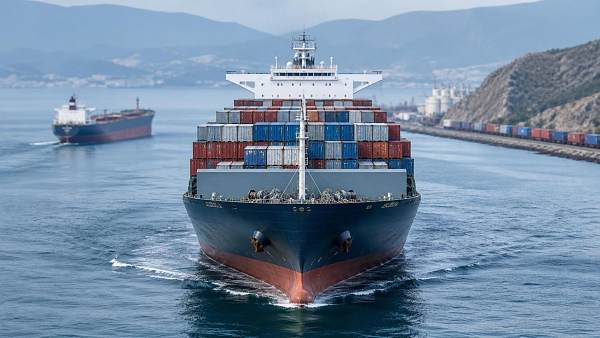
 Aug 18, 2026Second Strait of Hormuz Closure Raises Supply Chain Risks as Oil and Freight Costs ClimbSecond Strait of Hormuz closure raises supply chain risks as oil and freight costs climb. Explore impacts on shipping, pricing, and key export sectors now.
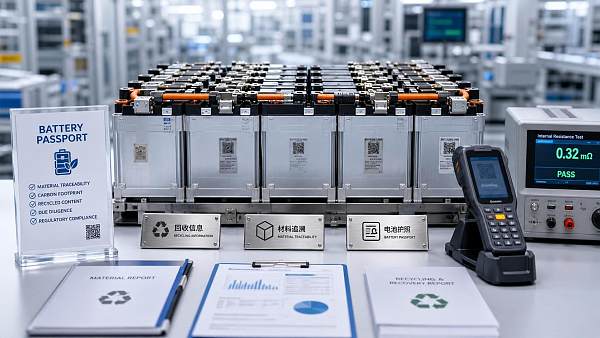
 Aug 16, 2026EU Battery Passport Becomes Mandatory for Exported Storage Products on August 18EU Battery Passport becomes mandatory on August 18, 2026 for exported storage products above 2kWh. Learn what Chinese exporters, integrators, and OEMs must do to stay compliant.
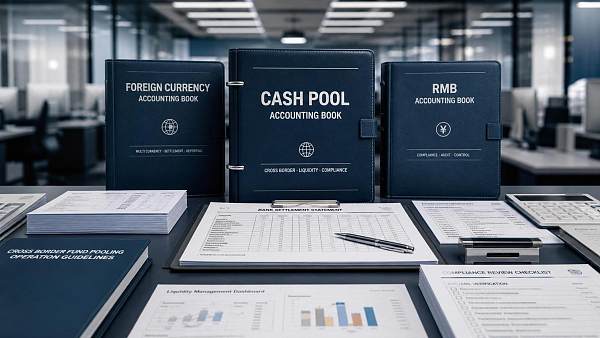
 Aug 15, 2026China Widens Cross-Border Cash Pool Access for Multinationals on Sept. 14China widens cross-border cash pooling for multinationals on Sept. 14, boosting treasury efficiency, liquidity, and payment coordination for China-linked businesses.
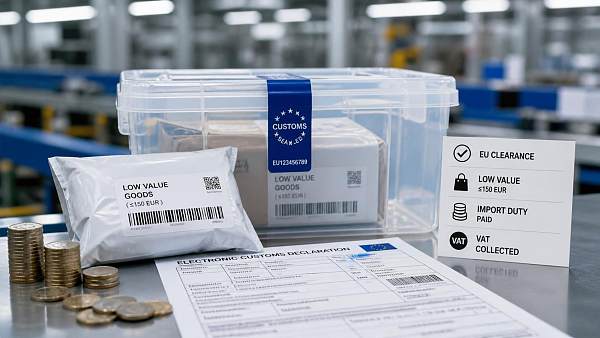
 Aug 13, 2026EU Ends Low-Value Parcel Duty ExemptionEU ends the low-value parcel duty exemption, reshaping China-to-EU e-commerce costs, customs compliance, and delivery models for exporters and logistics teams.
 Aug 12, 2026Jiangsu Tightens Overseas Patent Rules for ExportersJiangsu Tightens Overseas Patent Rules for Exporters: learn how new patent search, design-around, and local filing demands may reshape market access in the US, Europe, and Southeast Asia.
 Aug 11, 2026EU CBAM Expansion Adds Hydrogen Products, Pre-Filing Starts Oct 2026EU CBAM expansion adds hydrogen products and starts pre-filing in Oct 2026. Learn how Chinese exporters can prepare carbon data, electricity records, and compliance workflows now.
 Jul 15, 2026Global Shipping Logistics Customs Clearance: Common Delays and How to Prevent ThemGlobal shipping logistics customs clearance made simple: learn the most common delay triggers, reduce document and HS code errors, and keep cross-border shipments moving faster.
 Jul 13, 2026Cloud Project Specification Planning: How to Prevent Scope Gaps Before Procurement StartsCloud project specification planning helps teams define scope, compliance, integrations, and cost drivers before procurement begins—reducing risk, avoiding change requests, and improving vendor fit.
 Jul 12, 2026Logistics Management Analytics: Which KPIs Improve Delivery and Inventory Control?Logistics management analytics helps identify the KPIs that truly improve delivery speed, inventory accuracy, and service reliability across complex supply chains.
 Jul 11, 2026Ecommerce Logistics Sourcing Guide: How to Compare Lead Time, MOQ, and Shipping CostsEcommerce logistics sourcing guide for buyers comparing lead time, MOQ, and shipping costs. Learn how to reduce landed cost risk, improve supplier selection, and make smarter sourcing decisions.
 Jul 10, 2026Supply Chain Bottleneck Analysis for Exporters: Where Delays Happen and How to RespondSupply chain bottleneck analysis for exporters reveals where delays start—from suppliers and documentation to ports and delivery—and shows practical ways to respond faster, cut risk, and protect margins.
 Jul 09, 2026Supply Chain Intelligence Europe: Which Data Signals Matter for Sourcing Decisions?Supply chain intelligence Europe: discover the key data signals shaping smarter sourcing decisions, from supplier risk and lead times to compliance, costs, and logistics performance.
![]() Jul 07, 2026Supply Chain Intelligence and ISO Standards: How to Align Data, Traceability, and ComplianceSupply chain intelligence ISO standards explained: learn how to align data, traceability, and compliance to reduce risk, speed audits, and build resilient operations.
Jul 07, 2026Supply Chain Intelligence and ISO Standards: How to Align Data, Traceability, and ComplianceSupply chain intelligence ISO standards explained: learn how to align data, traceability, and compliance to reduce risk, speed audits, and build resilient operations.