


Search News
Global Industrial Intelligence Hub (GIIH)Industry Portal
Global Industrial Intelligence Hub (GIIH)Status
Standard Access
Upgrade to PremiumNewsEV battery traceability is now a sourcing requirement
Time
Click Count
EV battery traceability is no longer optional—it is becoming a core sourcing standard across electric vehicle parts and automotive components. For procurement teams, distributors, and market researchers, transparent data on EV battery, EV motor, aftermarket parts, and supply chain performance now directly affects compliance, inventory control, logistics management, and supplier selection. This shift is reshaping how buyers evaluate high-quality parts, precision engineering, and long-term sourcing resilience.
Why EV battery traceability has moved from compliance topic to sourcing requirement
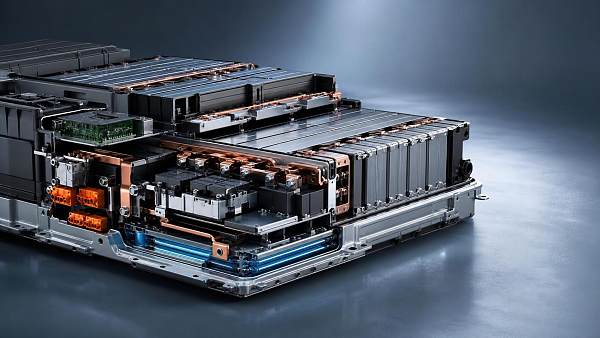
For many buyers, EV battery traceability used to sit inside the compliance department. That is no longer practical. In today’s electric vehicle supply chain, traceability affects supplier qualification, customs risk, warranty exposure, and aftermarket accountability. If a battery pack, cell batch, or critical material origin cannot be verified within a reasonable review window such as 24–72 hours, procurement teams face slower approvals and higher sourcing risk.
The pressure comes from several directions at once. Regulators want better visibility into battery materials and lifecycle data. OEMs want more disciplined quality control. Distributors want fewer claims tied to unclear part history. Commercial evaluators want documentation that can stand up during due diligence. As a result, traceability is no longer just about recording serial numbers; it is about proving process integrity from upstream inputs to downstream delivery.
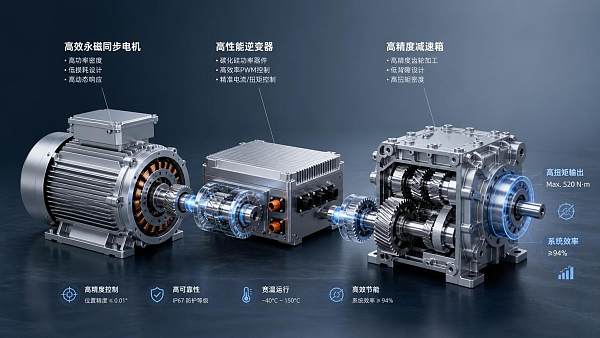
This matters across more than the battery pack itself. Buyers increasingly assess whether EV motor suppliers, battery management system partners, thermal component vendors, and aftermarket parts providers can connect their records into one usable chain of evidence. A sourcing decision made without traceability review can create hidden cost later in the form of delayed recalls, blocked shipments, or unresolved warranty cases lasting 2–8 weeks.
For information researchers and channel partners, the signal is clear: traceability has become a market access issue. A supplier may offer competitive price and acceptable lead time, but if material origin, batch linkage, and production records are incomplete, that offer may still fail internal approval. In B2B automotive sourcing, documentation quality now influences commercial viability almost as much as unit cost.
- Battery cell, module, and pack identity must be linked through consistent batch records rather than isolated spreadsheets.
- Material origin, production date, and shipment route should be reviewable during supplier onboarding and before repeat orders.
- Aftermarket parts and replacement batteries need traceable fitment and warranty references to reduce channel disputes.
- Cross-border sourcing teams increasingly require document consistency across 3 stages: pre-qualification, order execution, and after-sales support.
What procurement teams should verify before approving an EV battery supplier
A practical procurement review starts with one question: can the supplier trace the battery from incoming material to delivered unit without major data gaps? That review should not rely on marketing claims. Buyers need a structured checklist that covers process records, identification logic, storage conditions, shipment labeling, and recall response capability. In most sourcing programs, 5 core checkpoints can reveal whether traceability is usable or only superficial.
Core checkpoints for supplier evaluation
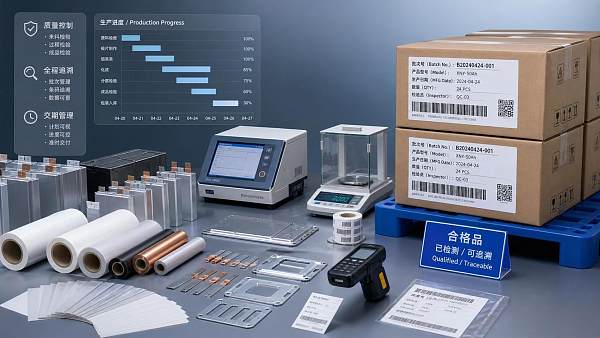
The first checkpoint is unit-level identification. Cells, modules, and packs should carry unique identifiers that remain linked throughout assembly, testing, warehousing, and shipment. The second checkpoint is batch genealogy. Buyers should confirm whether a delivered pack can be traced back to the relevant lot of cells and key subcomponents within 1 business day, not after weeks of internal searching.
The third checkpoint is process record retention. Many buyers now expect digital retention periods aligned with contractual obligations, often 3–10 years depending on application and region. The fourth checkpoint is logistics consistency. Labels, packing lists, and shipment records should match internal manufacturing data. The fifth checkpoint is incident response. A supplier should be able to isolate affected batches, estimate exposure, and issue corrective action guidance through a defined workflow.
The table below can help procurement teams compare supplier traceability readiness using operational criteria rather than broad statements. It is especially useful for business evaluators screening multiple battery and automotive parts sources in parallel.
A supplier that performs well across these dimensions is easier to onboard, easier to audit, and safer to scale. For distributors and agents, this also improves channel confidence because the same documentation can support sales qualification, installation guidance, and after-sales response instead of being rebuilt each time.
A simple 4-step sourcing review process
- Request a traceability map covering cells, modules, packs, major subcomponents, and shipment records.
- Sample-check 3–5 recent production lots instead of reviewing only one demonstration file.
- Test response speed by asking for backward and forward trace results within a defined time window.
- Review how traceability data connects to warranty, replacement parts, and aftermarket service.
Which standards and documentation matter most in EV battery traceability?
Buyers do not need every supplier to present the same document set, but they do need a reliable baseline. In EV battery sourcing, the most useful approach is to separate three layers: quality management, transport and safety documentation, and product-specific technical records. This helps procurement teams avoid the common mistake of accepting general factory paperwork while missing battery-specific evidence needed for cross-border movement and downstream accountability.
Three documentation layers buyers should separate
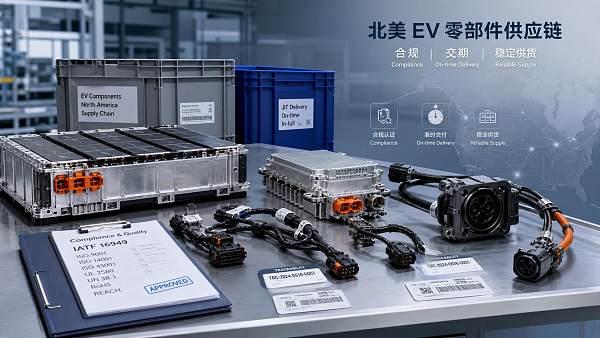
At the quality layer, buyers often review whether the supplier operates under recognized management practices such as ISO 9001, and in automotive contexts may also reference IATF 16949 where applicable. At the transport and safety layer, documentation linked to lithium battery handling and shipping classification becomes essential. At the technical layer, purchasers should review test records, specification sheets, serial or batch mapping, and change control history.
A disciplined sourcing team will also check whether the supplier can maintain consistency between these layers over time. A supplier may show one valid test report but still struggle with document revision control. That becomes a risk when engineering changes occur over a 6–12 month sourcing cycle, especially if distributors are stocking multiple production revisions in parallel.
The following table summarizes common documentation categories that support EV battery traceability and sourcing evaluation. It does not replace legal review, but it gives procurement staff and market researchers a clearer structure for supplier comparison.
The key insight is that traceability is only useful when documents connect. A battery pack identifier without linked test data is weak. A shipping document without linked batch history is incomplete. Buyers should therefore examine not only whether records exist, but whether they can be cross-referenced across quality, transport, and commercial workflows.
Common gaps that create avoidable sourcing risk
- Battery pack labels are present, but module and cell genealogy cannot be produced during an audit.
- Technical files exist, but engineering changes from the last 2–3 revisions are not linked to shipped lots.
- Transport documents are handled by a forwarder, while factory teams cannot explain packing or identification logic.
- Warranty claims are processed manually, causing delays of several days per case when serial history is requested.
How traceability changes cost, inventory, and aftermarket strategy
Some buyers still view EV battery traceability as an administrative expense. In reality, it changes cost structure across inventory, logistics, and after-sales service. A well-traced battery program can reduce unnecessary stock quarantine, speed failure analysis, and improve replacement accuracy. A poorly traced program often appears cheaper at quotation stage but becomes more expensive once mixed inventory, claim handling, and emergency resupply are considered.
For warehouse and channel operations, traceability helps separate affected lots instead of freezing all available inventory. That difference matters when replenishment lead times run 4–10 weeks. If one nonconforming issue affects only a narrow production window, distributors can continue moving unaffected stock. Without that visibility, channel partners may halt the entire line, tying up working capital and damaging service levels.
The same logic applies to aftermarket parts. Replacement batteries, BMS-related parts, connectors, and compatible EV motor components often move through multiple resellers before installation. Traceability makes it easier to validate fitment, production revision, and warranty coverage. This is increasingly important where fleets or service networks expect documented root-cause review within 3–7 business days.
Comparison: low-visibility sourcing vs traceable sourcing
The table below compares two common sourcing models. It is designed for procurement managers and business analysts who need to explain why traceability affects total sourcing performance, not just compliance paperwork.
This comparison explains why many sourcing organizations now place traceability inside supplier scorecards. The question is not whether better records cost something. The real question is whether unclear records will cost more later through claims, returns, and interrupted delivery performance.
What distributors and agents should watch closely
- Whether product revision codes on labels match the technical file used by the sales team and service team.
- Whether replacement parts can be linked to original supplied batches for warranty and compatibility review.
- Whether stock rotation rules are documented for batteries stored over defined periods such as 3, 6, or 12 months.
- Whether the supplier can support regional document requests without restarting the qualification process each time.
FAQ: practical questions buyers ask about EV battery traceability
How detailed should EV battery traceability be for sourcing approval?
At minimum, the supplier should trace a delivered battery pack to module and cell batch information, key test records, shipment data, and relevant production dates. For higher-risk applications, buyers may also ask for links to incoming material inspections and change control records. The approval threshold depends on use case, but backward and forward tracing should be possible within a defined response period, often 24–72 hours.
Is battery traceability only relevant for OEMs, or also for aftermarket channels?
It matters to both. OEM programs often drive the strictest controls, but aftermarket channels also benefit because traceability supports fitment validation, replacement matching, and warranty decisions. For distributors managing mixed inventories and regional resellers, traceability reduces disputes over version compatibility and helps isolate field issues without blocking all stock.
What are the most common supplier weaknesses during traceability review?
The most common gaps are incomplete genealogy between cells and packs, inconsistent serial rules across factories, poor linkage between testing and shipment records, and weak document revision control. Another common issue is manual recall workflow. If a supplier needs several departments and 5–10 days to build a trace report, that usually indicates the system is not mature enough for scaled sourcing.
Does stronger traceability always increase procurement cost?
Not always in a meaningful way. It may increase qualification effort at the start, but it often lowers downstream cost by reducing shipment disputes, warranty ambiguity, broad stock holds, and emergency replacement activity. For commercial evaluators, the better metric is total sourcing resilience over 6–12 months rather than only the initial unit price.
Why work with GIIH when evaluating EV battery traceability and sourcing risk
When traceability becomes a sourcing requirement, buyers need more than scattered documents and market noise. They need industrial intelligence that connects regulations, technical specifications, logistics realities, and commercial decision points. GIIH is built for that role. With deep coverage across precision automotive parts and mobility, global e-commerce logistics and supply chain, and sustainability-linked industry shifts, GIIH turns fragmented battery market information into sourcing intelligence that decision-makers can actually use.
Our value is especially relevant for procurement teams, distributors, business evaluators, and information researchers comparing multiple sources across regions. Instead of reviewing supplier claims in isolation, GIIH helps clarify which traceability factors affect supplier selection, cross-border movement, inventory planning, and aftermarket support. This allows teams to shorten early-stage screening and focus attention on the few issues that most directly shape sourcing resilience.
Because GIIH works through an expert-backed industrial intelligence model, we can support both strategic and operational questions: how to compare supplier documentation, what to ask during qualification, how to interpret logistics bottlenecks, how to align traceability with battery parts sourcing, and where hidden risk may sit in an EV battery or EV motor supply chain. For many organizations, this means fewer blind spots during the first 2–3 procurement cycles.
What you can contact us about
- Supplier traceability screening criteria for EV battery, EV motor, and automotive component sourcing.
- Documentation review priorities covering quality records, transport requirements, and batch genealogy.
- Lead-time and delivery risk discussion for cross-border procurement and channel replenishment.
- Comparison support for alternative sourcing models, including aftermarket and replacement-part programs.
- Custom intelligence requests related to compliance direction, supplier selection, and regional market entry planning.
If your team is assessing EV battery traceability as part of sourcing approval, channel development, or supplier transition, GIIH can help you structure the decision with clearer benchmarks and market context. Reach out to discuss parameter confirmation, supplier comparison, delivery cycle expectations, documentation requirements, aftermarket compatibility, and quote-stage risk factors before they become expensive operational problems.
- procurement cost
- industrial intelligence
- aftermarket service
- technical specifications
- precision automotive
- e-commerce logistics
- warehousing
- supply chain
- logistics management
- inventory control
- procurement
- automotive components
- electric vehicle parts
- EV battery
- EV motor
- high-quality parts
- precision engineering
- aftermarket
- replacement parts
Recommended News
 Sep 12, 2026What does UN 38.3 testing cover for EV battery shipments?EV battery UN 38.3 testing covers altitude, thermal, vibration, shock, short-circuit, overcharge, and discharge risks. Learn key compliance steps for safer EV battery shipments.
 Aug 24, 2026How to compare electric drive components for torque and efficiencyElectric drive components comparison starts with real load profiles. Learn how to evaluate torque, efficiency, motor-inverter-gearbox fit, and avoid costly selection mistakes.
 Jul 29, 2026400V EV Battery Components Explained: Key Parts, Functions, and System Design BasicsEV battery components 400V explained clearly: discover key parts, core functions, safety logic, thermal design, and system basics to evaluate EV battery packs with confidence.
 Jul 18, 2026Automotive Component Rating Standards Explained: How to Compare Load, Temperature, and Safety LimitsAutomotive component rating standards explained clearly: learn how to compare load, temperature, and safety limits to reduce sourcing risk, improve compliance, and choose parts with confidence.
 Jul 15, 2026EV Components North America: Sourcing Priorities, Compliance, and Lead Time FactorsEV components North America buyers now face tougher sourcing decisions. Explore compliance risks, lead time pressures, and smarter strategies to reduce disruption and improve EV supply chain performance.
 Jul 13, 2026How to Evaluate a Battery Components Exporter for Quality, Traceability, and Lead TimeBattery components exporter selection goes beyond price. Learn how to assess quality control, traceability, and lead time to reduce supply risk and choose a reliable partner.
 Jul 12, 2026High Voltage EV Batteries vs Standard Packs: Key Design and Safety DifferencesHigh voltage EV batteries vs standard packs: explore the key design, charging, efficiency, and safety differences to choose the right EV battery architecture with confidence.
![]() Jul 07, 2026EV Accessories Buying Guide: Which Add-Ons Matter for Safety, Charging, and Daily Use?EV accessories buying guide: discover which add-ons truly improve charging, safety, and daily convenience, so you can choose smarter, safer gear with confidence.
Jul 07, 2026EV Accessories Buying Guide: Which Add-Ons Matter for Safety, Charging, and Daily Use?EV accessories buying guide: discover which add-ons truly improve charging, safety, and daily convenience, so you can choose smarter, safer gear with confidence. Jun 30, 2026EV Motor Selection Guide: Torque, Efficiency, Cooling, and Cost Trade-OffsEV motor selection guide covering torque, efficiency, cooling, and cost trade-offs. Learn how to choose the right EV motor for better range, reliability, and total value.
 Jun 29, 2026Permanent Magnet EV Motor Selection: Torque, Efficiency, Cooling, and Cost Trade-OffsPermanent magnet EV motor selection explained: compare torque, efficiency, cooling, and total cost trade-offs to choose the right EV drive solution with confidence.
 Jun 27, 2026Sourcing Guide for EV Components: How to Compare Suppliers, Lead Times, and MOQSourcing guide EV components for procurement teams: compare suppliers, lead times, MOQ, quality, and total cost to reduce risk and make smarter EV sourcing decisions.
 Jun 27, 2026Electric Drive Components Price in Europe: What Drives Cost by Motor, Inverter, and VolumeElectric drive components price Europe explained: see how motor design, inverter technology, and order volume shape real costs in Europe, and compare suppliers with greater confidence.
 Jun 25, 2026How Long Life Mobility Components Reduce Maintenance in High-Use EquipmentLong life mobility components cut maintenance by matching real load, floor, and cleaning conditions. See how smarter selection improves uptime, lowers service costs, and extends equipment life.
 Jun 23, 2026Spark Plugs OEM Sourcing Guide: Key Specs, Compatibility Checks, and Supplier RisksSpark plugs OEM sourcing guide covering key specs, compatibility checks, total cost, and supplier risks—learn how to avoid fitment errors, returns, and costly quality issues.
 Jun 13, 2026Vehicle Electronics Selection Guide: Key Standards, Interfaces, and Reliability FactorsVehicle electronics selection starts with standards, interfaces, and reliability. Learn how to compare components, reduce integration risk, and choose smarter for long-term performance.
 Jun 06, 2026What Is a BMS in Battery Systems? Functions, Key Components, and Selection BasicsBMS explained: learn what a Battery Management System does, its key components, and how to choose the right BMS for safer, longer-lasting, better-integrated battery systems.
 Jun 02, 2026Solid-State Battery Breakthroughs: What to Verify Before EV AdoptionSolid-state battery breakthroughs are reshaping EV strategy—learn what to verify in energy density, cycle life, safety, cost, and supplier readiness before adoption.
 May 31, 2026Why is EV battery tech reshaping range expectations?EV battery tech is redefining real-world range through smarter chemistry, thermal control, fast charging, and software—discover what matters beyond mileage.
![]() May 19, 2026Why long-lifespan solid-state batteries matter nowSolid-state battery breakthroughs long lifespan are reshaping EVs, grid storage, and industry. Discover why longer life, safer performance, and lower total cost matter now.
May 19, 2026Why long-lifespan solid-state batteries matter nowSolid-state battery breakthroughs long lifespan are reshaping EVs, grid storage, and industry. Discover why longer life, safer performance, and lower total cost matter now.![]() May 19, 2026Is off-grid lithium storage worth the upfront cost?Lithium battery storage for off-grid applications can justify higher upfront costs through lower maintenance, better efficiency, and stronger long-term ROI. See when it pays off.
May 19, 2026Is off-grid lithium storage worth the upfront cost?Lithium battery storage for off-grid applications can justify higher upfront costs through lower maintenance, better efficiency, and stronger long-term ROI. See when it pays off.![]() May 19, 2026Are solid-state battery breakthroughs finally lifting energy density?Solid-state battery breakthroughs in high energy density are moving beyond hype. Learn what technical evaluators should verify on cycle life, safety, cost, and scalable commercialization.
May 19, 2026Are solid-state battery breakthroughs finally lifting energy density?Solid-state battery breakthroughs in high energy density are moving beyond hype. Learn what technical evaluators should verify on cycle life, safety, cost, and scalable commercialization. May 18, 2026Why portable lithium battery storage needs better designLithium battery storage portable design matters more than ever. Discover how better safety, mobility, and charging design improve backup, travel, and field power performance.
 May 17, 2026What next-gen EV charging must solve beyond faster speedNext-gen wireless charging for electric vehicles must solve efficiency, safety, interoperability, and real-world deployment fit—not just speed. Explore what makes EV charging scalable and investment-ready.
 May 17, 2026How close are solid-state batteries to real EV production?Solid-state battery breakthroughs for electric vehicles are moving beyond the lab. Discover how close they are to real EV production, what still blocks scale-up, and which milestones matter most.