


Search News
Global Industrial Intelligence Hub (GIIH)Industry Portal
Global Industrial Intelligence Hub (GIIH)Status
Standard Access
Upgrade to PremiumNewsElectric vehicle parts pricing is splitting by platform
Time
Click Count
Electric vehicle parts pricing is no longer moving as a single market. It is increasingly splitting by platform, meaning the same category of EV components can carry very different cost structures depending on vehicle architecture, battery design, software integration, and manufacturing scale. For procurement teams, distributors, market researchers, and commercial evaluators, the implication is clear: price benchmarking based on broad part categories is becoming less reliable. Buyers now need to assess EV battery systems, EV motor assemblies, power electronics, and aftermarket auto parts through a platform-specific lens if they want to control cost, reduce sourcing risk, and make better inventory decisions.
Why EV parts pricing is diverging by platform
The main reason pricing is splitting by platform is that electric vehicles are no longer built around a uniform technical model. Different automakers and suppliers are developing distinct EV platforms with their own battery pack layouts, thermal management systems, motor configurations, software control units, wiring strategies, and structural integration methods. That means two parts that appear similar in category may differ significantly in materials, tolerances, certifications, integration complexity, and replacement economics.
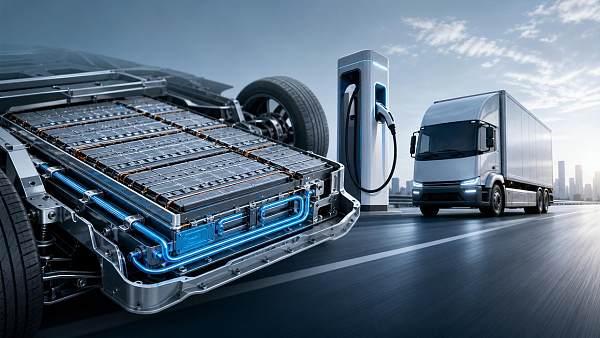
For example, an EV battery system designed for a high-volume modular platform may benefit from lower per-unit cell costs, simplified pack assembly, and standardized interfaces. In contrast, a battery system built for a premium or proprietary platform may require custom housings, unique battery management software, more advanced cooling components, and tighter safety validation. The result is a growing price gap even within the same product family.
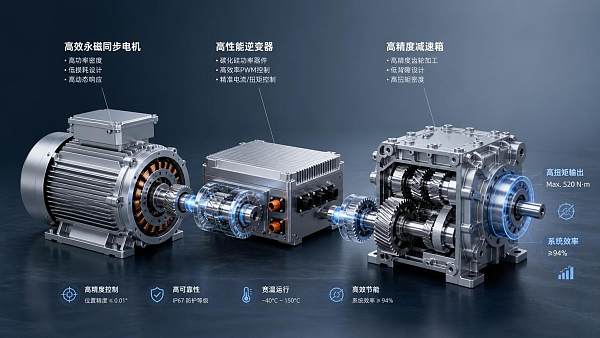
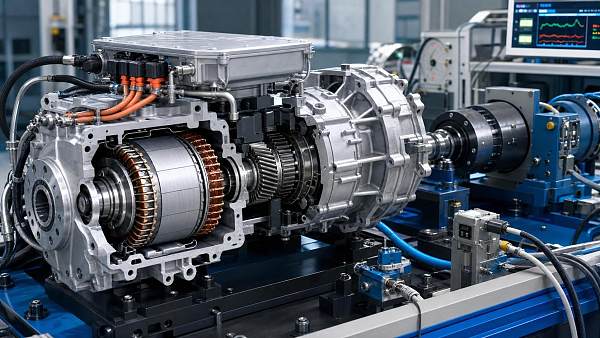
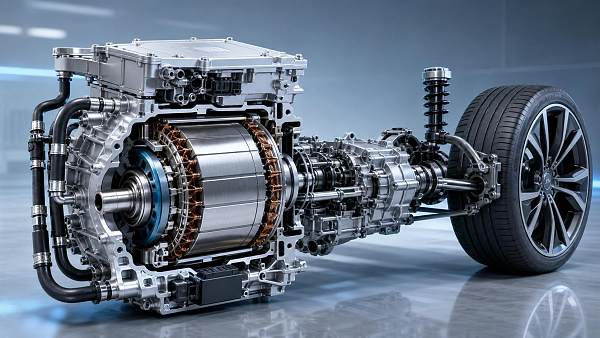
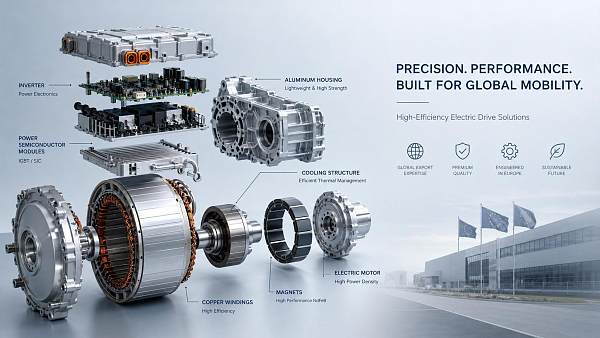
This divergence is also visible in EV motor assemblies. Some platforms rely on highly integrated e-axles that combine motor, inverter, and gearbox into one compact unit. Others maintain more separated architectures. Integration can reduce overall system weight and assembly steps, but it may also raise replacement cost, limit repairability, and narrow the supplier base. From a commercial perspective, platform design is becoming a direct pricing variable.
What procurement teams should evaluate before comparing EV component prices
For buyers, the biggest mistake is to compare EV parts pricing at the category level only. A more useful approach is to compare at the platform-fit level. Before evaluating quotations, procurement teams should ask several practical questions:
- Is the part built for a dedicated EV platform or adapted from a multi-energy platform?
- How much of the component is standardized versus custom-engineered?
- Does the platform require proprietary software calibration or communication protocols?
- What are the validation, certification, and traceability requirements?
- How concentrated is the supplier base for this platform-specific component?
- What is the expected service and aftermarket demand over the next three to five years?
These questions matter because nominal unit price often hides total acquisition cost. A lower-priced automotive component may create higher downstream cost if it requires longer lead times, specialized diagnostics, extra inventory buffers, or dedicated technical support. In the EV market, precision engineering and platform compatibility often matter as much as sticker price.
Procurement teams should also separate three sourcing models: standardized volume parts, semi-custom components, and fully custom components. Standardized parts may offer easier cost control and second-source options. Semi-custom parts often balance fit and flexibility. Fully customized parts can support performance and differentiation, but they usually carry higher procurement complexity and greater supply chain exposure.
Which EV part categories are most affected by platform-based pricing
Not every part category is splitting at the same speed. The strongest pricing divergence tends to appear in technically integrated, safety-critical, or software-linked systems.
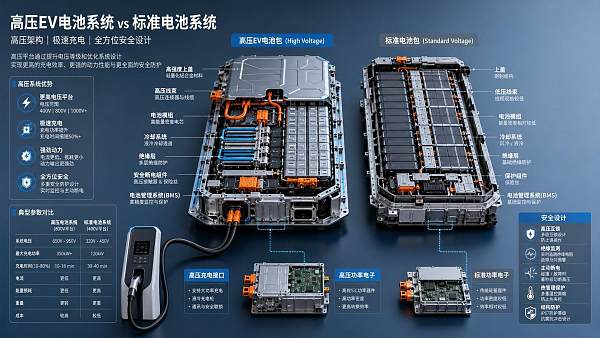
EV battery systems: Battery chemistry, module-to-pack design, cooling architecture, enclosure structure, battery management system integration, and safety compliance all contribute to major cost variation. Structural battery designs and high-voltage pack innovations can create further separation between platforms.
EV motor assemblies: Pricing differs based on motor type, magnet material exposure, winding design, inverter matching, efficiency targets, and integration level. High-performance systems or compact integrated drive units often command significantly different pricing from standard mass-market assemblies.
Power electronics: Inverters, onboard chargers, DC-DC converters, and control modules are heavily influenced by voltage architecture, semiconductor choice, thermal requirements, and software integration. Platforms using 800V systems, for example, often have different sourcing and cost structures from 400V systems.
Thermal management components: Heat pumps, coolant manifolds, valves, sensors, and integrated thermal control units are increasingly platform-specific. As EV efficiency and battery protection become more important, this area is seeing stronger engineering differentiation.
Aftermarket auto parts: Replacement parts for EVs are still evolving, and platform fragmentation can make aftermarket pricing less predictable. Parts availability, repairability, diagnostic access, and service ecosystem maturity all influence price in ways that differ from traditional internal combustion vehicle parts markets.
How this shift changes inventory and distribution strategy
For distributors, dealers, and regional agents, platform-based pricing creates a more complex inventory environment. In the past, broader compatibility within part categories supported larger pooled stock models. With EVs, the same inventory logic may create overstock risk in one platform and shortage risk in another.
A practical response is to move from category-led stocking to platform-led stocking. That means tracking demand by vehicle architecture, model family, battery variant, and software generation where relevant. Inventory planning should account not only for sales volume but also for service complexity and failure criticality.
Distributors should pay particular attention to slow-moving but high-value parts such as battery cooling assemblies, integrated control units, and specialized motor components. These parts may justify regional hub stocking rather than decentralized storage. On the other hand, commonly replaced sensors, connectors, and wear-adjacent components may be better suited to localized fulfillment.
Logistics management also becomes more strategic when pricing diverges by platform. Packaging requirements, dangerous goods compliance, reverse logistics for batteries, and condition-monitoring during transport can all affect landed cost. In other words, part price cannot be evaluated independently from logistics design.
What market researchers and business evaluators should watch next
For information researchers and commercial assessment teams, the pricing split signals a deeper structural trend: the EV parts market is becoming segmented by technology ecosystem rather than by product label alone. This creates new opportunities and new risks.
Key indicators to monitor include:
- Platform consolidation versus continued architecture fragmentation among major OEMs
- Vertical integration trends in batteries, motors, and power electronics
- Regional localization of EV component supply chains
- Standardization efforts in charging, diagnostics, and module design
- Aftermarket access policies and repair ecosystem development
- Commodity exposure in lithium, copper, rare earths, and semiconductor materials
If more automakers standardize core architectures, some pricing gaps may narrow over time. But if brands continue to pursue differentiated performance, software, and packaging strategies, platform-driven price segmentation will likely deepen. For analysts, this means future market sizing should not rely on average component pricing assumptions alone. Scenario-based pricing models will be more useful.
How buyers can reduce risk in a platform-split EV parts market
The most effective sourcing strategy is not simply to chase the lowest quote. It is to build a decision framework that matches component criticality, platform specificity, and commercial exposure.
Buyers can reduce risk by taking the following steps:
- Create platform-specific supplier maps instead of general EV supplier lists
- Benchmark total cost of ownership, including validation, logistics, warranty, and service support
- Classify components by standard, semi-custom, and custom sourcing difficulty
- Build second-source options where technical interfaces allow
- Monitor software and firmware dependency in addition to hardware specifications
- Review aftermarket serviceability before committing to large-volume purchases
For distributors and agents, another important step is to align commercial planning with real platform adoption in target regions. A part that looks attractive on paper may underperform commercially if the installed vehicle base is too narrow, the repair network is underdeveloped, or replacement cycles remain uncertain.
High-quality parts and precision engineering still matter greatly, but in this market they should be evaluated alongside interoperability, replacement practicality, and long-term platform relevance.
Conclusion: EV parts pricing now requires platform-level judgment
Electric vehicle parts pricing is splitting by platform because EV architectures are becoming more differentiated in design, integration, and supply chain structure. For procurement professionals, distributors, researchers, and business evaluators, this means broad category comparisons are no longer enough. The smarter approach is to analyze EV components through platform compatibility, total cost, supplier concentration, logistics requirements, and aftermarket implications.
The central takeaway is straightforward: in the EV market, price is no longer just a function of the part itself. It is increasingly a function of the platform behind it. Organizations that adapt their sourcing, inventory, and market analysis methods to this reality will be better positioned to control cost, manage risk, and identify durable commercial opportunities in the next phase of electric mobility.
Recommended News
 Sep 12, 2026What does UN 38.3 testing cover for EV battery shipments?EV battery UN 38.3 testing covers altitude, thermal, vibration, shock, short-circuit, overcharge, and discharge risks. Learn key compliance steps for safer EV battery shipments.
 Aug 24, 2026How to compare electric drive components for torque and efficiencyElectric drive components comparison starts with real load profiles. Learn how to evaluate torque, efficiency, motor-inverter-gearbox fit, and avoid costly selection mistakes.
 Jul 29, 2026400V EV Battery Components Explained: Key Parts, Functions, and System Design BasicsEV battery components 400V explained clearly: discover key parts, core functions, safety logic, thermal design, and system basics to evaluate EV battery packs with confidence.
 Jul 18, 2026Automotive Component Rating Standards Explained: How to Compare Load, Temperature, and Safety LimitsAutomotive component rating standards explained clearly: learn how to compare load, temperature, and safety limits to reduce sourcing risk, improve compliance, and choose parts with confidence.
 Jul 15, 2026EV Components North America: Sourcing Priorities, Compliance, and Lead Time FactorsEV components North America buyers now face tougher sourcing decisions. Explore compliance risks, lead time pressures, and smarter strategies to reduce disruption and improve EV supply chain performance.
 Jul 13, 2026How to Evaluate a Battery Components Exporter for Quality, Traceability, and Lead TimeBattery components exporter selection goes beyond price. Learn how to assess quality control, traceability, and lead time to reduce supply risk and choose a reliable partner.
 Jul 12, 2026High Voltage EV Batteries vs Standard Packs: Key Design and Safety DifferencesHigh voltage EV batteries vs standard packs: explore the key design, charging, efficiency, and safety differences to choose the right EV battery architecture with confidence.
![]() Jul 07, 2026EV Accessories Buying Guide: Which Add-Ons Matter for Safety, Charging, and Daily Use?EV accessories buying guide: discover which add-ons truly improve charging, safety, and daily convenience, so you can choose smarter, safer gear with confidence.
Jul 07, 2026EV Accessories Buying Guide: Which Add-Ons Matter for Safety, Charging, and Daily Use?EV accessories buying guide: discover which add-ons truly improve charging, safety, and daily convenience, so you can choose smarter, safer gear with confidence. Jun 30, 2026EV Motor Selection Guide: Torque, Efficiency, Cooling, and Cost Trade-OffsEV motor selection guide covering torque, efficiency, cooling, and cost trade-offs. Learn how to choose the right EV motor for better range, reliability, and total value.
 Jun 29, 2026Permanent Magnet EV Motor Selection: Torque, Efficiency, Cooling, and Cost Trade-OffsPermanent magnet EV motor selection explained: compare torque, efficiency, cooling, and total cost trade-offs to choose the right EV drive solution with confidence.
 Jun 27, 2026Sourcing Guide for EV Components: How to Compare Suppliers, Lead Times, and MOQSourcing guide EV components for procurement teams: compare suppliers, lead times, MOQ, quality, and total cost to reduce risk and make smarter EV sourcing decisions.
 Jun 27, 2026Electric Drive Components Price in Europe: What Drives Cost by Motor, Inverter, and VolumeElectric drive components price Europe explained: see how motor design, inverter technology, and order volume shape real costs in Europe, and compare suppliers with greater confidence.
 Jun 25, 2026How Long Life Mobility Components Reduce Maintenance in High-Use EquipmentLong life mobility components cut maintenance by matching real load, floor, and cleaning conditions. See how smarter selection improves uptime, lowers service costs, and extends equipment life.
 Jun 23, 2026Spark Plugs OEM Sourcing Guide: Key Specs, Compatibility Checks, and Supplier RisksSpark plugs OEM sourcing guide covering key specs, compatibility checks, total cost, and supplier risks—learn how to avoid fitment errors, returns, and costly quality issues.
 Jun 13, 2026Vehicle Electronics Selection Guide: Key Standards, Interfaces, and Reliability FactorsVehicle electronics selection starts with standards, interfaces, and reliability. Learn how to compare components, reduce integration risk, and choose smarter for long-term performance.
 Jun 06, 2026What Is a BMS in Battery Systems? Functions, Key Components, and Selection BasicsBMS explained: learn what a Battery Management System does, its key components, and how to choose the right BMS for safer, longer-lasting, better-integrated battery systems.
 Jun 02, 2026Solid-State Battery Breakthroughs: What to Verify Before EV AdoptionSolid-state battery breakthroughs are reshaping EV strategy—learn what to verify in energy density, cycle life, safety, cost, and supplier readiness before adoption.
 May 31, 2026Why is EV battery tech reshaping range expectations?EV battery tech is redefining real-world range through smarter chemistry, thermal control, fast charging, and software—discover what matters beyond mileage.
![]() May 19, 2026Why long-lifespan solid-state batteries matter nowSolid-state battery breakthroughs long lifespan are reshaping EVs, grid storage, and industry. Discover why longer life, safer performance, and lower total cost matter now.
May 19, 2026Why long-lifespan solid-state batteries matter nowSolid-state battery breakthroughs long lifespan are reshaping EVs, grid storage, and industry. Discover why longer life, safer performance, and lower total cost matter now.![]() May 19, 2026Is off-grid lithium storage worth the upfront cost?Lithium battery storage for off-grid applications can justify higher upfront costs through lower maintenance, better efficiency, and stronger long-term ROI. See when it pays off.
May 19, 2026Is off-grid lithium storage worth the upfront cost?Lithium battery storage for off-grid applications can justify higher upfront costs through lower maintenance, better efficiency, and stronger long-term ROI. See when it pays off.![]() May 19, 2026Are solid-state battery breakthroughs finally lifting energy density?Solid-state battery breakthroughs in high energy density are moving beyond hype. Learn what technical evaluators should verify on cycle life, safety, cost, and scalable commercialization.
May 19, 2026Are solid-state battery breakthroughs finally lifting energy density?Solid-state battery breakthroughs in high energy density are moving beyond hype. Learn what technical evaluators should verify on cycle life, safety, cost, and scalable commercialization. May 18, 2026Why portable lithium battery storage needs better designLithium battery storage portable design matters more than ever. Discover how better safety, mobility, and charging design improve backup, travel, and field power performance.
 May 17, 2026What next-gen EV charging must solve beyond faster speedNext-gen wireless charging for electric vehicles must solve efficiency, safety, interoperability, and real-world deployment fit—not just speed. Explore what makes EV charging scalable and investment-ready.
 May 17, 2026How close are solid-state batteries to real EV production?Solid-state battery breakthroughs for electric vehicles are moving beyond the lab. Discover how close they are to real EV production, what still blocks scale-up, and which milestones matter most.