


Search News
Global Industrial Intelligence Hub (GIIH)Industry Portal
Global Industrial Intelligence Hub (GIIH)Status
Standard Access
Upgrade to PremiumNewsEV components are changing faster than catalogs reflect
Time
Click Count
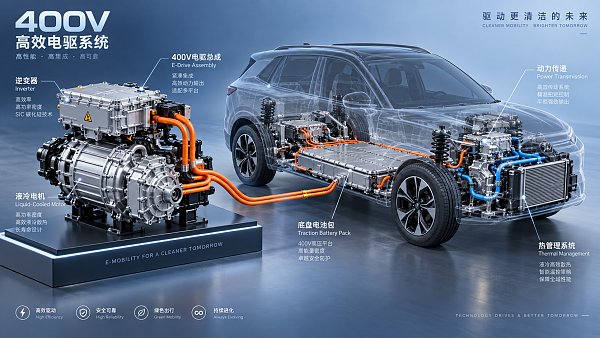
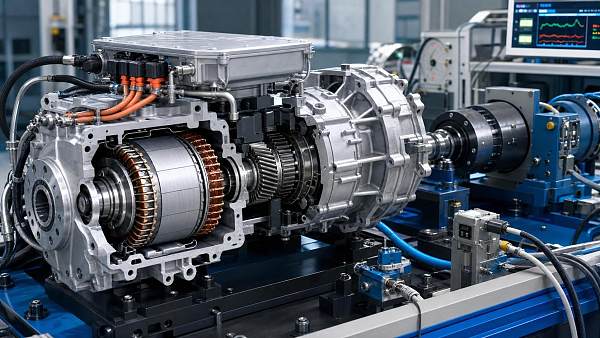
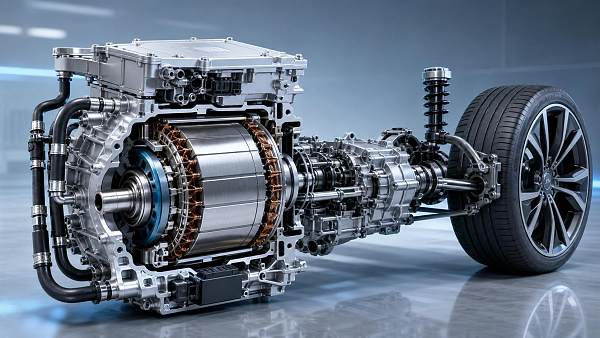
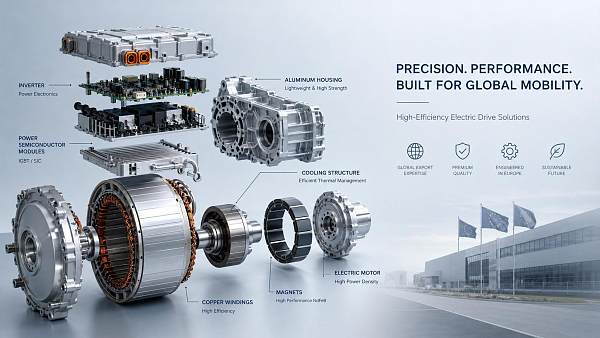
EV components are evolving faster than many catalogs can track, creating blind spots for aftermarket buyers, distributors, and procurement teams. From EV motor and EV battery systems to precision parts, custom components, and other electric vehicle parts, accurate sourcing now depends on sharper inventory control, logistics management, and supply chain visibility. This article explores how industrial parts data, automotive components standards, and high-quality parts selection are reshaping smarter purchasing decisions.
Why EV component catalogs fall behind real-world sourcing needs
For information researchers and procurement teams, the problem is rarely a total lack of products. The real issue is mismatch. A catalog may list an EV motor housing, battery connector, thermal interface material, or controller bracket, but it often fails to reflect the latest revision, updated material grade, new dimensional tolerance, or compatibility note. In fast-moving EV supply chains, even a 6–12 month lag can create quoting errors, inventory exposure, and project delays.
This gap is especially visible in aftermarket and cross-border trade. Distributors may inherit legacy SKU descriptions built for internal combustion vehicle logic, while EV parts now require tighter linkage between electrical performance, thermal management, software interface, and mechanical fit. A part that looks equivalent on paper may differ in connector geometry, voltage range, sealing level, or busbar layout, making catalog-only decisions risky.
For business evaluators, outdated catalog structures also distort market reading. If naming conventions, packaging specs, and substitution rules are not aligned, teams cannot compare suppliers accurately. This affects not only price benchmarking but also replenishment planning, return rates, and service commitments. In sectors where lead times can range from 2–4 weeks for standard items and 6–10 weeks for custom components, weak data discipline quickly becomes a commercial problem.
GIIH’s value in this environment is practical: it helps convert fragmented part information into decision-grade industrial intelligence. By combining automotive engineering interpretation with logistics and trade analysis, buyers can move beyond static listings and assess whether a listed part is current, interchangeable, compliant, and commercially viable in the target market.
What usually changes faster than the catalog
- Material and coating revisions, such as corrosion resistance upgrades or insulation improvements for battery-adjacent precision parts.
- Dimensional updates, including tolerance shifts from general fitment to tighter ranges such as ±0.5 mm or application-specific flatness control.
- Electrical and thermal interface changes, including connector pin updates, current-carrying requirements, or cooling path redesigns.
- Packaging, labeling, and traceability fields needed for regional distribution, warranty handling, and warehouse identification.
Which EV components create the biggest blind spots for buyers and distributors?
Not every category changes at the same speed. Some electric vehicle parts remain relatively stable for longer cycles, while others evolve with every platform update. The highest-risk categories are usually those sitting at the intersection of electrical load, heat, vibration, and assembly integration. These are the parts most likely to produce hidden incompatibility, even when supplier descriptions look similar.
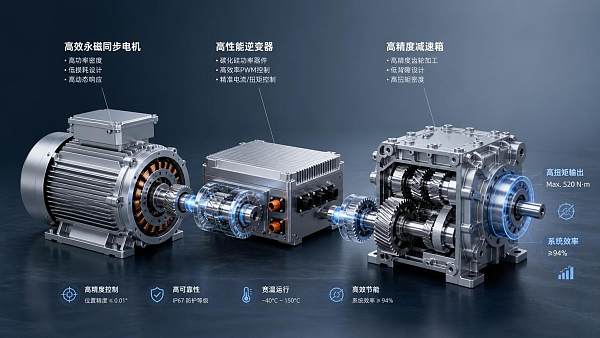
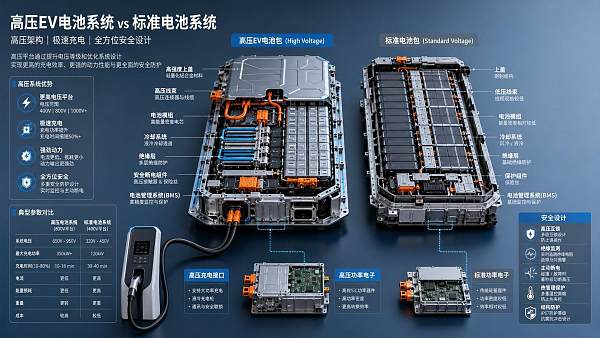
For procurement staff, four groups deserve routine scrutiny: EV battery system parts, EV motor-adjacent precision components, power distribution hardware, and custom mounting or sealing parts. Each category carries a different sourcing logic. A battery enclosure fastener may need corrosion and insulation checks, while a motor support bracket may require tighter fatigue review and dimensional consistency across production batches.
The table below summarizes where catalog risk tends to concentrate. It is useful for distributors building assortments, sourcing teams running RFQs, and market analysts comparing SKU maturity across suppliers.
The key lesson is simple: the more integrated the part is with battery safety, motor efficiency, or thermal stability, the less reliable a short-form catalog description becomes. Buyers should not treat all EV components equally. Instead, they should segment review intensity by functional risk and update frequency.
This is where structured industrial intelligence matters. GIIH helps users map product listings against technical context, logistics implications, and regional trade realities, making it easier to identify which categories can be sourced through standard replenishment and which require engineering-backed confirmation before purchase.
A practical way to classify sourcing risk
A useful internal model is to divide EV components into 3 layers. Layer 1 covers standard replenishment items with low revision frequency. Layer 2 includes semi-custom precision parts that need drawing control. Layer 3 includes safety-critical or integration-critical parts that need cross-functional approval from sourcing, quality, and engineering. This 3-layer approach reduces confusion when teams must evaluate hundreds of part numbers across multiple suppliers.
How should procurement teams verify EV parts beyond the catalog?
The most effective procurement process for electric vehicle parts is not longer, but sharper. Buyers do not need to over-audit every item. They need a repeatable method that screens technical fit, supply continuity, and commercial practicality in the first 3–5 checkpoints. This is especially important when sourcing across regions, where language variation and specification formatting can hide critical differences.
For most B2B teams, the first screening should cover drawing version, material declaration, performance window, packaging specification, and traceability method. If any of these five items remain unclear, the part should not move directly to price comparison. An incomplete RFQ often creates the illusion of cost savings, only to result in rework, claim disputes, or urgent replacement shipments later.
Lead time discipline is equally important. Standard EV precision parts may move in 2–4 weeks under stable production planning, while customized electric vehicle parts, especially those with tooling or validation steps, may require 6–10 weeks or longer. Procurement teams should therefore compare not only unit price, but also replenishment reliability, sample turnaround, and engineering response speed.
Five checks before issuing or accepting a quote
- Confirm the latest part revision and whether the supplier quote references the same drawing, sample, or approved substitute.
- Review the operating environment, including temperature exposure, vibration condition, and moisture or dust protection requirements.
- Check packaging unit, label data, and batch identification rules to avoid warehouse receiving errors and aftersales confusion.
- Clarify minimum order quantity, sample policy, and regular lead time versus expedited lead time.
- Validate whether the item needs regional compliance documents, test references, or material declarations before import or resale.
Procurement evaluation table for faster decision-making
The following table can be used as a lightweight scoring model during RFQ comparison. It helps teams balance cost, fit, and execution risk instead of focusing on price alone.
If a supplier is strong on price but weak on revision control or replenishment transparency, the total landed cost can become less favorable within one or two order cycles. That is why experienced buyers increasingly use weighted evaluation methods rather than headline pricing alone.
GIIH supports this process by connecting technical interpretation with trade execution realities. For sourcing teams comparing several regions or vendor types, this reduces the time spent translating raw supplier claims into actionable procurement decisions.
Standards, compliance, and logistics: what matters in cross-border EV parts trade?
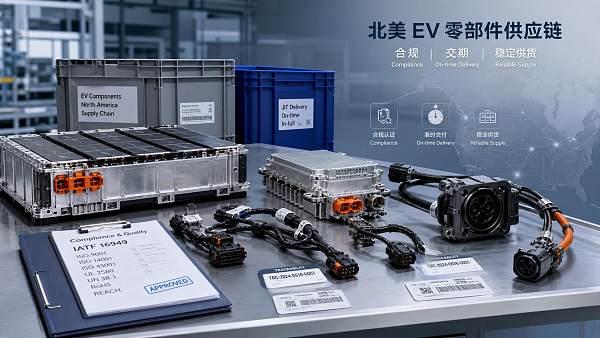
Catalog accuracy is only part of the puzzle. In cross-border EV components trade, documentation quality often decides whether a transaction moves smoothly or stalls. Procurement teams, agents, and distributors should separate three layers of review: technical standards, material or safety declarations, and logistics handling requirements. These layers do not always come from the same document set, which is why catalog-only sourcing often misses downstream problems.
For example, automotive components standards may involve dimensional and material control, while battery-related items can also trigger packaging, labeling, or transport review depending on the exact product form and shipment method. Even when a part itself is not classified as hazardous, adjacent packaging or bundled shipment conditions may change documentation needs. A buyer that checks this only after booking transport may lose 3–7 days in reprocessing.
Distributors also need consistency in product naming and records. If one supplier uses internal abbreviations and another uses application-based naming, digital inventory control becomes harder. This creates duplicate SKUs, poor warehouse picking, and confusion in aftersales support. Normalizing item master data is therefore not an administrative detail; it is a risk-control measure.
Core compliance and logistics checkpoints
- Check whether the part needs material declaration, test references, or specific labeling for the destination market.
- Verify carton labels, batch traceability, and outer packaging format before the first commercial shipment, not after receipt.
- Align HS classification, invoice descriptions, and part naming to reduce customs interpretation gaps.
- For battery system adjacent components, confirm whether transport and storage handling instructions need to be shared with logistics partners.
Why supply chain visibility changes the economics
When teams lack visibility, they often overcompensate with excess stock. In EV parts distribution, that can be costly because revision cycles are shorter and interchangeability is less forgiving. A safer strategy is to build a 3-part control system: current revision tracking, supplier response SLA, and rolling replenishment review every month or quarter depending on item criticality. This approach protects service levels without locking too much cash into vulnerable inventory.
GIIH’s cross-sector intelligence model is useful here because EV component sourcing is no longer only an automotive question. It is also a logistics, documentation, and market-entry question. Combining these perspectives gives procurement leaders a more realistic view of execution risk before contracts are signed.
Common sourcing mistakes, future trends, and what smart buyers should do next
A common mistake is assuming that a familiar supplier automatically has updated EV components data. Another is treating custom components as if they were standard catalog parts. In practice, EV ecosystems now change through frequent platform refinements, thermal design adjustments, and regional compliance updates. This means sourcing decisions need active verification, not passive reliance on historical purchasing records.
The next 12–24 months are likely to bring more catalog compression and more data complexity at the same time. Buyers will see broader SKU ranges, but also more nuanced fitment rules. High-quality parts selection will increasingly depend on digital part governance, clearer supplier communication, and better coordination between engineering, sourcing, logistics, and channel sales.
For distributors and agents, this also changes the value proposition. The market no longer rewards simple reselling of listed items alone. It rewards the ability to explain compatibility, document change history, and support customers with confident substitution logic. In other words, information quality is becoming part of the product.
FAQ for buyers, analysts, and channel partners
How often should EV components data be reviewed?
For high-risk categories such as EV battery system interfaces, power distribution hardware, and thermal components, a monthly or quarterly review is advisable depending on order frequency. For lower-risk standard precision parts, review can follow replenishment cycles, but any engineering change notice should trigger immediate update.
What matters more: unit price or lead time?
Neither should be judged in isolation. A lower unit price can be offset by unstable 6–10 week lead times, unclear packaging rules, or poor traceability. Total procurement value usually comes from the balance of technical fit, replenishment stability, and documentation completeness.
Are custom EV components always slower to source?
Usually yes, but the real variable is validation workload. If drawings are frozen, tooling status is clear, and packaging requirements are agreed early, custom parts can move more predictably. Delays often come not from manufacturing alone, but from unclear approvals and repeated revision checks.
How can distributors reduce obsolete inventory risk?
Track revision-sensitive SKUs separately, avoid mixing legacy and updated part numbers, and build communication rules with suppliers for any change affecting dimensions, interfaces, or labels. A quarterly assortment review and tighter item master data discipline can significantly reduce dead stock exposure.
Why work with GIIH for EV parts intelligence and sourcing evaluation?
GIIH helps buyers, market researchers, business evaluators, and channel partners move from fragmented product listings to structured industrial judgment. Our automotive engineering perspective is reinforced by logistics and trade insight, which is essential when EV components decisions affect not just fitment, but also inventory planning, customs handling, market access, and aftersales performance.
If you need support on parameter confirmation, product selection, delivery cycle assessment, custom component review, certification-related document preparation, sample coordination, or quotation comparison, GIIH can help organize the decision path. Instead of reviewing isolated catalogs one by one, you can assess EV motor parts, EV battery system components, and other electric vehicle parts through a more connected intelligence framework.
Contact GIIH when you need a clearer view of part revision risk, supplier comparability, inventory control logic, or cross-border logistics impact. For teams under time pressure, we can help narrow the shortlist, identify the critical technical checkpoints, and make sourcing conversations more precise from the first inquiry.
Recommended News
 Sep 29, 2026When does a 400V EV motor meet a vehicle’s power needs?400V EV motor: discover how to match torque, peak and continuous power, battery current, gearing, and thermal limits for confident vehicle performance.
 Sep 12, 2026What does UN 38.3 testing cover for EV battery shipments?EV battery UN 38.3 testing covers altitude, thermal, vibration, shock, short-circuit, overcharge, and discharge risks. Learn key compliance steps for safer EV battery shipments.
 Aug 24, 2026How to compare electric drive components for torque and efficiencyElectric drive components comparison starts with real load profiles. Learn how to evaluate torque, efficiency, motor-inverter-gearbox fit, and avoid costly selection mistakes.
 Jul 29, 2026400V EV Battery Components Explained: Key Parts, Functions, and System Design BasicsEV battery components 400V explained clearly: discover key parts, core functions, safety logic, thermal design, and system basics to evaluate EV battery packs with confidence.
 Jul 18, 2026Automotive Component Rating Standards Explained: How to Compare Load, Temperature, and Safety LimitsAutomotive component rating standards explained clearly: learn how to compare load, temperature, and safety limits to reduce sourcing risk, improve compliance, and choose parts with confidence.
 Jul 15, 2026EV Components North America: Sourcing Priorities, Compliance, and Lead Time FactorsEV components North America buyers now face tougher sourcing decisions. Explore compliance risks, lead time pressures, and smarter strategies to reduce disruption and improve EV supply chain performance.
 Jul 13, 2026How to Evaluate a Battery Components Exporter for Quality, Traceability, and Lead TimeBattery components exporter selection goes beyond price. Learn how to assess quality control, traceability, and lead time to reduce supply risk and choose a reliable partner.
 Jul 12, 2026High Voltage EV Batteries vs Standard Packs: Key Design and Safety DifferencesHigh voltage EV batteries vs standard packs: explore the key design, charging, efficiency, and safety differences to choose the right EV battery architecture with confidence.
![]() Jul 07, 2026EV Accessories Buying Guide: Which Add-Ons Matter for Safety, Charging, and Daily Use?EV accessories buying guide: discover which add-ons truly improve charging, safety, and daily convenience, so you can choose smarter, safer gear with confidence.
Jul 07, 2026EV Accessories Buying Guide: Which Add-Ons Matter for Safety, Charging, and Daily Use?EV accessories buying guide: discover which add-ons truly improve charging, safety, and daily convenience, so you can choose smarter, safer gear with confidence. Jun 30, 2026EV Motor Selection Guide: Torque, Efficiency, Cooling, and Cost Trade-OffsEV motor selection guide covering torque, efficiency, cooling, and cost trade-offs. Learn how to choose the right EV motor for better range, reliability, and total value.
 Jun 29, 2026Permanent Magnet EV Motor Selection: Torque, Efficiency, Cooling, and Cost Trade-OffsPermanent magnet EV motor selection explained: compare torque, efficiency, cooling, and total cost trade-offs to choose the right EV drive solution with confidence.
 Jun 27, 2026Sourcing Guide for EV Components: How to Compare Suppliers, Lead Times, and MOQSourcing guide EV components for procurement teams: compare suppliers, lead times, MOQ, quality, and total cost to reduce risk and make smarter EV sourcing decisions.
 Jun 27, 2026Electric Drive Components Price in Europe: What Drives Cost by Motor, Inverter, and VolumeElectric drive components price Europe explained: see how motor design, inverter technology, and order volume shape real costs in Europe, and compare suppliers with greater confidence.
 Jun 25, 2026How Long Life Mobility Components Reduce Maintenance in High-Use EquipmentLong life mobility components cut maintenance by matching real load, floor, and cleaning conditions. See how smarter selection improves uptime, lowers service costs, and extends equipment life.
 Jun 23, 2026Spark Plugs OEM Sourcing Guide: Key Specs, Compatibility Checks, and Supplier RisksSpark plugs OEM sourcing guide covering key specs, compatibility checks, total cost, and supplier risks—learn how to avoid fitment errors, returns, and costly quality issues.
 Jun 13, 2026Vehicle Electronics Selection Guide: Key Standards, Interfaces, and Reliability FactorsVehicle electronics selection starts with standards, interfaces, and reliability. Learn how to compare components, reduce integration risk, and choose smarter for long-term performance.
 Jun 06, 2026What Is a BMS in Battery Systems? Functions, Key Components, and Selection BasicsBMS explained: learn what a Battery Management System does, its key components, and how to choose the right BMS for safer, longer-lasting, better-integrated battery systems.
 Jun 02, 2026Solid-State Battery Breakthroughs: What to Verify Before EV AdoptionSolid-state battery breakthroughs are reshaping EV strategy—learn what to verify in energy density, cycle life, safety, cost, and supplier readiness before adoption.
 May 31, 2026Why is EV battery tech reshaping range expectations?EV battery tech is redefining real-world range through smarter chemistry, thermal control, fast charging, and software—discover what matters beyond mileage.
![]() May 19, 2026Why long-lifespan solid-state batteries matter nowSolid-state battery breakthroughs long lifespan are reshaping EVs, grid storage, and industry. Discover why longer life, safer performance, and lower total cost matter now.
May 19, 2026Why long-lifespan solid-state batteries matter nowSolid-state battery breakthroughs long lifespan are reshaping EVs, grid storage, and industry. Discover why longer life, safer performance, and lower total cost matter now.![]() May 19, 2026Is off-grid lithium storage worth the upfront cost?Lithium battery storage for off-grid applications can justify higher upfront costs through lower maintenance, better efficiency, and stronger long-term ROI. See when it pays off.
May 19, 2026Is off-grid lithium storage worth the upfront cost?Lithium battery storage for off-grid applications can justify higher upfront costs through lower maintenance, better efficiency, and stronger long-term ROI. See when it pays off.![]() May 19, 2026Are solid-state battery breakthroughs finally lifting energy density?Solid-state battery breakthroughs in high energy density are moving beyond hype. Learn what technical evaluators should verify on cycle life, safety, cost, and scalable commercialization.
May 19, 2026Are solid-state battery breakthroughs finally lifting energy density?Solid-state battery breakthroughs in high energy density are moving beyond hype. Learn what technical evaluators should verify on cycle life, safety, cost, and scalable commercialization. May 18, 2026Why portable lithium battery storage needs better designLithium battery storage portable design matters more than ever. Discover how better safety, mobility, and charging design improve backup, travel, and field power performance.
 May 17, 2026What next-gen EV charging must solve beyond faster speedNext-gen wireless charging for electric vehicles must solve efficiency, safety, interoperability, and real-world deployment fit—not just speed. Explore what makes EV charging scalable and investment-ready.