


Search News
Global Industrial Intelligence Hub (GIIH)Industry Portal
Global Industrial Intelligence Hub (GIIH)Status
Standard Access
Upgrade to PremiumNewsWhat causes EV motor overheating in real-world fleets
Time
Click Count
In real-world fleets, EV motor overheating rarely comes down to one isolated defect. More often, it is the visible result of a system-level problem: repeated heavy loads, poor thermal management, battery stress, low-quality EV components, uneven precision engineering, delayed aftermarket maintenance, or even supply chain substitutions that change part performance without fully updating operating expectations. For fleet buyers, distributors, and market evaluators, the practical question is not just “why is the motor hot?” but “which operating, component, and sourcing factors are increasing thermal risk, downtime, and total cost of ownership?”
In most commercial use cases, EV motor overheating is caused by a combination of high torque demand, inadequate cooling performance, battery and inverter stress, harsh duty cycles, and component quality inconsistency. That is why fleets that look similar on paper can show very different reliability in the field. The difference often lies in how well the full vehicle system, maintenance process, and replacement parts strategy match real operating conditions.
Why EV motor overheating in fleets is usually a multi-factor problem
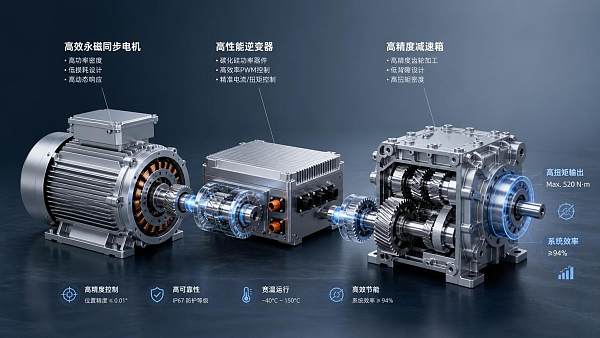
For researchers and procurement teams, the first important conclusion is this: motor overheating is rarely only a motor issue. In fleet environments, the electric drive system operates as an interconnected chain that includes the battery pack, inverter, motor controller, cooling circuit, sensors, wiring, bearings, insulation materials, and software calibration. If one part of that chain underperforms, heat rises elsewhere.
This matters especially in real-world fleets because operating conditions are much more demanding than laboratory or light private-use assumptions. Delivery vans, ride-hailing vehicles, urban buses, utility vehicles, and industrial transport fleets often face:
- Frequent stop-and-go acceleration
- Long daily operating hours
- Heavy payload variation
- Steep roads or hot climates
- Driver behavior differences
- Irregular maintenance windows
Under these conditions, thermal stress accumulates faster. A motor may not fail immediately, but repeated overheating accelerates insulation aging, bearing wear, magnet degradation, and controller stress. Over time, this leads to lower efficiency, reduced range, more fault events, and earlier replacement cycles.
What are the most common real-world causes of EV motor overheating?
The most common causes can be grouped into operational, technical, maintenance, and supply-related factors.
1. High and continuous load demand
Fleet vehicles often operate near the upper end of their designed torque and power range. Repeated hill climbing, heavy cargo, towing, or dense urban acceleration can force the motor to generate sustained heat. If the cooling system cannot remove that heat fast enough, temperature builds up.
2. Poor or degraded thermal management
Many overheating cases involve cooling limitations rather than a defective motor core. Problems may include insufficient coolant flow, clogged channels, pump inefficiency, radiator fouling, fan underperformance, thermal interface degradation, or poor heat transfer between the motor and surrounding cooling architecture.
3. Battery performance issues affecting the drive system
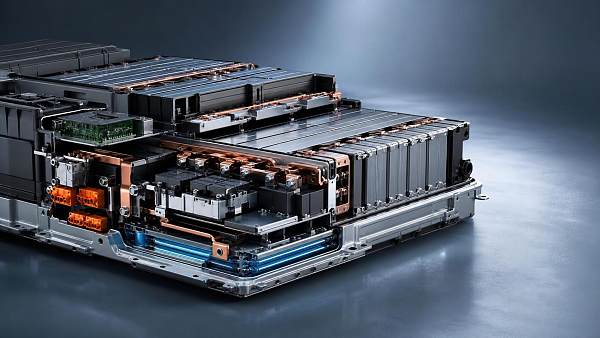
EV battery performance directly affects motor thermal behavior. A battery under stress may deliver unstable voltage, higher internal resistance, or limited current support, forcing the inverter and motor to work under less efficient conditions. In hot weather or under repeated fast charging, battery heat can also increase under-hood or system-wide thermal pressure.
4. Inverter and controller inefficiency
The motor does not work alone. If the inverter, controller logic, or power electronics are inefficient, switching losses and current harmonics can raise motor temperature. Poor calibration can also keep the system operating in a less efficient range, creating excess heat even when the hardware itself appears adequate.
5. Low-quality or mismatched electric vehicle parts
In aftermarket servicing or cost-driven procurement, fleets may install replacement electric vehicle parts that fit mechanically but do not match original thermal, electrical, or material standards. Bearings, sensors, seals, connectors, insulation materials, and cooling components all influence thermal reliability. Small quality differences can have major long-term effects.
6. Harsh ambient and route conditions
Real-world fleets often operate in environments that make cooling harder: high outside temperatures, humidity, dust, long climbs, poor road conditions, and traffic congestion. Vehicles running in these settings need a larger thermal margin than standard duty-cycle assumptions might suggest.
7. Deferred maintenance and weak fault detection
When maintenance cycles are stretched, minor thermal issues become serious failures. Coolant contamination, bearing noise, insulation decline, loose electrical connections, and sensor drift may begin as small inefficiencies but eventually trigger overheating events. Fleets without strong monitoring often discover the issue only after derating or shutdown.
How battery, inverter, and motor thermal stress interact in fleet operations
One of the biggest mistakes in fleet evaluation is treating the motor as an isolated component. In practice, EV battery performance, inverter behavior, and motor temperature are tightly connected.
For example, if a battery pack experiences elevated temperature or aging-related resistance, current delivery becomes less efficient. That can increase stress on the inverter, which then generates more heat while managing higher electrical losses. The motor receives less optimal power, works harder under the same load, and thermal buildup accelerates. In a fleet cycle with frequent charging and long shifts, this interaction can repeat day after day.
This system view is especially useful for procurement and business assessment teams because it changes how reliability should be evaluated. Instead of asking only whether the motor meets specification, the better question is whether the full propulsion and thermal management architecture has enough margin for the intended duty cycle.
That is why high-performing fleet EV platforms usually show strength in several areas at once:
- Stable battery thermal control
- Well-matched inverter and motor sizing
- Efficient cooling design
- Reliable sensors and control software
- High-quality precision automotive parts
- Consistent aftermarket support
Why component quality and precision engineering matter more than many buyers expect
For distributors, sourcing teams, and commercial evaluators, overheating risk is often tied to component selection quality. A fleet may choose a lower-cost motor assembly or replacement part strategy to reduce short-term procurement expense, but thermal failures can erase that savings quickly through downtime, labor cost, warranty claims, and vehicle unavailability.
Precision engineering quality matters because EV thermal reliability depends on tolerances, material consistency, and assembly integrity. Examples include:
- Bearing quality affecting friction and heat generation
- Winding insulation grade affecting heat resistance and lifespan
- Rotor and stator manufacturing accuracy affecting efficiency
- Seal quality affecting coolant or contamination risk
- Sensor accuracy affecting thermal protection logic
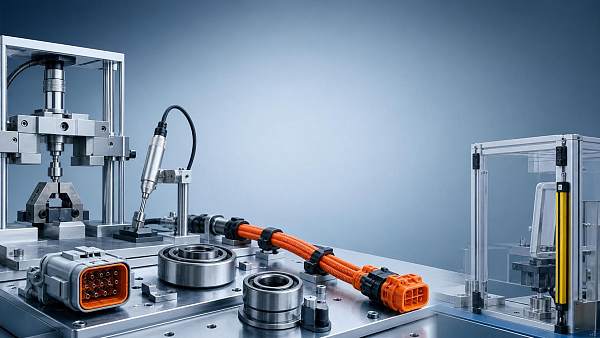
- Connector and cable quality affecting resistance and localized heating
In fleet applications, small deviations that seem acceptable in short-term testing may become costly under repetitive use. This is why high-quality parts are not simply a branding issue; they are a thermal reliability and asset utilization issue.
For procurement professionals, the practical takeaway is clear: evaluate not only unit price, but thermal durability, material specifications, traceability, validation data, and consistency across batches.
How aftermarket maintenance and replacement strategy influence overheating risk
Aftermarket maintenance has a direct effect on EV motor temperature stability. Even well-designed vehicles can overheat if fleets use reactive rather than preventive service models.
Common maintenance-related contributors include:
- Delayed coolant replacement or contamination checks
- Ignoring early bearing or vibration signals
- Replacing failed parts without root-cause diagnosis
- Using mixed-quality aftermarket components
- Failure to update software or thermal calibration
- Limited technician training on EV-specific systems
For fleet operators, repeated overheating should trigger a structured review rather than a one-time part swap. The right process typically includes operating data review, thermal event history, route pattern analysis, charging behavior review, cooling system inspection, and verification of replacement part specification.
For distributors and agents, this also creates a market opportunity. Buyers increasingly value aftermarket partners who can offer not just parts inventory, but application guidance, fault trend insight, and quality assurance for replacement components.
What procurement teams should check before selecting EV components for fleet use
If the goal is to reduce overheating-related downtime, procurement teams should evaluate suppliers and components against real fleet conditions rather than catalog specifications alone.
Key checkpoints include:
Thermal performance under actual duty cycles
Ask whether the motor, inverter, and cooling system were validated for stop-start urban use, heavy payloads, high ambient temperatures, or long operating shifts.
Compatibility across the propulsion system
Check whether battery output characteristics, inverter control logic, and motor design are well matched. Thermal problems often come from poor system integration, not single-part failure.
Quality assurance and traceability
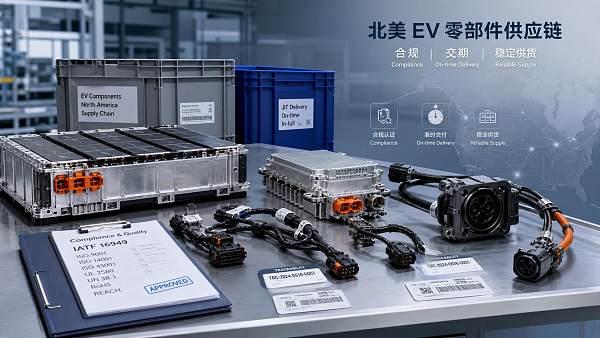
Review supplier process control, testing records, batch consistency, and failure analysis capability. This is especially important for precision automotive parts and critical electric vehicle parts.
Aftermarket availability and inventory control
Reliable supply of approved replacement components matters. Poor inventory control can push service teams to use substitute parts that increase thermal risk.
Technical documentation and service support
Suppliers should provide maintenance intervals, installation guidance, diagnostic references, and thermal operating limits that are clear enough for field execution.
Lifecycle economics
Evaluate not only purchase cost but downtime cost, expected service life, thermal degradation risk, and replacement frequency. The cheapest component is often the most expensive in fleet ownership terms.
How logistics management and supply chain execution can indirectly cause overheating problems
For business evaluators and sourcing teams, overheating is not only an engineering topic. It can also be a supply chain issue.
Weak logistics management and fragmented supply chain execution can contribute to thermal reliability problems in several ways:
- Delayed spare parts supply extends operation with degraded components
- Unverified substitutions enter maintenance workflows
- Storage conditions damage sensitive parts before installation
- Documentation gaps cause fitment or compatibility errors
- Multi-source inconsistency creates variable field performance
This is particularly relevant in global aftermarket distribution. When distributors, agents, and repair networks source from multiple channels without strong technical verification, identical-looking parts may deliver very different heat tolerance, electrical stability, and durability.
That is why supply chain discipline matters for EV fleet reliability. Strong suppliers support controlled sourcing, validated specifications, better inventory planning, and faster fault-response cycles. In commercial fleets, that operational consistency can be as important as the original product design.
How to recognize early signs of EV motor overheating in fleet data
For readers involved in operational assessment, it is useful to identify warning patterns before a major failure occurs. Common early signals include:
- Frequent power derating during high-load routes
- Reduced range without obvious battery failure
- Repeated high-temperature alerts
- Increasing energy consumption per route
- Abnormal bearing noise or vibration
- Cooling system service anomalies
- Motor or inverter fault codes appearing intermittently
Viewed separately, these symptoms may look minor. Together, they often point to developing thermal stress. Fleets that use telematics, maintenance logs, and route analytics together can detect overheating trends earlier and lower total maintenance cost.
What this means for distributors, buyers, and market researchers
For distributors and agents, the market implication is straightforward: demand is moving toward reliable, application-specific EV components backed by technical support and supply consistency. Buyers do not only want parts that fit; they want parts that preserve thermal stability in real operating conditions.
For procurement teams, overheating should be treated as a total-system cost risk. Supplier selection, high-quality parts strategy, inventory control, and aftermarket service capability all affect real fleet performance.
For industry researchers and business evaluators, EV motor overheating is also a useful indicator of broader market maturity. Fleets with strong thermal reliability usually reflect better engineering integration, stronger quality systems, and more capable support networks. In contrast, frequent overheating events may signal weaknesses in component validation, service infrastructure, or supply chain control.
Conclusion
In real-world fleets, EV motor overheating is usually caused by a combination of heavy duty cycles, insufficient thermal management, battery and inverter stress, inconsistent component quality, delayed maintenance, and supply chain-related replacement issues. The key lesson is that overheating should not be viewed as a simple motor defect. It is often a system-level warning about how the vehicle is designed, operated, maintained, and supplied.
For procurement professionals, distributors, and commercial analysts, the most effective response is to evaluate EV battery performance, electric vehicle parts quality, precision engineering standards, aftermarket maintenance capability, inventory control, and logistics management together. That broader view leads to better sourcing decisions, lower downtime, and more reliable fleet performance over the full asset lifecycle.
Recommended News
 Sep 12, 2026What does UN 38.3 testing cover for EV battery shipments?EV battery UN 38.3 testing covers altitude, thermal, vibration, shock, short-circuit, overcharge, and discharge risks. Learn key compliance steps for safer EV battery shipments.
 Aug 24, 2026How to compare electric drive components for torque and efficiencyElectric drive components comparison starts with real load profiles. Learn how to evaluate torque, efficiency, motor-inverter-gearbox fit, and avoid costly selection mistakes.
 Jul 29, 2026400V EV Battery Components Explained: Key Parts, Functions, and System Design BasicsEV battery components 400V explained clearly: discover key parts, core functions, safety logic, thermal design, and system basics to evaluate EV battery packs with confidence.
 Jul 18, 2026Automotive Component Rating Standards Explained: How to Compare Load, Temperature, and Safety LimitsAutomotive component rating standards explained clearly: learn how to compare load, temperature, and safety limits to reduce sourcing risk, improve compliance, and choose parts with confidence.
 Jul 15, 2026EV Components North America: Sourcing Priorities, Compliance, and Lead Time FactorsEV components North America buyers now face tougher sourcing decisions. Explore compliance risks, lead time pressures, and smarter strategies to reduce disruption and improve EV supply chain performance.
 Jul 13, 2026How to Evaluate a Battery Components Exporter for Quality, Traceability, and Lead TimeBattery components exporter selection goes beyond price. Learn how to assess quality control, traceability, and lead time to reduce supply risk and choose a reliable partner.
 Jul 12, 2026High Voltage EV Batteries vs Standard Packs: Key Design and Safety DifferencesHigh voltage EV batteries vs standard packs: explore the key design, charging, efficiency, and safety differences to choose the right EV battery architecture with confidence.
![]() Jul 07, 2026EV Accessories Buying Guide: Which Add-Ons Matter for Safety, Charging, and Daily Use?EV accessories buying guide: discover which add-ons truly improve charging, safety, and daily convenience, so you can choose smarter, safer gear with confidence.
Jul 07, 2026EV Accessories Buying Guide: Which Add-Ons Matter for Safety, Charging, and Daily Use?EV accessories buying guide: discover which add-ons truly improve charging, safety, and daily convenience, so you can choose smarter, safer gear with confidence. Jun 30, 2026EV Motor Selection Guide: Torque, Efficiency, Cooling, and Cost Trade-OffsEV motor selection guide covering torque, efficiency, cooling, and cost trade-offs. Learn how to choose the right EV motor for better range, reliability, and total value.
 Jun 29, 2026Permanent Magnet EV Motor Selection: Torque, Efficiency, Cooling, and Cost Trade-OffsPermanent magnet EV motor selection explained: compare torque, efficiency, cooling, and total cost trade-offs to choose the right EV drive solution with confidence.
 Jun 27, 2026Sourcing Guide for EV Components: How to Compare Suppliers, Lead Times, and MOQSourcing guide EV components for procurement teams: compare suppliers, lead times, MOQ, quality, and total cost to reduce risk and make smarter EV sourcing decisions.
 Jun 27, 2026Electric Drive Components Price in Europe: What Drives Cost by Motor, Inverter, and VolumeElectric drive components price Europe explained: see how motor design, inverter technology, and order volume shape real costs in Europe, and compare suppliers with greater confidence.
 Jun 25, 2026How Long Life Mobility Components Reduce Maintenance in High-Use EquipmentLong life mobility components cut maintenance by matching real load, floor, and cleaning conditions. See how smarter selection improves uptime, lowers service costs, and extends equipment life.
 Jun 23, 2026Spark Plugs OEM Sourcing Guide: Key Specs, Compatibility Checks, and Supplier RisksSpark plugs OEM sourcing guide covering key specs, compatibility checks, total cost, and supplier risks—learn how to avoid fitment errors, returns, and costly quality issues.
 Jun 13, 2026Vehicle Electronics Selection Guide: Key Standards, Interfaces, and Reliability FactorsVehicle electronics selection starts with standards, interfaces, and reliability. Learn how to compare components, reduce integration risk, and choose smarter for long-term performance.
 Jun 06, 2026What Is a BMS in Battery Systems? Functions, Key Components, and Selection BasicsBMS explained: learn what a Battery Management System does, its key components, and how to choose the right BMS for safer, longer-lasting, better-integrated battery systems.
 Jun 02, 2026Solid-State Battery Breakthroughs: What to Verify Before EV AdoptionSolid-state battery breakthroughs are reshaping EV strategy—learn what to verify in energy density, cycle life, safety, cost, and supplier readiness before adoption.
 May 31, 2026Why is EV battery tech reshaping range expectations?EV battery tech is redefining real-world range through smarter chemistry, thermal control, fast charging, and software—discover what matters beyond mileage.
![]() May 19, 2026Why long-lifespan solid-state batteries matter nowSolid-state battery breakthroughs long lifespan are reshaping EVs, grid storage, and industry. Discover why longer life, safer performance, and lower total cost matter now.
May 19, 2026Why long-lifespan solid-state batteries matter nowSolid-state battery breakthroughs long lifespan are reshaping EVs, grid storage, and industry. Discover why longer life, safer performance, and lower total cost matter now.![]() May 19, 2026Is off-grid lithium storage worth the upfront cost?Lithium battery storage for off-grid applications can justify higher upfront costs through lower maintenance, better efficiency, and stronger long-term ROI. See when it pays off.
May 19, 2026Is off-grid lithium storage worth the upfront cost?Lithium battery storage for off-grid applications can justify higher upfront costs through lower maintenance, better efficiency, and stronger long-term ROI. See when it pays off.![]() May 19, 2026Are solid-state battery breakthroughs finally lifting energy density?Solid-state battery breakthroughs in high energy density are moving beyond hype. Learn what technical evaluators should verify on cycle life, safety, cost, and scalable commercialization.
May 19, 2026Are solid-state battery breakthroughs finally lifting energy density?Solid-state battery breakthroughs in high energy density are moving beyond hype. Learn what technical evaluators should verify on cycle life, safety, cost, and scalable commercialization. May 18, 2026Why portable lithium battery storage needs better designLithium battery storage portable design matters more than ever. Discover how better safety, mobility, and charging design improve backup, travel, and field power performance.
 May 17, 2026What next-gen EV charging must solve beyond faster speedNext-gen wireless charging for electric vehicles must solve efficiency, safety, interoperability, and real-world deployment fit—not just speed. Explore what makes EV charging scalable and investment-ready.
 May 17, 2026How close are solid-state batteries to real EV production?Solid-state battery breakthroughs for electric vehicles are moving beyond the lab. Discover how close they are to real EV production, what still blocks scale-up, and which milestones matter most.