


Search News
Global Industrial Intelligence Hub (GIIH)Industry Portal
Global Industrial Intelligence Hub (GIIH)Status
Standard Access
Upgrade to PremiumNewsAre Energy-Efficient Lighting Rebates Available for Industrial Facilities?
Time
Click Count
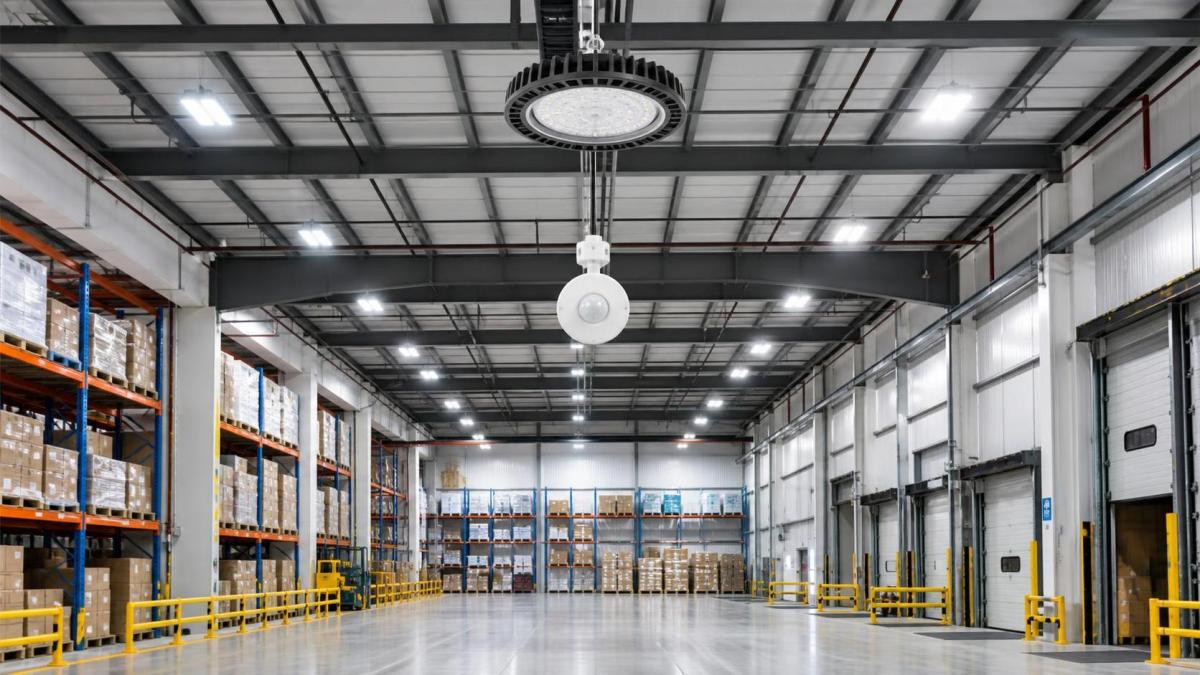
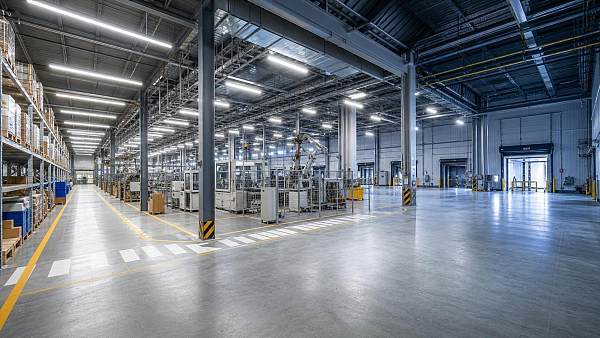
Yes. Energy-efficient lighting rebates are commonly available for industrial facilities, although availability, funding levels, qualifying equipment, and application rules vary by utility territory, government program, and site location. Warehouses, factories, cold-storage buildings, workshops, distribution centers, and other high-hour facilities are frequent candidates because lighting loads can be substantial and LED upgrades can produce measurable electricity reductions.
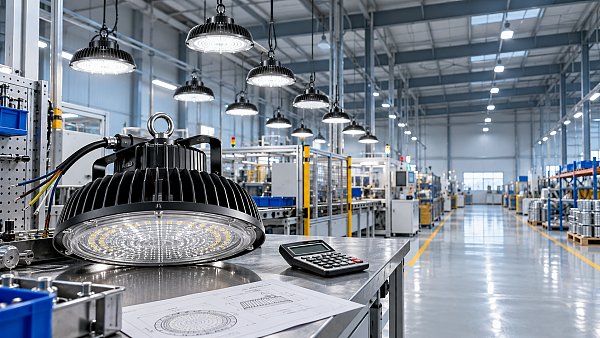
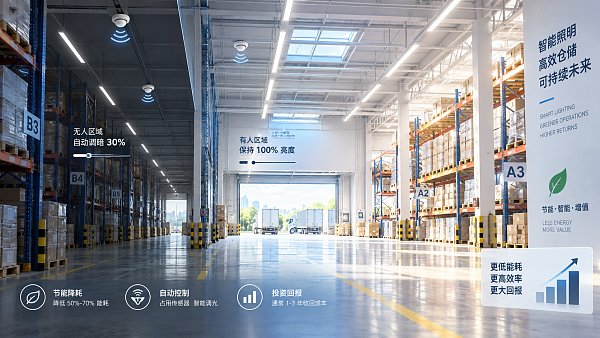
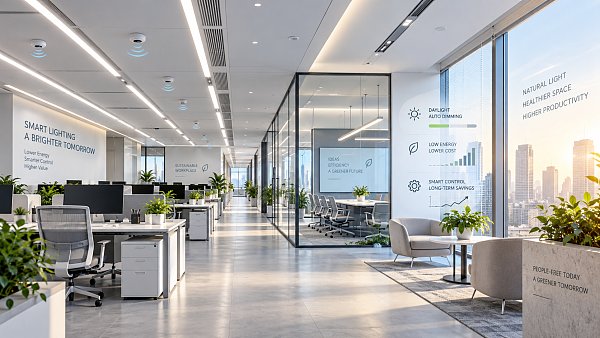
Most incentives are designed to offset a portion of the installed cost of efficient lighting equipment. They may apply to replacement of fluorescent high bays, metal-halide fixtures, high-intensity discharge lamps, linear strip lighting, exterior area lights, and older controls. Some programs also recognize occupancy sensors, daylight harvesting controls, networked lighting controls, and fixture-level dimming when they reduce operating hours or power demand.
The practical answer to “are energy efficient lighting rebates available for industrial facilities?” is therefore usually yes, but only after the proposed project has been matched to a currently open program and its technical requirements. A rebate should be treated as a project condition to verify before purchase orders are released, rather than a credit assumed after installation.
Where Industrial Lighting Incentives Usually Come From
Electric utilities are often the most visible source. Their energy-efficiency portfolios may include prescriptive lighting rebates with a fixed incentive per qualifying fixture, per watt reduced, or per control device. A prescriptive path is generally simpler when the planned equipment falls within listed categories and meets published efficacy, control, and product-list requirements.
For larger or less conventional retrofits, a custom incentive path may be available. This route usually evaluates expected annual energy savings from a documented baseline and a proposed design. Custom treatment can be relevant where fixture types are mixed, the facility has unusual operating schedules, process areas need specialized lighting, or controls form a meaningful part of the savings calculation. It often requires more engineering documentation and a longer approval period.
Regional, municipal, or national energy programs may add another source of funding. In some locations, grants, tax mechanisms, low-interest energy-upgrade financing, or decarbonization funds can apply alongside utility incentives. The rules governing combination vary. A program may permit stacking, limit total public support relative to project cost, or require disclosure of every funding source during application.
Electricity retailers, distribution network operators, industrial development authorities, and building-efficiency initiatives can also administer incentives in certain markets. Because program administration changes over time, the program name alone is not enough evidence of eligibility. Current application documents, published measure lists, funding notices, and the service address must all align.
Eligibility Depends on More Than Buying LED Fixtures
LED technology by itself does not automatically qualify. Programs generally compare the proposed installation with an existing condition or an approved baseline. A warehouse replacing functioning metal-halide high bays may be evaluated differently from a newly constructed facility selecting LED fixtures as part of original construction. New-build projects can have separate baselines tied to local energy codes or program design assumptions.
Ownership and utility-account status also matter. The site may need to receive electricity from the sponsoring utility, be billed under an eligible rate class, or have an active commercial or industrial account. In leased buildings, the applicant may need authorization from the property owner, particularly when fixtures are permanently attached to the building electrical system.
Common technical conditions include:
- Listed fixture categories, such as LED high bays, low bays, linear fixtures, task lights, or exterior luminaires, with minimum efficacy or performance thresholds.
- Evidence that equipment is new and intended for permanent installation at the registered facility rather than portable, temporary, or resale use.
- Controls that meet the program’s definition of occupancy sensing, scheduled control, daylight response, or automatic dimming.
- Installation by an appropriately qualified electrical contractor where local rules or the incentive program require it.
- Retention of invoices, model numbers, cut sheets, photographs, and disposal records for removed lamps or ballasts when requested.
Some rebate schedules distinguish between replacing an existing fixture and installing a complete new luminaire. A LED tube retrofit, for example, may be treated differently from replacing a fluorescent fixture with an integrated LED unit. The difference matters because existing lampholders, ballast bypass wiring, emergency-lighting arrangements, thermal conditions, and future maintenance responsibilities can affect both eligibility and site safety.
In industrial areas exposed to vibration, dust, moisture, chemicals, or frequent washdown, the selected luminaire must suit the environment independently of any rebate rule. A qualifying fixture that lacks the required enclosure, impact resistance, corrosion resistance, temperature rating, or ingress protection may create an operational problem even if it receives an incentive. Lighting specifications should therefore preserve the facility’s environmental and maintenance requirements instead of being narrowed solely to the rebate measure list.

Pre-Approval Is Often the Deciding Step
A recurring project error is ordering equipment before determining whether pre-approval is mandatory. Many programs allow only work started after an approval notice, reservation number, or signed incentive agreement. “Work started” may include more than physical installation. It can mean placing a non-cancellable equipment order, paying a deposit, signing an installation contract, or removing existing fixtures.
Where pre-approval applies, the application should be submitted with sufficient detail to establish the baseline and proposed scope. Useful records normally include a fixture inventory, lighting layout, operating schedule, electricity account information, equipment model numbers, photometric files where relevant, itemized quotations, and the projected installation dates. A facility with several buildings should keep the count and wattage schedule separated by building, zone, and fixture type. This reduces disagreement when the installed quantity differs from the first estimate.
Facility access and production schedules should be addressed early. High-bay replacement can require lifts, aisle closures, rack protection, temporary lighting, electrical isolation, and coordination around loading activity or process operations. Rebate approval does not remove these installation constraints. A project timeline that overlooks them may miss a program deadline or leave approved funds unused.
Baseline Documentation Can Affect the Rebate Value
Industrial lighting inventories should record more than fixture quantity. Each entry benefits from a location reference, current lamp or fixture type, input wattage, mounting height, control condition, estimated annual operating hours, and intended replacement model. Input wattage is particularly important. Lamp wattage does not always equal the power drawn by a legacy system because ballasts, drivers, and auxiliary components consume energy as well.
Operating hours deserve careful treatment. A facility may run around the clock, yet lights in a maintenance bay, packaging lane, storage aisle, office corner, or exterior yard may follow different schedules. Applying one annual-hour value across all areas can overstate savings or trigger questions during review. Time-clock records, building-management-system trends, shift calendars, or documented supervisor observations may provide a stronger basis than a broad estimate.
Controls can change the calculation further. If a proposed LED fixture has lower rated wattage but will operate at full output for the same schedule, the savings calculation is relatively direct. If occupancy controls or daylight dimming are included, the program may use fixed assumptions, require control zoning details, or ask for a calculation method. Sensors mounted too high, aimed poorly, or configured with unsuitable hold times can fail to achieve the expected reduction even when the equipment is eligible.
Photometric design should remain part of the decision. A lower-wattage fixture is not automatically a comparable replacement. Mounting height, beam distribution, spacing, reflectance of ceilings and racks, task-plane requirements, glare, color rendering, and shadows around machinery all affect usable illumination. A lighting layout can identify whether the proposed fixture count and optic package produce adequate uniformity for aisles, picking zones, inspection benches, docks, and emergency egress routes.
Equipment Selection and Procurement Details
Product documentation should be collected before procurement, not reconstructed from shipping cartons after installation. The model number on the quotation must match the model number on the cut sheet, rebate application, invoice, and delivered product. Optional components can alter the actual configuration: voltage range, lens type, sensor package, driver output, surge protection, mounting hardware, and emergency backup can all create variations under one product family.
Supply timing deserves attention where a project requires hundreds of fixtures or specialized optical distributions. A substitution offered because of a supply shortage may not carry the same electrical rating or program qualification. Substitutions should be reviewed against the approved application before they are accepted. The same applies to changes in fixture count, mounting height, control zoning, or installation address.
Shipping and storage affect project readiness. Luminaires, lenses, sensors, and mounting accessories should be inspected on arrival for concealed damage, missing components, and label consistency. Fixtures intended for cold environments or high-temperature production spaces may have handling and startup conditions specified by the manufacturer. Keeping cartons dry, identifying each project zone, and separating approved from non-approved models can prevent installation errors on a compressed shutdown schedule.
Calculating the Business Case Beyond the Rebate
A rebate reduces initial capital cost, but it should not replace a full operating assessment. The electricity component is generally based on the reduction in connected load multiplied by expected operating hours, adjusted for controls where appropriate. Demand charges may also be relevant when lighting contributes to the facility’s peak demand, although the value depends on the tariff and the timing of the load reduction.
Maintenance can be material in high-mounting applications. Replacing lamps, ballasts, or failed fixtures above racking may require lift rental, safety preparation, traffic control, and interrupted access to storage locations. Integrated LED fixtures can reduce routine relamping activity, but driver replacement options, spare-parts availability, warranty terms, and the expected accessibility of future components should be considered at the specification stage.
Lighting quality has operational implications that do not always appear in a utility savings model. Poor glare control can make labels harder to read. Excessive contrast may create visual difficulty at dock doors or between bright work cells and adjacent aisles. In manufacturing areas, flicker behavior, color appearance, and directional distribution can matter for visual inspection. The least expensive qualifying fixture may not be suitable where these conditions are present.
Financial models should separate confirmed values from assumptions. The approved incentive amount may be conditional on final inspection, actual quantities, available program funds, or completion by a stated deadline. Expected energy savings may depend on operating-hour assumptions that change with production schedules. Recording those variables openly gives the project a more reliable basis than combining projected utility savings and potential rebates into one unqualified figure.
Installation, Verification, and Rebate Closeout
Before the retrofit begins, electrical conditions should be reviewed for circuit capacity, voltage compatibility, branch-circuit loading, disconnect requirements, and emergency-lighting integration. Existing wiring may have deteriorated insulation, unsupported conductors, obsolete ballasts, or junction boxes that need correction. These site conditions are often outside the rebate calculation but can affect the final installed cost and schedule.
Commissioning should include more than confirming that every fixture turns on. Controls should be tested in their installed locations, including sensor coverage across rack aisles, time-delay settings, manual override behavior, daylight zones near skylights, and response after power interruption. For networked systems, device addressing, grouping, schedules, and access permissions should be documented so future maintenance does not depend on an installer’s undocumented settings.
Final rebate submissions commonly require paid invoices, proof of payment, final fixture schedules, installation photographs, and confirmation of installed quantities. Programs may conduct a desktop review, request additional records, or inspect the site. Keeping old and new equipment records organized by area makes it easier to respond without delaying payment. Removed lamps, ballasts, and electronic components should be managed through the applicable waste-handling route, especially where older equipment may contain regulated materials.
Common Questions
Can a lighting project receive a rebate after installation?
Some programs allow post-installation applications, while others require approval before equipment is ordered or work begins. The applicable program rules should be confirmed before any binding commitment is made. Retrospective eligibility should never be assumed from a general rebate advertisement.
Do occupancy sensors qualify on their own?
They may qualify when listed as an eligible control measure, but the program may specify sensor type, mounting method, control capability, or compatible lighting equipment. Sensors can also be included only as part of a complete lighting retrofit.
Are exterior yard and loading-dock lights eligible?
They often can be, particularly when replacing older floodlights, wall packs, pole lights, or canopy fixtures. Eligibility may depend on whether the lights are utility-metered, permanently installed, and included in the program’s exterior lighting categories.
What happens if the installed fixture differs from the approved fixture?
The incentive may be recalculated, reduced, or denied if the substitute model does not meet the approved specifications. Documentation should be updated and reviewed before installation whenever a product substitution becomes necessary.
A well-supported industrial lighting rebate claim begins with the actual site condition, follows the program sequence before procurement, and preserves a clear record from fixture survey through commissioning. That discipline protects both incentive eligibility and the performance of the completed lighting system.
Recommended News
 Oct 19, 2026How to calculate payback on energy-saving lighting for factoriesCalculate payback on energy saving lighting for factories using verified costs, savings, and incentives. Explore a worked example and stress-test returns before investing.
 Oct 04, 2026When does smart lighting for retrofit projects deliver payback?Smart lighting for retrofit projects delivers payback through lower energy use, smarter controls, and reduced maintenance. Learn how to build a credible ROI case and choose the right system.
 Sep 25, 2026When does energy efficient lighting pay back its higher upfront cost?Energy efficient lighting payback explained: assess energy savings, maintenance, tariffs, incentives, controls, and ROI to build a confident investment case.
 Sep 22, 2026How energy saving lighting for offices can cut operating costsEnergy saving lighting for offices cuts operating costs through efficient LEDs, smart controls, realistic payback analysis, and lower maintenance needs. Explore practical upgrade strategies.
 Sep 04, 2026Are Energy-Efficient Lighting Rebates Available for Industrial Facilities?Are energy efficient lighting rebates available for industrial facilities? Explore eligibility, pre-approval, LED upgrades, controls, and cost-saving incentive tips.
 Aug 21, 2026Do LED lights with low power consumption really cut electricity costsLED lights low power consumption can lower electricity bills, but real savings depend on brightness, usage hours, and quality. Learn how to choose LEDs that cut costs and last longer.
 Jul 20, 2026How Much Does Energy Efficient Lighting Cost and When Does It Pay Off?Energy efficient lighting cost is more than fixture price. Learn what drives payback, hidden lifecycle costs, and when LED upgrades deliver the strongest return.
 Jul 19, 2026How to Choose LED Lights for Cold Storage: Temperature, IP Rating, and EfficiencyLED lights for cold storage: learn how to choose the right fixtures by comparing temperature tolerance, IP rating, visibility, and efficiency for safer, longer-lasting performance.
 Jul 10, 2026Lighting Cost Breakdown: Equipment, Installation, Energy Use, and MaintenanceLighting cost explained from equipment and installation to energy use and maintenance. Compare total ownership factors, avoid hidden expenses, and make smarter buying decisions.
 Jul 08, 2026Custom Lighting for Commercial Projects: How to Specify Output, Beam Angle, and ControlsLighting custom for commercial projects made practical: learn how to specify output, beam angle, and controls to improve performance, reduce risk, and make smarter buying decisions.
 Jul 06, 2026LED Lights Wholesale: How to Check MOQ, Warranty Terms, and Price BreaksLED lights wholesale made simple: learn how to verify MOQ, warranty terms, and price breaks to reduce sourcing risk, protect margins, and choose suppliers with confidence.
 Jul 06, 2026Intelligent Lighting for Factories: Which Control Features Improve Safety and Efficiency?Intelligent lighting for factories improves safety, cuts energy waste, and supports smoother workflows with motion sensing, zoning, daylight control, and emergency-ready features.
 Jul 04, 2026Smart Living for Smart Lighting: Which Controls and Sensors Fit Each Room?Smart living for smart lighting made simple: discover the best controls and sensors for every room to improve comfort, safety, and energy savings with smarter home planning.
 Jul 03, 2026UL Listed Lighting System Requirements: What to Check for Commercial ProjectsUL listed lighting system checks can make or break commercial approvals. Learn what to verify in listings, controls, ratings, and documents to avoid delays and compliance risk.
 Jul 02, 2026LED Lights Lumen Output Explained: How to Compare Brightness Across FixturesLED lights lumen output explained in a clear, practical guide. Learn how to compare fixture brightness, beam spread, efficiency, and color temperature before you buy.
 Jul 01, 2026Commercial LED Lighting in the Middle East: What to Check Before SpecificationCommercial LED lighting Middle East projects need more than price checks. Learn how to verify heat, dust, power, optics, compliance, and maintenance before specification.
 Jun 29, 2026Industrial Lighting Selection Guide: Beam Angle, IP Rating, and Energy Use by Facility TypeIndustrial lighting guide for smarter facility upgrades: compare beam angle, IP rating, and energy use by warehouse, manufacturing, washdown, and outdoor site needs.
 Jun 23, 2026UV Nail Lamps Explained: Wattage, Timer, and Gel Compatibility Before You BuyUVnaillamps explained: compare wattage, timer settings, and gel compatibility to avoid curing issues, choose the right lamp faster, and get smoother, longer-lasting gel manicure results.
 Jun 22, 2026Why LED Lights with Low Heat Emission Work Better for Display Cases and Tight SpacesLED lights low heat emission solutions help display cases and tight spaces stay cooler, safer, and more visually stable. Discover why they improve protection, performance, and long-term efficiency.
 Jun 21, 2026Lighting Technology Analysis for Commercial Spaces: Efficacy, CRI, and Control CompatibilityLighting technology analysis for commercial spaces: compare efficacy, CRI, and control compatibility to cut costs, improve visual quality, and choose smarter future-ready lighting systems.
 Jun 19, 2026Lighting Sourcing Checklist: How to Compare Suppliers, Certifications, and MOQLighting sourcing made simple: compare suppliers, certifications, MOQ, lead times, and quality risks before choosing a quote. Use this checklist to source smarter and avoid costly mistakes.
 Jun 15, 2026How to Use Lighting in Small Rooms: Placement Tips, Layering, and Common MistakesHow to use lighting in small rooms: discover smart placement, layered lighting ideas, bulb tips, and common mistakes to avoid for a brighter, bigger-feeling space.
 Jun 05, 2026How to Evaluate a Lighting Exporter: Certifications, MOQ, Lead Time, and QA ChecklistLighting exporter evaluation starts with certifications, MOQ, lead time, and QA. Use this practical checklist to reduce sourcing risk, protect margins, and choose reliable partners.
![]() May 23, 2026Smart street lighting now matters beyond energy savingsSmart street lighting for urban areas now goes beyond energy savings—improving safety, maintenance efficiency, and smart city readiness. Discover the long-term ROI and strategic value.
May 23, 2026Smart street lighting now matters beyond energy savingsSmart street lighting for urban areas now goes beyond energy savings—improving safety, maintenance efficiency, and smart city readiness. Discover the long-term ROI and strategic value.