


Search News
Global Industrial Intelligence Hub (GIIH)Industry Portal
Global Industrial Intelligence Hub (GIIH)Status
Standard Access
Upgrade to PremiumNewsWhen does smart lighting for retrofit projects deliver payback?
Time
Click Count
Smart lighting for retrofit projects delivers payback when the building has enough operating hours, enough wasted light, and enough maintenance burden for controls to change the cost base rather than simply add technology. Replacing legacy lamps with LEDs can reduce electricity use on its own. Adding occupancy sensing, daylight response, scheduling, and remote monitoring can improve the result, but only where those functions match how the space is actually used.
The approval question is therefore not “Will smart lighting save energy?” It is whether the added cost of sensors, controls, commissioning, networking, and support will be recovered within the organization’s required investment horizon. A sound retrofit proposal separates the savings that come from efficient luminaires from the savings that depend on operating behavior. That distinction prevents a common mistake: crediting the control system for savings that a basic LED replacement would have achieved anyway.
Payback is strongest where lighting is used for long hours or left on unnecessarily
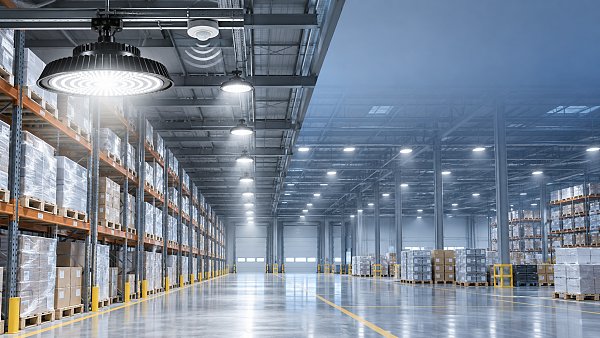
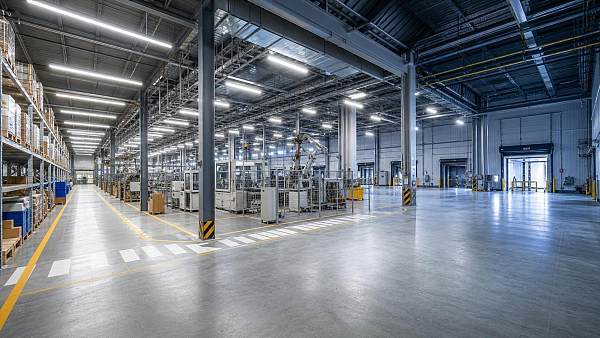
Hours of operation are the first filter. A warehouse running extended shifts, a parking facility, a hospital corridor, a school used across evenings, or a large office with irregular occupancy usually offers more control opportunity than a small space used for a predictable daytime schedule. The longer lights operate, the more valuable each reduction in wattage and runtime becomes.
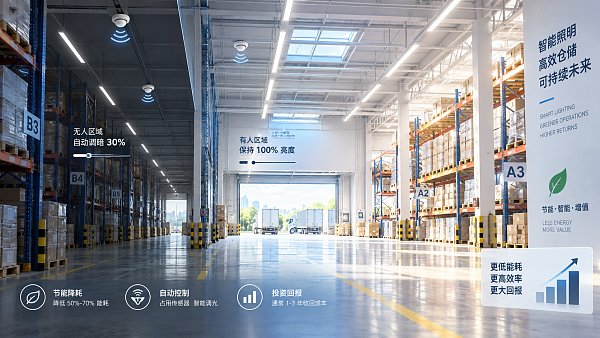
Smart controls become especially persuasive when lighting use does not track actual need. In storage aisles, loading bays, meeting rooms, washrooms, stairwells, utility spaces, and perimeter areas, lights are often switched on for safety or convenience and remain on after people leave. Occupancy or vacancy controls can reduce this wasted runtime without requiring staff to remember switches. In areas with windows or rooflights, daylight harvesting can lower artificial-light output when natural light is sufficient.
By contrast, a simple, consistently occupied room with little daylight and a short daily operating window may not justify a sophisticated system. A standard LED retrofit with local switching may provide the better return. Smart lighting is not automatically the highest-value specification; it must address a measurable operating problem.
Calculate the investment in layers, not as one headline figure
A credible business case starts by separating the project into components. This makes it easier to compare supplier proposals and identify where cost is genuinely creating value.
The basic calculation is straightforward: divide the fully installed project cost by the annual net benefit. The difficulty lies in defining “fully installed” and “net.” A model that includes only fixture costs and estimated energy savings is incomplete. It may produce an attractive headline payback while omitting commissioning labor, control hardware, platform fees, or the internal effort required to manage a connected system.
For capital review, it is usually more useful to show three cases than one optimistic forecast: a conservative case with limited control savings, an expected case based on realistic operating patterns, and an upside case if schedules, occupancy behavior, and incentives align. The conservative case should be viable on its own. The upside case should support the decision, not carry it.
Where controls add value beyond LED replacement
LED efficiency is relatively easy to estimate because it is linked to the difference between old and new connected load. Control savings are more conditional. They depend on whether lights can safely be dimmed or switched off, how often spaces are empty, the availability of daylight, and whether users will override the settings.
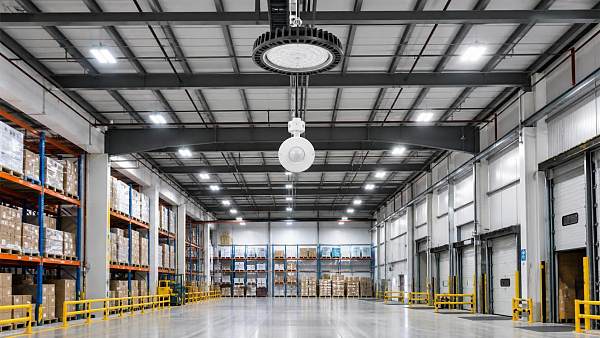
Occupancy sensing generally has the clearest role in intermittently used zones. Its value is lower in continuously occupied production areas, busy open-plan workspaces, or locations where sensors may be blocked by racking, machinery, partitions, or door geometry. A sensor placed where it cannot detect approach from a corridor can cause nuisance switching, complaints, and eventual overrides. That is an operational failure as well as an ROI failure.
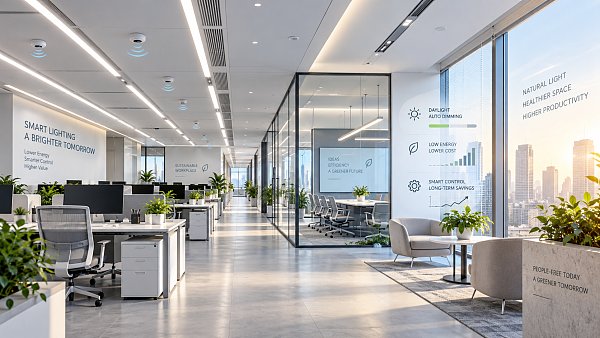
Daylight-responsive control can work well near façades, atriums, skylights, and rooflights, but the lighting layout must be zoned accordingly. Treating a whole floor as one daylight zone rarely produces a refined result. Rows close to windows often need separate control from interior rows. The design also needs sensible minimum light levels so that a passing cloud does not create visible and distracting changes in brightness.
Scheduling is frequently the least expensive smart feature with the broadest potential effect. It is valuable where facilities have known opening hours but lights are routinely left on overnight, during holidays, or after a shift ends. A schedule should still allow controlled override for cleaning, security, overtime work, and maintenance. A rigid system that frustrates users will be bypassed.
Task tuning is less visible but often important. Many existing spaces are overlit because fixtures were selected for a different layout, an earlier standard of work, or a precautionary design margin. Setting appropriate light levels after installation can reduce consumption while maintaining visibility and comfort. It should not mean indiscriminate dimming. Work requiring inspection, safe movement, color evaluation, or detailed assembly may have different lighting needs from circulation or storage.
The retrofit conditions that can delay payback
Control-rich systems can disappoint when the project begins with an inaccurate site survey. Fixture counts, lamp types, actual wattage, switching circuits, ceiling heights, access constraints, emergency-lighting arrangements, and local electrical conditions all affect cost and design. A proposal built from drawings alone may overlook changes made over years of occupancy.
Installation disruption also deserves more attention than it often receives. Work performed during operating hours may require phased access, temporary lighting, additional safety controls, or production coordination. Work outside normal hours may increase labor cost. In healthcare, logistics, food handling, and active manufacturing settings, the cost of access and downtime can exceed the price difference between two control products.
Another problem is buying a platform that is too complex for the intended use. A facility that only needs automatic after-hours shutoff and basic occupancy response may not benefit from a feature-heavy cloud system with extensive analytics. Conversely, a multi-building organization may gain genuine value from centralized visibility, fault reporting, standardized schedules, and portfolio-level energy management. The right level of intelligence depends on who will operate the system after handover.
Interoperability should be treated as a commercial risk, not merely a technical detail. Proprietary devices, unclear data ownership, limited replacement options, and dependence on one installer can increase future costs. Procurement documents should ask how failed components are replaced, whether the controls can be reconfigured after a layout change, what happens if software terms change, and which functions continue if a gateway or internet connection is unavailable.
Use a baseline that reflects real operating patterns
Smart lighting payback is often overstated because the baseline assumes that every existing light runs at full output for the same number of hours. Buildings rarely operate so neatly. Some circuits are already switched off reliably. Other areas may have manual habits that reduce waste. Some fixtures may be partly failed, which makes historical consumption look lower than normal operation would require.
Start with utility data, but validate it with a physical survey and representative operating observations. The goal is not to create a perfect model. It is to avoid relying on assumptions that materially change the approval decision. For a large site, temporary logging or a pilot area can reveal whether occupancy patterns, daylight availability, and switching practices support the expected control strategy.
Baseline work also needs to account for changes unrelated to lighting. A planned shift reduction, warehouse reconfiguration, office consolidation, or equipment upgrade can change energy use after the retrofit. Without documenting these changes, later savings claims become difficult to interpret. The project may still be worthwhile, but the financial case should not depend on a comparison that cannot be explained.
Incentives improve the case, but should not hide a weak one
Utility incentives, tax treatment, grants, or demand-management programs can reduce the initial capital requirement. They can move a marginal project into an acceptable payback range, particularly where high-quality controls carry a meaningful installation premium. Their role should be transparent in the financial model: show the project economics before incentives, then show the impact after confirmed support is applied.
This approach matters because incentive timing, documentation rules, eligible equipment, and completion requirements can affect cash flow. A project should not appear self-funding if the organization must carry the full cost for an extended period. It is also prudent to avoid selecting controls solely because they fit an incentive category when a simpler configuration would better suit the site.
Maintenance savings are real only when they are captured
Longer-lived LED equipment can reduce relamping, lift access, disposal, and service interruptions. Remote fault reporting can help maintenance teams locate failed drivers, sensors, or fixtures without routine visual inspections. These benefits are most meaningful in high ceilings, exterior areas, large campuses, and spaces where access requires permits or operational disruption.
However, maintenance savings should not be counted as cash savings merely because fewer failures are expected. If the work is performed by salaried in-house staff who will remain fully occupied, the benefit may be better described as capacity released for other work. If a maintenance contractor is paid per visit or per replacement, savings may be more directly measurable. The business case should state which type of benefit applies.
What a procurement-ready proposal should prove
A strong proposal does not need extravagant technical detail. It needs enough evidence to show that the selected system is proportionate to the building and that savings can be checked after installation. The most useful package normally includes:
- A room-by-room or zone-by-zone schedule showing existing and proposed fixtures, controls, operating assumptions, and intended light levels.
- A clear division between LED efficiency savings and control savings, with each control assumption linked to a specific operating condition.
- A fully installed cost that includes design, installation, access, programming, testing, handover, and any recurring system charges.
- A description of the commissioning process, including sensor placement, time delays, dimming settings, override rules, and user acceptance.
- A post-installation measurement plan that compares consumption and operating conditions over a defined period.
- A support and replacement approach that explains responsibilities, warranty boundaries, software access, and future reconfiguration costs.
These requirements also make supplier comparisons more meaningful. One quote may appear cheaper because it assumes existing wiring can be reused, excludes gateway hardware, omits commissioning, or provides a shorter support scope. Another may include a more durable delivery model but look expensive until the scope is normalized.
Approve the right level of smart lighting
The best retrofit is not necessarily the one with the most sensors, data points, or automated features. It is the one that reduces avoidable cost while preserving safety, task performance, occupant comfort, and operational flexibility. In some buildings, that means a straightforward LED upgrade with scheduled shutoff. In others, particularly spaces with variable occupancy, daylight exposure, difficult maintenance access, or multiple locations, a connected lighting system can create a more convincing long-term return.
Before approval, test one central question: if the controls were removed from the proposal, which identified costs would return? If the answer is substantial wasted runtime, avoidable after-hours use, unnecessary light output, or expensive maintenance visits, the smart layer has a clear purpose. If the answer is vague, reduce the scope, simplify the controls, or strengthen the site evidence before committing capital.
Recommended News
 Oct 04, 2026When does smart lighting for retrofit projects deliver payback?Smart lighting for retrofit projects delivers payback through lower energy use, smarter controls, and reduced maintenance. Learn how to build a credible ROI case and choose the right system.
 Sep 25, 2026When does energy efficient lighting pay back its higher upfront cost?Energy efficient lighting payback explained: assess energy savings, maintenance, tariffs, incentives, controls, and ROI to build a confident investment case.
 Sep 22, 2026How energy saving lighting for offices can cut operating costsEnergy saving lighting for offices cuts operating costs through efficient LEDs, smart controls, realistic payback analysis, and lower maintenance needs. Explore practical upgrade strategies.
 Sep 04, 2026Are Energy-Efficient Lighting Rebates Available for Industrial Facilities?Are energy efficient lighting rebates available for industrial facilities? Explore eligibility, pre-approval, LED upgrades, controls, and cost-saving incentive tips.
 Aug 21, 2026Do LED lights with low power consumption really cut electricity costsLED lights low power consumption can lower electricity bills, but real savings depend on brightness, usage hours, and quality. Learn how to choose LEDs that cut costs and last longer.
 Jul 20, 2026How Much Does Energy Efficient Lighting Cost and When Does It Pay Off?Energy efficient lighting cost is more than fixture price. Learn what drives payback, hidden lifecycle costs, and when LED upgrades deliver the strongest return.
 Jul 19, 2026How to Choose LED Lights for Cold Storage: Temperature, IP Rating, and EfficiencyLED lights for cold storage: learn how to choose the right fixtures by comparing temperature tolerance, IP rating, visibility, and efficiency for safer, longer-lasting performance.
 Jul 10, 2026Lighting Cost Breakdown: Equipment, Installation, Energy Use, and MaintenanceLighting cost explained from equipment and installation to energy use and maintenance. Compare total ownership factors, avoid hidden expenses, and make smarter buying decisions.
 Jul 08, 2026Custom Lighting for Commercial Projects: How to Specify Output, Beam Angle, and ControlsLighting custom for commercial projects made practical: learn how to specify output, beam angle, and controls to improve performance, reduce risk, and make smarter buying decisions.
 Jul 06, 2026LED Lights Wholesale: How to Check MOQ, Warranty Terms, and Price BreaksLED lights wholesale made simple: learn how to verify MOQ, warranty terms, and price breaks to reduce sourcing risk, protect margins, and choose suppliers with confidence.
 Jul 06, 2026Intelligent Lighting for Factories: Which Control Features Improve Safety and Efficiency?Intelligent lighting for factories improves safety, cuts energy waste, and supports smoother workflows with motion sensing, zoning, daylight control, and emergency-ready features.
 Jul 04, 2026Smart Living for Smart Lighting: Which Controls and Sensors Fit Each Room?Smart living for smart lighting made simple: discover the best controls and sensors for every room to improve comfort, safety, and energy savings with smarter home planning.
 Jul 03, 2026UL Listed Lighting System Requirements: What to Check for Commercial ProjectsUL listed lighting system checks can make or break commercial approvals. Learn what to verify in listings, controls, ratings, and documents to avoid delays and compliance risk.
 Jul 02, 2026LED Lights Lumen Output Explained: How to Compare Brightness Across FixturesLED lights lumen output explained in a clear, practical guide. Learn how to compare fixture brightness, beam spread, efficiency, and color temperature before you buy.
 Jul 01, 2026Commercial LED Lighting in the Middle East: What to Check Before SpecificationCommercial LED lighting Middle East projects need more than price checks. Learn how to verify heat, dust, power, optics, compliance, and maintenance before specification.
 Jun 29, 2026Industrial Lighting Selection Guide: Beam Angle, IP Rating, and Energy Use by Facility TypeIndustrial lighting guide for smarter facility upgrades: compare beam angle, IP rating, and energy use by warehouse, manufacturing, washdown, and outdoor site needs.
 Jun 23, 2026UV Nail Lamps Explained: Wattage, Timer, and Gel Compatibility Before You BuyUVnaillamps explained: compare wattage, timer settings, and gel compatibility to avoid curing issues, choose the right lamp faster, and get smoother, longer-lasting gel manicure results.
 Jun 22, 2026Why LED Lights with Low Heat Emission Work Better for Display Cases and Tight SpacesLED lights low heat emission solutions help display cases and tight spaces stay cooler, safer, and more visually stable. Discover why they improve protection, performance, and long-term efficiency.
 Jun 21, 2026Lighting Technology Analysis for Commercial Spaces: Efficacy, CRI, and Control CompatibilityLighting technology analysis for commercial spaces: compare efficacy, CRI, and control compatibility to cut costs, improve visual quality, and choose smarter future-ready lighting systems.
 Jun 19, 2026Lighting Sourcing Checklist: How to Compare Suppliers, Certifications, and MOQLighting sourcing made simple: compare suppliers, certifications, MOQ, lead times, and quality risks before choosing a quote. Use this checklist to source smarter and avoid costly mistakes.
 Jun 15, 2026How to Use Lighting in Small Rooms: Placement Tips, Layering, and Common MistakesHow to use lighting in small rooms: discover smart placement, layered lighting ideas, bulb tips, and common mistakes to avoid for a brighter, bigger-feeling space.
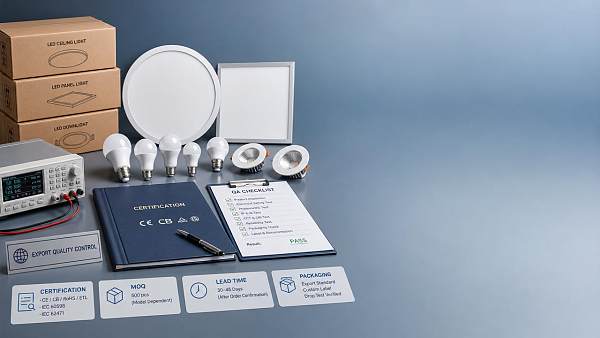
 Jun 05, 2026How to Evaluate a Lighting Exporter: Certifications, MOQ, Lead Time, and QA ChecklistLighting exporter evaluation starts with certifications, MOQ, lead time, and QA. Use this practical checklist to reduce sourcing risk, protect margins, and choose reliable partners.
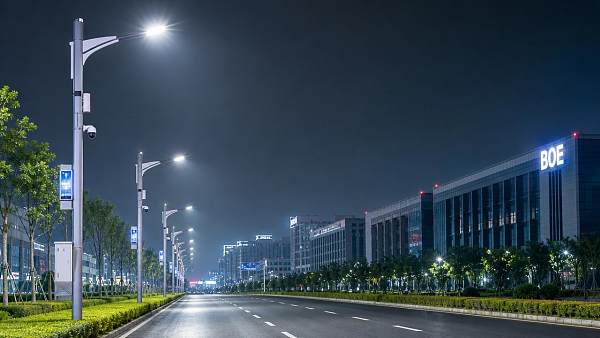
![]() May 23, 2026Smart street lighting now matters beyond energy savingsSmart street lighting for urban areas now goes beyond energy savings—improving safety, maintenance efficiency, and smart city readiness. Discover the long-term ROI and strategic value.
May 23, 2026Smart street lighting now matters beyond energy savingsSmart street lighting for urban areas now goes beyond energy savings—improving safety, maintenance efficiency, and smart city readiness. Discover the long-term ROI and strategic value. May 22, 2026Do smart street lights cut energy costs enough to matter?Smart street lighting energy-saving solutions cut power and maintenance costs through LEDs, dimming, and remote monitoring. See when the savings are material enough to justify investment.