


Search News
Global Industrial Intelligence Hub (GIIH)Industry Portal
Global Industrial Intelligence Hub (GIIH)Status
Standard Access
Upgrade to PremiumNewsLED Lights Lumen Output Explained: How to Compare Brightness Across Fixtures
Time
Click Count
Understanding LED lights lumen output is the most reliable starting point when comparing brightness across fixtures. Wattage still matters for energy use, but it no longer tells the full story.
That shift is especially important in intelligent lighting, where design, optics, controls, and application shape real performance. For platforms such as GIIH, which track smart living systems and industrial trends, lumen literacy is part of better decision-making.
What lumen output actually measures
Lumens measure the total visible light a lamp or fixture emits. In simple terms, LED lights lumen output tells you how much light is produced, not how much electricity is consumed.
This matters because older buying habits were built around incandescent bulbs. People learned to associate higher watts with brighter light, but LED technology broke that shortcut.
A 10-watt LED may look brighter than a much higher wattage legacy lamp. The reason is efficiency, but also fixture design, driver quality, and optical control.
When product pages emphasize wattage first, comparisons become misleading. Looking at LED lights lumen output puts brightness back into a measurable, usable context.
Why the market pays closer attention to lumens now
Lighting is no longer just about turning a room on or off. It sits inside broader conversations about energy efficiency, smart homes, retail presentation, workplace comfort, and sustainability.
In that environment, brightness has to be evaluated alongside operating cost and user experience. Lumen output becomes a shared reference point across brands, fixture types, and installation goals.
This is also where GIIH’s industry perspective becomes relevant. Intelligent lighting is part of a wider smart living ecosystem, and clear performance metrics reduce noise in a crowded market.
From global supply chains to consumer product labeling, better lighting data helps buyers compare options with more confidence. It also supports more transparent conversations between design, sales, and end use.
Brightness is not only about the lumen number
A fixture with higher lumens is not automatically the better choice. Total light output matters, but how that light is distributed often matters just as much.
A narrow beam can feel intense in one area, while a diffused fixture can create softer coverage across a larger space. Both may have similar LED lights lumen output.
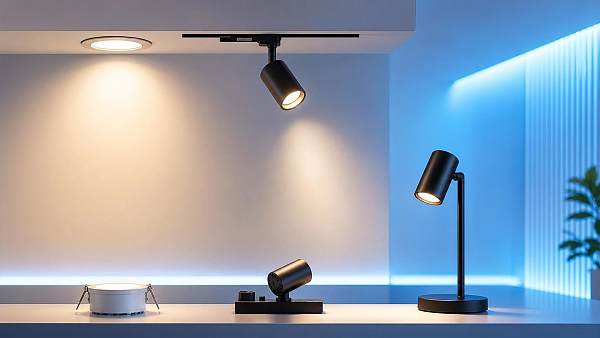
Mounting height changes perception too. Ceiling lights, wall sconces, track heads, desk lamps, and shop lights may carry similar lumen values but deliver very different results.
Color temperature also shapes what people describe as bright. Cooler light often appears crisper, while warmer light feels softer even when lumen output is comparable.
Lumens versus useful light
Some fixtures lose part of their light inside shades, lenses, or reflectors. That means rated lumens and perceived brightness at the task area are not always identical.
For practical comparison, look for delivered light, beam spread, and fixture efficiency when available. These details make LED lights lumen output more meaningful in real rooms.
How to compare LED fixtures without guesswork
A useful comparison starts with several parameters together, not one headline number. Lumens are central, but they work best as part of a short checklist.
Usually, the cleanest method is to compare fixtures intended for the same job. A recessed downlight should be compared with another downlight, not with a decorative pendant.
Typical lumen ranges by setting
Lumen needs change with the activity, room size, ceiling height, and finish materials. Dark surfaces absorb more light, while pale finishes reflect more of it back.
The figures below are not universal rules. They are practical reference points for interpreting LED lights lumen output in common environments.
Where consumers often misread fixture labels
One common mistake is comparing bare bulbs with integrated fixtures as though the numbers mean exactly the same thing. Fixture construction can change how much usable light reaches the room.
Another issue appears with oversized spaces. A single fixture with strong LED lights lumen output may still leave shadows or uneven brightness if the layout is wrong.
Packaging language can also blur the picture. Terms such as daylight bright, ultra bright, or equivalent replacement are helpful only when paired with clear lumen values.
Smart lighting adds another layer
Dimmable and connected fixtures may advertise a maximum lumen value, yet daily use often happens at lower output settings. That is not a flaw, but it changes how brightness should be judged.
In smart living systems, flexibility can be more valuable than chasing the highest number. The right fixture supports scenes, comfort, and timing without wasting energy.
A practical way to judge value
The best buying decision usually balances five things: lumen output, efficiency, distribution, visual comfort, and expected use time. Ignoring any one of these can distort the result.
- Start with the room or task, not the package claim.
- Use LED lights lumen output to compare likely brightness.
- Check beam angle and fixture type for coverage.
- Review color temperature for the intended mood or clarity.
- Estimate annual energy use if lights stay on for long periods.
This approach is useful in homes, offices, hospitality spaces, and stores. It also reflects a broader market shift toward measurable performance rather than vague brightness promises.
Why this matters beyond a single purchase
Lighting choices now sit at the intersection of comfort, cost, and sustainability. Better understanding of LED lights lumen output supports lower waste, smarter replacements, and more consistent results.
That is one reason industrial intelligence platforms track lighting with more precision. Product standards, supply chain quality, and smart system adoption all depend on clear, comparable technical language.
The next useful step is to define the setting, shortlist similar fixtures, and compare lumens alongside beam spread, color temperature, and energy draw. That method turns brightness from a guess into a practical decision.
Recommended News
 Sep 25, 2026When does energy efficient lighting pay back its higher upfront cost?Energy efficient lighting payback explained: assess energy savings, maintenance, tariffs, incentives, controls, and ROI to build a confident investment case.
 Sep 22, 2026How energy saving lighting for offices can cut operating costsEnergy saving lighting for offices cuts operating costs through efficient LEDs, smart controls, realistic payback analysis, and lower maintenance needs. Explore practical upgrade strategies.
 Sep 04, 2026Are Energy-Efficient Lighting Rebates Available for Industrial Facilities?Are energy efficient lighting rebates available for industrial facilities? Explore eligibility, pre-approval, LED upgrades, controls, and cost-saving incentive tips.
 Aug 21, 2026Do LED lights with low power consumption really cut electricity costsLED lights low power consumption can lower electricity bills, but real savings depend on brightness, usage hours, and quality. Learn how to choose LEDs that cut costs and last longer.
 Jul 20, 2026How Much Does Energy Efficient Lighting Cost and When Does It Pay Off?Energy efficient lighting cost is more than fixture price. Learn what drives payback, hidden lifecycle costs, and when LED upgrades deliver the strongest return.
 Jul 19, 2026How to Choose LED Lights for Cold Storage: Temperature, IP Rating, and EfficiencyLED lights for cold storage: learn how to choose the right fixtures by comparing temperature tolerance, IP rating, visibility, and efficiency for safer, longer-lasting performance.
 Jul 10, 2026Lighting Cost Breakdown: Equipment, Installation, Energy Use, and MaintenanceLighting cost explained from equipment and installation to energy use and maintenance. Compare total ownership factors, avoid hidden expenses, and make smarter buying decisions.
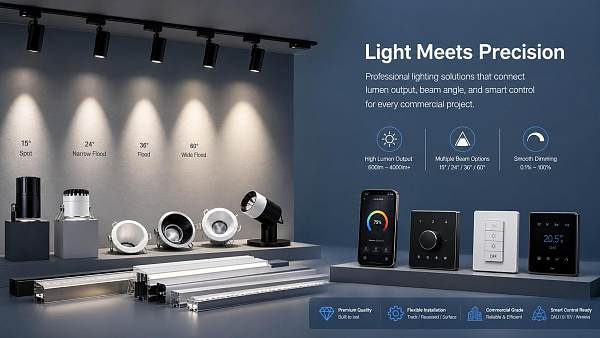
 Jul 08, 2026Custom Lighting for Commercial Projects: How to Specify Output, Beam Angle, and ControlsLighting custom for commercial projects made practical: learn how to specify output, beam angle, and controls to improve performance, reduce risk, and make smarter buying decisions.
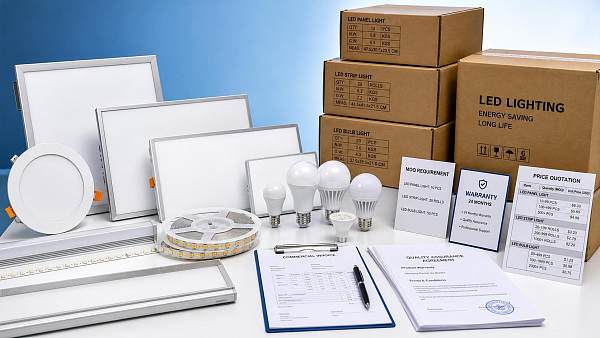
 Jul 06, 2026LED Lights Wholesale: How to Check MOQ, Warranty Terms, and Price BreaksLED lights wholesale made simple: learn how to verify MOQ, warranty terms, and price breaks to reduce sourcing risk, protect margins, and choose suppliers with confidence.
 Jul 06, 2026Intelligent Lighting for Factories: Which Control Features Improve Safety and Efficiency?Intelligent lighting for factories improves safety, cuts energy waste, and supports smoother workflows with motion sensing, zoning, daylight control, and emergency-ready features.
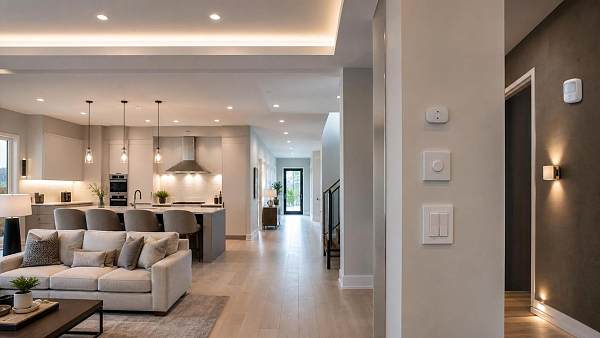
 Jul 04, 2026Smart Living for Smart Lighting: Which Controls and Sensors Fit Each Room?Smart living for smart lighting made simple: discover the best controls and sensors for every room to improve comfort, safety, and energy savings with smarter home planning.
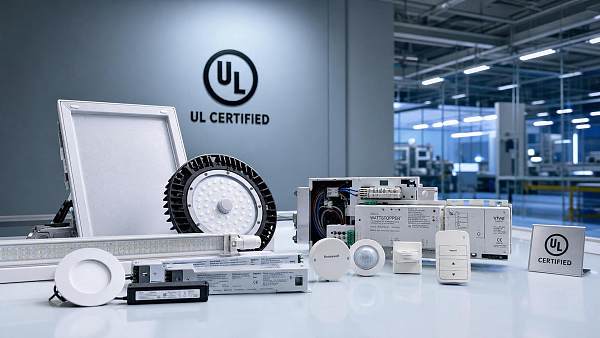
 Jul 03, 2026UL Listed Lighting System Requirements: What to Check for Commercial ProjectsUL listed lighting system checks can make or break commercial approvals. Learn what to verify in listings, controls, ratings, and documents to avoid delays and compliance risk.
 Jul 02, 2026LED Lights Lumen Output Explained: How to Compare Brightness Across FixturesLED lights lumen output explained in a clear, practical guide. Learn how to compare fixture brightness, beam spread, efficiency, and color temperature before you buy.
 Jul 01, 2026Commercial LED Lighting in the Middle East: What to Check Before SpecificationCommercial LED lighting Middle East projects need more than price checks. Learn how to verify heat, dust, power, optics, compliance, and maintenance before specification.
 Jun 29, 2026Industrial Lighting Selection Guide: Beam Angle, IP Rating, and Energy Use by Facility TypeIndustrial lighting guide for smarter facility upgrades: compare beam angle, IP rating, and energy use by warehouse, manufacturing, washdown, and outdoor site needs.
 Jun 23, 2026UV Nail Lamps Explained: Wattage, Timer, and Gel Compatibility Before You BuyUVnaillamps explained: compare wattage, timer settings, and gel compatibility to avoid curing issues, choose the right lamp faster, and get smoother, longer-lasting gel manicure results.
 Jun 22, 2026Why LED Lights with Low Heat Emission Work Better for Display Cases and Tight SpacesLED lights low heat emission solutions help display cases and tight spaces stay cooler, safer, and more visually stable. Discover why they improve protection, performance, and long-term efficiency.
 Jun 21, 2026Lighting Technology Analysis for Commercial Spaces: Efficacy, CRI, and Control CompatibilityLighting technology analysis for commercial spaces: compare efficacy, CRI, and control compatibility to cut costs, improve visual quality, and choose smarter future-ready lighting systems.
 Jun 19, 2026Lighting Sourcing Checklist: How to Compare Suppliers, Certifications, and MOQLighting sourcing made simple: compare suppliers, certifications, MOQ, lead times, and quality risks before choosing a quote. Use this checklist to source smarter and avoid costly mistakes.
 Jun 15, 2026How to Use Lighting in Small Rooms: Placement Tips, Layering, and Common MistakesHow to use lighting in small rooms: discover smart placement, layered lighting ideas, bulb tips, and common mistakes to avoid for a brighter, bigger-feeling space.
 Jun 05, 2026How to Evaluate a Lighting Exporter: Certifications, MOQ, Lead Time, and QA ChecklistLighting exporter evaluation starts with certifications, MOQ, lead time, and QA. Use this practical checklist to reduce sourcing risk, protect margins, and choose reliable partners.
![]() May 23, 2026Smart street lighting now matters beyond energy savingsSmart street lighting for urban areas now goes beyond energy savings—improving safety, maintenance efficiency, and smart city readiness. Discover the long-term ROI and strategic value.
May 23, 2026Smart street lighting now matters beyond energy savingsSmart street lighting for urban areas now goes beyond energy savings—improving safety, maintenance efficiency, and smart city readiness. Discover the long-term ROI and strategic value. May 22, 2026Do smart street lights cut energy costs enough to matter?Smart street lighting energy-saving solutions cut power and maintenance costs through LEDs, dimming, and remote monitoring. See when the savings are material enough to justify investment.
 May 21, 2026Are smart street lights really the lower cost optionSmart street lighting cost-effective solutions can cut energy and maintenance costs, but only in the right projects. See when smart street lights deliver true lifecycle savings.