


Search News
Global Industrial Intelligence Hub (GIIH)Industry Portal
Global Industrial Intelligence Hub (GIIH)Status
Standard Access
Upgrade to PremiumNewsLighting Cost Breakdown: Equipment, Installation, Energy Use, and Maintenance
Time
Click Count
Lighting cost is rarely a single number. In most projects, it is a layered decision covering fixture price, controls, installation labor, electricity demand, and the long tail of maintenance.
That is why the topic matters across commercial, industrial, logistics, medical, and smart building environments. A low purchase price can still lead to a high total cost if energy use, downtime, or replacement cycles are underestimated.
From the perspective of industrial intelligence, lighting cost also reflects broader market shifts. GIIH tracks how supply chains, sustainability targets, and intelligent controls are changing procurement logic far beyond the lamp itself.
What lighting cost really includes
In practice, lighting cost should be read as total cost of ownership rather than equipment price alone. The budget starts with visible items, but the bigger impact often appears later.
A complete view usually includes fixtures, drivers, sensors, controls, emergency components, mounting accessories, wiring, commissioning, operating energy, and service requirements.
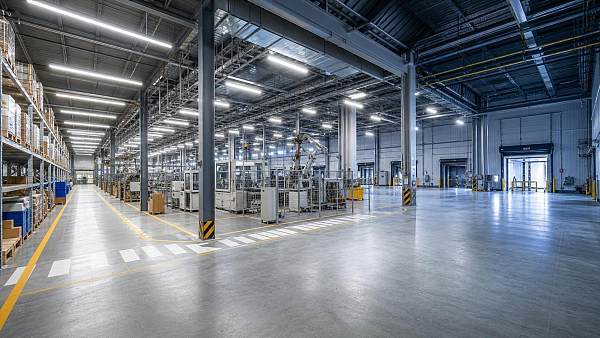
This broader definition is especially useful in facilities with long operating hours. Warehouses, hospitals, production sites, and retail chains can see small efficiency differences become major annual cost gaps.
The four main cost layers
Equipment pricing is only the starting point
Equipment cost varies by technology, application, compliance, and brand positioning. LED products dominate most new projects, but pricing still differs widely because not all LED systems are built the same way.
Optical quality, thermal design, ingress protection, color consistency, driver life, dimming compatibility, and control readiness all affect the quoted price. A lower unit cost may signal limits that appear later in operation.
This is especially relevant in sectors GIIH follows closely. Medical spaces, cold storage, automotive workshops, and e-commerce logistics hubs each require different lighting performance and durability thresholds.
Typical equipment factors behind lighting cost
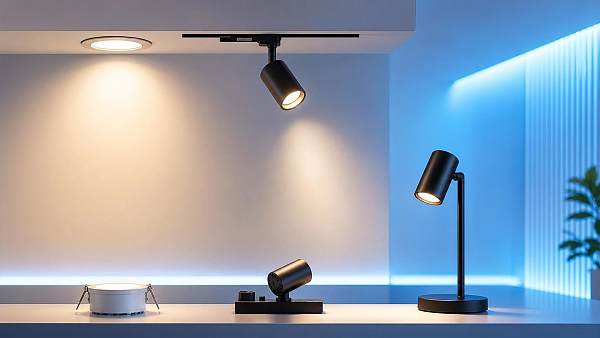
- Fixture type, such as high bay, panel, troffer, floodlight, or linear system
- Lumen output and efficiency level
- Dimming, occupancy sensing, daylight harvesting, and IoT integration
- Material quality, corrosion resistance, and impact rating
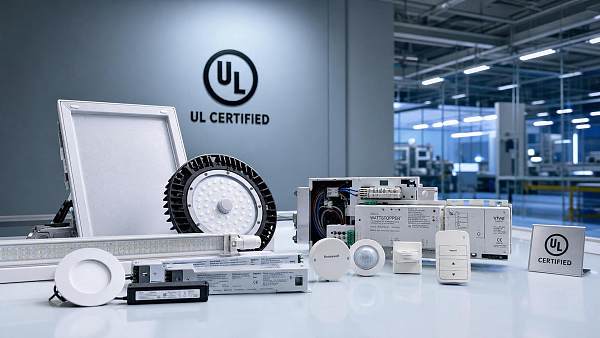
- Regional certifications, emergency function, and control interoperability
In procurement terms, the useful question is not whether one fixture is cheaper. It is whether the specification supports the site condition, operating pattern, and lifecycle target without hidden tradeoffs.
Installation can change the economics quickly
Installation is often underestimated because it is less visible during early sourcing. Yet labor, access equipment, wiring adaptation, and project coordination can move the final lighting cost more than expected.
New construction usually allows cleaner planning. Retrofits are more complex. Existing ceiling layouts, electrical limits, shutdown windows, and code upgrades can all create additional expense.
A simple fixture replacement may stay manageable. A control system upgrade involving sensors, gateways, software commissioning, and staff training becomes a broader infrastructure project.
Where installation costs tend to rise
- High ceilings or hazardous work zones requiring special access
- Facilities that can only be serviced during narrow shutdown periods
- Legacy systems with incompatible wiring or controls
- Multi-site rollouts needing standardized commissioning
- Cross-border projects affected by local labor rules and certification demands
This is where supplier comparison should move beyond unit pricing. Scope clarity, installation assumptions, and documented exclusions matter just as much as product cost.
Energy use usually defines long-term lighting cost
For sites with long daily operating hours, energy use can become the dominant share of lighting cost over time. That is why wattage alone does not tell the whole story.
A better view combines input power, runtime, control behavior, local electricity tariffs, and actual space usage. Empty aisles, daylight exposure, and shift patterns all shape the operating bill.
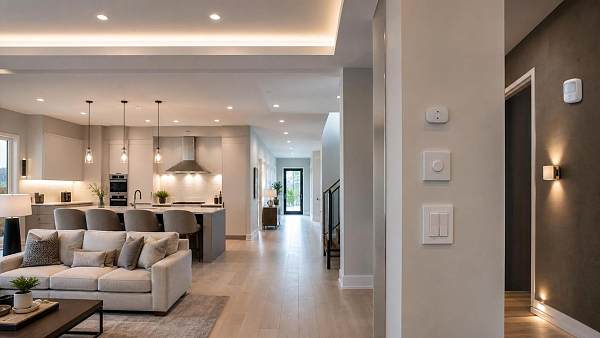
In smart living systems and industrial facilities alike, controls are changing the economics. Occupancy sensors, scheduling, daylight harvesting, and centralized monitoring reduce waste without requiring lower illumination quality.
Why energy analysis deserves more attention
Energy pricing is less stable than many older procurement models assumed. Regional tariff changes and carbon reporting pressures are turning efficient lighting from a utility issue into a financial planning issue.
GIIH’s cross-sector view shows the same pattern in logistics parks, healthcare campuses, and manufacturing networks. Organizations are treating lighting cost as part of operating resilience, not just facility overhead.
Maintenance is where hidden cost often appears
Maintenance looks modest in spreadsheets until service complexity enters the picture. Replacement labor, lift rental, stocking spare parts, and disruption to operations can make a low-priced system more expensive over its life.
LED systems generally reduce replacement frequency, but maintenance risk does not disappear. Driver failures, inconsistent component quality, poor thermal management, and limited warranty support still affect total lighting cost.
In sensitive environments, downtime matters as much as repair expense. Medical areas, automated warehouses, and precision production lines need predictable service cycles and dependable parts availability.
Maintenance questions worth asking early
- Are drivers and control parts field-replaceable?
- Is the warranty clear on labor, transport, and response time?
- Can replacement parts be sourced consistently across regions?
- Will maintenance require special tools or software access?
- What is the expected failure pattern under actual site conditions?
How lighting cost differs by application
Lighting cost behaves differently across sectors because usage patterns are different. Comparing projects without context often leads to the wrong benchmark.
Seen this way, lighting cost is not a universal average. It is a site-specific equation shaped by risk, runtime, compliance, and service expectations.
A practical framework for better evaluation
A stronger sourcing process starts with a structured comparison model. That model should combine price, operating assumptions, warranty terms, serviceability, and supplier delivery confidence.
In volatile supply environments, that last point matters more than before. GIIH’s market tracking shows that logistics bottlenecks and component availability can reshape lighting cost even after contracts are signed.
- Define the lighting purpose by space, runtime, and control needs
- Separate equipment price from installation assumptions
- Model annual energy use with realistic operating data
- Test maintenance scenarios, not only warranty duration
- Check certification, regional support, and replacement continuity
The next step is usually simple: build a comparison sheet that reflects total lighting cost over several years, then validate the result against the actual site and supply conditions.
That approach creates a clearer basis for decisions, especially when multiple suppliers appear close on price but very different on long-term value.
Recommended News
 Sep 25, 2026When does energy efficient lighting pay back its higher upfront cost?Energy efficient lighting payback explained: assess energy savings, maintenance, tariffs, incentives, controls, and ROI to build a confident investment case.
 Sep 22, 2026How energy saving lighting for offices can cut operating costsEnergy saving lighting for offices cuts operating costs through efficient LEDs, smart controls, realistic payback analysis, and lower maintenance needs. Explore practical upgrade strategies.
 Sep 04, 2026Are Energy-Efficient Lighting Rebates Available for Industrial Facilities?Are energy efficient lighting rebates available for industrial facilities? Explore eligibility, pre-approval, LED upgrades, controls, and cost-saving incentive tips.
 Aug 21, 2026Do LED lights with low power consumption really cut electricity costsLED lights low power consumption can lower electricity bills, but real savings depend on brightness, usage hours, and quality. Learn how to choose LEDs that cut costs and last longer.
 Jul 20, 2026How Much Does Energy Efficient Lighting Cost and When Does It Pay Off?Energy efficient lighting cost is more than fixture price. Learn what drives payback, hidden lifecycle costs, and when LED upgrades deliver the strongest return.
 Jul 19, 2026How to Choose LED Lights for Cold Storage: Temperature, IP Rating, and EfficiencyLED lights for cold storage: learn how to choose the right fixtures by comparing temperature tolerance, IP rating, visibility, and efficiency for safer, longer-lasting performance.
 Jul 10, 2026Lighting Cost Breakdown: Equipment, Installation, Energy Use, and MaintenanceLighting cost explained from equipment and installation to energy use and maintenance. Compare total ownership factors, avoid hidden expenses, and make smarter buying decisions.
 Jul 08, 2026Custom Lighting for Commercial Projects: How to Specify Output, Beam Angle, and ControlsLighting custom for commercial projects made practical: learn how to specify output, beam angle, and controls to improve performance, reduce risk, and make smarter buying decisions.
 Jul 06, 2026LED Lights Wholesale: How to Check MOQ, Warranty Terms, and Price BreaksLED lights wholesale made simple: learn how to verify MOQ, warranty terms, and price breaks to reduce sourcing risk, protect margins, and choose suppliers with confidence.
 Jul 06, 2026Intelligent Lighting for Factories: Which Control Features Improve Safety and Efficiency?Intelligent lighting for factories improves safety, cuts energy waste, and supports smoother workflows with motion sensing, zoning, daylight control, and emergency-ready features.
 Jul 04, 2026Smart Living for Smart Lighting: Which Controls and Sensors Fit Each Room?Smart living for smart lighting made simple: discover the best controls and sensors for every room to improve comfort, safety, and energy savings with smarter home planning.
 Jul 03, 2026UL Listed Lighting System Requirements: What to Check for Commercial ProjectsUL listed lighting system checks can make or break commercial approvals. Learn what to verify in listings, controls, ratings, and documents to avoid delays and compliance risk.
 Jul 02, 2026LED Lights Lumen Output Explained: How to Compare Brightness Across FixturesLED lights lumen output explained in a clear, practical guide. Learn how to compare fixture brightness, beam spread, efficiency, and color temperature before you buy.
 Jul 01, 2026Commercial LED Lighting in the Middle East: What to Check Before SpecificationCommercial LED lighting Middle East projects need more than price checks. Learn how to verify heat, dust, power, optics, compliance, and maintenance before specification.
 Jun 29, 2026Industrial Lighting Selection Guide: Beam Angle, IP Rating, and Energy Use by Facility TypeIndustrial lighting guide for smarter facility upgrades: compare beam angle, IP rating, and energy use by warehouse, manufacturing, washdown, and outdoor site needs.
 Jun 23, 2026UV Nail Lamps Explained: Wattage, Timer, and Gel Compatibility Before You BuyUVnaillamps explained: compare wattage, timer settings, and gel compatibility to avoid curing issues, choose the right lamp faster, and get smoother, longer-lasting gel manicure results.
 Jun 22, 2026Why LED Lights with Low Heat Emission Work Better for Display Cases and Tight SpacesLED lights low heat emission solutions help display cases and tight spaces stay cooler, safer, and more visually stable. Discover why they improve protection, performance, and long-term efficiency.
 Jun 21, 2026Lighting Technology Analysis for Commercial Spaces: Efficacy, CRI, and Control CompatibilityLighting technology analysis for commercial spaces: compare efficacy, CRI, and control compatibility to cut costs, improve visual quality, and choose smarter future-ready lighting systems.
 Jun 19, 2026Lighting Sourcing Checklist: How to Compare Suppliers, Certifications, and MOQLighting sourcing made simple: compare suppliers, certifications, MOQ, lead times, and quality risks before choosing a quote. Use this checklist to source smarter and avoid costly mistakes.
 Jun 15, 2026How to Use Lighting in Small Rooms: Placement Tips, Layering, and Common MistakesHow to use lighting in small rooms: discover smart placement, layered lighting ideas, bulb tips, and common mistakes to avoid for a brighter, bigger-feeling space.
 Jun 05, 2026How to Evaluate a Lighting Exporter: Certifications, MOQ, Lead Time, and QA ChecklistLighting exporter evaluation starts with certifications, MOQ, lead time, and QA. Use this practical checklist to reduce sourcing risk, protect margins, and choose reliable partners.
![]() May 23, 2026Smart street lighting now matters beyond energy savingsSmart street lighting for urban areas now goes beyond energy savings—improving safety, maintenance efficiency, and smart city readiness. Discover the long-term ROI and strategic value.
May 23, 2026Smart street lighting now matters beyond energy savingsSmart street lighting for urban areas now goes beyond energy savings—improving safety, maintenance efficiency, and smart city readiness. Discover the long-term ROI and strategic value. May 22, 2026Do smart street lights cut energy costs enough to matter?Smart street lighting energy-saving solutions cut power and maintenance costs through LEDs, dimming, and remote monitoring. See when the savings are material enough to justify investment.
 May 21, 2026Are smart street lights really the lower cost optionSmart street lighting cost-effective solutions can cut energy and maintenance costs, but only in the right projects. See when smart street lights deliver true lifecycle savings.