


Search News
Global Industrial Intelligence Hub (GIIH)Industry Portal
Global Industrial Intelligence Hub (GIIH)Status
Standard Access
Upgrade to PremiumNewsWhy some EV components get redesigned mid-cycle
Time
Click Count
Mid-cycle redesigns in EV components often reflect real-world pressure from cost, reliability, regulation, and supply chain shifts. From EV battery systems and EV motor upgrades to precision engineering in electric vehicle parts, manufacturers must balance aftermarket demand, procurement efficiency, inventory control, and logistics management. This article explores why automotive components, custom components, and high-quality parts are revised after launch—and what that means for buyers, distributors, and industrial parts decision-makers.
Why do EV components change after launch?
In the EV sector, a mid-cycle redesign does not automatically mean the original component failed. In many cases, it means the part met launch timing but no longer matches field data, supplier conditions, or updated cost targets 12–24 months later. EV platforms move fast, and once vehicles enter broader production, manufacturers collect far more information on heat behavior, charging patterns, vibration loads, software interaction, and serviceability than they had during pre-launch validation.
This is especially common in electric vehicle parts that sit at the intersection of electrical, thermal, and mechanical stress. Battery housings, busbars, cooling plates, inverters, connectors, e-axle assemblies, and motor control components often require redesign when a small tolerance issue creates a larger system effect. A gap of only ±0.3 mm in a sealing interface or a temperature deviation of 5℃–10℃ across modules can alter durability, assembly efficiency, or warranty exposure.
For procurement teams and distributors, the practical question is not whether redesigns happen, but why they happen and how early signals can be tracked. If a redesign changes material grade, mounting geometry, firmware compatibility, or packaging method, it can affect inventory turnover, aftermarket matching, and replacement planning across 1–3 sales quarters.
From an industrial intelligence perspective, redesigns are often the visible result of four underlying pressures: field reliability, total landed cost, compliance adaptation, and supply chain resilience. GIIH’s automotive engineer and logistics analysis perspective is valuable here because component change is rarely just a technical event; it is usually a business event with engineering consequences.
The four most common redesign triggers
- Field performance feedback: issues emerge only after thousands of operating hours, repeated fast-charging cycles, or seasonal temperature swings.
- Cost-down programs: OEMs often launch cost reviews after SOP, targeting 3%–8% savings through material substitution, part consolidation, or simpler assembly.
- Supply continuity risks: a single-source chip, magnet material, resin, or stamped insert may force redesign if lead times stretch from 6 weeks to 20 weeks.
- Regulatory or service updates: safety labeling, thermal containment, repair procedures, and traceability rules can all drive packaging or component revisions.
For information researchers, this framework helps separate rumor from actionable signal. Not every drawing change matters. The key is whether the redesign alters function, interchangeability, compliance exposure, or procurement economics.
Which EV components get redesigned most often?
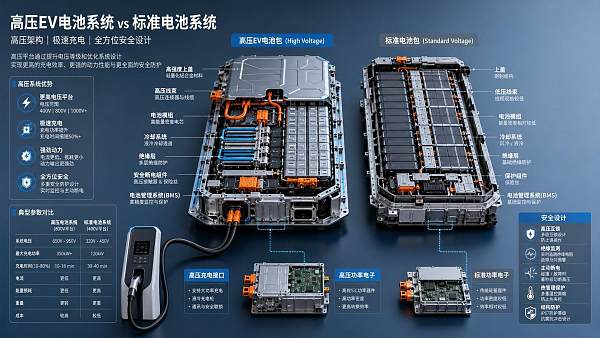
Some EV components are more redesign-prone because they operate in high-load environments or depend on immature supply ecosystems. Battery-related hardware is one major area. EV battery systems combine thermal interfaces, structural protection, electrical insulation, venting, and service access. When one parameter shifts, such as pack density or charging speed, adjacent components often need to be revised as well.
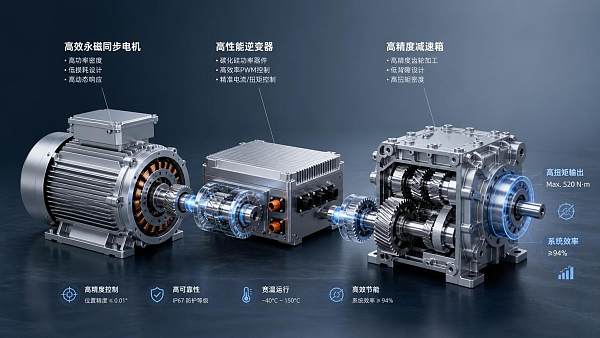
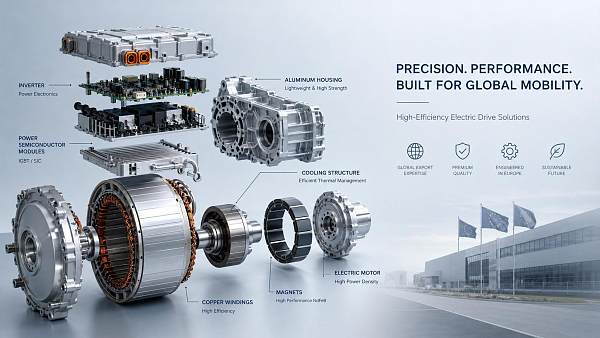
EV motor upgrades create another common redesign path. As manufacturers pursue better efficiency at city speeds and highway loads, they may adjust winding strategy, rotor material sourcing, bearing arrangement, or cooling channel design. These changes can be driven by efficiency gains of just 1%–3%, but that small gain can matter for range claims, durability, and thermal margin.
Power electronics and connectors also see frequent updates. Inverters, DC-DC units, high-voltage connectors, cable protection elements, and sealing systems are sensitive to vibration, moisture ingress, electromagnetic compatibility, and assembly constraints. When service centers report recurring connector wear or technicians face excessive disassembly time, redesign follows quickly.
For distributors and aftermarket buyers, the challenge is part continuity. Two components can look nearly identical but differ in terminal plating, software calibration, torque spec, or bracket hole spacing. That is why version control and engineering change monitoring are no longer optional in the EV parts business.
Typical redesign-prone categories in electric vehicle parts
The table below summarizes where mid-cycle redesign is most likely to occur and what buyers should monitor before placing bulk orders or building distributor stock.
For business evaluation teams, this comparison shows why redesign management should be tied to sourcing policy. The same category can remain stable for 18 months in one platform and change twice in 9 months in another, depending on vehicle scale, charging architecture, and regional supply conditions.
What this means for distributors
Distributors should not rely on visual similarity or old catalog codes. A stronger process is to map at least 5 checkpoints before stocking revised EV components: part number supersession, physical compatibility, software or calibration relevance, installation tooling changes, and old-stock liquidation risk. This reduces the chance of mismatch claims and return costs across multi-region channels.
How cost, supply chain, and compliance reshape component design
Many buyers assume EV redesign is driven mainly by engineering optimization. In reality, procurement economics are often just as powerful. If a critical resin, copper alloy, power semiconductor, or magnetic material becomes volatile in price or availability, a redesign may be the fastest route to restoring margin and delivery stability. A component that is technically acceptable but commercially fragile becomes a redesign candidate.
This is where cross-border logistics and industrial intelligence matter. Lead-time instability can force a redesign even without a quality issue. If a single sourced insert arrives in 14–18 weeks while vehicle production planning requires 4–6 weeks, engineering teams may revise the housing to accept a more widely available substitute. The redesign then becomes a supply assurance strategy rather than a performance upgrade.
Compliance also plays a role. EV battery systems, high-voltage assemblies, and thermal management parts operate under growing scrutiny linked to safety, traceability, transport handling, and repairability. Even when no new law mandates a complete redesign, updates to documentation, warning labels, insulation architecture, or test procedure alignment can trigger revisions to electric vehicle parts supplied across different markets.
For procurement teams, the lesson is clear: redesign risk should be reviewed through a total-cost lens, not a unit-price lens. A cheaper part that increases assembly time by 20 seconds, raises inventory complexity, or extends warranty diagnosis can become more expensive over 2–4 quarters.
A practical comparison of redesign drivers
The table below helps sourcing and business assessment teams compare how different pressures translate into real procurement consequences.
This framework is useful for industrial parts decision-makers because it links engineering change to operational response. If the driver is cost, negotiate lifecycle visibility. If the driver is reliability, ask for failure mode context. If the driver is supply risk, review inventory control and logistics management immediately.
Three hidden costs buyers often miss
- Legacy inventory exposure: old and revised stock may not be mixable, creating stranded inventory for 30–90 days.
- Documentation lag: drawings, labels, ERP records, and dealer catalogs often update at different speeds, increasing mis-shipment risk.
- Service training cost: revised assembly methods may require new torque instructions, tools, or inspection steps.
These costs rarely appear in the quoted unit price, but they matter in cross-border procurement and aftermarket operations where part accuracy and timing are critical.
What should procurement and evaluation teams check before buying revised EV parts?
When a manufacturer announces a revised component, buyers need a structured validation process. The fastest mistake is to ask only whether the new part is “better.” A more useful question is whether the redesign changes fit, function, serviceability, compliance scope, sourcing risk, or channel profitability. In most B2B EV purchasing decisions, these six factors determine whether the revised part reduces or increases total operating friction.
A practical review should happen in 4 steps. First, verify exact revision status and supersession rules. Second, check technical deltas such as dimensions, material, voltage class, thermal performance, or software dependency. Third, assess commercial impact including MOQ, lead time, packaging quantity, and transition stock. Fourth, align channel communication so warehouses, sales teams, and service partners do not mix old and new references.
This is particularly important for custom components and high-quality parts used in fleet service, regional distribution, and industrial sourcing programs. A revised part can improve durability, but if the transition plan is unclear, it may create order delays, return disputes, or installation errors. For many businesses, the problem is not the redesign itself; it is poor redesign visibility.
GIIH’s value in this stage is to bridge fragmented signals. Technical notes, sourcing shifts, logistics bottlenecks, and market-entry compliance updates often sit in separate information silos. Combining them gives procurement teams a more complete decision picture before they commit budget.
A buyer’s checklist for revised electric vehicle parts
- Confirm whether the old and new part numbers are backward compatible, partially compatible, or not compatible at all.
- Request the engineering change summary, focusing on dimensions, material grade, sealing method, and required torque or mounting differences.
- Review lead time in realistic ranges, such as 2–6 weeks for standard revisions versus 8–16 weeks when tooling or alternate sourcing is involved.
- Check whether new labels, traceability marks, or transport handling instructions affect customs, warehousing, or regional resale.
- Plan old-stock depletion and replacement timing by batch, warehouse, and customer segment to avoid mixed inventory claims.
Questions distributors should ask suppliers
Before locking annual volume, distributors should ask five direct questions: What changed? Why did it change? When does the old version phase out? Can both versions coexist in service channels? What evidence shows stability after revision? These questions sound basic, but they sharply improve procurement clarity for EV battery systems, EV motor upgrades, and related automotive components.
If answers remain vague, treat the redesign as a higher-risk sourcing event. In fast-moving EV categories, unclear revision management can create more downstream cost than an apparently higher unit price from a better documented source.
Common misconceptions, market signals, and what to expect next
One common misconception is that a redesigned component proves the previous design was poor. That is not always true. In EV development, launch timing, platform scaling, and supplier maturity often mean version 1.0 is a bridge to version 1.1 or 1.2. If changes are managed transparently, redesign can actually lower field risk and improve service economics.
Another misconception is that redesign affects only OEMs. In reality, aftermarket networks, cross-border traders, regional distributors, and procurement teams all feel the impact. A small connector redesign can alter packaging density, return rates, technician training, and reorder logic. Over a 6–12 month period, those secondary effects can be more important than the original engineering change.
Looking ahead, mid-cycle redesign frequency is likely to remain high in EV-related electric vehicle parts for three reasons. First, charging speeds and thermal loads continue to evolve. Second, manufacturers are under constant pressure to localize supply and reduce exposure to single-source bottlenecks. Third, serviceability and lifecycle traceability are becoming more important as EV fleets age beyond early adoption.
For information researchers and business evaluation teams, the winning approach is not to chase every engineering update, but to identify which changes affect commercial execution. That means tracking redesigns that influence 3 core outcomes: delivery reliability, compatibility confidence, and lifecycle cost control.
FAQ: practical questions from buyers and market analysts
How can I tell whether a redesigned EV component is a minor update or a major sourcing risk?
Check whether the revision changes fit, function, certification-related documentation, or software dependency. Cosmetic updates and packaging changes are usually lower risk. Changes to dimensions, materials, thermal limits, mating interfaces, or required installation steps are higher risk and deserve a formal validation review within 5 business days before order release.
Which parts should distributors monitor most closely for redesign announcements?
Focus on EV battery systems interfaces, motor-related precision parts, high-voltage connectors, thermal pads, inverter housings, and parts tied to service campaigns. These categories frequently combine engineering sensitivity with channel impact, making them critical for catalog accuracy and inventory planning.
What lead-time changes are typical when a component is redesigned?
There is no single rule, but standard revisions may stabilize within 2–6 weeks, while tooling changes, alternate source approval, or regional compliance relabeling can stretch the transition to 8–16 weeks. Buyers should also ask whether old-stock shipments will continue during the overlap period.
Do redesigned automotive components always lower cost?
Not necessarily. Some redesigns lower raw material cost but increase service complexity, packaging volume, or inspection time. Others raise unit price slightly while reducing failure exposure and logistics disruption. The right metric is total cost across sourcing, warehousing, installation, and warranty handling.
Why work with GIIH when evaluating EV component redesigns?
For companies operating in volatile industrial markets, the hardest part is rarely finding information. It is connecting technical change, sourcing pressure, and market consequences in time to make a confident decision. GIIH is built for that exact gap. By combining industrial intelligence, trade insight, logistics awareness, and component-level technical interpretation, GIIH helps decision-makers read redesign signals before they become procurement problems.
This matters especially in precision automotive parts and mobility, where one revision can affect supplier qualification, inventory control, aftermarket fitment, and regional channel strategy all at once. GIIH’s cross-functional perspective supports manufacturers, procurement teams, distributors, and business evaluators who need more than scattered market updates. They need structured decision support.
If you are assessing redesigned EV components, GIIH can help you focus on the questions that move purchasing decisions forward: which parameters changed, whether a revised part fits your application, how lead times may shift over the next 4–12 weeks, what documentation should be requested, and where transition risks may appear across warehousing, compliance, and resale channels.
You can reach out for targeted support on product selection, parameter confirmation, revision comparison, supply continuity review, delivery-cycle assessment, sample planning, certification-related documentation checkpoints, and quotation communication. For buyers and channel partners facing complex EV parts decisions, timely intelligence is not an accessory. It is a commercial safeguard.
- industrial intelligence
- precision automotive
- cross-border trade
- information silos
- warehousing
- supply chain
- logistics management
- inventory control
- procurement
- automotive components
- EV components
- electric vehicle parts
- EV battery
- EV motor
- precision parts
- custom components
- high-quality parts
- precision engineering
- industrial parts
- aftermarket
Recommended News
 Sep 12, 2026What does UN 38.3 testing cover for EV battery shipments?EV battery UN 38.3 testing covers altitude, thermal, vibration, shock, short-circuit, overcharge, and discharge risks. Learn key compliance steps for safer EV battery shipments.
 Aug 24, 2026How to compare electric drive components for torque and efficiencyElectric drive components comparison starts with real load profiles. Learn how to evaluate torque, efficiency, motor-inverter-gearbox fit, and avoid costly selection mistakes.
 Jul 29, 2026400V EV Battery Components Explained: Key Parts, Functions, and System Design BasicsEV battery components 400V explained clearly: discover key parts, core functions, safety logic, thermal design, and system basics to evaluate EV battery packs with confidence.
 Jul 18, 2026Automotive Component Rating Standards Explained: How to Compare Load, Temperature, and Safety LimitsAutomotive component rating standards explained clearly: learn how to compare load, temperature, and safety limits to reduce sourcing risk, improve compliance, and choose parts with confidence.
 Jul 15, 2026EV Components North America: Sourcing Priorities, Compliance, and Lead Time FactorsEV components North America buyers now face tougher sourcing decisions. Explore compliance risks, lead time pressures, and smarter strategies to reduce disruption and improve EV supply chain performance.
 Jul 13, 2026How to Evaluate a Battery Components Exporter for Quality, Traceability, and Lead TimeBattery components exporter selection goes beyond price. Learn how to assess quality control, traceability, and lead time to reduce supply risk and choose a reliable partner.
 Jul 12, 2026High Voltage EV Batteries vs Standard Packs: Key Design and Safety DifferencesHigh voltage EV batteries vs standard packs: explore the key design, charging, efficiency, and safety differences to choose the right EV battery architecture with confidence.
![]() Jul 07, 2026EV Accessories Buying Guide: Which Add-Ons Matter for Safety, Charging, and Daily Use?EV accessories buying guide: discover which add-ons truly improve charging, safety, and daily convenience, so you can choose smarter, safer gear with confidence.
Jul 07, 2026EV Accessories Buying Guide: Which Add-Ons Matter for Safety, Charging, and Daily Use?EV accessories buying guide: discover which add-ons truly improve charging, safety, and daily convenience, so you can choose smarter, safer gear with confidence. Jun 30, 2026EV Motor Selection Guide: Torque, Efficiency, Cooling, and Cost Trade-OffsEV motor selection guide covering torque, efficiency, cooling, and cost trade-offs. Learn how to choose the right EV motor for better range, reliability, and total value.
 Jun 29, 2026Permanent Magnet EV Motor Selection: Torque, Efficiency, Cooling, and Cost Trade-OffsPermanent magnet EV motor selection explained: compare torque, efficiency, cooling, and total cost trade-offs to choose the right EV drive solution with confidence.
 Jun 27, 2026Sourcing Guide for EV Components: How to Compare Suppliers, Lead Times, and MOQSourcing guide EV components for procurement teams: compare suppliers, lead times, MOQ, quality, and total cost to reduce risk and make smarter EV sourcing decisions.
 Jun 27, 2026Electric Drive Components Price in Europe: What Drives Cost by Motor, Inverter, and VolumeElectric drive components price Europe explained: see how motor design, inverter technology, and order volume shape real costs in Europe, and compare suppliers with greater confidence.
 Jun 25, 2026How Long Life Mobility Components Reduce Maintenance in High-Use EquipmentLong life mobility components cut maintenance by matching real load, floor, and cleaning conditions. See how smarter selection improves uptime, lowers service costs, and extends equipment life.
 Jun 23, 2026Spark Plugs OEM Sourcing Guide: Key Specs, Compatibility Checks, and Supplier RisksSpark plugs OEM sourcing guide covering key specs, compatibility checks, total cost, and supplier risks—learn how to avoid fitment errors, returns, and costly quality issues.
 Jun 13, 2026Vehicle Electronics Selection Guide: Key Standards, Interfaces, and Reliability FactorsVehicle electronics selection starts with standards, interfaces, and reliability. Learn how to compare components, reduce integration risk, and choose smarter for long-term performance.
 Jun 06, 2026What Is a BMS in Battery Systems? Functions, Key Components, and Selection BasicsBMS explained: learn what a Battery Management System does, its key components, and how to choose the right BMS for safer, longer-lasting, better-integrated battery systems.
 Jun 02, 2026Solid-State Battery Breakthroughs: What to Verify Before EV AdoptionSolid-state battery breakthroughs are reshaping EV strategy—learn what to verify in energy density, cycle life, safety, cost, and supplier readiness before adoption.
 May 31, 2026Why is EV battery tech reshaping range expectations?EV battery tech is redefining real-world range through smarter chemistry, thermal control, fast charging, and software—discover what matters beyond mileage.
![]() May 19, 2026Why long-lifespan solid-state batteries matter nowSolid-state battery breakthroughs long lifespan are reshaping EVs, grid storage, and industry. Discover why longer life, safer performance, and lower total cost matter now.
May 19, 2026Why long-lifespan solid-state batteries matter nowSolid-state battery breakthroughs long lifespan are reshaping EVs, grid storage, and industry. Discover why longer life, safer performance, and lower total cost matter now.![]() May 19, 2026Is off-grid lithium storage worth the upfront cost?Lithium battery storage for off-grid applications can justify higher upfront costs through lower maintenance, better efficiency, and stronger long-term ROI. See when it pays off.
May 19, 2026Is off-grid lithium storage worth the upfront cost?Lithium battery storage for off-grid applications can justify higher upfront costs through lower maintenance, better efficiency, and stronger long-term ROI. See when it pays off.![]() May 19, 2026Are solid-state battery breakthroughs finally lifting energy density?Solid-state battery breakthroughs in high energy density are moving beyond hype. Learn what technical evaluators should verify on cycle life, safety, cost, and scalable commercialization.
May 19, 2026Are solid-state battery breakthroughs finally lifting energy density?Solid-state battery breakthroughs in high energy density are moving beyond hype. Learn what technical evaluators should verify on cycle life, safety, cost, and scalable commercialization. May 18, 2026Why portable lithium battery storage needs better designLithium battery storage portable design matters more than ever. Discover how better safety, mobility, and charging design improve backup, travel, and field power performance.
 May 17, 2026What next-gen EV charging must solve beyond faster speedNext-gen wireless charging for electric vehicles must solve efficiency, safety, interoperability, and real-world deployment fit—not just speed. Explore what makes EV charging scalable and investment-ready.
 May 17, 2026How close are solid-state batteries to real EV production?Solid-state battery breakthroughs for electric vehicles are moving beyond the lab. Discover how close they are to real EV production, what still blocks scale-up, and which milestones matter most.