


Search News
Global Industrial Intelligence Hub (GIIH)Industry Portal
Global Industrial Intelligence Hub (GIIH)Status
Standard Access
Upgrade to PremiumNewsPrecision Machining Factory Selection Guide: Tolerances, Materials, and Inspection Capability
Time
Click Count
Selecting a precision machining factory is rarely a simple sourcing exercise. It shapes part performance, downstream assembly stability, field reliability, and total landed cost.
For projects crossing automotive, medical, smart hardware, industrial equipment, and environmental systems, the real question is capability fit. Price matters, but process control matters more.
A capable precision machining factory should demonstrate repeatable tolerance management, sound material knowledge, stable production planning, and inspection evidence that stands up to technical review.
This is also why the topic remains prominent in global industrial intelligence. As supply chains shift, technical decisions now carry commercial, regulatory, and delivery implications at the same time.
What factory selection really means
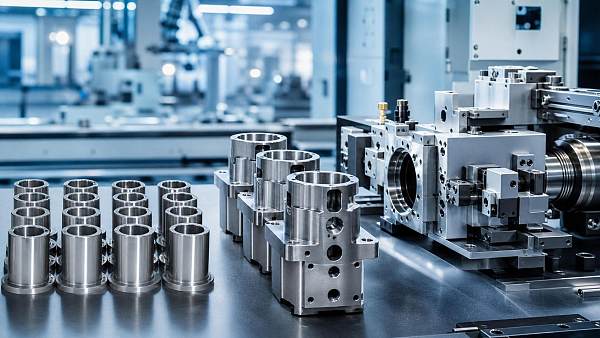
A precision machining factory is not defined only by having CNC machines. The more relevant measure is whether the factory can convert drawings into stable production output without hidden variability.
That includes machining strategy, fixture design, operator discipline, tool management, metrology practice, and change control. Weakness in any one area can distort an otherwise acceptable quotation.
In practical terms, selection is a risk-screening process. The aim is to understand where a supplier is strong, where it is merely adequate, and where problems are likely to appear later.
GIIH often frames industrial evaluation through this wider lens. A supplier is part of a value chain, not an isolated workshop, so manufacturing quality must be read together with logistics and market conditions.
Tolerance capability is more than a drawing number
Tolerance is usually the first filter when comparing a precision machining factory. Yet the stated tolerance range on a website says very little without context.
The critical issue is whether the factory can hold the required tolerance consistently across material batches, machine shifts, tool wear stages, and production volumes.
A part with plus or minus 0.01 mm on one prototype is not the same as holding that window across thousands of parts. Repeatability is the real performance signal.
Questions behind the tolerance claim
- Which dimensions are critical to function, sealing, alignment, or wear?
- Are tolerances achieved by process capability or by extensive manual adjustment?
- Does the factory monitor Cp or Cpk on repeat jobs?
- Can it explain datum strategy, clamping logic, and distortion control?
- How are first article, in-process, and final inspection linked?
When answers stay general, risk remains high. A reliable precision machining factory can usually discuss tolerance control in relation to geometry, process sequence, and measurement method.
Material expertise often decides machining success
Material capability is often underestimated during early supplier review. However, many production issues start with poor understanding of machinability, heat response, stress release, or surface behavior.
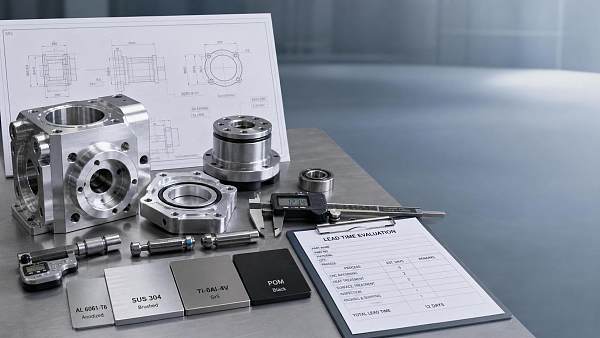
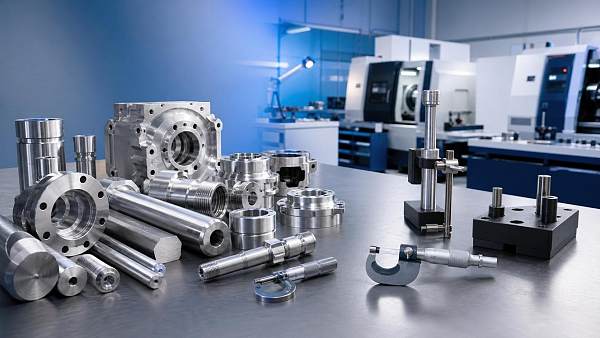
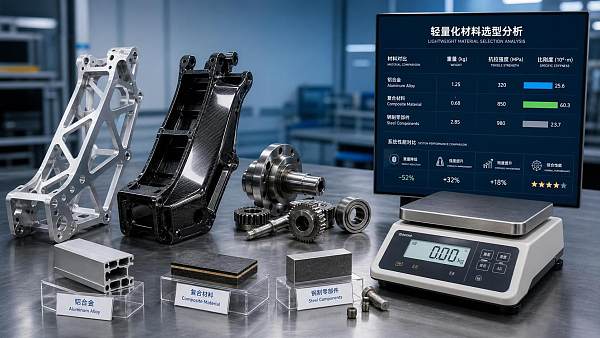
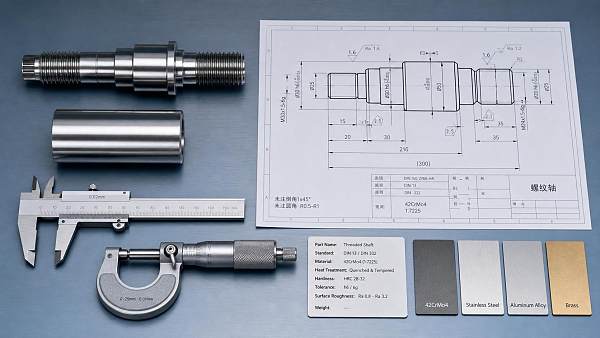
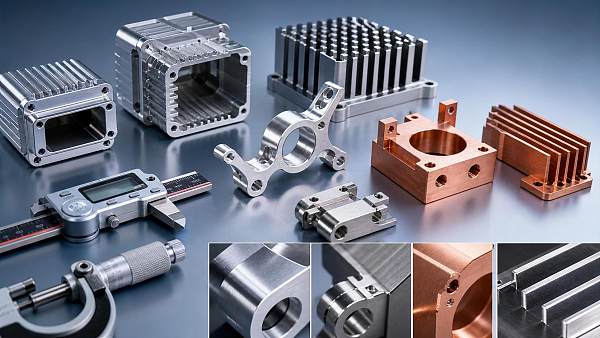
Aluminum, stainless steel, brass, titanium, engineering plastics, and hardened alloys each create different machining risks. Feed rates, tooling, coolant, burr control, and inspection plans should change accordingly.
A precision machining factory serving several industries should also understand compliance and traceability expectations. Medical and automotive parts, for example, rarely tolerate loose lot control.
In sectors tracked by GIIH, this matters even more. Smart devices need cosmetic consistency. Automotive parts need durability and dimensional repeatability. Environmental systems may require corrosion resistance over long service cycles.
What to verify on materials
Inspection capability should be visible, not assumed
Inspection capability is where many supplier assessments become more objective. A precision machining factory should show how it verifies dimensions, not just claim that quality is controlled.
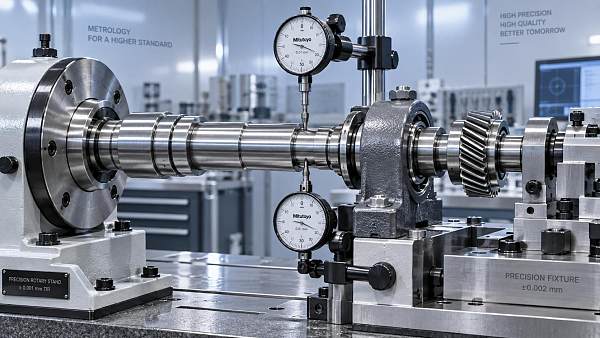
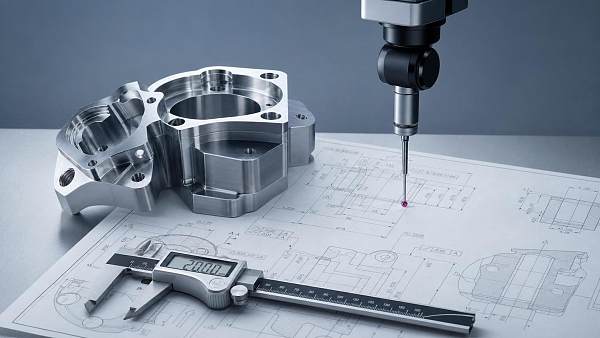
CMM systems, vision measurement, surface roughness testers, hardness testers, gauge blocks, thread gauges, and calibration records all contribute. Still, equipment alone is not enough.
The stronger signal is method discipline. That includes inspection planning, operator training, sampling logic, reaction plans for nonconformance, and clean data retention.
Factories with mature systems can usually provide first article inspection reports, process inspection sheets, material certificates, and gauge calibration evidence without delay.
Common gaps that deserve caution
- Measurement tools exist, but calibration intervals are unclear.
- Critical dimensions are checked only at final inspection.
- Inspection reports are generic and disconnected from drawing revisions.
- Surface finish or geometric tolerances are discussed loosely.
- Out-of-spec handling depends on informal judgment.
These gaps matter because they usually appear before delivery failures, complaint cycles, or expensive rework in another country.
How process stability affects cost and lead time
The lowest quote from a precision machining factory can become the highest total cost when setup losses, scrap, delayed approvals, and unstable lead times enter the picture.
Process stability is often visible through ordinary details. Tool life planning, fixture standardization, revision control, and capacity scheduling tell more than polished sales material.
This is especially relevant in cross-border supply chains. GIIH regularly highlights how production uncertainty quickly interacts with freight volatility, customs timing, and regional inventory exposure.
A technically capable factory with weak planning may still become a commercial risk. Stable output requires coordination between engineering, quality, purchasing, and shipping functions.
Signals of stable execution
- Clear engineering review before quotation
- Documented control plans for repeat parts
- Reasonable batch sizing and traceable work orders
- Planned backup for key machines or outsourced treatments
- Transparent lead time assumptions, not broad promises
Different applications require different factory strengths
No single precision machining factory is ideal for every part family. Capability should match the application environment and the failure cost of the component.
For automotive mobility systems, dimensional repeatability and PPAP-style discipline may be central. For medical devices, surface integrity, traceability, and documentation depth may outweigh speed.
For smart living products, cosmetic finish and assembly consistency often matter as much as dimensional tolerance. For environmental equipment, corrosion behavior and sealing surfaces can dominate evaluation.
This is where a broader intelligence view helps. Factory choice should reflect not only the part drawing, but also the market, regulatory pressure, and service conditions around that part.
A practical review framework for supplier comparison
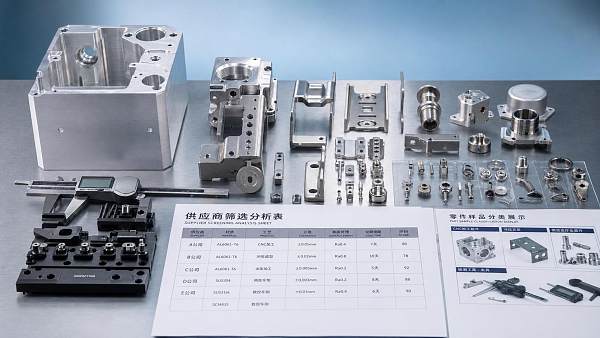
When several suppliers appear technically acceptable, comparisons become clearer with a structured review matrix. It keeps the decision anchored in evidence rather than impression.
Where to focus next
A useful next step is to rank part features by functional risk before comparing any precision machining factory. Not every dimension deserves the same attention, and not every process claim deserves equal weight.
Then align drawings, material specifications, inspection expectations, and delivery assumptions into one review package. That reduces ambiguity early and improves supplier responses.
From there, site audits, sample reviews, and document checks become more meaningful. The goal is not only to find a supplier that can machine a part, but one that can support predictable industrial outcomes.
In a market shaped by technical complexity and supply chain change, the better precision machining factory is usually the one whose evidence remains clear when requirements become difficult.
Recommended News
 Sep 22, 2026How Brake Drum Material and Machining Affect Semi Trailer Service LifeSemi trailer spare parts guide: discover how brake drum material and precision machining improve braking reliability, reduce wear, and extend trailer service life.
 Sep 10, 2026Evaluating Compatibility and Certification Requirements for Replacement Brake Drums on BPW-Axle Semi-TrailersDiscover certified semi trailer spare parts for BPW-axle trailers—ensuring brake drum compatibility, EN 15085-2 certification & optimal thermal performance.
 Sep 09, 2026When does shaft runout require custom precision parts?Custom precision parts shafts become essential when runout affects bearings, seals, vibration, or assembly accuracy. Learn how to specify reliable, high-performance shaft solutions.
 Jul 14, 2026RoHS Precision Parts Explained: Compliance Requirements, Test Reports, and Buying RisksRoHS precision parts explained: learn compliance requirements, how to read test reports, spot supplier gaps, and avoid costly buying risks before shipment approval.
 Jul 14, 2026Precision Machining Factory Selection Guide: Tolerances, Materials, and Inspection CapabilityPrecision machining factory selection starts with tolerance control, material expertise, and inspection capability. Learn how to compare suppliers, reduce risk, and choose with confidence.
 Jul 13, 2026Forged Engineered Components Explained: When Forging Outperforms Casting or MachiningForged engineered components deliver superior strength, fatigue resistance, and reliability. Discover when forging outperforms casting or machining for critical industrial parts.
 Jul 12, 2026Laminated Core Components: How to Choose Grades, Thickness, and ApplicationsLaminated core components explained: learn how to choose steel grades, thickness, and application fit to cut losses, improve efficiency, and make smarter design decisions.
 Jul 11, 2026Diamond Saw Blades for Stone, Tile, and Concrete: How to Choose the Right Typediamondsawblades buying guide for stone, tile, and concrete. Learn how to match blade type, cutting method, and machine for cleaner cuts, longer life, and fewer costly mistakes.
 Jul 09, 2026Product Selection Criteria for Stamped Parts: 7 Factors That Affect Fit and CostProduct selection criteria for stamped parts: discover 7 key factors that shape fit, tolerance, tooling, and total cost—make smarter sourcing decisions with less risk.
 Jul 09, 2026Sheet Metal Custom Parts: How to Choose Tolerances, Finishes, and Lead TimesSheet metal custom parts guide: learn how to choose the right tolerances, finishes, and lead times to reduce cost, improve fit, and avoid sourcing delays.
 Jul 08, 2026How to Do Product Category Analysis for Precision Parts Sourcing and Supplier ShortlistingProduct category analysis precision parts helps buyers classify components, compare true supplier fit, and shortlist faster with better cost, lead time, and compliance accuracy.
![]() Jul 07, 2026How to Evaluate a Battery Protection Parts Supplier for Quality, Testing, and Supply StabilityBattery protection parts supplier evaluation starts with quality, testing, and supply stability. Learn the key checks, red flags, and sourcing criteria for safer, more reliable decisions.
Jul 07, 2026How to Evaluate a Battery Protection Parts Supplier for Quality, Testing, and Supply StabilityBattery protection parts supplier evaluation starts with quality, testing, and supply stability. Learn the key checks, red flags, and sourcing criteria for safer, more reliable decisions. Jul 04, 2026Custom Precision Parts Prototype: Tolerance, Material, and Lead Time BasicsCustom precision parts prototype basics made practical: learn how tolerance, material, and lead time choices reduce risk, improve testing, and speed smarter production decisions.
 Jul 04, 2026Custom Engineered Components vs Standard Parts: When Is Customization Worth It?Custom engineered components vs standard parts: discover when customization lowers lifecycle cost, reduces downtime, and creates stronger competitive advantage.
 Jul 03, 2026How to Source Precision Machined Parts in the Middle East: Tolerances, Materials, and Supplier ChecksPrecision machined parts Middle East sourcing starts with tighter supplier checks. Learn how to compare tolerances, materials, certifications, and total cost for safer, smarter procurement.
 Jul 02, 2026Performance Factor Analysis for Surface Treatment: Key Variables That Affect Coating ResultsPerformance factor analysis for surface treatment reveals how substrate condition, cleanliness, profile, environment, and process settings shape coating results. Learn the key variables to improve adhesion, consistency, and production decisions.
 Jun 29, 2026Material Selection Analysis by Weight: When Lighter Parts Improve Total System PerformanceMaterial selection analysis by weight reveals when lighter parts truly improve total system performance, cutting energy, load, and lifecycle cost while avoiding hidden tradeoffs.
 Jun 27, 2026Engineered Components Drawing Review: 8 Checks to Catch Tolerance and DFM Issues EarlyEngineered components drawing review made practical: discover 8 smart checks to catch tolerance, GD&T, and DFM issues early, reduce rework, and improve launch readiness.
 Jun 26, 2026DIN Precision Parts: Tolerances, Materials, and How to Read Spec RequirementsDIN precision parts explained clearly: learn tolerances, material selection, surface requirements, and how to read DIN specs to reduce sourcing risk and choose suppliers with confidence.
 Jun 25, 2026Custom Precision Parts for Electronics: Tolerance, Material, and Process BasicsCustom precision parts electronics guide covering tolerance, material, and process basics. Learn how to reduce sourcing risk, improve fit and reliability, and choose suppliers with confidence.
 Jun 24, 2026Rapid Prototyping Near Me: How to Compare Lead Time, Materials, and Tolerance OptionsRapid prototyping near me: compare lead time, materials, and tolerance options with a practical framework to choose faster, smarter suppliers and reduce costly prototype delays.
 Jun 23, 2026Sheet Metal Components Manufacturing: Tolerance, Finish, and Process Options ExplainedSheet metal components manufacturing explained: compare tolerance, finish, and process options to reduce sourcing risk, control cost, and choose suppliers with confidence.
 Jun 23, 2026Ballscrews Selection Guide: How Lead, Accuracy, and Load Affect Motion PerformanceBallscrews selection guide covering lead, accuracy, and load. Learn how to improve speed, repeatability, and service life with practical tips for better motion performance.
 Jun 22, 2026PCB Assembly Process Explained: SMT, THT, Testing, and Common Defects to Watch ForPCB assembly explained clearly: learn SMT, THT, testing methods, and common defects that affect reliability, compliance, and product performance across industries.