


Search News
Global Industrial Intelligence Hub (GIIH)Industry Portal
Global Industrial Intelligence Hub (GIIH)Status
Standard Access
Upgrade to PremiumNewsHow parts exporters reduce quality risks in global orders
Time
Click Count
For quality and safety teams handling cross-border sourcing, choosing an Industrial & Manufacturing machinery parts exporter is no longer just about price or lead time. In global orders, quality risk often starts long before shipment. It grows from vague drawings, mixed raw materials, unstable sub-suppliers, and changing compliance rules. A capable exporter reduces those risks by combining process discipline, supplier visibility, inspection control, and fast corrective action.
Why checklist-based control matters in global parts orders
Global orders involve multiple factories, logistics handoffs, languages, and technical standards. Even a minor mismatch in tolerances, coating thickness, or packaging can create claims, downtime, or regulatory issues after delivery.
That is why a checklist approach works. It turns quality expectations into repeatable checkpoints. A reliable Industrial & Manufacturing machinery parts exporter uses this structure to prevent avoidable errors instead of reacting after defects appear.
In broader industrial trade, this method supports consistency across automotive components, equipment spares, metal parts, plastic assemblies, and custom-machined items. It also creates a shared language for technical review, approval, inspection, and traceability.
Core checklist: how exporters reduce quality risks
Use the following checkpoints to evaluate whether an Industrial & Manufacturing machinery parts exporter can manage quality risk across the full order cycle.
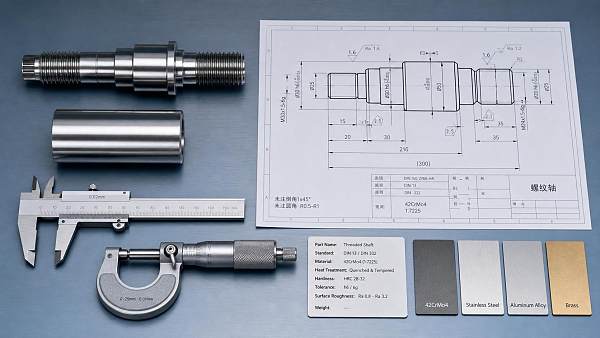
- Confirm specifications early with controlled drawings, revision records, tolerance notes, material grades, surface treatment details, and approved samples before any production slot is released.
- Verify material sources through mill certificates, batch records, supplier qualification files, and incoming inspection plans that match the mechanical and chemical requirements of the order.
- Map the process route from raw material to final packing, including machining, welding, coating, heat treatment, cleaning, and assembly control points for each critical feature.
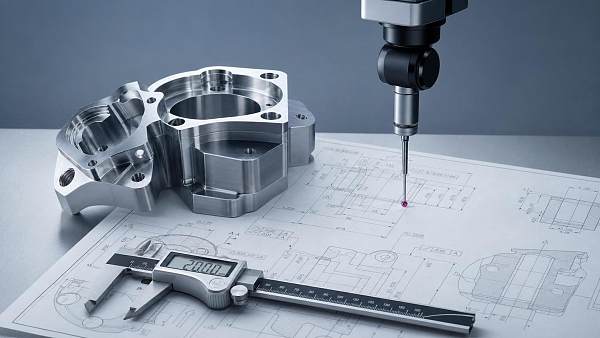
- Define critical-to-quality characteristics and assign inspection methods such as CMM measurement, hardness testing, coating thickness checks, leak tests, or functional verification where needed.
- Require first article inspection before mass production, especially for customized parts, mixed orders, or projects involving new tooling, substitute materials, or updated technical drawings.
- Audit sub-suppliers regularly when outsourced steps affect performance, because plating, casting, forging, and heat treatment often create hidden variation not visible in final appearance.
- Control identification and traceability with lot numbers, work orders, inspection labels, and packing references so any defect can be isolated without blocking the entire shipment.
- Review packaging standards for corrosion protection, shock prevention, moisture barriers, pallet stability, and export labeling to avoid quality loss during long transit routes.
- Track quality data over time using defect trends, supplier scorecards, rework rates, and corrective action closure records rather than relying on one-time inspection reports.
- Prepare response protocols for nonconformance, including containment, root cause analysis, replacement timing, and documentation flow across factories, warehouses, and customs stages.
What strong process control looks like
A dependable Industrial & Manufacturing machinery parts exporter does not treat inspection as the only quality tool. Inspection can detect defects, but process control prevents them. The difference matters most in global orders with large volumes or repeating schedules.
Strong exporters standardize work instructions, validate fixtures, calibrate instruments, and lock revision changes. They also separate conforming and nonconforming lots quickly, reducing the chance of mixed shipments or undocumented rework.
Scenario guidance across common sourcing situations
Custom-machined and low-volume technical parts
Low-volume custom parts carry high interpretation risk. Drawings may be complete, yet practical details remain unclear, such as datum use, burr limits, edge break expectations, or cosmetic acceptance.
In this case, an Industrial & Manufacturing machinery parts exporter should run a pre-production review, confirm critical dimensions, and issue a first article package with photos, measured data, and deviation notes.
Multi-process parts with outsourced treatments
Parts that involve machining plus plating, heat treatment, anodizing, painting, or balancing have a higher risk of process drift. Many defects only appear after several steps are complete.
Here, the exporter should manage a process map, identify external vendors, and require in-process release checkpoints. Final inspection alone is not enough when dimensional change or surface failure can occur midstream.
Repeat blanket orders across long supply cycles
Repeat orders often appear low risk, yet silent changes create major problems. Tool wear, operator turnover, alternate material lots, or revised packaging can affect consistency over time.
A capable Industrial & Manufacturing machinery parts exporter maintains baseline samples, trend reports, and change notification rules. This keeps later shipments aligned with approved performance, not just past assumptions.
Compliance-sensitive and destination-specific shipments
Some parts must meet destination rules on materials, safety markings, restricted substances, or sector-specific documentation. Missing one declaration can delay customs release or trigger rejection.
In these cases, the exporter should connect quality review with document control. Test reports, declarations, certificates, and labeling records need the same revision discipline as the product itself.
Commonly overlooked risk points
Unclear acceptance standards
A drawing may define dimensions but not cosmetic defects, surface roughness interpretation, or allowable repair. This gap creates disputes after arrival. Good exporters push for written acceptance criteria before production.
Mixed batches in urgent shipments
When schedules tighten, some suppliers combine lots or use parallel processing to ship on time. Without strict lot control, one defective batch can contaminate the full order and complicate investigation.
Inspection without measurement capability review
A report is only useful if the measuring method is suitable. Tight tolerance parts need capable gauges, stable fixturing, and trained operators. Otherwise, inspection documents may look complete but still be unreliable.
Packaging treated as a logistics issue only
Corrosion, deformation, and contamination often happen after final inspection. Export packaging should be part of quality planning, especially for precision parts, coated surfaces, or humid shipping lanes.
Practical execution steps for stronger supplier control
- Create a supplier quality checklist covering drawings, materials, process flow, inspection methods, traceability, and packaging controls.
- Rank parts by risk level, then apply deeper controls to safety-critical, high-value, or compliance-sensitive items.
- Request first article approval for new parts, new factories, engineering changes, or restarted projects.
- Ask the Industrial & Manufacturing machinery parts exporter to share corrective action records and trend data, not only pass reports.
- Review packaging samples and shipping labels before mass dispatch when routes are long or handling conditions are rough.
- Set change notification rules for materials, process steps, sub-suppliers, tooling, and inspection methods.
These steps work best when they are documented and repeated. Quality risk falls when expectations are visible, evidence is current, and escalation paths are clear.
Conclusion and next action
Global quality control is not built on trust alone. It is built on documented specifications, process visibility, traceable materials, and disciplined response to variation. A reliable Industrial & Manufacturing machinery parts exporter reduces risk by making those controls routine across every order stage.
The next practical move is simple: review current exporters against a checklist covering specification control, material verification, in-process inspection, outsourced step management, traceability, packaging, and corrective action speed. This approach helps convert supplier evaluation from a reactive exercise into a stable quality strategy for global orders.
Recommended News
 Sep 22, 2026How Brake Drum Material and Machining Affect Semi Trailer Service LifeSemi trailer spare parts guide: discover how brake drum material and precision machining improve braking reliability, reduce wear, and extend trailer service life.
 Sep 10, 2026Evaluating Compatibility and Certification Requirements for Replacement Brake Drums on BPW-Axle Semi-TrailersDiscover certified semi trailer spare parts for BPW-axle trailers—ensuring brake drum compatibility, EN 15085-2 certification & optimal thermal performance.
 Sep 09, 2026When does shaft runout require custom precision parts?Custom precision parts shafts become essential when runout affects bearings, seals, vibration, or assembly accuracy. Learn how to specify reliable, high-performance shaft solutions.
 Jul 14, 2026RoHS Precision Parts Explained: Compliance Requirements, Test Reports, and Buying RisksRoHS precision parts explained: learn compliance requirements, how to read test reports, spot supplier gaps, and avoid costly buying risks before shipment approval.
 Jul 14, 2026Precision Machining Factory Selection Guide: Tolerances, Materials, and Inspection CapabilityPrecision machining factory selection starts with tolerance control, material expertise, and inspection capability. Learn how to compare suppliers, reduce risk, and choose with confidence.
 Jul 13, 2026Forged Engineered Components Explained: When Forging Outperforms Casting or MachiningForged engineered components deliver superior strength, fatigue resistance, and reliability. Discover when forging outperforms casting or machining for critical industrial parts.
 Jul 12, 2026Laminated Core Components: How to Choose Grades, Thickness, and ApplicationsLaminated core components explained: learn how to choose steel grades, thickness, and application fit to cut losses, improve efficiency, and make smarter design decisions.
 Jul 11, 2026Diamond Saw Blades for Stone, Tile, and Concrete: How to Choose the Right Typediamondsawblades buying guide for stone, tile, and concrete. Learn how to match blade type, cutting method, and machine for cleaner cuts, longer life, and fewer costly mistakes.
 Jul 09, 2026Product Selection Criteria for Stamped Parts: 7 Factors That Affect Fit and CostProduct selection criteria for stamped parts: discover 7 key factors that shape fit, tolerance, tooling, and total cost—make smarter sourcing decisions with less risk.
 Jul 09, 2026Sheet Metal Custom Parts: How to Choose Tolerances, Finishes, and Lead TimesSheet metal custom parts guide: learn how to choose the right tolerances, finishes, and lead times to reduce cost, improve fit, and avoid sourcing delays.
 Jul 08, 2026How to Do Product Category Analysis for Precision Parts Sourcing and Supplier ShortlistingProduct category analysis precision parts helps buyers classify components, compare true supplier fit, and shortlist faster with better cost, lead time, and compliance accuracy.
![]() Jul 07, 2026How to Evaluate a Battery Protection Parts Supplier for Quality, Testing, and Supply StabilityBattery protection parts supplier evaluation starts with quality, testing, and supply stability. Learn the key checks, red flags, and sourcing criteria for safer, more reliable decisions.
Jul 07, 2026How to Evaluate a Battery Protection Parts Supplier for Quality, Testing, and Supply StabilityBattery protection parts supplier evaluation starts with quality, testing, and supply stability. Learn the key checks, red flags, and sourcing criteria for safer, more reliable decisions. Jul 04, 2026Custom Precision Parts Prototype: Tolerance, Material, and Lead Time BasicsCustom precision parts prototype basics made practical: learn how tolerance, material, and lead time choices reduce risk, improve testing, and speed smarter production decisions.
 Jul 04, 2026Custom Engineered Components vs Standard Parts: When Is Customization Worth It?Custom engineered components vs standard parts: discover when customization lowers lifecycle cost, reduces downtime, and creates stronger competitive advantage.
 Jul 03, 2026How to Source Precision Machined Parts in the Middle East: Tolerances, Materials, and Supplier ChecksPrecision machined parts Middle East sourcing starts with tighter supplier checks. Learn how to compare tolerances, materials, certifications, and total cost for safer, smarter procurement.
 Jul 02, 2026Performance Factor Analysis for Surface Treatment: Key Variables That Affect Coating ResultsPerformance factor analysis for surface treatment reveals how substrate condition, cleanliness, profile, environment, and process settings shape coating results. Learn the key variables to improve adhesion, consistency, and production decisions.
 Jun 29, 2026Material Selection Analysis by Weight: When Lighter Parts Improve Total System PerformanceMaterial selection analysis by weight reveals when lighter parts truly improve total system performance, cutting energy, load, and lifecycle cost while avoiding hidden tradeoffs.
 Jun 27, 2026Engineered Components Drawing Review: 8 Checks to Catch Tolerance and DFM Issues EarlyEngineered components drawing review made practical: discover 8 smart checks to catch tolerance, GD&T, and DFM issues early, reduce rework, and improve launch readiness.
 Jun 26, 2026DIN Precision Parts: Tolerances, Materials, and How to Read Spec RequirementsDIN precision parts explained clearly: learn tolerances, material selection, surface requirements, and how to read DIN specs to reduce sourcing risk and choose suppliers with confidence.
 Jun 25, 2026Custom Precision Parts for Electronics: Tolerance, Material, and Process BasicsCustom precision parts electronics guide covering tolerance, material, and process basics. Learn how to reduce sourcing risk, improve fit and reliability, and choose suppliers with confidence.
 Jun 24, 2026Rapid Prototyping Near Me: How to Compare Lead Time, Materials, and Tolerance OptionsRapid prototyping near me: compare lead time, materials, and tolerance options with a practical framework to choose faster, smarter suppliers and reduce costly prototype delays.
 Jun 23, 2026Sheet Metal Components Manufacturing: Tolerance, Finish, and Process Options ExplainedSheet metal components manufacturing explained: compare tolerance, finish, and process options to reduce sourcing risk, control cost, and choose suppliers with confidence.
 Jun 23, 2026Ballscrews Selection Guide: How Lead, Accuracy, and Load Affect Motion PerformanceBallscrews selection guide covering lead, accuracy, and load. Learn how to improve speed, repeatability, and service life with practical tips for better motion performance.
 Jun 22, 2026PCB Assembly Process Explained: SMT, THT, Testing, and Common Defects to Watch ForPCB assembly explained clearly: learn SMT, THT, testing methods, and common defects that affect reliability, compliance, and product performance across industries.