


Search News
Global Industrial Intelligence Hub (GIIH)Industry Portal
Global Industrial Intelligence Hub (GIIH)Status
Standard Access
Upgrade to PremiumNewsWhy high-accuracy AI systems matter in precision engineering
Time
Click Count
In precision engineering, even a microscopic error can trigger quality defects, safety risks, and costly downtime. That is why AI in precision engineering high accuracy systems is becoming essential for quality control and safety management. By improving measurement reliability, anomaly detection, and process consistency, these systems support faster, safer, and more confident industrial decisions across complex production environments.
Why a checklist matters for AI in precision engineering high accuracy systems
Precision engineering depends on repeatability, traceability, and tight tolerances. A promising AI model is not enough. Real value comes from disciplined evaluation, controlled deployment, and continuous validation.
A checklist prevents teams from overestimating model performance, underestimating data drift, or ignoring calibration gaps. It turns AI in precision engineering high accuracy systems into a measurable operational capability rather than a vague digital initiative.
This matters across the broader industrial landscape tracked by GIIH, from precision automotive parts and medical devices to smart systems, logistics equipment, and environmental technology hardware.
Core checklist for selecting and deploying high-accuracy AI systems
Use the following checklist to assess whether an AI solution can truly support precision-critical operations.
- Define tolerance thresholds before deployment, including acceptable deviation, false positive limits, and the exact process points where AI decisions can affect product release.
- Verify data quality at the source, especially sensor calibration, imaging consistency, timestamp integrity, and environmental stability during data collection and labeling.
- Test model accuracy against real production variation, not only laboratory samples, using different materials, machine states, operators, and shift conditions.
- Measure repeatability and reproducibility, because a system that scores well once but drifts between lines or sites cannot support precision engineering control.
- Compare inference speed with process cycle time, ensuring the AI output arrives early enough to prevent scrap, rework, safety incidents, or bottlenecks.
- Audit explainability features, including confidence scores, anomaly heatmaps, and decision logs that help engineers investigate why the system flagged a component.
- Confirm integration with MES, SCADA, ERP, and quality platforms so insights move directly into containment actions, maintenance orders, and traceability records.
- Establish retraining rules tied to drift indicators, tooling changes, new suppliers, material lots, or specification updates affecting model performance.
- Check cybersecurity and access control, because compromised industrial data or manipulated inspection outputs can create severe quality and compliance risks.
- Document accountability boundaries, clarifying where AI recommends, where humans approve, and where automated process intervention is permitted.
Where AI in precision engineering high accuracy systems creates the most value
Dimensional inspection and metrology
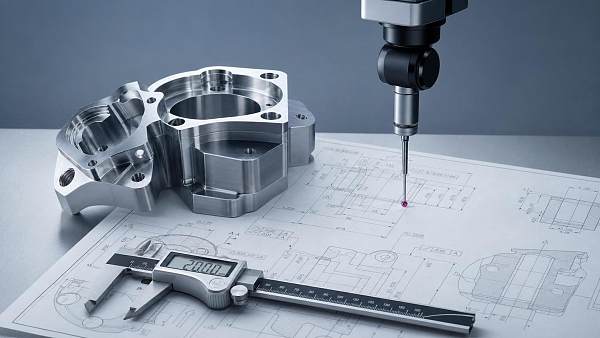
Metrology is one of the strongest use cases for AI in precision engineering high accuracy systems. AI can correlate visual signals, sensor outputs, and historical measurements to detect subtle out-of-spec trends earlier than manual review.
When deployed correctly, the result is not just faster inspection. It is more stable process capability, quicker root-cause analysis, and less variation passed downstream.
Surface defect detection
Microscopic scratches, pits, burrs, and coating defects often escape inconsistent human inspection. High-accuracy AI systems improve detection consistency across lighting changes, batch variation, and long operating hours.
This is especially relevant in automotive components, medical hardware, and smart device assemblies where cosmetic defects may also indicate deeper process instability.
Predictive process control
AI can identify precursor signals before tolerance failure occurs. Vibration patterns, thermal changes, torque signatures, and tool wear indicators can reveal when a process is approaching drift.
That allows corrective action before defects accumulate. In high-volume environments, this can reduce scrap sharply while protecting uptime and delivery performance.
Safety-critical assembly verification
In safety-critical applications, the cost of a missed defect is far higher than the cost of extra inspection. AI in precision engineering high accuracy systems helps verify orientation, torque sequence, part presence, and assembly completeness.
This strengthens compliance evidence and supports digital traceability, both of which are increasingly important in regulated and export-driven industries.
Commonly overlooked risks
Treating accuracy as a single number
A headline accuracy score can hide failure modes. Precision engineering requires analysis by defect type, tolerance band, line condition, and consequence severity.
Ignoring sensor and optics maintenance
Even the best model fails when cameras shift, lenses collect contamination, or sensors drift. Maintenance discipline must sit beside algorithm performance.
Using weak ground truth labels
If reference measurements are inconsistent, the model learns noise. Reliable labeling standards, calibration routines, and reviewer alignment are non-negotiable.
Over-automating early
Immediate closed-loop control may look efficient, but immature models can amplify process errors. Start with assisted decisions, then escalate automation after stable validation.
Practical execution recommendations
- Start with one high-cost defect class that has clear economic impact, stable measurement logic, and enough historical data for controlled testing.
- Build a validation set from recent production runs, including edge cases, supplier changes, maintenance periods, and environmental variation.
- Set approval gates for accuracy, false alarms, latency, and traceability before moving from pilot to line-wide deployment.
- Assign review ownership for data drift, model retraining, and exception handling so system performance remains visible after launch.
- Link AI outputs to corrective action workflows, not dashboards alone, so insights produce measurable process improvement.
Organizations following this path usually see stronger returns. They avoid broad, expensive rollouts before proving that AI in precision engineering high accuracy systems can hold performance under real operating stress.
Why this matters across global industry
High-accuracy AI is no longer relevant only to niche factories. It affects global supply chains, product compliance, maintenance planning, export quality, and industrial resilience.
That broader view aligns with GIIH’s mission: turning fragmented technical signals into usable industrial intelligence. In sectors shaped by electrification, medical regulation, connected devices, and sustainability targets, precision is becoming a strategic requirement.
As a result, AI in precision engineering high accuracy systems should be evaluated not only as a factory tool, but also as an enabler of trust, continuity, and competitive positioning in international markets.
Conclusion and next action
The case for high-accuracy AI in precision engineering is straightforward: smaller errors, faster detection, stronger traceability, and better control over risk. But these outcomes depend on disciplined execution.
Begin with a checklist. Audit data quality, tolerance logic, validation coverage, system integration, and maintenance readiness. Then pilot one use case with measurable business impact.
When AI in precision engineering high accuracy systems is selected and governed carefully, it becomes more than a technical upgrade. It becomes a reliable foundation for safer products, smarter operations, and stronger industrial decision-making.
Recommended News
 Sep 22, 2026How Brake Drum Material and Machining Affect Semi Trailer Service LifeSemi trailer spare parts guide: discover how brake drum material and precision machining improve braking reliability, reduce wear, and extend trailer service life.
 Sep 10, 2026Evaluating Compatibility and Certification Requirements for Replacement Brake Drums on BPW-Axle Semi-TrailersDiscover certified semi trailer spare parts for BPW-axle trailers—ensuring brake drum compatibility, EN 15085-2 certification & optimal thermal performance.
 Sep 09, 2026When does shaft runout require custom precision parts?Custom precision parts shafts become essential when runout affects bearings, seals, vibration, or assembly accuracy. Learn how to specify reliable, high-performance shaft solutions.
 Jul 14, 2026RoHS Precision Parts Explained: Compliance Requirements, Test Reports, and Buying RisksRoHS precision parts explained: learn compliance requirements, how to read test reports, spot supplier gaps, and avoid costly buying risks before shipment approval.
 Jul 14, 2026Precision Machining Factory Selection Guide: Tolerances, Materials, and Inspection CapabilityPrecision machining factory selection starts with tolerance control, material expertise, and inspection capability. Learn how to compare suppliers, reduce risk, and choose with confidence.
 Jul 13, 2026Forged Engineered Components Explained: When Forging Outperforms Casting or MachiningForged engineered components deliver superior strength, fatigue resistance, and reliability. Discover when forging outperforms casting or machining for critical industrial parts.
 Jul 12, 2026Laminated Core Components: How to Choose Grades, Thickness, and ApplicationsLaminated core components explained: learn how to choose steel grades, thickness, and application fit to cut losses, improve efficiency, and make smarter design decisions.
 Jul 11, 2026Diamond Saw Blades for Stone, Tile, and Concrete: How to Choose the Right Typediamondsawblades buying guide for stone, tile, and concrete. Learn how to match blade type, cutting method, and machine for cleaner cuts, longer life, and fewer costly mistakes.
 Jul 09, 2026Product Selection Criteria for Stamped Parts: 7 Factors That Affect Fit and CostProduct selection criteria for stamped parts: discover 7 key factors that shape fit, tolerance, tooling, and total cost—make smarter sourcing decisions with less risk.
 Jul 09, 2026Sheet Metal Custom Parts: How to Choose Tolerances, Finishes, and Lead TimesSheet metal custom parts guide: learn how to choose the right tolerances, finishes, and lead times to reduce cost, improve fit, and avoid sourcing delays.
 Jul 08, 2026How to Do Product Category Analysis for Precision Parts Sourcing and Supplier ShortlistingProduct category analysis precision parts helps buyers classify components, compare true supplier fit, and shortlist faster with better cost, lead time, and compliance accuracy.
![]() Jul 07, 2026How to Evaluate a Battery Protection Parts Supplier for Quality, Testing, and Supply StabilityBattery protection parts supplier evaluation starts with quality, testing, and supply stability. Learn the key checks, red flags, and sourcing criteria for safer, more reliable decisions.
Jul 07, 2026How to Evaluate a Battery Protection Parts Supplier for Quality, Testing, and Supply StabilityBattery protection parts supplier evaluation starts with quality, testing, and supply stability. Learn the key checks, red flags, and sourcing criteria for safer, more reliable decisions. Jul 04, 2026Custom Precision Parts Prototype: Tolerance, Material, and Lead Time BasicsCustom precision parts prototype basics made practical: learn how tolerance, material, and lead time choices reduce risk, improve testing, and speed smarter production decisions.
 Jul 04, 2026Custom Engineered Components vs Standard Parts: When Is Customization Worth It?Custom engineered components vs standard parts: discover when customization lowers lifecycle cost, reduces downtime, and creates stronger competitive advantage.
 Jul 03, 2026How to Source Precision Machined Parts in the Middle East: Tolerances, Materials, and Supplier ChecksPrecision machined parts Middle East sourcing starts with tighter supplier checks. Learn how to compare tolerances, materials, certifications, and total cost for safer, smarter procurement.
 Jul 02, 2026Performance Factor Analysis for Surface Treatment: Key Variables That Affect Coating ResultsPerformance factor analysis for surface treatment reveals how substrate condition, cleanliness, profile, environment, and process settings shape coating results. Learn the key variables to improve adhesion, consistency, and production decisions.
 Jun 29, 2026Material Selection Analysis by Weight: When Lighter Parts Improve Total System PerformanceMaterial selection analysis by weight reveals when lighter parts truly improve total system performance, cutting energy, load, and lifecycle cost while avoiding hidden tradeoffs.
 Jun 27, 2026Engineered Components Drawing Review: 8 Checks to Catch Tolerance and DFM Issues EarlyEngineered components drawing review made practical: discover 8 smart checks to catch tolerance, GD&T, and DFM issues early, reduce rework, and improve launch readiness.
 Jun 26, 2026DIN Precision Parts: Tolerances, Materials, and How to Read Spec RequirementsDIN precision parts explained clearly: learn tolerances, material selection, surface requirements, and how to read DIN specs to reduce sourcing risk and choose suppliers with confidence.
 Jun 25, 2026Custom Precision Parts for Electronics: Tolerance, Material, and Process BasicsCustom precision parts electronics guide covering tolerance, material, and process basics. Learn how to reduce sourcing risk, improve fit and reliability, and choose suppliers with confidence.
 Jun 24, 2026Rapid Prototyping Near Me: How to Compare Lead Time, Materials, and Tolerance OptionsRapid prototyping near me: compare lead time, materials, and tolerance options with a practical framework to choose faster, smarter suppliers and reduce costly prototype delays.
 Jun 23, 2026Sheet Metal Components Manufacturing: Tolerance, Finish, and Process Options ExplainedSheet metal components manufacturing explained: compare tolerance, finish, and process options to reduce sourcing risk, control cost, and choose suppliers with confidence.
 Jun 23, 2026Ballscrews Selection Guide: How Lead, Accuracy, and Load Affect Motion PerformanceBallscrews selection guide covering lead, accuracy, and load. Learn how to improve speed, repeatability, and service life with practical tips for better motion performance.
 Jun 22, 2026PCB Assembly Process Explained: SMT, THT, Testing, and Common Defects to Watch ForPCB assembly explained clearly: learn SMT, THT, testing methods, and common defects that affect reliability, compliance, and product performance across industries.